

Moisture Meters price list
Last updated Saturday, Oct 17, 2026





View 6 Offers


Loading...
Last updated Saturday, Oct 17, 2026
Moisture can hide where you cannot see it. Behind drywall, inside firewood, beneath soil, or within building materials, excess water may quietly create larger problems over time. A moisture meter works like a detective’s flashlight: it helps reveal conditions that are otherwise easy to miss.
The reference selection includes soil moisture tools, wood moisture meters, multifunction testers, and a soil nutrient detector. It also includes several heat and moisture exchangers, which are medical respiratory accessories rather than moisture meters. Understanding that difference matters when you are comparing products online.
ZoneOffer is a comparison site, so it does not sell these products directly. Instead, it helps you compare listed offers, prices, brands, and product features in one place. In this guide, you will find practical advice for choosing the right tool for gardening, woodworking, home inspection, firewood, and general DIY use.
A moisture meter is a handheld instrument designed to estimate the amount of moisture in a material or environment. Depending on the model, it may test soil, wood, drywall, masonry, or other building materials. Some products also measure temperature, humidity, or soil nutrients.
Why is that useful? A surface can look dry while holding hidden moisture underneath. A meter gives you extra information before you paint, install flooring, store lumber, water plants, or investigate a possible damp area.
Different meters use different testing methods. Pin-style tools use metal probes that touch or enter the material. Non-invasive models scan the surface without leaving probe marks. Soil meters usually use a probe inserted into the growing medium, while advanced garden testers may analyze nutrients and temperature as well as moisture.
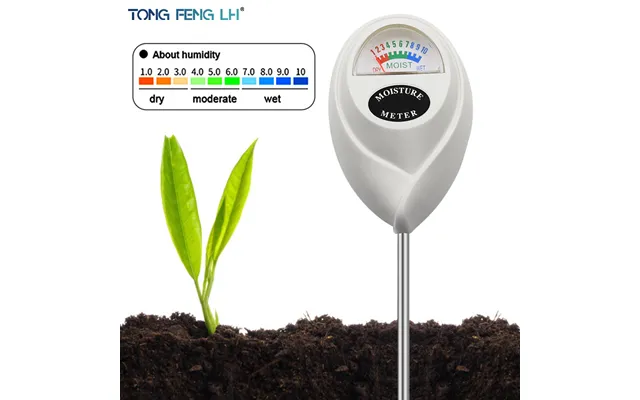
A soil moisture meter is a simple choice for houseplants, vegetable beds, lawns, and container gardens. The Soil Humidometer Home Gardening Measuring Tool from Voghion is designed for soil moisture testing and watering checks. It may be useful when you want a quick indication before reaching for the watering can.
This type of tool can help you avoid a common gardening mistake: watering according to a calendar instead of the actual condition of the soil. Soil in a sunny pot may dry faster than soil in a shaded bed, so a quick test can add useful context.
Wood moisture meters are suited to lumber, firewood, carpentry, renovation, and general building checks. The ERICKHILL EWM03 uses two metal-tipped pins and is described as suitable for measuring wood, firewood, and briquettes. Its compact design makes it convenient to carry from a workshop to a storage area or job site.
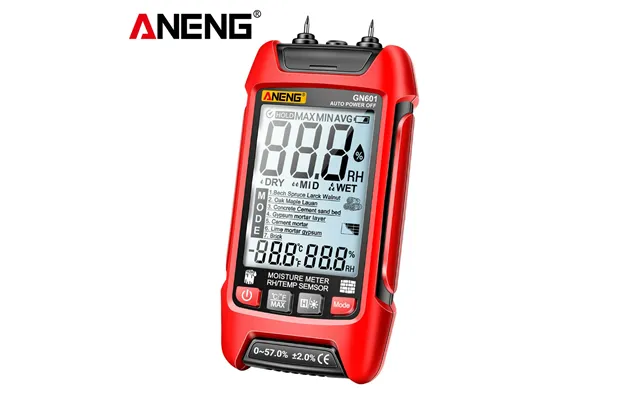
The ANENG GN601 is another option for material testing. Its description identifies it as a pin-type meter for wood and building materials, with built-in material settings and additional temperature and humidity functions. It is positioned as a broader testing tool rather than a basic soil probe.
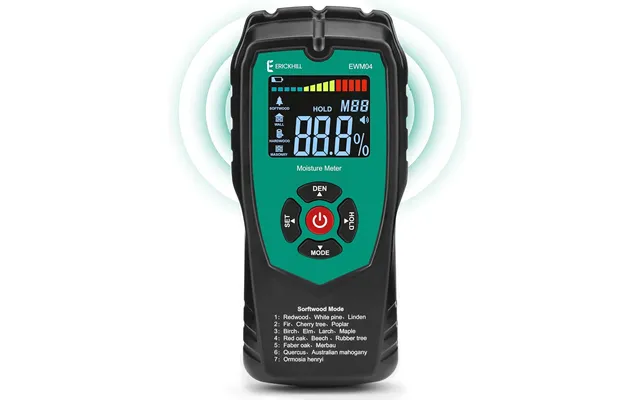
Pin-free testing can be helpful when you do not want to make marks in finished wood, drywall, or masonry. The ERICKHILL EWM04 is described as a non-invasive meter with four testing modes for drywall, masonry, softwood, and hardwood.
That flexibility can be valuable during remodeling or inspection work. Think of it as checking a wall with a scanner rather than poking it with a needle. The EWM04 also includes a humidity alert feature intended to support early awareness of conditions that may contribute to mold in wood materials.
Not every garden tester is only a moisture meter. The MOES Moeshouse Soil NPK Temperature Detector is designed to test nitrogen, phosphorus, and potassium in soil while also measuring soil temperature. That makes it more of a plant-care analysis tool than a basic watering gauge.
This may suit gardeners who want a wider view of soil conditions. Moisture tells you about water availability, but nutrient information can help you think about plant growth from another angle. The product description lists uses including lawns, farmland, greenhouses, balcony planting, pots, and home gardens.
The listed offers cover a broad range of prices and capabilities. At the lower end, the Voghion Soil Humidometer is listed at $9.09. It is a straightforward soil-testing product aimed at home gardening and watering decisions.
The ERICKHILL EWM03 is listed at $25.99. Its features include pin-based wood testing, a compact form, auto power-off, data hold, a battery indicator, and a green backlit display according to the product description.
The ERICKHILL EWM04 is listed at $29.99. It focuses on non-invasive testing, four material modes, a broad measuring range described as 0 to 60, and a humidity alert. Those features may appeal to users who need to check more than one kind of surface.
The ANENG GN601 is listed at $39.99. Its description emphasizes wood and building-material testing, temperature and humidity readings, material settings, an automatic shutdown function, a backlight, and a low-battery warning. The description also states that batteries are not included.
The MOES soil NPK detector is listed at $65.99. It combines soil nutrient testing with temperature measurement and uses a corrosion-resistant stainless steel probe. This is the most specialized garden analysis option in the listed selection.
Prices can change, so treat these figures as the listed comparison prices rather than permanent guarantees. ZoneOffer helps you compare the information available in the reference data, but it is not the retailer.
The ERICKHILL EWM03 is designed for users who want a portable wood moisture meter. Its two high-sensitivity metal pins penetrate wood to take a reading, which can be useful when checking lumber, firewood, or briquettes.
Its pocket-sized design is one of its practical advantages. You could keep it in a toolbox, workshop drawer, or inspection kit without giving up much space. The auto power-off feature may help conserve battery life, while data hold lets you keep a displayed reading visible as you reposition the tool.
The green backlit LCD is another helpful touch for darker areas. If you are checking firewood in a shed or examining materials in a dim workshop, readability matters. A meter is only useful if you can comfortably see the result.
Choose this style if you prefer direct contact testing and mainly work with wood-based materials. It may be less suitable if you need non-invasive scanning across drywall or masonry.
The ERICKHILL EWM04 takes a different approach. Its non-invasive design is intended to check moisture without damaging the surface. That can be important for finished wood, painted areas, walls, and other materials where probe marks would be unwanted.
The product description highlights four testing modes for drywall, masonry, softwood, and hardwood. This gives the meter a wider intended scope than a simple wood-only device. If your projects move between renovation, carpentry, and home inspection, multiple modes may save you from needing separate tools.
The humidity alert is also notable. It is described as a feature that can support early mold awareness in wood materials. It does not replace professional assessment or repair, but it may help you notice that an area deserves closer attention.
This model may be the better match for someone who values surface protection and material versatility. As always, use the correct mode for the material being tested and interpret readings as part of a wider inspection rather than as the only evidence.
The ANENG GN601 is described as a handheld pin-type moisture meter for wood and building materials. It includes built-in characteristic parameters for seven kinds of wood and building materials, according to the reference description.
Its broader feature set includes ambient temperature and humidity measurement. That can help you understand the testing environment as well as the material itself. For example, a reading taken in a damp room may need to be considered differently from one taken in a dry, well-ventilated workspace.
The product description also lists automatic shutdown after a period of inactivity, a low-battery prompt, and a backlight. It states that the unit requires two AAA batteries and that batteries are not included. Keep that detail in mind when planning your purchase.
The GN601 may appeal to DIY users who want more than a single moisture number. It is positioned as a tool for assessing wood, concrete, cement, sand, and related materials, although the precise testing mode should always match the material.
The MOES Moeshouse Soil NPK Temperature Detector is aimed at gardeners who want information about soil nutrients as well as temperature. It measures nitrogen, phosphorus, and potassium, the three nutrients identified in its product title and description.
The listed detection range for NPK is 0 to 1,999 milligrams per kilogram, and the temperature testing range is 32 to 140 degrees Fahrenheit. The product description says it uses three AAA alkaline batteries, which are not included, and identifies the probe as corrosion-resistant stainless steel.
This tool may fit a gardener who wants to make more informed decisions about planting, feeding, and soil management. It is not simply a “water now” indicator. Instead, it brings several soil observations together in one device.
Because it is more specialized and has a higher listed price of $65.99, consider whether you need nutrient testing before choosing it. If your only concern is whether a houseplant needs water, a basic soil humidometer may be a more focused option.
Moisture is rarely distributed perfectly evenly. One corner of a planter may be wetter than another, and one section of lumber may hold more water than the rest. Take readings in several locations instead of trusting a single test point.
If your meter offers modes for hardwood, softwood, drywall, masonry, or other materials, choose the setting that best matches what you are testing. A tool cannot interpret every surface in exactly the same way, so the correct mode is like choosing the right lens for a camera.
For repeat checks, test at a similar depth, location, and time of day when possible. Consistency makes it easier to compare readings over time. This is especially useful when monitoring drying wood, a damp wall, or changing soil conditions.
A moisture meter provides helpful information, but it does not explain every cause of dampness. A high reading could reflect a leak, condensation, recent watering, poor ventilation, or the natural condition of the material. Treat the result as a starting point for investigation.
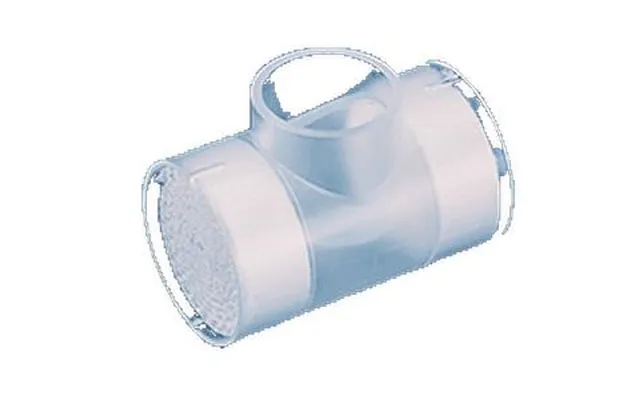
Several listed products have names that include the words “heat and moisture exchanger,” but they are not moisture meters. The Portex Thermovent T2, Thermovent T, and Sunset T HME are respiratory accessories described for use in breathing circuits or related medical applications.
The listed offers include the Portex Thermovent T2 at $7.19, the Thermovent T Heat & Moisture Exchanger at $7.83, the Sunset T HME with built-in oxygen port at $2.15, and the Thermovent T Heat & Moisture Exchanger 5g at $7.87. These products should not be confused with tools for measuring moisture in soil, wood, drywall, or masonry.
Why mention them? Product names can sometimes overlap in search results. If you are shopping for a home, garden, or construction measuring tool, focus on products explicitly described as moisture meters, soil testers, or material analyzers. Medical respiratory accessories belong to a different product category and use case.
For basic plant watering checks, the Voghion Soil Humidometer is the most direct match among the listed offers. It is designed around soil moisture and home gardening rather than building inspection or wood testing.
For portable wood checks, consider the ERICKHILL EWM03. Its pin-based design, compact size, data hold, and backlit display make it a practical choice for users who work with firewood or lumber.
For surface-friendly testing across several materials, the ERICKHILL EWM04 stands out because it is non-invasive and offers four testing modes. It may be a better fit for renovation, wall checks, and users concerned about leaving marks.
For users who want temperature and humidity information alongside material moisture readings, the ANENG GN601 offers the broadest environmental feature set among the wood-focused products listed here.
For advanced garden analysis, the MOES NPK detector adds soil nutrient and temperature testing. It is the specialist option for gardeners who want more detailed soil information than moisture alone can provide.
The best moisture meter depends on what you are trying to learn. A simple soil probe can help guide watering, a pin meter can support wood and firewood checks, and a non-invasive model can make wall or finished-surface testing easier. More advanced devices add environmental or nutrient information for a wider picture.
Start with your material, decide whether you need pin or non-invasive testing, and then compare useful extras such as backlighting, data hold, humidity alerts, and multiple modes. The listed products range from the $9.09 Voghion soil humidometer to the $65.99 MOES soil NPK detector, giving you several different approaches rather than one universal answer.
In short, choose the meter that matches your project instead of chasing the longest feature list. The right tool can turn hidden moisture from a mystery into a measurable condition—and that is often the first step toward making a smarter decision.