

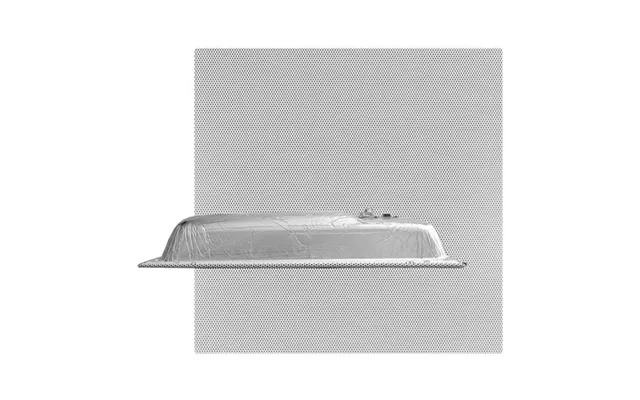
Wall & Ceiling Tile price list
Last updated Sunday, Oct 18, 2026
| Wall & Ceiling Tile | Price |
|---|---|
| Viking 22tb-ip 2ft X 2ft Ip Ceiling Tile Talk-back Ip Spk | $421.12 |





Loading...
Last updated Sunday, Oct 18, 2026
| Wall & Ceiling Tile | Price |
|---|---|
| Viking 22tb-ip 2ft X 2ft Ip Ceiling Tile Talk-back Ip Spk | $421.12 |
Wall and ceiling materials can do more than cover a surface. They can shape how a room looks, sounds, and functions. If you are planning a commercial interior, public space, office, or other structured environment, the right ceiling component may need to combine a clean appearance with useful technology. That is where the Viking 22TB-IP 2ft x 2ft IP ceiling tile talk-back IP speaker stands out in this comparison.
Listed under the Wall & Ceiling Tile category, this Viking product brings an integrated speaker design into a 2ft x 2ft ceiling tile format. Its listed price is $421.12, and the offer is shown through The Twister Group. ZoneOffer is a comparison site, so it helps you review the available product information rather than acting as the retailer itself.
In this guide, we will look at what the product name tells us, how a ceiling tile speaker can fit into a project, and which details are worth checking before you make a purchase decision. Think of it as a closer look at the building block behind the listing—not a replacement for checking the final offer details.
The Viking 22TB-IP is described as a 2ft x 2ft IP ceiling tile talk-back IP speaker. That name gives us several important clues. First, the product is designed around a ceiling tile format measuring 2ft by 2ft. Second, it includes speaker functionality. Third, the “IP” designation appears in the product name, indicating that the speaker is intended for an IP-based installation or communication setup.
The phrase “talk-back” is also meaningful. Rather than being described simply as a passive ceiling speaker, the product is presented as a talk-back IP speaker. That makes it relevant to settings where overhead audio may support communication, announcements, or other voice-related functions. The reference data does not provide a detailed feature list, so you should confirm the exact capabilities before installation.
For buyers, the key point is simple: this is not just a decorative ceiling tile. It is a ceiling-mounted audio component designed to fit within a 2ft x 2ft tile layout. That combination may help create a more integrated appearance than installing a separate speaker enclosure below or beside a ceiling surface.
Ceiling layouts often depend on consistent dimensions. A product built around a 2ft x 2ft format can be easier to consider when a project already uses matching ceiling grid sections. The square shape may help the installation blend into the surrounding ceiling rather than looking like an object added afterward.
Imagine a ceiling as a large checkerboard. Each tile occupies one square in that pattern. A speaker designed around the same 2ft x 2ft footprint can potentially take the place of one square, helping preserve the visual rhythm of the grid. Of course, compatibility depends on the specific ceiling system, mounting method, and installation requirements, so those details should be verified before ordering.
The format can also be useful during planning. Designers and contractors can identify possible speaker positions by looking at the existing tile pattern. That may make it easier to think about coverage, access, and appearance at the same time. Still, the reference information does not specify the product’s installation hardware, depth, weight, or compatibility with particular ceiling grids.
Before you select a ceiling tile speaker, measure the intended opening and review the structure above it. A nominal 2ft x 2ft tile format does not automatically confirm that every ceiling system will accept the product without adjustments. Check the actual dimensions, support requirements, and clearance needed for the installation.
You should also consider what sits above the ceiling. Wiring, ductwork, lighting, insulation, and other components can affect where a speaker may be placed. A neat square on the visible side is only one part of the installation puzzle; the hidden space matters just as much.
The product title identifies the Viking 22TB-IP as an IP ceiling tile talk-back IP speaker. In general terms, IP audio equipment is associated with network-based communication or sound systems. A talk-back design may support two-way communication, depending on the system and configuration used with the product.
However, the supplied listing does not specify network protocols, power requirements, audio performance, software compatibility, connection types, or communication features. That means it would be unwise to assume that the speaker will work with every IP audio system. Instead, treat the product name as a starting point and confirm the technical specifications that matter to your project.
Do you already have an IP-based system in place? If so, compare its requirements with the speaker’s documentation. If you are creating a new system, identify the control equipment, network setup, and installation standards before choosing the final components. The best product is not necessarily the one with the most impressive name; it is the one that fits the whole system without creating weak links.
Ask whether the speaker requires a particular network environment or supporting equipment. Confirm how it receives power, how it connects to the rest of the system, and whether the talk-back function requires additional components. It is also sensible to check whether the product is intended for announcements, two-way communication, background audio, or another application.
These questions do not suggest that the Viking 22TB-IP lacks any particular capability. They simply help you avoid making assumptions based only on a short product title. Technical confirmation is especially important when a ceiling component will be installed as part of a larger commercial or building project.
A ceiling tile speaker can be considered for spaces where audio needs to be distributed without taking up wall or floor area. Its overhead position may help keep visible surfaces uncluttered. This can be useful in environments where a clean appearance is just as important as practical communication.
Potential applications can include offices, shared facilities, public areas, and other structured interiors, but the supplied reference data does not identify a specific intended venue for this Viking product. Therefore, think of these as general examples rather than confirmed use cases.
The talk-back wording may make the product particularly interesting for projects that require more than one-way sound. Yet the exact application should be based on the manufacturer’s specifications and the needs of the site. A speaker used for simple announcements may be evaluated differently from one used for active two-way communication.
One advantage of an integrated ceiling product is visual continuity. Instead of attaching a separate speaker box to a wall or leaving equipment exposed below the ceiling, a tile-format unit can be planned as part of the overhead surface. That may help maintain a calmer, more organized appearance.
Think of it like built-in lighting. When a light fixture fits into the ceiling plan, it can feel like part of the architecture rather than an afterthought. A ceiling tile speaker may offer a similar design direction, although the final appearance will depend on the surrounding tiles, installation quality, and the product’s visible finish.
There may also be practical planning benefits. If speakers are distributed through a ceiling grid, a designer can consider their locations alongside lighting, air vents, access panels, and other fixtures. Careful spacing may help create a more balanced layout, but audio coverage cannot be confirmed from the listing alone.
A discreet installation is appealing, but appearance should not be the only deciding factor. You also need to consider sound objectives, room shape, ceiling height, ambient noise, and the placement of other equipment. The most attractive layout may not be the most effective one if it ignores the room’s acoustic conditions.
For that reason, larger projects may benefit from input from an audio installer or building professional. They can help determine whether the ceiling location, system design, and mounting approach are suitable for the environment.
The listed price for the Viking 22TB-IP 2ft x 2ft IP ceiling tile talk-back IP speaker is $421.12. The offer is associated with the Twister Group, and the brand is Viking. These are the specific offer details provided in the reference data.
Prices can be an important part of planning, but they are only one piece of the buying decision. A lower upfront cost does not necessarily mean a lower total project cost if additional mounting parts, wiring, configuration, or professional installation are needed. On the other hand, a product that fits an existing design may help simplify the overall project.
Because ZoneOffer is a comparison site, use the listing as a convenient point of reference. Before committing, review the current offer details and confirm the product information with the listed retailer. The reference data does not provide shipping terms, availability, warranty information, installation services, or other purchase policies, so those items should be checked separately.
Start with the physical dimensions. The listing identifies the product as 2ft x 2ft, but you should verify the complete measurements and determine whether the product is designed to replace a standard ceiling tile or requires a dedicated mounting arrangement.
Next, review the technical specifications. Look for information about power, connectivity, system compatibility, audio output, talk-back operation, and installation requirements. If the product will connect to a larger communication system, every component needs to work together like links in a chain.
Also think about the project environment. Is the ceiling accessible? Will maintenance staff need to reach the speaker? Could nearby lighting or ventilation affect placement? Is the ceiling structure strong enough for the planned installation? These practical questions can prevent delays after the product arrives.
You can make the process easier by writing down a short checklist. Confirm the 2ft x 2ft format, compare the product with your ceiling grid, review the IP system requirements, identify any additional equipment, and calculate the full project cost. Then verify the current price and offer details before ordering.
This approach keeps the decision grounded. Rather than choosing based on a product title alone, you are comparing the speaker with the actual conditions of your building. That usually leads to a more confident purchase.
Installation should begin with a clear layout. Mark the planned speaker locations and check for obstructions above the ceiling. Consider how cables will reach each unit and whether access will remain possible for future servicing.
It is also wise to coordinate the speaker locations with other ceiling elements. A crowded tile grid can create visual clutter and make installation more difficult. Spacing the components thoughtfully may produce a cleaner result and a more manageable system.
The reference data does not state whether installation is included with the offer or whether special hardware is supplied. Therefore, do not assume that the listed price covers labor, accessories, or system configuration. Confirm those points before budgeting the project.
When comparing ceiling tile speakers, look beyond brand names and prices. The most useful comparison includes format, intended system type, installation method, communication features, and support requirements. A product that matches your ceiling but not your network may create more work than it saves.
Compare like with like. If one option is a simple ceiling speaker and another is an IP talk-back unit, they may serve different purposes even if both fit overhead. The Viking 22TB-IP belongs to the latter description in the supplied listing, so its value should be considered in relation to projects that need that type of functionality.
It can help to divide your decision into three categories: physical fit, technical fit, and financial fit. If the speaker passes all three tests, it deserves closer consideration. If it fails one, investigate before moving forward.
The Viking 22TB-IP may be worth considering if you are looking for a ceiling-format speaker with a 2ft x 2ft footprint and an IP talk-back description. Its design may appeal to buyers who want audio equipment to blend into a ceiling grid rather than occupy a wall or floor position.
It may be less suitable if your project does not use a compatible IP audio system or if you need a product with specifications that are not confirmed in the listing. The right choice depends on your building, system, installation plan, and technical requirements.
In other words, this product is best viewed as a specialized building component rather than a general-purpose speaker. Match it carefully to the project, and confirm the details that the brief listing does not provide.
The Viking 22TB-IP 2ft x 2ft IP ceiling tile talk-back IP speaker combines a ceiling tile format with IP speaker functionality in a design intended to fit into a structured overhead layout. Listed at $421.12 through the Twister Group, it may be an appealing option for projects that value an integrated appearance and talk-back capability. Before buying, confirm the full dimensions, system compatibility, installation requirements, and current offer details. With those checks complete, you can decide whether this Viking ceiling speaker fits your project as neatly as it fits the ceiling grid.