

Cement, Mortar & Concrete Mixes price list
Last updated Monday, Nov 2, 2026
| Cement, Mortar & Concrete Mixes | Price |
|---|---|
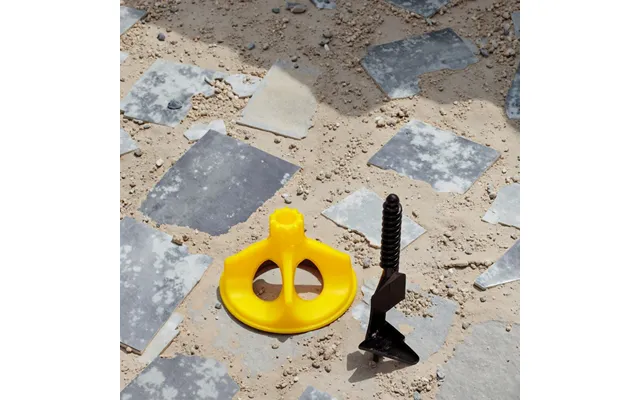
| Self-leveling Floors Tiles Spin Ceramic Leveler Sscrew Reusable Level Tile Spacers Spin Doctor Self Control Tile Levelin | $0.01 |





Loading...
Last updated Monday, Nov 2, 2026
| Cement, Mortar & Concrete Mixes | Price |
|---|---|
| Self-leveling Floors Tiles Spin Ceramic Leveler Sscrew Reusable Level Tile Spacers Spin Doctor Self Control Tile Levelin | $0.01 |
Choosing the right masonry consumables can make a major difference to the strength, appearance, and long-term performance of a building project. Cement, mortar, concrete mixes, tile-setting products, and leveling accessories each have a specific job. When they work together, your project can feel less like a pile of separate tasks and more like a well-built structure—every piece supporting the next.
This guide explores cement, mortar, and concrete mixes while also looking at a related product listed in the reference data: the Self-leveling Floors Tiles Spin Ceramic Leveler Screw Reusable Level Tile Spacers Spin Doctor Self Control Tile Leveling product. The listed offer appears through Alibaba at a reference price of $0.01, with the description stating “1M new products” and exclusive perks of up to $500 off. Because pricing and offers can change, use the listing as a comparison point and confirm the current details before making a decision.
These terms are often used interchangeably, but they are not identical. Cement is a binding ingredient. Mortar generally combines cement with fine aggregate and is used to join masonry units such as bricks or blocks. Concrete typically contains cement, aggregate, and water, creating a material suited to slabs, foundations, paths, and other structural or hard-wearing applications.
Think of cement as the glue, mortar as the joining material, and concrete as the finished composite. Each formulation serves a different purpose, so selecting a product based only on the word “cement” may lead to poor results. The correct choice depends on what you are building, the surface involved, and the finish you want.
A mix that works well for a small repair may not be suitable for a floor, walkway, wall, or heavy-use area. Particle size, workability, setting behavior, and final hardness all influence performance. Even when two products look similar in a bag or listing, their intended uses may differ.
Before buying, identify the job first. Are you filling joints, setting masonry, smoothing a floor, repairing a surface, or creating a new concrete area? Once the task is clear, comparing the appropriate product category becomes much easier.
Cement-based materials appear in many home, garden, and building projects. Mortar may be used between bricks, blocks, or stone. Concrete mixes can support outdoor features, bases, paths, and slabs. Leveling products can help create a more even surface before tile installation.
Each application has its own priorities. A wall repair may call for a workable mortar that can be placed neatly. A floor project may demand a smoother, more uniform surface. A concrete repair may require careful preparation so the new material bonds properly to the existing area.
Small projects reward careful preparation because mistakes are easy to see. Clean the working area, remove loose material, and follow the product instructions for mixing and curing. Larger projects require additional planning, including accurate measurements, suitable tools, surface preparation, and enough time for the material to set correctly.
Do not judge the amount needed by appearance alone. A thin-looking application can still cover a surprisingly large area, while an uneven base can consume more material than expected. Measuring the area and checking the instructions can help reduce waste.
The reference data includes a reusable tile-leveling product described as a Self-leveling Floors Tiles Spin Ceramic Leveler Screw Reusable Level Tile Spacers Spin Doctor Self Control Tile Leveling item. Its wording points toward tile installation and the use of leveling components designed to help manage differences between adjoining tiles.
Tile leveling accessories can be useful when you want a cleaner, more consistent surface. Tiles that sit at different heights may create visible edges, uneven reflections, or uncomfortable transitions. A leveling system is intended to help keep neighboring pieces aligned while the setting material cures.
When comparing tile spacers or leveling accessories, consider the tile format, the joint width, the surface layout, and whether the components are reusable. The listed product specifically includes the terms “reusable” and “spin,” but the reference data does not provide technical measurements, material specifications, package contents, or installation instructions.
That means you should review the live product information carefully before purchasing. Check whether the system matches your tile thickness and installation method. A product can look suitable in a photograph yet still be incompatible with the particular tiles or adhesive you plan to use.
A tile installation is only as convincing as its base. If the floor has dips, ridges, or uneven areas, the finished tile surface may reflect those problems. A leveling product may help align individual tiles, but it should not be treated as a substitute for preparing a seriously uneven substrate.
Start with the floor itself. Remove dust, loose debris, and anything that could prevent proper adhesion. Identify high and low spots, then select a suitable preparation method. Once the surface is ready, work methodically rather than spreading adhesive over a larger area than you can tile within the recommended working time.
Tile spacers and leveling components can help maintain regular joints, but visual consistency also depends on careful placement. Check the alignment from several angles as you work. A small correction early is easier than trying to disguise a major alignment issue later.
Use a straightedge or similar checking tool where appropriate, and avoid assuming that one aligned corner means the entire floor is level. A tile installation is like laying out a grid: one misplaced line can influence every line beside it.
Online comparison is useful because it lets you examine product categories, seller information, listed prices, and descriptions in one place. ZoneOffer is a comparison site, not a store, so it helps shoppers review available information rather than directly selling the products listed.
The reference data identifies Alibaba as the store for the listed tile-leveling offer. It shows a price of $0.01 and a regular price of $0.00. The listing description mentions “1M new products” and exclusive perks up to $500 off. These details should be viewed as listing data rather than a guarantee of final purchase terms.
Does the product match the task? Is the description clear about its intended use? Are the size, material, quantity, and compatibility details provided? Can you compare the offer with similar products? These questions matter more than a low displayed price when the project depends on reliable performance.
For cement, mortar, and concrete mixes, compare the intended application, coverage information, curing guidance, and required preparation. For tile-leveling accessories, compare compatibility, reusability, layout requirements, and the type of tile installation involved.
Estimating quantities is one of the simplest ways to control project costs. Begin by measuring the length and width of the area in feet. Multiply those figures to find the square footage. For irregular spaces, divide the area into smaller rectangles or sections, calculate each one, and add the results together.
For wall work, measure the surface height and width. For a narrow repair, estimate the length, width, and depth of the repair zone. Always check the product instructions because coverage varies by mix, thickness, surface condition, and application technique.
Some waste is normal. Material can remain in a mixing container, spill during placement, or be lost when trimming and cleaning. Rough surfaces may also require more product than a smooth, prepared base. A sensible allowance can prevent a mid-project shortage, but avoid buying blindly without checking the stated coverage.
Tile projects involve more than adhesive or leveling materials. You may also need spacers, cutting tools, a mixing bucket, protective equipment, cleaning supplies, and a suitable straightedge. Planning the complete workflow helps you avoid interruptions.
Preparation is often the difference between a smooth project and a frustrating one. Read the instructions before opening the package. Organize tools, protect nearby surfaces, and make sure the work area is suitable for mixing and application.
Cement-based materials can be dusty and irritating. Use appropriate protective equipment, avoid breathing dust, and keep the work area ventilated. Follow the manufacturer’s safety guidance for mixing, handling, and cleanup. Store unused materials as directed and protect them from conditions that could affect their quality.
Adding too much water may make a mix easier to spread, but it can affect the final result. Too little water can create a stiff, difficult mixture. Follow the instructions rather than relying on guesswork, and mix until the material has a consistent texture.
Prepare only an amount you can use within the recommended working period. A rushed application can create uneven coverage, weak bonding, or visible surface defects. A steady pace is usually better than trying to cover too much at once.
A strong result is not only about strength. Appearance matters too. Smooth transitions, even joints, clean edges, and consistent surfaces can make a project look professionally planned.
For tile work, keep joints clear of excess setting material and clean residue before it hardens. For concrete or mortar, avoid disturbing the surface after placement unless the instructions call for finishing. Protect the area while it sets, and do not assume that a surface is ready for use simply because it feels firm.
Once the material has cured according to the instructions, inspect the result under good lighting. Look for uneven edges, gaps, loose areas, cracks, or unwanted residue. Address minor issues promptly when possible, since small problems can become more difficult to correct later.
A final inspection is also a chance to consider whether the product performed as expected. If you are comparing products for a future project, note what worked well and what you would change next time.
Price can attract attention, but it should not be the only deciding factor. A product’s suitability, instructions, compatibility, and intended application are just as important. The listed $0.01 reference price for the Alibaba offer may look striking, yet the reference data does not provide enough information to determine the complete cost, package details, or suitability for a particular project.
Use comparison information as a starting point. Review the listing, examine the seller’s current details, and compare alternatives before committing. If the product description is vague, treat that as a reason to investigate further rather than assuming the missing information.
For construction materials, the cheapest option is not always the most economical. A product that fails to suit the surface can lead to wasted time, replacement materials, and additional labor. The best value is usually the option that fits the job and helps you complete it correctly the first time.
Cement, mortar, concrete mixes, and tile-leveling accessories all have distinct roles in building and renovation work. By identifying the task, preparing the surface, checking compatibility, estimating quantities, and comparing product information carefully, you can approach your project with greater confidence. The listed reusable spin-style tile-leveling product on Alibaba offers one comparison point, with the reference data showing a $0.01 price and promotional wording, but you should verify the current listing details before buying. Good preparation is the foundation beneath every successful finish.