

Masonry & Tile Saws price list
Last updated Sunday, Oct 25, 2026





View 3 Offers
Loading...
Last updated Sunday, Oct 25, 2026
Cutting tile, stone, and masonry is a job where the right saw can make all the difference. A dependable machine helps you create cleaner edges, handle demanding materials, and spend less time wrestling with each cut. Whether you are working on a bathroom renovation, a stone feature wall, or a larger building project, comparing your options before buying is a smart first step.
ZoneOffer is a comparison site that helps shoppers review available product offers in one place. In the current masonry and tile saw selection, you can compare a brushless ceramic tile saw, a diamond-tipped hole saw kit, and a portable stone cutter machine. Each option serves a different purpose, so the best choice depends on the material, cut style, and project scale you have in mind.
A saw is more than a motor and a blade. Think of it as the steering wheel of your project: its design determines how confidently and accurately you can guide the material. Before choosing a product, consider the type of cut you need, the material you plan to work with, and how often you expect to use the tool.
Tile work often demands precision, especially around corners, edges, backsplashes, and flooring layouts. Stone cutting may require greater power and a more rugged frame. Hole saws, meanwhile, are designed for a very specific task: creating circular openings. Matching the tool to the job can prevent wasted time and unnecessary wear.
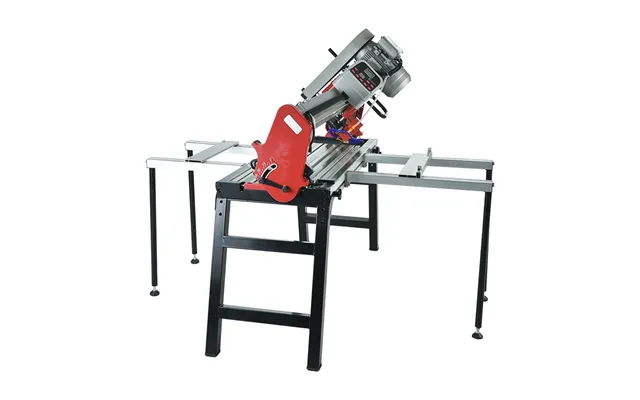
Cutting capacity is one of the first details worth checking. The Xidele T10 tile saw listing states that it can cut material up to approximately 2 inches thick and supports 45-degree cutting. That makes the listed model particularly relevant to users who need angled tile or marble cuts rather than only straight passes.
For larger stone projects, the portable stone cutter listing may be worth comparing. Its title identifies it as a powerful portable machine for thin stone veneer. Portability can be useful when the worksite changes or when bringing a large stationary saw to the material is impractical.
The Xidele T10 is listed as a ceramic tile saw with a brushless motor and an electric marble tile saw design. The offer title also identifies a cutting capability of approximately 2 inches and support for 45-degree cuts. These details make it an option to examine when your project combines tile or marble with angled finishing work.
The listing shows a price of $900 on Alibaba. No regular price is provided in the reference data, so it is best to treat the displayed figure as the listed offer price rather than calculate a claimed saving. The listing description also mentions exclusive perks of up to $500 off, but shoppers should review the offer details for the exact terms that apply.
A brushless motor is often associated with efficient power delivery and reduced friction inside the motor system. However, the reference data does not provide a performance rating, noise level, warranty, or service information for this specific saw. That means you should use the brushless design as one comparison point, not as a guarantee of a particular result.
When reviewing the Xidele T10, consider how its stated cutting depth and 45-degree function match your plans. If you regularly install trim pieces, corners, or decorative marble sections, angled cutting can be a useful feature. If your work involves only occasional straight cuts, you may want to compare the price against simpler alternatives.
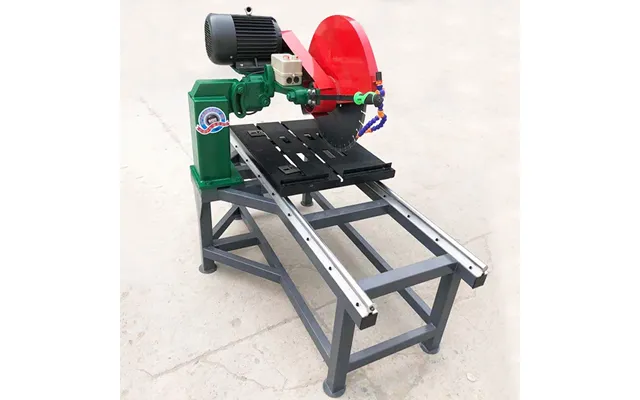
The 4kw Powerful Portable Stone Cutter Machine is listed as a machine for thin stone veneer. Its title emphasizes portability and cutting power, which may appeal to contractors, renovators, and do-it-yourself users working with veneer materials in different locations.
This offer is listed at $680 on Alibaba. The reference data does not include a regular price, brand name, availability statement, dimensions, blade details, or included accessories. For that reason, those details should be confirmed before purchase rather than assumed from the product title.
A portable cutter can be helpful when your project is spread across a room, exterior wall, or active worksite. Instead of moving every piece of stone to one fixed cutting station, you may be able to position the machine closer to the work area. That can make the workflow feel less like hauling bricks across a yard and more like bringing the right tool directly to the task.
Still, portability should be considered alongside stability. Before choosing this type of machine, think about where it will sit, how you will support the material, and whether the working area gives you enough room to guide each piece safely. The reference data does not specify the machine’s stand, table, weight, or cutting controls, so these are useful points to investigate.
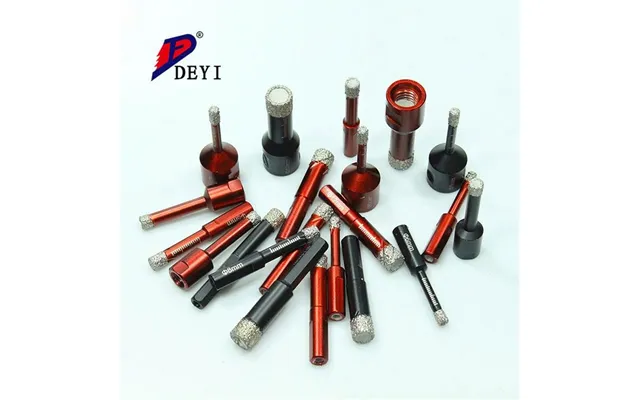
The reference data also includes a China wholesale vacuum-brazed drill and hole saw listing with vacuum-brazed diamond-tipped components. The title identifies drill sizes of approximately three-eighths inch and about one-half inch when converted from the listed metric sizes. This product is different from a full tile saw: it is intended for drilling circular openings rather than making long straight cuts.
The listed price is $2 on Alibaba. No regular price is shown. The description repeats the statement about exclusive perks of up to $500 off, but the data does not explain whether those perks apply automatically, to a minimum order, or to a particular quantity. Check the current offer information carefully before relying on any promotion.
Diamond-tipped hole saws are commonly selected when a project needs a round opening through a hard surface. In tile work, that might mean preparing space for a pipe, fitting, or other installation feature. The exact suitability depends on the material, the hole size, and the drilling method recommended by the seller.
The listing does not state which tile or stone types are supported, how deep the holes can be, or what accessories come with the kit. It also does not provide a brand name. Use the listed drill sizes as a starting point, then confirm compatibility with your project before ordering.
These three products are not direct substitutes. The Xidele T10 is presented as a ceramic and marble tile saw with angled cutting capability. The portable stone cutter is aimed at thin stone veneer and emphasizes a portable format. The diamond-tipped hole saw listing focuses on circular drilling components.
Price comparison can help establish a starting point: the hole saw listing is $2, the portable stone cutter is $680, and the Xidele T10 is $900. However, a lower price does not automatically mean better value. A hole saw kit may be the most practical choice for one opening, while a powered cutter may be more suitable for repeated straight or angled cuts.
If you are installing a few fixtures that require round openings, begin by reviewing the diamond-tipped hole saw offer. If you are cutting thin stone veneer across multiple areas, compare the portable stone cutter. If you need ceramic or marble cuts, especially at a 45-degree angle, examine the Xidele T10 listing.
What is your project asking you to do? The answer is more important than choosing the most powerful-looking title. A specialized tool can be like a sharp pencil: small and focused, yet exactly right for the job. A larger cutting machine may be unnecessary if your work only involves a few carefully sized holes.
Cutting tile and stone creates a demanding work environment. Hard materials can produce sharp fragments and dust, while powered equipment introduces moving parts and electrical considerations. Wear suitable eye protection and use hearing protection when appropriate. Keep loose clothing, hair, and hands away from the cutting area.
Read the instructions supplied with the selected product before use. The reference data does not state whether these offers include water-feed systems, guards, stands, dust controls, or other safety equipment. Never assume that an accessory or protective feature is included simply because the product title does not mention it.
A stable work surface can improve control and reduce movement while cutting. Clear the surrounding area, secure the material as recommended, and make sure the power setup is suitable for the machine. For portable equipment, pay particular attention to placement so the tool cannot shift while the material is being guided.
For hole saw work, mark the opening carefully and confirm the required size before drilling. A hole that is slightly wrong can create extra repair work, especially when it is cut into a finished wall or expensive tile. Slow preparation often produces faster results overall.
The featured listings are shown with Alibaba as the store. ZoneOffer does not sell these products directly; it is a comparison site that helps you review offers. Product pages, seller terms, order quantities, shipping information, and availability should be checked through the relevant listing before you make a purchase decision.
Pay close attention to whether a listing is intended for a single item or wholesale purchasing. The reference data describes one offer as a China wholesale product and mentions “1M new products” in the description. That wording may indicate a broader marketplace promotion, but it does not confirm a specific minimum order quantity or purchasing requirement.
Confirm what is included, especially blades, drill bits, stands, guards, and replacement parts. Ask whether the listed price applies to one unit or a larger quantity. You should also verify the exact cutting capacity, power requirements, product dimensions, and material compatibility when those details matter to your project.
Shipping and availability are not provided in the reference data. Do not assume that either is fixed. Marketplace information can vary by destination, seller, and order size, so review the current listing details for the United States before committing to a purchase.
Beginners often benefit from a tool that matches a clearly defined task. If you only need circular openings, a hole saw may be easier to evaluate than a full cutting machine. If you are tackling repeated tile cuts, a dedicated tile saw may provide a more suitable setup, provided you understand its operating instructions and safety requirements.
Experienced users may prioritize cutting depth, angle capability, portability, and the ability to handle a higher workload. The Xidele T10’s listed 45-degree function may be relevant for detailed tile work, while the portable stone cutter’s stated focus on thin stone veneer may suit mobile projects. Even experienced operators should confirm specifications rather than relying only on marketing language.
Measure twice and cut once remains excellent advice. Mark the material clearly, check the intended finish side, and plan where the cut will be visible. For angled work, confirm the direction of the bevel before starting. A neat plan helps prevent the classic problem of producing a technically accurate cut in the wrong direction.
Keep the cutting process controlled instead of forcing the tool through the material. The reference data does not provide recommended feed rates or operating procedures for these products, so follow the instructions supplied with the selected machine or accessory. Proper technique is just as important as the product itself.
The current comparison includes three distinct options: the $900 Xidele T10 ceramic and marble tile saw, the $680 portable stone cutter for thin stone veneer, and the $2 vacuum-brazed diamond-tipped hole saw listing. Each one targets a different kind of work, from angled tile cuts to portable veneer cutting and circular drilling. Compare the tool’s stated purpose with your actual project, then verify specifications, order details, and current marketplace terms before buying. With the right match, your saw becomes less of a challenge and more of a reliable partner on the job.