

Air Ducts price list
Last updated Saturday, Oct 17, 2026





View 12 Offers

Loading...
Last updated Saturday, Oct 17, 2026
Good airflow is the quiet engine behind a comfortable building. When air moves efficiently, rooms feel more balanced, equipment can perform its job, and smoke or fumes can leave the workspace instead of lingering like an unwanted guest. Whether you are replacing a dryer vent, improving workshop ventilation, or comparing compact blowers, choosing the right air duct product matters.
This guide explores the air ducts, exhaust pipes, and blowers listed in the current ZoneOffer comparison data. You will find options from brands including Johnson Pump, Jabsco, Rule, Builders Best, AP Products, and LaserPecker. ZoneOffer is a comparison site, so the listed offers are presented to help you compare products and prices rather than buy directly from ZoneOffer.
An air duct is more than a tube that connects one point to another. Its diameter, flexibility, material, and intended use all affect how air travels. A narrow duct may suit a compact application, while a larger duct can support greater airflow when paired with a capable blower.
Think of a duct as a roadway. A wider road can handle more traffic, but only when the surrounding system is designed for it. A powerful blower connected to an unsuitable duct may not deliver the result you expect. Likewise, a flexible duct that is sharply bent or compressed can restrict airflow.
The products in the reference data cover several use cases. Some are compact blowers designed for ventilation, some are flexible air ducts, one is a dryer vent periscope, and another is a smoke exhaust pipe intended for LaserPecker equipment. Comparing the product type before focusing on price can help you avoid choosing an option that looks attractive but does not match your setup.
Several blowers in the comparison list include a CFM rating. CFM means cubic feet per minute, and it indicates the volume of air a blower is designed to move. A higher CFM rating generally points to greater air-moving capacity, although the real result also depends on duct length, bends, restrictions, and the rest of the installation.
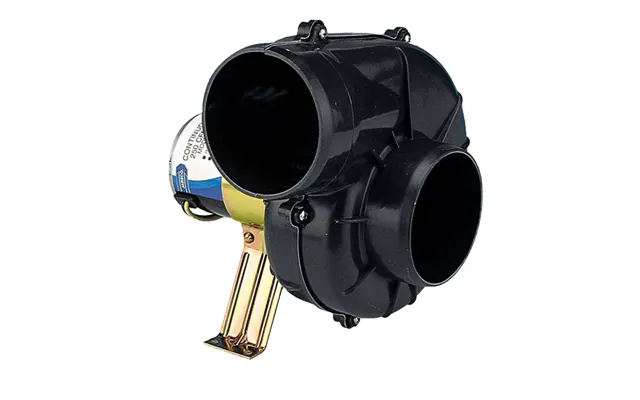
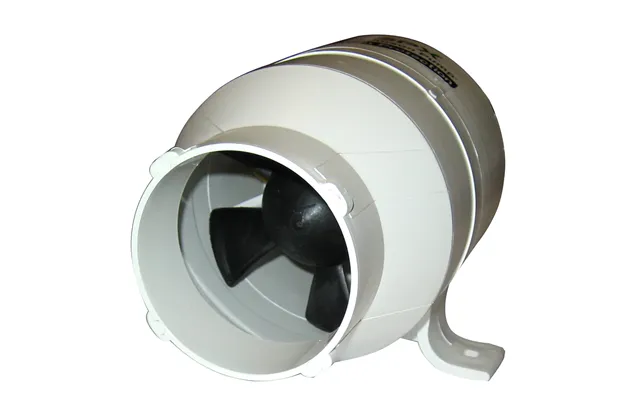
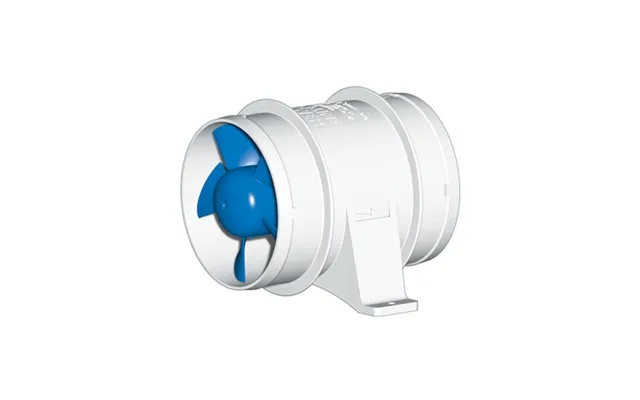
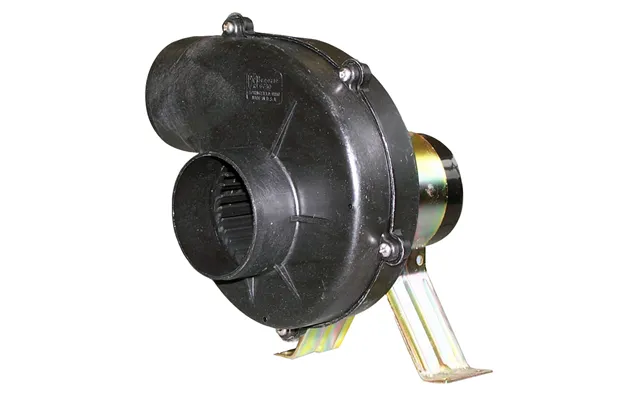
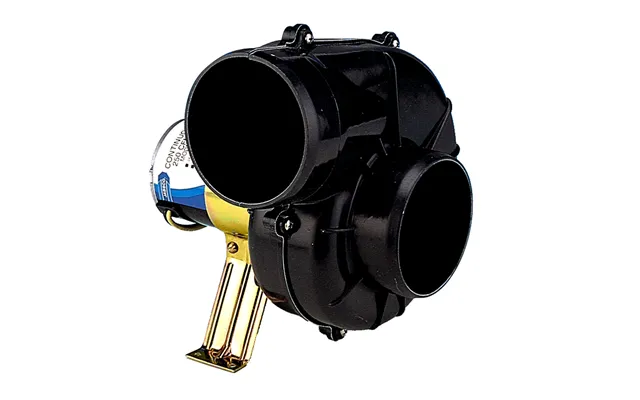
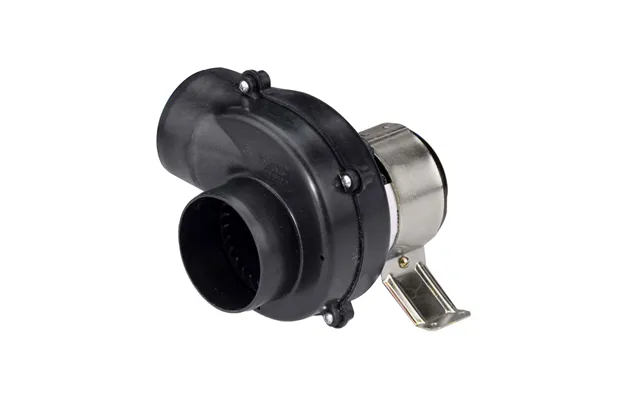
The Jabsco 35515-0010 3 Inch Flexmount Blower is listed at 105 CFM and uses a 12V power supply. It is priced at $122.12 in the supplied offer. For a similar compact format with more listed airflow, the Johnson Pump 66302 3 Inch In-line Blower provides 158 CFM at 12V and is listed at $43.12.
The Jabsco 36740-0000 3 Inch Flexmount Blower is another 12V option, with a listed capacity of 150 CFM and a price of $188.12. These three products sit in a similar general size category, but their listed prices and airflow figures differ. That makes them useful comparison points when you are balancing capacity, power requirements, and budget.
For applications requiring more listed airflow, the Jabsco 35770-0092 4 Inch Flexmount Heavy Duty Blower provides 250 CFM at 12V. The reference offer lists it at $279.12. A second 250 CFM option is the Jabsco 36770-0115 4 Inch Flexmount Blower, which operates at 115VAC and is listed at $443.12.
The Rule 240 In-line 4 Inch Bilge Blower is also listed in the comparison data. Its offer shows a price of $48.12, although the supplied product information does not include a CFM figure or voltage. If you are comparing this model with the Jabsco 4-inch products, check the complete specifications for your intended installation before making a decision.
Power compatibility is one of the first details to confirm. The Johnson Pump 66302, Jabsco 35515-0010, Jabsco 35770-0092, and Jabsco 36740-0000 products are listed as 12V blowers. The Jabsco 36770-0115 is listed as a 115VAC blower.
That difference is not a minor detail. A 12V blower belongs in a system designed for that power supply, while a 115VAC model requires a compatible electrical setup. Before comparing airflow or price, identify the power available where the blower will be installed. It is much easier to narrow your options once you know whether your project calls for 12V or 115VAC equipment.
If you are uncertain, use the manufacturer’s specifications or seek qualified electrical advice. The product titles provide useful starting information, but a safe installation also depends on wiring, protection, mounting, and the environment where the blower will operate.
Flexible ducting can make installation easier when a rigid route is impractical. It can bend around obstacles and help connect equipment in tight spaces. However, flexibility should not be confused with unlimited freedom: excessive bends, crushing, or poor connections can reduce effective airflow.
The AP Products 013-665 Flexible Air Duct is listed as a 25-foot length with a 2-inch diameter. Its comparison price is $23.12. This type of smaller duct may be worth considering when the project calls for a narrow, extended flexible run and the connected equipment is compatible with a 2-inch duct.
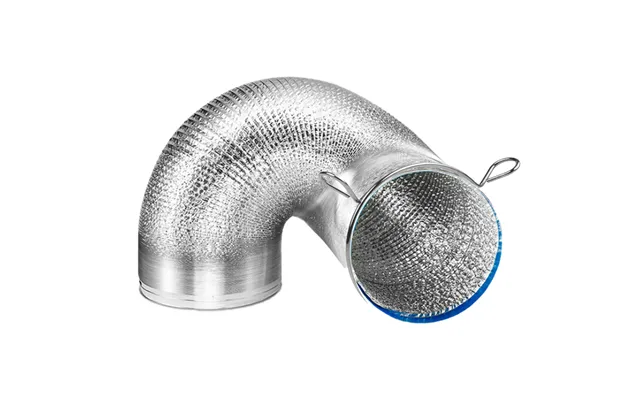
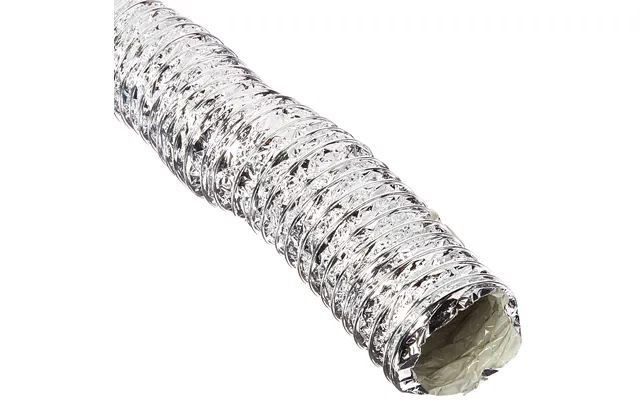
Another AP Products option is the 0133100M Flexi Air Duct. It is listed as a 25-foot length with a 4-inch diameter and metalized polyester, 2-ply construction. The reference price is $19.12. Because it has a larger listed diameter than the AP Products 013-665, it belongs in a different comparison group even though both products are flexible and offered in 25-foot lengths.
Start by measuring the route rather than guessing. Include the distance between connection points and allow enough room to attach the duct securely. A long, loose loop may look convenient, but a shorter and smoother route is often easier to manage.
Next, check the diameter of the blower outlet, machine port, or vent opening. A duct should not be selected by length alone. The 2-inch AP Products duct and the 4-inch AP Products duct are not interchangeable simply because both are 25 feet long.
Finally, inspect the finished route. Look for sharp folds, pinched areas, and loose connections. Air should have a clear path, much like water flowing through a clean pipe. Small restrictions can become more noticeable as the duct run grows.
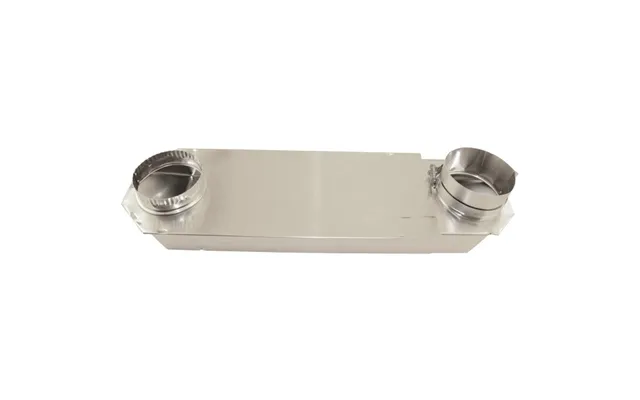
The Builders Best 010153 Saf-T-Duct Periscope is listed as a dryer vent duct that adjusts from 18 inches to 29 inches. Its comparison price is $35.12. The adjustable range makes this product distinct from the longer flexible ducts in the list.
A periscope-style dryer vent can be useful when the dryer and wall connection are close together but do not line up perfectly. Instead of creating a large loop behind the appliance, an adjustable connector can help organize the space. The listed adjustment range is important, so measure the gap before comparing this product with other duct options.
Dryer ventilation deserves careful attention because the route must remain clear and properly connected. Avoid treating a dryer vent like a general-purpose air duct. Confirm that the selected product is suitable for the dryer installation and follow the applicable installation guidance for the appliance and vent system.
The LaserPecker Smoke Exhaust Pipe is designed to remove smoke and fumes during engraving. The supplied description says it is made from tin, has a silver color, and is compatible with LP2, LP2 Plus, LP4, LP5, the standard enclosure, the safety enclosure, the LaserPecker desktop air purifier, and the LaserPecker Cubic Protective Cover.
The listed maximum expansion length is about 70.9 inches, and the listed weight converts to approximately 2.1 pounds. The product is priced at $20.99 in the reference offer. Its stated purpose is to support a cleaner engraving workspace and improve visibility by directing smoke away from the operating area.
If you engrave indoors, smoke management becomes part of the overall workspace design. The exhaust pipe is one component, not a complete ventilation strategy by itself. Check the compatibility information carefully, make sure the route leads to an appropriate exhaust arrangement, and keep the path free from unnecessary bends or obstructions.
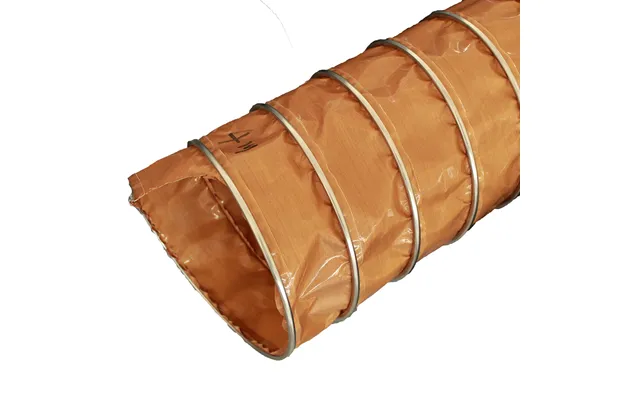
The reference data also includes a high-temperature HVAC air conditioner vent duct described for industrial-strength hospital and chemical ventilation applications. The listing identifies it as a 1-meter product, which is approximately 3.3 feet, and shows a price of $66.89.
Because this product is presented for specialized ventilation environments, it should be evaluated more carefully than a basic flexible duct. Temperature resistance, chemical compatibility, connection method, and installation conditions may all matter. The supplied data does not provide a full material specification or detailed operating limits, so review the complete listing information before treating it as suitable for a demanding application.
Specialized ventilation is not the place for guesswork. If the duct will carry hot air, fumes, or chemical vapors, consider the conditions it will face continuously, not just during a short test. The right product must match the application, the equipment, and the surrounding safety requirements.
For compact 12V blower applications, the Johnson Pump 66302 stands out in the supplied data with 158 CFM and a listed price of $43.12. The Jabsco 35515-0010 offers 105 CFM at 12V for $122.12, while the Jabsco 36740-0000 lists 150 CFM at 12V for $188.12.
For higher listed airflow, the Jabsco 35770-0092 and Jabsco 36770-0115 both provide 250 CFM. The first is listed as a 12V model at $279.12, and the second is listed as a 115VAC model at $443.12. The Rule 240 is another 4-inch in-line blower listed at $48.12, but the reference data does not state its airflow or voltage.
For ducting rather than powered ventilation, the AP Products 013-665 provides a 25-foot, 2-inch flexible duct at $23.12. The AP Products 0133100M provides a 25-foot, 4-inch flexible duct with metalized polyester, 2-ply construction at $19.12. Builders Best offers the adjustable 18-inch-to-29-inch Saf-T-Duct Periscope at $35.12.
For engraving exhaust, the LaserPecker Smoke Exhaust Pipe is listed at $20.99. For the specialized HVAC option, the high-temperature industrial ventilation duct is listed at $66.89 for approximately 3.3 feet. These products serve very different purposes, so price comparisons are most meaningful within the same use category.
Begin with the job. Are you moving air through a compact ventilation route, exhausting engraving smoke, connecting a dryer, or handling a specialized HVAC environment? The answer immediately removes several unsuitable options from consideration.
Then confirm diameter, power, airflow, and length. A 3-inch blower and a 4-inch duct may require an adapter or may not be appropriate together at all. Similarly, a 12V blower is not automatically suitable for a 115VAC installation.
Also consider the physical environment. Will the duct experience heat, fumes, moisture, vibration, or limited space? The product descriptions support some specific uses, but they do not provide every technical detail needed for every installation. Use the listed information as a comparison starting point, then verify the full specifications.
The current comparison data shows a broad range of listed prices, from $19.12 for the AP Products 0133100M to $443.12 for the Jabsco 36770-0115. A lower price can be appealing, but the least expensive item is not necessarily the right match for your project.
Instead, compare price alongside airflow, voltage, diameter, material, length, and intended use. Imagine buying shoes based only on price while ignoring size. The number may look good, but the result will not serve you. Air duct components deserve the same practical approach.
Before installation, inspect the duct or blower for visible damage and verify that the connections match. Keep the route as direct as practical, support flexible sections where needed, and avoid crushing the duct. A clean installation makes future inspection easier.
For blowers, check that the mounting location is appropriate and that the power source matches the listed requirement. For ducting, examine joints and connection points periodically. Dust, debris, kinks, and loose fittings can all undermine performance.
Maintenance needs vary by product and application. A smoke exhaust route may need regular attention because residue can accumulate, while a dryer vent should be checked as part of responsible appliance care. Follow the relevant product instructions and local requirements rather than relying on a one-size-fits-all schedule.
The best air duct or ventilation blower is the one that fits your specific system, not simply the one with the biggest airflow rating or lowest price. The ZoneOffer comparison data includes compact 12V blowers, 115VAC ventilation equipment, flexible ducts, a dryer vent periscope, a LaserPecker smoke exhaust pipe, and a specialized high-temperature HVAC duct. Compare each option by application, diameter, power, capacity, material, and length. With those details in view, you can narrow the field confidently and choose a component that works with your ventilation plan.