


Smoke & Carbon Monoxide Detectors price list
Last updated Thursday, Oct 29, 2026





View 11 Offers
Loading...
Last updated Thursday, Oct 29, 2026
A dependable smoke and carbon monoxide detector is one of the simplest ways to improve safety at home, in a vehicle, or aboard a boat. Smoke can spread quickly, while carbon monoxide is invisible and difficult to detect without the right sensor. The products in this comparison include standalone carbon monoxide alarms, smoke and CO combination detectors, Wi-Fi-connected models, and specialized marine units.
ZoneOffer is a comparison site that helps you review available products and prices from different sellers. It is not a store, so you should check the individual listing for the latest product information before making a purchase. With that in mind, let’s explore the options and the features that may matter most for your space.
Smoke detectors and carbon monoxide alarms perform different jobs, even when they look similar. A smoke detector is designed to respond to smoke from a fire, while a carbon monoxide detector monitors for a dangerous gas produced by incomplete combustion. A combination unit can cover both hazards in one device.
Think of these alarms as an early-warning team. One watches for signs of fire, another looks for carbon monoxide, and a combination model does both. Choosing the right setup depends on where you plan to install it, what fuel-burning equipment is nearby, and whether you want app-based notifications.
For a typical home, a combination smoke and CO detector may be convenient because it brings two safety functions together. In a boat or other specialized environment, however, a marine-rated product may be more appropriate. The product descriptions in this selection include both household-focused smart devices and 12V marine alarms.
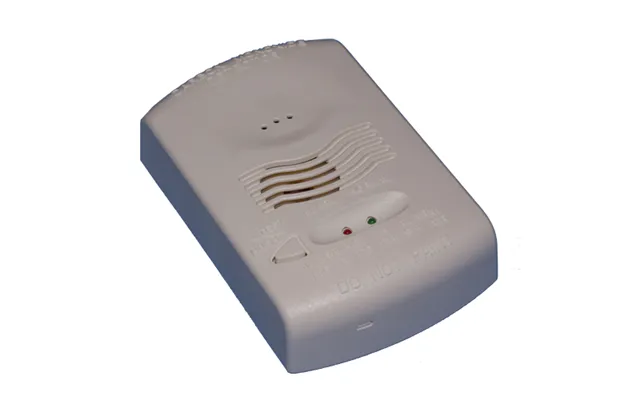
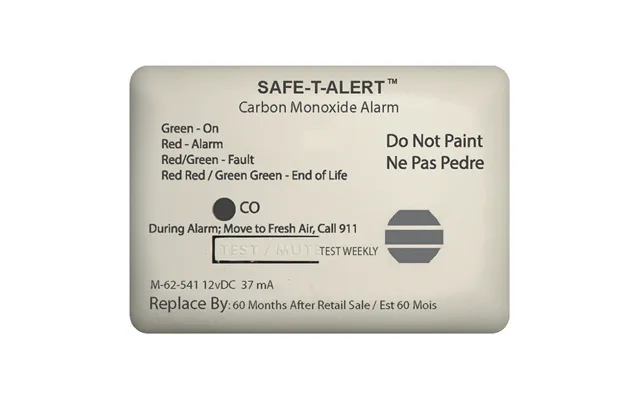
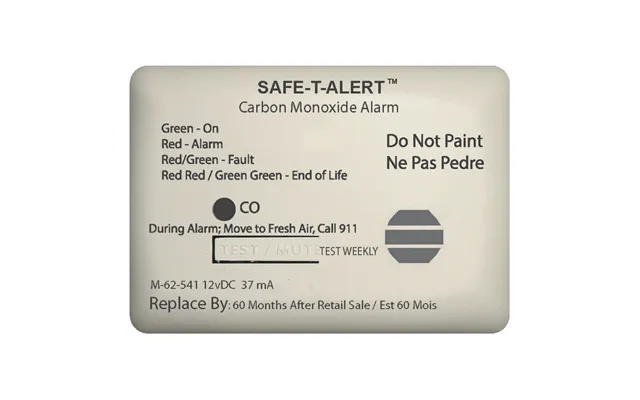
The Safe-T-Alert range includes several 62 Series carbon monoxide alarms designed for 12V applications. The Safe-T-Alert 62-541-WT-Marine is a white, surface-mount carbon monoxide alarm listed at $58.12 from The Twister Group. Surface mounting may suit installations where the alarm is attached directly to an accessible wall or panel.
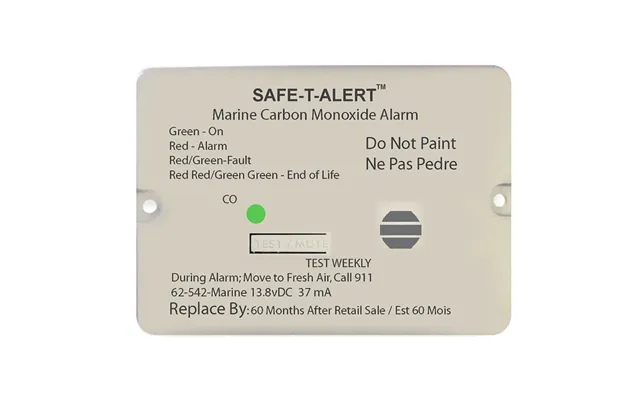
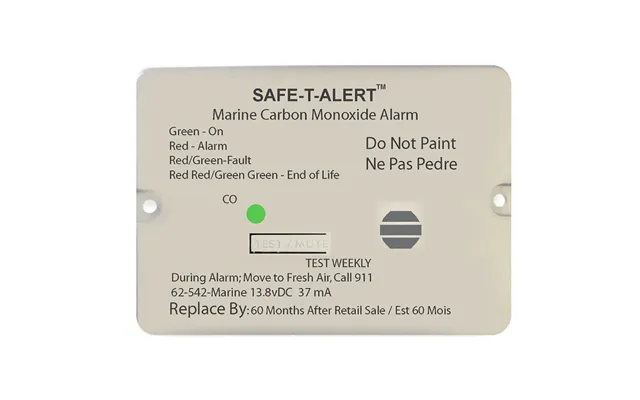
Another option at the same listed price is the Safe-T-Alert 62-542-Marine-WT. This white model is described as a flush-mount 12V carbon monoxide alarm. Flush mounting can create a more integrated appearance when the installation area is designed to accommodate the alarm housing.
The comparison also includes two relay-equipped models: the Safe-T-Alert 62-541-Marine-Rly-NC and the Safe-T-Alert 62-542-Marine-Rly-NC. Both are listed at $58.12. The first is described as a surface-mount unit, while the second is a flush-mount unit. Their relay designation may make them worth examining for setups that need an alarm interface, but you should review the manufacturer’s technical documentation to confirm compatibility.
Surface-mount and flush-mount designs solve the same basic detection problem in different ways. A surface-mount alarm is generally installed on top of a wall, ceiling, or panel. A flush-mount alarm is intended to sit more closely within the mounting surface. Which style works best depends on the available space and the existing installation.
Before choosing one, inspect the location carefully. Is there room behind the panel? Do you need a simpler installation? Would a visible housing be acceptable? These practical questions can be more important than appearance because an alarm must be installed correctly to be useful.
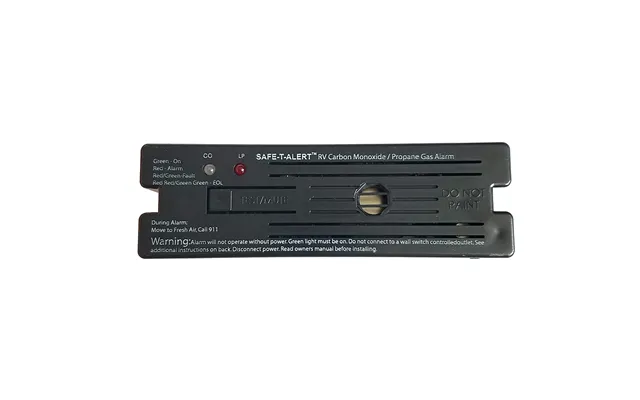
The Safe-T-Alert 35-741-BL is described as a combination carbon monoxide and propane alarm with a black surface-mount design. It is listed at $71.12 from The Twister Group. This type of product may be relevant in environments where both carbon monoxide and propane are concerns.
A combination gas alarm can simplify equipment selection by bringing multiple detection functions into one device. However, you should still read the product specifications carefully and confirm that the alarm is suitable for your intended room, vehicle, boat, or installation environment.
Its black finish may also be useful where a darker housing blends better with the surrounding panel or interior. That is a design detail, but it can affect how naturally the alarm fits into a space. The key priority remains correct placement, power compatibility, and regular testing.
The Maretron CO-CO1224T carbon monoxide detector is listed for the SIM100-01 and priced at $242.12 through The Twister Group. Because the listing identifies a specific system connection, this product should be considered carefully by shoppers who already use compatible Maretron equipment.
Specialized detectors often make the most sense when you are expanding an existing monitoring system rather than starting from scratch. If you need a replacement or an additional sensor for a compatible setup, checking the model number is essential. A product that appears similar may not work with the system you already have.
At the listed price, this Maretron model is higher than the Safe-T-Alert options in the same selection. That does not automatically make it better or worse; it simply reflects a different product context. Compatibility should lead the decision, especially for equipment connected to a broader marine or monitoring system.
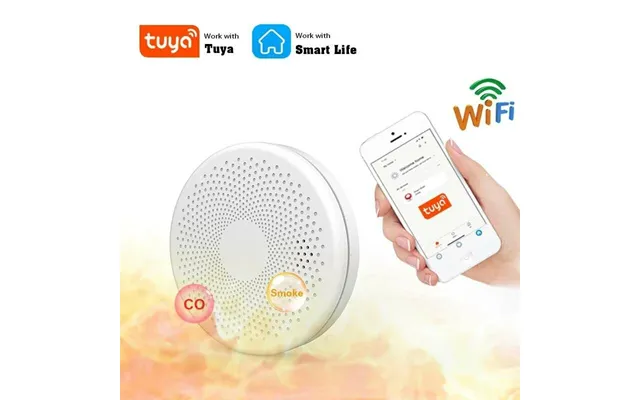
Smart detectors add remote monitoring to traditional alarm functions. The RSH 2-in-1 Wi-Fi smoke and carbon monoxide detector is listed at $38.24 from Banggood.com. Its description says it can detect smoke and carbon monoxide, connect with Tuya or Smart Life, and send notifications to a smartphone through a home Wi-Fi connection.
The listing also describes an 85 dB alarm and an app-based silence function. These features may be helpful when you want to receive an alert while away from home or mute an alarm caused by a temporary nuisance source. You should still treat every alarm seriously and investigate the cause rather than relying only on a silence feature.
The RSH model is described as using a photoelectric smoke sensor and an electrochemical carbon monoxide sensor. It also includes a Bluetooth module to help with Wi-Fi connection setup. Because the product depends on wireless configuration, check your network requirements and follow the supplied instructions during installation.
Smart features can be useful, but they introduce extra considerations. Look at the required app, the type of Wi-Fi connection, the power source, and the setup process. A detector that cannot connect reliably may not provide the remote notifications you expect.
You should also consider who will use the device. An app can be convenient for people who want phone alerts, while a simpler alarm may be preferable for someone who does not want another connected household product. The loud local alarm remains important because phone notifications should not replace an audible warning inside the property.
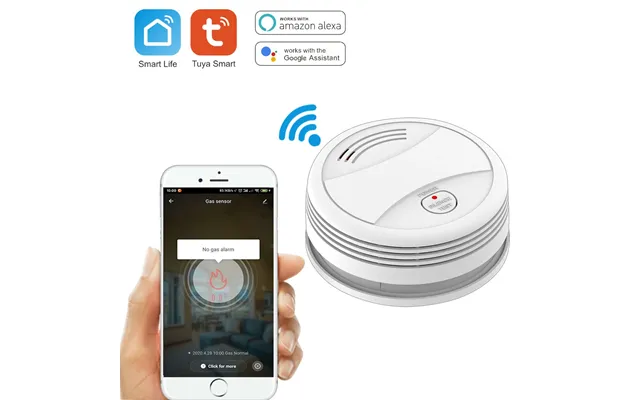
The PGST Wi-Fi Tuya Smart Smoke Detector is listed at $29.24 from Banggood.com. The listing describes an 80 dB alarm, a DC 9V alkaline battery power supply, a low-battery alert, and compatibility with the Tuya Smart app. The battery is not included according to the product information.
This model focuses on smoke detection and smart connectivity rather than the combined smoke-and-carbon-monoxide function found in the RSH product. That difference is important. If you want protection from both hazards, compare the detection type carefully instead of assuming that every smart smoke alarm also detects carbon monoxide.
The description includes a test function and an app-based Wi-Fi configuration process. It also states that the alarm can be muted during an alarm condition while the LED continues to indicate status. As with any connected device, follow the installation instructions and test the alarm after setup.
Remote alerts are appealing because they can give you information when you are not in the building. Still, the foundation of a useful alarm is straightforward: the correct detection type, a suitable power source, proper installation, and regular testing.
Ask yourself a simple question: do you need a phone notification, or do you mainly need a reliable local alarm? If the answer is both, a smart model may fit your priorities. If you only need local warning, a connected model may add complexity that you do not require.
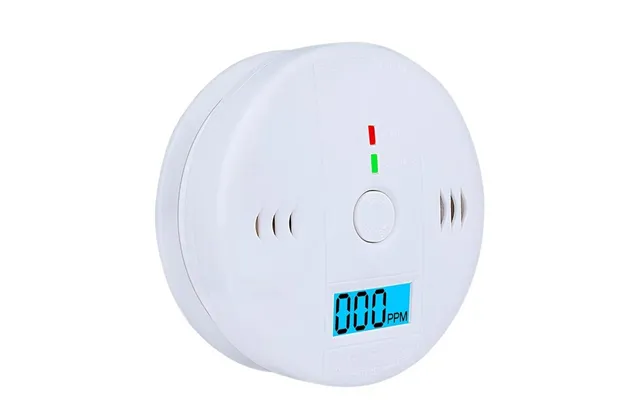
The Voghion carbon monoxide detector is listed at $11.16. Its description identifies an 85 dB warning siren and an LCD indicator. An LCD can make it easier to view displayed information, while the siren provides an audible alert when the detector activates.
This product is presented as a carbon monoxide detector rather than a smoke-and-CO combination unit. That distinction matters when planning coverage. If your goal is protection against both fire smoke and carbon monoxide, you may need a separate smoke detector or a combination model in addition to a standalone CO alarm.
At the listed price, this is one of the lower-cost carbon monoxide options in the comparison. Price is only one part of the decision, though. Consider the intended location, power requirements, installation method, testing process, and whether the display and siren match your needs.
Start with the hazard you want to monitor. For smoke protection alone, the PGST smart smoke detector may be relevant. For smoke and carbon monoxide together, the RSH 2-in-1 model is the more directly matched option in this selection. For carbon monoxide in a 12V marine setup, the Safe-T-Alert models or the Maretron detector may deserve closer review.
Next, consider the environment. A household bedroom, a utility area, a boat, and a vehicle may require different product characteristics. The listings specifically identify several Safe-T-Alert products as marine models, while the Maretron listing references the SIM100-01 system. Do not select a specialized product without confirming that your installation matches its intended use.
Finally, think about the user experience. Would a phone alert be valuable? Do you prefer a visible LCD? Is a black or white housing more suitable? Do you need surface mounting or flush mounting? These details work like pieces of a puzzle; the best choice is the one that fits the whole picture.
Before installing any detector, read the product instructions and identify the correct mounting location. The listing data provides product features, but it does not specify a universal placement plan for every home or vessel. Installation requirements can vary by model and environment.
Keep the alarm accessible for testing and maintenance. Avoid hiding it behind furniture or placing it where its sound may be blocked. For smart devices, complete the app connection before finalizing the installation so you can verify that the detector communicates properly with your phone.
For 12V products, confirm the electrical requirements before connecting the alarm. The Safe-T-Alert marine listings identify 12V operation, and the Maretron product is associated with a specific system. If you are uncertain about wiring or compatibility, use qualified assistance rather than guessing.
An alarm is not a “fit it and forget it” product. Test it according to the manufacturer’s instructions, check for low-battery warnings, and keep the device free from dust or obstructions. Smart alarms should also be checked in the app to confirm that notifications are still working.
Pay attention to unusual alerts. A nuisance alarm may have a simple cause, but silencing it without investigating can create risk. The RSH listing mentions app-based silencing, and the PGST listing describes a mute function. These features are convenient, yet they should be used carefully and only after you understand why the alarm activated.
When replacing a detector, compare the new model with the old installation. A surface-mount unit may not replace a flush-mount unit without changes, and a smoke-only alarm does not provide the same coverage as a smoke-and-CO model. Matching the product to the existing setup can save time and prevent coverage gaps.
The offers span a broad price range. The Voghion carbon monoxide detector is listed at $11.16, while the Alibaba Ventomax product is listed at $7.80. The PGST Wi-Fi smoke detector is listed at $29.24, and the RSH combination Wi-Fi detector is listed at $38.24.
The Safe-T-Alert 62 Series models are each listed at $58.12. The Safe-T-Alert 35-741-BL combination carbon monoxide and propane alarm is listed at $71.12. The Andeman professional smoke leak detector is listed at $98.65, and the Maretron CO-CO1224T is listed at $242.12.
These prices come from the supplied comparison data and may change. They should be used as a starting point rather than a guarantee. More importantly, not every product serves the same purpose. The Alibaba Ventomax listing describes an automatic window vent opener, and the Andeman listing describes a car smoke leak tester, so neither is a conventional household smoke or carbon monoxide alarm.
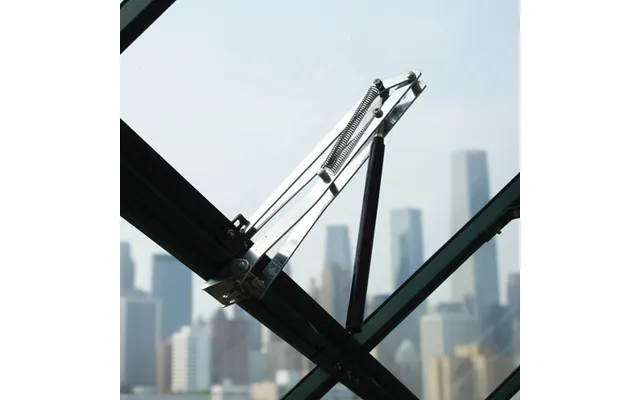
The Alibaba Intelligent Home Automation Smoke Ventomax Vent Opener is listed at $7.80. Its description refers to an automatic window vent opener with solar power. Although the title includes the word “smoke,” the provided information describes a ventilation opener rather than a smoke detector or carbon monoxide alarm.
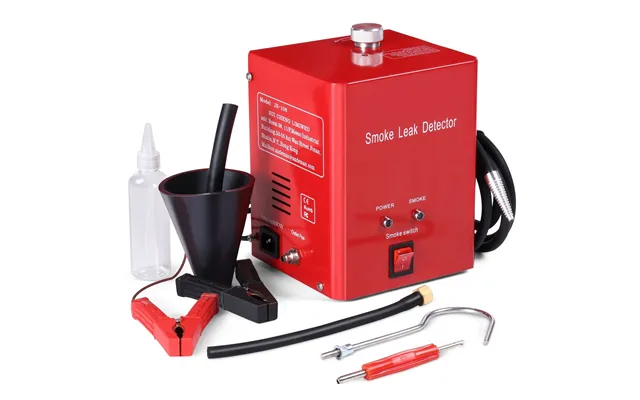
The Andeman Professional Smoke Leak Detector is listed at $98.65 from Banggood.com. Its description identifies it as a tool for finding smoke leaks during car maintenance. It is not presented as a home fire alarm or a household carbon monoxide detector.
These examples show why reading the full product description matters. Search terms can overlap, but similar words do not always mean similar functions. Before buying, confirm whether the product detects smoke in a room, monitors carbon monoxide, tests vehicle systems, or operates ventilation equipment.
A practical setup begins with a room-by-room review. Identify sleeping areas, fuel-burning appliances, enclosed equipment spaces, and any boat or vehicle compartments where carbon monoxide could be a concern. Then decide whether you need smoke detection, CO detection, propane detection, or a combination.
For a connected home, you might compare the RSH combination detector with the PGST smart smoke alarm. For a marine installation, compare the surface-mount and flush-mount Safe-T-Alert models, including the relay versions where relevant. For a compatible Maretron system, examine the CO-CO1224T model and its connection requirements.
Do not choose only by the lowest price. A low-cost product may be suitable for one purpose but unsuitable for another. The right alarm is like the right key: its value comes from fitting the lock, not simply from costing less.
The reference selection includes options for household smoke detection, carbon monoxide monitoring, smart alerts, propane awareness, and specialized 12V marine systems. The Safe-T-Alert models offer several mounting and relay configurations, the RSH model combines smoke and CO detection with Wi-Fi features, and the PGST model focuses on smart smoke detection. The Voghion alarm adds an LCD and siren, while the Maretron unit is aimed at a specific compatible system. Compare the detection type, installation style, power requirements, connectivity, and listed price before choosing. Most importantly, confirm that the product is designed for the environment where you plan to use it.