


Smoke & Carbon Monoxide Detectors - Other price list
Last updated Thursday, Oct 29, 2026





View 5 Offers
Loading...
Last updated Thursday, Oct 29, 2026
Your home can feel safe, quiet, and completely normal while invisible hazards develop in the background. Smoke from a fire may spread quickly, while carbon monoxide has no visible color and can be difficult to notice without a detector. That is why a reliable alarm system acts like an extra set of ears and eyes for your household.
Smoke and carbon monoxide detectors serve different purposes, but combination models bring both functions into one device. Instead of installing separate alarms for every risk, you can consider a dual detector that monitors smoke and carbon monoxide together. The products in this comparison include basic carbon monoxide alarms, Wi-Fi smoke detectors, and smart combination units designed for connected homes.
ZoneOffer is a comparison site, so it helps you review listed products and compare options from different sellers. It is not a store, and product details, prices, and availability should always be checked on the relevant offer page before you make a decision.
A dual detector combines smoke sensing with carbon monoxide monitoring. The smoke function is generally intended to identify particles associated with a fire, while the carbon monoxide function watches for dangerous gas levels. When the device detects a threat, it uses an audible alarm to alert people nearby.
This combination can make household safety simpler. One device may cover two important warning functions, much like a multitool combines several useful tools in one handle. However, you should still read the product description carefully because features vary between models. Some units offer mobile notifications, while others focus on a local siren and display.
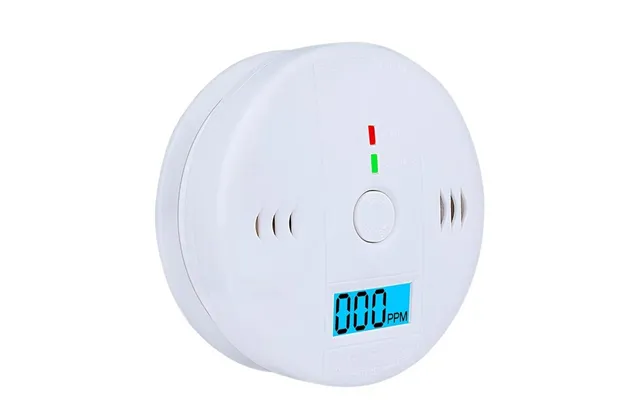
A local alarm warns people who are close enough to hear it. The listed Voghion carbon monoxide detector, for example, is described as having an 85-decibel siren and an LCD indicator. That combination can provide both an audible warning and visible information on the detector itself.
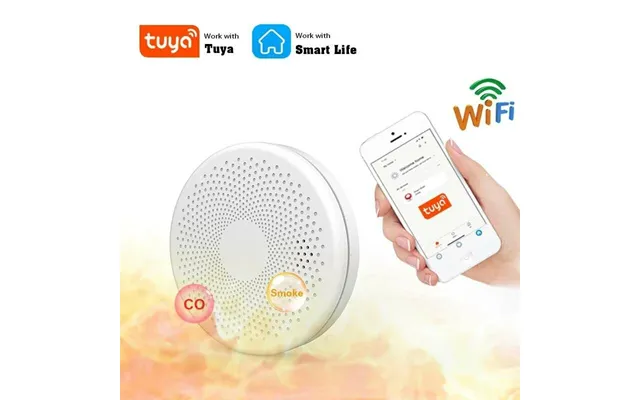
Connected detectors add another layer. The RSH two-in-one smoke and carbon monoxide detector supports Tuya or Smart Life app functions and connects through home Wi-Fi without requiring a separate gateway. According to the listing, the app can send real-time notifications when an alarm is triggered or when the status changes.
The reference data includes several products with different purposes and feature sets. Comparing them side by side is useful because the most expensive or most advanced option is not automatically the right choice for every home.
The Voghion listing describes a carbon monoxide detector with an 85-decibel warning siren and an LCD indicator. Its design focuses on carbon monoxide monitoring rather than combining smoke detection and CO sensing in one listed product.
This type of detector may appeal to shoppers who want a straightforward warning device with a screen. An LCD can make the unit easier to read at a glance, although the reference information does not provide further details about the exact readings or display format. The listed price is $11.16 at the time represented in the supplied data.
The RSH model is described as a smart combination detector for smoke and carbon monoxide. It uses a microprocessor-controlled electrochemical carbon monoxide sensor and an upgraded photoelectric smoke sensor. The listing also states that it can send notifications through the Tuya or Smart Life app.
For connected-home users, remote alerts are the standout feature. If an alarm activates while you are away, a smartphone notification may help you respond more quickly. The product description also says the app can temporarily silence certain nuisance alarms, such as those caused by kitchen fumes or smoking.
The unit is listed with an 85-decibel alarm. The supplied offer price is $38.24 through Banggood.com, with RSH shown as the brand. Because app compatibility and network setup matter, shoppers should confirm that the detector works with their preferred smart-home platform before purchasing.
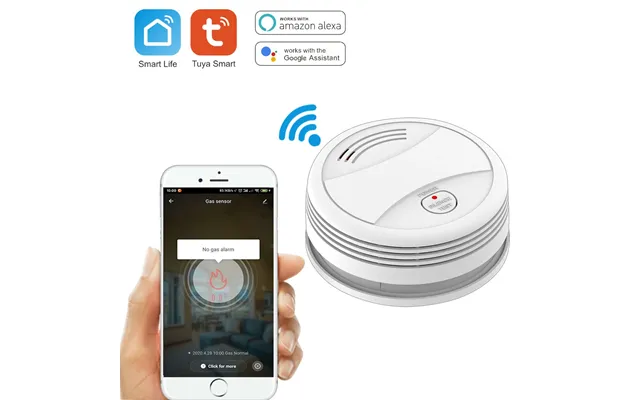
The PGST model is presented as a Wi-Fi smoke detector with an 80-decibel alarm and Smart Life or Tuya app connectivity. Its listing describes a battery-powered design and a mobile setup process that involves adding the detector through the app and connecting it to a home Wi-Fi network.
The product includes features such as a low-battery alert, a test function, and a mute function. The listing says that pressing the test button can trigger a sound and light alarm for testing, while the mute function can silence the buzzer during an alarm state. These controls can make routine testing and temporary silencing more convenient.
The listed price is $29.24 through Banggood.com, and PGST is shown as the brand. Since the reference data identifies this model as a smoke detector rather than a dual smoke and carbon monoxide detector, it should not be treated as a substitute for a dedicated CO alarm unless the seller’s current information confirms otherwise.
Smart functions can make a detector more useful, particularly for people who spend time away from home. The RSH and PGST listings both describe app-based connectivity, although their product functions differ. A connected detector can provide status changes and alarm notifications through a smartphone instead of relying only on sound inside the property.
Remote notifications are especially appealing in larger homes, second homes, or households where nobody may be near the detector at all times. Still, smart features should support—not replace—the local alarm. A phone notification depends on setup, power, Wi-Fi, and app operation, while an audible siren provides an immediate warning in the room.
The PGST listing provides a setup sequence involving the Tuya Smart app, a Wi-Fi connection, and a configuration mode activated with the test button. The RSH listing also refers to Tuya and Smart Life compatibility and says that no gateway is needed for its Wi-Fi connection.
Before choosing a smart detector, ask yourself a practical question: will everyone in the household be able to manage the app? If the answer is uncertain, prioritize a loud local alarm and simple test controls. Smart features are valuable, but they should not make basic safety tasks confusing.
An alarm must be noticeable when it matters. The listed products include an 85-decibel siren on the Voghion carbon monoxide detector and the RSH combination model, while the PGST smoke detector is listed with an 80-decibel alarm. These specifications provide a useful way to compare the advertised alarm output.
Displays and indicator lights can also help. The Voghion model includes an LCD indicator, while the smart models describe light and sound behavior during testing or configuration. A visible status signal may help you recognize whether the unit is operating, connected, or in need of attention.
Simple controls matter just as much as technical specifications. The RSH listing describes app-based silencing, and the PGST listing describes a physical test button and mute function. These features may be useful when you are checking the detector or dealing with a temporary nuisance alarm, but a silenced alarm should never be ignored when the cause is unknown.
Maintenance is the quiet routine that keeps safety equipment ready. The PGST listing specifies a DC 9-volt alkaline battery and notes that the battery is not included. Because battery requirements can affect your total purchase cost and setup time, check the listing carefully before ordering.
The reference data does not provide complete maintenance schedules for every model. You should follow the instructions supplied with the detector and pay attention to low-battery warnings, test functions, and any visible status indicators. A detector mounted on the ceiling is not helpful if its battery has been removed or its warning signal has been ignored.
Regular testing helps you confirm that the alarm produces sound and that the controls work as expected. The PGST model’s listing specifically describes a long press of the test button to trigger a sound and light alarm. The RSH product description also states that its alarm reaches 85 decibels.
When testing, make sure household members recognize the sound and understand what action to take. Think of the test as a fire drill for your detector: the goal is not just to hear a noise, but to build a clear response habit.
Start by identifying the hazard coverage you need. If you want smoke and carbon monoxide monitoring in one unit, the RSH two-in-one detector is the clearest match among the listed products. If your priority is carbon monoxide monitoring with an LCD display, the Voghion detector may be worth comparing.
The PGST model is described as a Wi-Fi smoke detector, making it a potential option for shoppers focused on connected fire detection. However, its listing does not identify it as a carbon monoxide detector. That distinction is important: a smoke-only alarm and a dual smoke-and-CO alarm are not interchangeable.
Consider your technology preferences next. Smart detectors can send mobile alerts and may offer remote status information, but they require app configuration. A conventional detector may be more suitable if you want the simplest possible setup. There is no universal winner; the best choice is the one that matches your home, household, and ability to maintain it.
The supplied data does not specify placement instructions for each product, so always use the individual manufacturer’s guidance when installing a detector. Think about areas where people sleep, spend time, or may not immediately notice a developing hazard. You may also need more than one alarm to provide suitable coverage throughout a home.
Households should also consider people who may have hearing, mobility, or access needs. The RSH listing highlights app-based silencing as a convenience for older adults and people with reduced mobility. Even so, every household should plan how occupants will respond if an alarm activates, whether they are home or away.
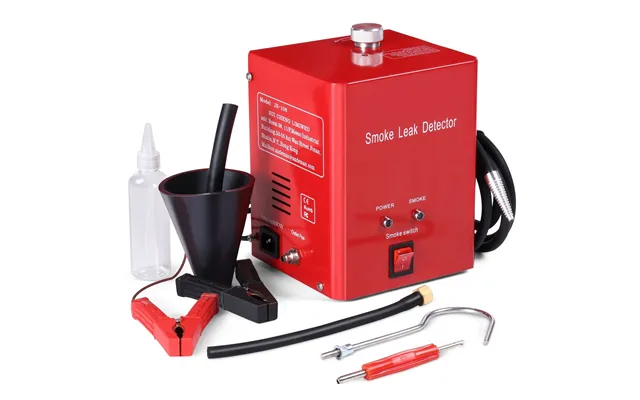
Not every product containing the words “smoke” or “detector” is intended for home fire or carbon monoxide safety. The reference data also includes an Andeman professional smoke leak detector for car maintenance. It is described as a portable tool for locating vehicle smoke leaks, not as a household smoke or CO alarm.
The Andeman unit is listed with an ABS construction, a 12-volt DC power supply, and a detection range from 0.01 to 10 liters per minute in the supplied description. It weighs approximately 7 ounces based on the listed 200-gram specification. These details may interest someone working on a vehicle, but this product should not be used as a replacement for a residential safety detector.
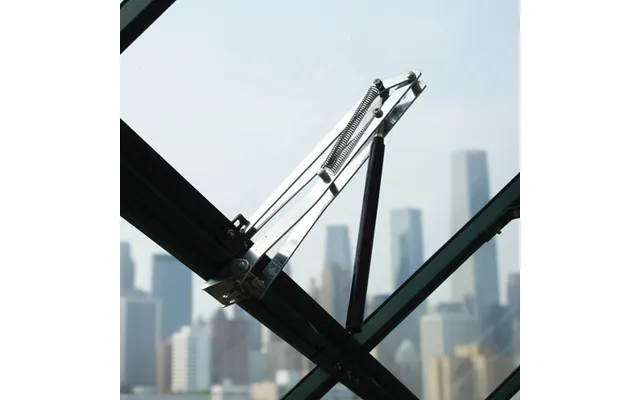
The data also lists an Intelligent Home Automation Smoke Ventomax Vent Opener, described as a solar-powered automatic window vent opener. Its purpose is window ventilation and automation, not smoke or carbon monoxide detection. Product titles can sometimes sound similar, so reading the complete description prevents an expensive misunderstanding.
The listed offers cover a broad price range. The Voghion carbon monoxide detector is shown at $11.16, the PGST Wi-Fi smoke detector at $29.24, the RSH combination detector at $38.24, and the Andeman vehicle smoke leak detector at $98.65. The Ventomax vent opener is listed at $7.80.
Price alone does not reveal which detector offers the best value. A low-cost unit may fit a shopper seeking a basic alarm, while a higher-priced smart combination model may offer app alerts and two types of detection. Compare the product’s purpose, alarm type, connectivity, controls, and required accessories before making a decision.
Because prices and availability can change, treat the figures above as the offer information supplied for this comparison rather than a permanent guarantee. Check the current listing for the latest details before buying.
One common mistake is confusing a smoke detector with a carbon monoxide detector. The PGST listing describes smoke detection and Wi-Fi alerts, while the RSH listing specifically describes both smoke and carbon monoxide detection. Always confirm the exact functions rather than relying on a product title alone.
Another mistake is overlooking setup requirements. Smart devices may need a compatible app, a suitable Wi-Fi network, and a particular configuration process. Battery-powered models may require a battery that is not included. A few minutes spent reviewing specifications can prevent frustration after purchase.
Finally, do not buy a vehicle diagnostic tool for household protection. The Andeman product is designed for car smoke-leak testing, and the Ventomax product is a window vent opener. Both belong to different categories despite containing terminology that may resemble home safety products.
The products in this comparison show how varied the detector market can be. You can compare a basic carbon monoxide alarm with an LCD indicator, a connected smoke detector, or a smart two-in-one unit that combines smoke and CO monitoring. The key is to match the detector’s actual function with the hazard you want to monitor.
For shoppers seeking connected dual protection, the RSH model stands out in the supplied data because it combines smoke and carbon monoxide detection with Tuya or Smart Life support. For smoke-only smart monitoring, the PGST model offers app connectivity and an 80-decibel alarm. The Voghion unit focuses on carbon monoxide detection with an LCD and 85-decibel siren. Review each current offer carefully, maintain your chosen detector, and make sure everyone at home knows how to respond.