
Flood, Fire & Gas Safety - Other price list
Last updated Friday, Sep 25, 2026
| Flood, Fire & Gas Safety - Other | Price |
|---|---|
| Ei30 Fire-rated Inward-opening Window 1 Sash | $2,115.20 |



Loading...
Last updated Friday, Sep 25, 2026
| Flood, Fire & Gas Safety - Other | Price |
|---|---|
| Ei30 Fire-rated Inward-opening Window 1 Sash | $2,115.20 |
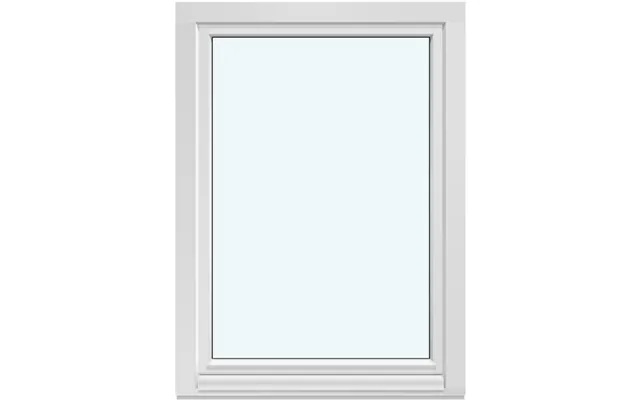
Home safety is rarely about one dramatic purchase. Instead, it is built from thoughtful choices that work together, from alarms and emergency plans to building components designed for added protection. The EI30 Fire-rated Inward-opening Window with 1 Sash is one such option for projects that call for a straightforward fire-rated window design.
This window is listed through bloomcabin at a price of $2,115.20. ZoneOffer is a comparison site, not a store, so the listing is useful for reviewing the product and its available offer details in one place. If you are planning a renovation, new build, or safety-focused improvement, this single-sash design may deserve a closer look.
The defining feature is right in the name: this is an EI30 fire-rated, inward-opening window with one sash. That combination creates a focused design for projects that need the stated fire-rated product type without a complicated multi-section layout.
Think of the window as a carefully edited sentence. It does not try to include unnecessary elements. Instead, the single sash provides a clear visual and functional direction, while the inward-opening configuration keeps the design distinct from outward-opening alternatives.
The product description also highlights a clean architectural profile and good energy efficiency. These qualities can matter when safety needs to fit naturally into the broader appearance and comfort goals of a building.
A sash is the section of a window that forms the moving or framed part of the unit. In this product, the design uses one sash. That gives the window a simple, balanced appearance rather than a divided look.
Why might that matter? A single-sash format can be easier to coordinate with an architectural plan that favors clean lines. Instead of several sections competing for attention, the window presents one focused opening and one defining visual element.
Many building designs rely on uncluttered shapes and carefully controlled details. The one-sash format can support that style by keeping the composition visually calm. It may suit plans where the window needs to perform its intended role without becoming an overly decorative feature.
The reference information describes the proportions as balanced and the profile as clean. While the best appearance will depend on the surrounding architecture, those characteristics make the product relevant to projects that favor a streamlined finish.
More sections are not always better. Additional divisions can change the way a window looks and how it relates to the rest of a facade. A single sash offers a direct alternative for anyone who prefers a concise design.
It can also make the visual planning process more straightforward. You can consider the window as one architectural feature rather than trying to coordinate several internal divisions with nearby doors, walls, or other openings.
An inward-opening window opens toward the interior side of the building. This is an important design characteristic because the opening direction affects how the window relates to indoor space, furniture, circulation, and nearby architectural features.
Before choosing any inward-opening window, it is wise to consider the available room around it. Could the sash interfere with furniture? Would it affect a walkway? Does the planned interior arrangement leave enough space for comfortable operation? These are practical questions worth answering during the planning stage.
An inward-opening design should be considered alongside the room layout, not as an afterthought. Marking the likely swing area on a plan can help you visualize how the window will interact with the space.
You may also want to think about curtains, blinds, shelves, desks, and other features near the opening. The reference data does not provide specific clearance requirements, so those details should be confirmed with the appropriate project professional before installation.
The window’s inward-opening arrangement can be part of a larger architectural strategy. In a safety-focused project, the window must fit both the appearance of the building and the practical needs of the room.
That is where the product’s simple shape can be helpful. A clean, single-sash window may blend more easily into a design that already uses restrained lines and balanced proportions.
The product is described as EI30 fire-rated. The reference information identifies this as the stated fire-rated product type, making it relevant to projects where that specification is required.
However, a product name alone should not replace professional planning. Fire safety depends on the complete building design, including surrounding construction, installation, regulations, and the way other components work together. Always verify that the window is suitable for your specific project requirements.
It is helpful to think of fire-rated components as pieces of a larger safety puzzle. One piece can be important, but the whole picture depends on how every part is selected and installed.
If your plans call for an EI30 fire-rated window, this product may be worth comparing against your project specification. Start by confirming that the stated rating matches the requirements supplied by your architect, builder, inspector, or other qualified professional.
You should also review the surrounding wall assembly and intended installation conditions. The available reference data does not list installation instructions, certification documents, or regulatory approvals, so those items should be checked separately before making a final decision.
The product description states that the window is designed to support good energy efficiency and contribute to a comfortable indoor environment through seasonal changes. That makes it relevant not only to safety-focused projects but also to plans that consider everyday comfort.
A window is part of the building envelope, so its role extends beyond appearance. The right design can help support a more comfortable room, while the wrong choice may conflict with broader performance goals. Because the reference data does not provide technical energy ratings or test values, it is best to treat the efficiency statement as a product description rather than a complete performance specification.
Home improvement decisions often involve trade-offs. You may want fire-rated construction, an attractive profile, an inward-opening arrangement, and energy-conscious performance at the same time. This product is presented as addressing those goals in a compact format.
The key is to compare the window with the needs of your project. Does the design fit the opening? Does the sash arrangement suit the room? Does the stated fire-rated type align with the required plan? Asking these questions can prevent an attractive product from becoming a poor technical match.
The reference description notes that available material and finish choices can help coordinate the window with the surrounding architectural character. It does not specify the exact materials or finishes, so you should confirm the available options before ordering.
Even a safety product can influence the personality of a building. A window with clean lines may support a modern appearance, while the final finish can help it relate to nearby walls, trim, doors, or other exterior details.
Consistency is often what makes a building look intentional. When window profiles, colors, and proportions work together, the facade can feel calm rather than pieced together.
The one-sash design may be useful where visual simplicity is the goal. It gives you one clear form to coordinate with the rest of the facade instead of several smaller sections that may create a busier appearance.
Do not forget the room side of the window. An inward-opening design becomes part of the interior scene whenever it is opened. The surrounding trim, furnishings, wall colors, and window treatments can all affect how the finished installation feels.
Before committing, consider how the window will look from inside as well as outside. A good match should feel natural from both perspectives.
This product may appeal to property owners, designers, builders, and renovation planners working on projects that call for an EI30 fire-rated window in a single-sash format. Its straightforward configuration could be particularly relevant when a clean architectural profile is preferred.
It may also suit anyone comparing safety-related building components while trying to maintain a comfortable and polished living environment. The product description connects the window with fire-rated requirements, energy efficiency, balanced proportions, and a simple inward-opening design.
Still, suitability depends on the individual project. A professional should confirm whether the product meets the required technical, structural, and regulatory conditions for your building.
Before comparing this window with other options, write down the details that matter most. What fire-rated specification does the project require? Is an inward-opening configuration practical in the intended room? Is a single sash the right visual and functional choice?
You should also ask what documentation is available, what installation conditions apply, and which material or finish choices can be selected. The reference data does not provide those details, so they should be confirmed through the relevant product and project channels.
Measure the planned opening using the guidance of a qualified professional and confirm that the design can be installed correctly. The reference data does not provide window dimensions, so no specific opening size should be assumed.
Review the interior swing area as well. An inward-opening sash needs a sensible relationship with furniture, walkways, window coverings, and nearby fittings.
The EI30 description is an important starting point, but it should be matched with the exact project specification. Ask whether the product documentation supports the intended application and whether the installation method must meet particular requirements.
This step is similar to checking a lock before fitting a door: the component may look right, but it must also match the system around it.
The reference listing identifies bloomcabin as the store associated with this offer and shows a price of $2,115.20. No regular price is provided in the reference data, and no discount should be assumed.
ZoneOffer helps users compare product information and offers. It is not the store, manufacturer, installer, or service provider for the window. For the most current product details, specifications, and purchase information, review the applicable listing and confirm everything before making a decision.
The available product information also does not state shipping terms, availability, installation costs, or additional charges. Those details should be verified separately rather than guessed.
A useful comparison should go beyond price. Start with the required fire-rated specification, then examine the opening direction, sash configuration, design profile, energy-efficiency description, and available finish choices.
Next, compare the information each product actually provides. One option may list detailed technical documentation, while another may focus more on appearance. Clear information can make your decision easier because it lets you compare like with like.
Your checklist might include the required rating, opening direction, number of sashes, dimensions, installation requirements, material options, finish choices, and energy-performance documentation. Add any building-code or project-specific requirements supplied by your professional adviser.
Using a checklist turns product research into a calmer process. Instead of relying on first impressions, you can evaluate each option against the same set of needs.
The EI30 Fire-rated Inward-opening Window 1 Sash presents a focused option for projects that call for the stated fire-rated product type, a single-sash layout, and an inward-opening design. Its clean profile, balanced proportions, and described energy-efficiency benefits may make it an appealing choice for safety-conscious architectural plans.
At $2,115.20 through the listed bloomcabin offer, it is a product worth comparing carefully. Confirm dimensions, documentation, installation requirements, materials, finishes, and project compatibility before buying. When safety, appearance, and comfort need to work together, careful planning is the bridge between a promising product and a successful result.