


Varnishes & Finishes price list
Last updated Saturday, Oct 31, 2026
| Varnishes & Finishes | Price |
|---|---|
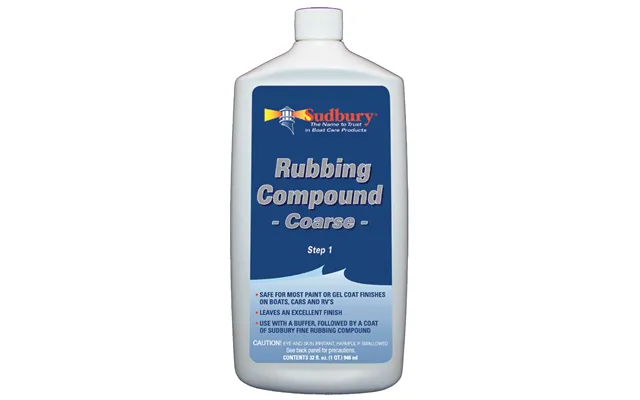
| Sudbury 444 Rubbing Compound Coarse - Step 1 | $23.12 |
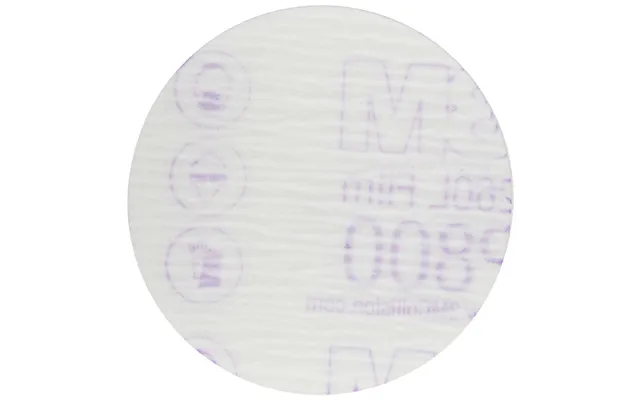
| 3m 00910 Hookit Finishing Film Disc - 3 Inch | $62.12 |





Loading...
Last updated Saturday, Oct 31, 2026
| Varnishes & Finishes | Price |
|---|---|
| Sudbury 444 Rubbing Compound Coarse - Step 1 | $23.12 |
| 3m 00910 Hookit Finishing Film Disc - 3 Inch | $62.12 |
When a surface needs a cleaner appearance, a smoother feel, or a more refined finish, the right consumable can make a noticeable difference. Varnishes and finishes are often associated with the final protective layer, but surface preparation is just as important. A polished result usually begins long before the last coat is applied.
The reference selection includes two products designed for different stages of finishing work: the 3M 00910 Hookit Finishing Film Disc, a 3-inch P800 abrasive disc supplied in a box of 50, and the Sudbury 444 Rubbing Compound Coarse, a Step 1 compound supplied in a 32-fluid-ounce container. They are not identical products, and that is precisely why understanding their roles matters.
Think of a finishing project as preparing a canvas. One product helps refine the surface, while another helps work through the polishing stage. By matching the product to the job, you can approach your project with more confidence and avoid treating every imperfection the same way.
Varnishes and finishes are products used to improve the appearance or surface condition of materials. Depending on the project, a finish may add sheen, create a smoother visual texture, or help complete the look after preparation. The exact method depends on the material, the existing surface, and the product instructions.
Finishing work is rarely a single-step process. A surface may need cleaning, leveling, abrasion, compounding, polishing, and then a final finish. Each stage has its own purpose. Skipping an earlier step can leave later products working harder than necessary.
That is why abrasives and rubbing compounds sit naturally alongside varnishes and finishes. They help prepare or refine the surface before the final appearance is evaluated. If the foundation is uneven, the final result may reveal those flaws rather than hide them.
The 3M 00910 Hookit Finishing Film Disc is listed as a 3-inch disc with a P800 grade and a box quantity of 50. Its format makes it relevant to finishing tasks that call for a fine abrasive disc and a compatible Hookit-style working setup. The reference data identifies the brand as 3M and lists the price as $62.12 from The Twister Group.
The Sudbury 444 Rubbing Compound Coarse is described as a coarse compound marked “Step 1.” It is supplied in a 32-fluid-ounce container. The reference data identifies the brand as SUDBURY and lists the price as $23.12 from the Twister Group.
These descriptions point to different uses. The 3M disc is an abrasive finishing consumable, while the Sudbury product is a coarse rubbing compound intended for an initial compounding stage. Neither should be treated as a universal substitute for the other.
The P800 designation identifies the abrasive grade listed for this disc. In general terms, a grade in this range is associated with fine surface refinement rather than aggressive material removal. That makes it more suited to controlled finishing work than to rapidly correcting a heavily damaged surface.
However, the best abrasive choice always depends on the material and the condition of the surface. A fine disc may be useful when you are trying to create a more uniform foundation, but it may not be the first choice for deep scratches, thick defects, or significant leveling. When in doubt, test on a small, less visible area and follow the relevant product guidance.
A 3-inch disc offers a compact working area. Smaller abrasive formats can be useful when a project involves narrow sections, localized defects, or areas where a larger disc would be awkward. The smaller footprint can also help you focus your work instead of disturbing a wider area than necessary.
At the same time, a compact disc may require more passes to cover a broad surface. That is not necessarily a drawback; it simply changes the pace and technique. Use consistent pressure, avoid lingering in one spot, and keep checking the surface so you do not create an uneven pattern.
The product is listed as a box of 50 discs. A multi-disc pack can be practical for repeated work because it gives you multiple consumables for a project or future tasks. It also lets you replace a disc when its performance drops instead of continuing with an abrasive that is no longer producing an even result.
Remember that actual disc usage varies. The condition of the surface, the size of the project, the pressure applied, and the working method can all affect how long an abrasive remains useful. Treat the quantity as a planning detail rather than a guaranteed project capacity.
The Sudbury 444 is identified as a coarse rubbing compound and Step 1 product. In a multi-stage finishing process, a coarse compound is generally used earlier, where the goal is to address surface imperfections before moving to finer refinement.
Because this is described as Step 1, it should be viewed as part of a broader process rather than the final answer for every finish. A coarse compound may leave a surface that still needs additional refinement. The next stage depends on the material, the desired appearance, and the instructions associated with the complete finishing system.
The product is supplied in a 32-fluid-ounce size. This gives you a clearly defined container volume for planning and storage. As with any compound, the amount used will depend on the working area and the technique. Applying more product than necessary does not automatically improve the result.
Use a controlled amount and spread it evenly according to the product instructions. Too much compound can make the work messy and harder to assess, while too little may not provide enough coverage. The goal is steady, observable progress rather than covering the surface with excess material.
The simplest way to compare these products is to ask what the surface needs next. Does it need fine abrasive refinement, or does it need an initial coarse compounding step? The 3M disc and Sudbury compound belong to different parts of a finishing workflow.
The 3M 00910 is the more relevant option when your task calls for a P800 finishing film disc in a 3-inch format. The Sudbury 444 is the more relevant option when you need a coarse Step 1 rubbing compound. Choosing based on the process stage can prevent a common mistake: using a finishing product when the surface still needs correction, or using a coarse product after the surface already needs delicate refinement.
It can help to write down your intended sequence before beginning. For example, you might identify the surface condition, select the preparation stage, decide whether an abrasive or compound is appropriate, and then determine whether a later refinement stage is needed. This simple plan acts like a map when the work becomes more involved.
Start by examining the surface under good lighting. Look for scratches, dull patches, residue, uneven texture, or areas that differ from the surrounding material. You cannot choose a sensible finishing approach if you do not first understand the condition of the surface.
Run your hand lightly over the area only when it is safe and appropriate to do so. Visual inspection and touch can reveal different problems. A surface may look acceptable from a distance but feel rough up close, much like a wall that appears smooth until light exposes every small bump.
Keep the surface and surrounding workspace as clean as practical. Loose debris can interfere with abrasive work and may create additional marks. Protect nearby areas from dust, residue, or splatter, and organize your tools before you begin.
Personal protective equipment is also important. Follow the safety information supplied with the specific product, use suitable eye protection, and provide appropriate ventilation when the instructions call for it. Product labels and manufacturer guidance should always take priority over general advice.
A small test area can tell you how the surface reacts to a disc or compound. It can also show whether your pressure, speed, and product amount are appropriate. Testing is especially valuable when the material, coating, or existing finish is unfamiliar.
After the test, wipe or inspect the area as directed and compare it with the surrounding surface. If the result is too aggressive, adjust the method before continuing. A few minutes of testing can prevent a much larger correction later.
Consistency is the quiet skill behind good finishing work. Keep your movement controlled and avoid concentrating on one small spot for too long. Uneven pressure can create uneven results, particularly when using an abrasive disc or a coarse compound.
Work in manageable sections and inspect your progress regularly. This approach prevents you from losing track of where you have worked and where you have not. It is similar to mowing a lawn in straight passes: an organized pattern makes missed areas easier to see.
Use only the amount of product needed for the section. With a disc, replace it when it no longer performs evenly or when the working surface becomes unsuitable. With a compound, keep the application controlled and remove residue as directed so you can judge the surface accurately.
Do not assume that more pressure means faster results. Excessive pressure can affect the consistency of the work and may increase the risk of unwanted marks. Let the abrasive or compound do its intended job while you maintain a steady technique.
A finishing process often progresses from more aggressive correction toward more delicate refinement. The Sudbury 444, described as a coarse Step 1 compound, fits the earlier part of that kind of sequence. The 3M disc, identified as P800, fits a finer abrasive stage when that grade is appropriate for the material and task.
The correct order is not determined by product names alone. Always consider the surface, the instructions, and the result you are trying to achieve. A coarse compound may be unsuitable for a surface that has already been carefully refined, while a fine disc may be inefficient if significant correction remains.
Think of the process like editing a photograph. First, you address the major distractions; then, you refine the smaller details. Trying to perform delicate finishing before the main imperfections are addressed can waste time and produce an inconsistent appearance.
The reference data lists the 3M 00910 at $62.12 and the Sudbury 444 at $23.12. These prices correspond to different product types and formats, so a direct price comparison does not tell the whole story.
The 3M listing covers a box of 50 3-inch P800 discs, while the Sudbury listing covers a 32-fluid-ounce container of coarse rubbing compound. When considering value, think about the quantity supplied, the stage of work, and how often you expect to use the product.
ZoneOffer is a comparison site, so its role is to help you review listed product information rather than act as the seller. The reference data identifies the Twister Group as the store for both listings. Check the current listing details before making a purchase, since product information can change.
One common mistake is selecting a product solely because it sounds “fine” or “powerful.” Product grade and intended stage matter more than broad descriptions. A coarse compound and a P800 disc serve different purposes, and using either at the wrong point can make the work less efficient.
Another mistake is failing to inspect the surface between stages. Residue, dust, and uneven work can conceal the true condition of the material. Clean and assess the area as instructed before deciding whether to continue, refine, or change direction.
It is also easy to rush. Finishing rewards patience because small inconsistencies become more visible as the surface becomes more polished. Slow down, use controlled passes, and make adjustments based on what you actually see rather than what you expected to see.
Choose the 3M 00910 Hookit Finishing Film Disc if your project specifically calls for a 3-inch P800 abrasive disc and you want the listed box quantity of 50. Its role is centered on fine abrasive finishing and surface refinement.
Choose the Sudbury 444 Rubbing Compound Coarse if your project calls for a coarse Step 1 rubbing compound supplied in a 32-fluid-ounce container. Its role is centered on an earlier compounding stage.
If you are unsure which stage your surface needs, begin with an inspection and a small test area. Avoid assuming that both products can be used interchangeably. They may complement different stages of a project, but their listed descriptions clearly point to separate functions.
A successful varnish or finish project starts with the right preparation. The 3M 00910 Hookit Finishing Film Disc offers a listed 3-inch P800 abrasive format in a box of 50, while the Sudbury 444 Rubbing Compound Coarse is a listed 32-fluid-ounce Step 1 product for initial compounding. By matching each product to the correct stage, testing before full application, and working patiently, you can create a more controlled path toward a clean, refined surface. Review the listed details through ZoneOffer, compare the options carefully, and always follow the applicable product instructions.