

Road & Traffic Signs price list
Last updated Saturday, Oct 17, 2026





View 9 Offers

Loading...
Last updated Saturday, Oct 17, 2026
Clear road and traffic signs do more than point the way. They help drivers notice changing conditions, identify work areas, and respond quickly when visibility is limited. Whether you need reflective sheeting, a roll-up construction sign, or materials for producing commercial signage, choosing the right product can make your setup easier to see and understand.
This guide focuses on the road and traffic sign-related offers listed on ZoneOffer, a comparison site that helps you review available products and prices from different sellers. The selection includes reflective vinyl film, pressure-sensitive sheeting, and a reflective work zone sign. It also includes several Route package protection listings, which are checkout-related protection options rather than road signs or sign-making materials.
The main sign-related products fall into three practical groups: reflective film, pressure-sensitive sign sheeting, and finished traffic signage. These categories serve different purposes. Think of them as the ingredients, adhesive layer, and finished message in a visibility system.
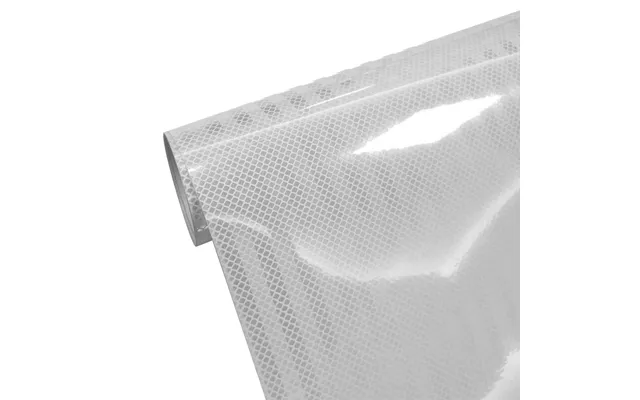
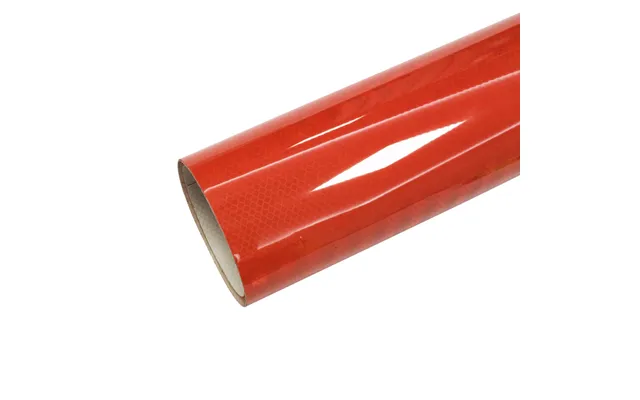
Two listings are reflective sheet materials. One is described as PET acrylic engineering-grade traffic safety sign vinyl film and reflective sheeting. Another is described as factory-price traffic sign road sign pressure-sensitive reflective sheeting sticker paper. These may suit buyers who are creating or applying their own signs, although the reference data does not specify every application, certification, or installation requirement.
The third sign-focused listing is a reflective road work zone control sign featuring a retro flagger symbol and an “Ahead” message. It is described as a reflective vinyl roll-up traffic construction sign, making it the most ready-to-use-looking option in this group.
Reflective sheeting is designed to help sign surfaces stand out when illuminated by headlights or other light sources. That makes it a common material to consider for road-related signs, temporary work-zone messages, and other visibility-focused applications.
The listed PET acrylic product is described as a 1.22-by-45.7-meter roll. Converted to imperial measurements, that is approximately 4.0 feet wide by 150 feet long. The listing identifies it as engineering-grade traffic safety sign vinyl film and reflective sheeting, so its format may appeal to buyers planning a larger sign-making project rather than a single small sign.
The product description also mentions “1M new products” and exclusive perks of up to US $500 off. Because the data does not explain the exact conditions behind that wording, shoppers should review the live listing carefully before relying on any promotion or interpreting the quantity information.
A roll can be useful when you need to cover several sign faces, prepare replacement panels, or maintain material for future projects. Instead of buying one finished sign for every message, you can work from a continuous sheet and cut it to the required size.
However, a roll also places more responsibility on the buyer. You may need to measure, cut, apply, and finish the material yourself. Before comparing options, consider the size of your signs, the number of signs required, the tools available, and the surface where the sheeting will be applied.
The factory-price listing is described as traffic sign and road sign pressure-sensitive reflective sheeting sticker paper. Pressure-sensitive material is generally selected when the adhesive layer is activated by firm contact, but the reference data does not provide detailed application instructions or technical specifications.
This type of product can be attractive for projects where straightforward application matters. It may help simplify the process compared with a material that requires a separate adhesive, but you should still confirm the surface compatibility, finish, durability, and intended use with the seller.
The listed price is US $8.00. The same description mentions “1M new products” and exclusive perks of up to US $500 off. These statements appear in the supplied listing data, but the exact meaning, eligibility, and availability are not explained. Treat them as details to verify rather than guaranteed savings.
Start with the surface. Is it smooth, clean, dry, and suitable for adhesive-backed material? Next, think about the environment. Will the sign be used indoors, outdoors, in rain, in direct sunlight, or near traffic spray? The reference data does not state the product’s weather rating or service life, so those details should be confirmed before purchase.
You should also check the roll width and length, whether the material can be cut cleanly, and whether it is compatible with your printer or sign-making process if you plan to add custom graphics. A reflective surface is only useful when the finished sign remains legible and securely attached.
The reflective road work zone control sign is described as a retro flagger symbol ahead sign made from reflective vinyl in a roll-up traffic construction format. At US $130.00, it is the highest-priced sign-related offer in the supplied data.
A roll-up design can be appealing for temporary work areas because it suggests portability and convenient storage. When a sign needs to be transported between locations, a flexible format may be easier to handle than a rigid panel. Still, the reference data does not specify the sign’s dimensions, mounting method, legal compliance, exact reflective grade, or included accessories.
The wording points to a clear warning message: a flagger or controlled work area is ahead. That kind of sign is intended to communicate quickly, like a visual hand raised before a conversation begins. Its effectiveness depends on placement, visibility, and whether the message fits the conditions where it will be used.
A finished sign is usually the simpler path when you need a specific warning without designing and producing it yourself. The roll-up work zone sign already has a stated symbol and “Ahead” message, which may save preparation time.
Raw reflective material offers more flexibility. With a roll of sheeting, you can create different messages or sizes, subject to the material’s capabilities and your own equipment. The trade-off is that you take on the work of design, cutting, application, and quality control.
Which approach is better? If you need one recognizable work-zone warning, a finished sign may be more convenient. If you need multiple custom signs, reflective sheeting may provide a more adaptable starting point.
The sign-related offers in the reference data include prices of US $1.20, US $8.00, and US $130.00. These prices correspond to different product formats and should not be compared as though they were equivalent items.
The US $1.20 listing is for the PET acrylic engineering-grade traffic safety sign vinyl film and reflective sheeting. The US $8.00 listing is for pressure-sensitive reflective sheeting sticker paper. The US $130.00 listing is for a reflective roll-up road work zone control sign.
Price alone is a poor shortcut here. A large roll of material, a pressure-sensitive sheet product, and a finished construction sign solve different problems. Compare the amount of material, format, stated purpose, and preparation required before deciding which offer fits your project.
For material listings, the key value question is how much usable sign surface you receive and how much work is needed to turn it into a finished sign. A low-priced material may be useful for a small project, while a higher-priced finished sign may be more practical when you need a ready-made warning.
Also check the current listing for information that is not included in the reference data, such as shipping charges, taxes, minimum order quantities, color options, adhesive details, technical standards, and estimated availability. These factors can change the final cost and suitability.
Begin by defining the job. Are you marking a temporary work area, producing custom signs, replacing a damaged panel, or preparing material for several projects? Your answer will quickly narrow the field.
Next, compare the product format. A roll provides continuous material. Sticker paper may be easier to apply, depending on the surface and adhesive. A roll-up finished sign may be easier to deploy and store. Matching the format to the task is like choosing the right tool from a toolbox: the most expensive tool is not automatically the best one.
Then review visibility-related information. The listings use terms such as reflective, traffic safety, engineering grade, and reflective vinyl. These descriptions are useful starting points, but they do not provide every technical detail needed for a compliance decision. If your project is subject to local, state, workplace, or roadway requirements, confirm the applicable standards independently.
Size matters in two ways. First, the sign must be large enough for its message to be noticed in the intended setting. Second, the material must be manageable during transport and installation. The PET acrylic roll is approximately 4.0 feet wide and 150 feet long, so buyers should plan how they will store and handle it.
The roll-up work zone sign may offer a different storage experience because flexible signs can be rolled when not in use. The reference data does not state the storage dimensions, frame design, or mounting hardware, so verify those points in the live product information.
The supplied data identifies product names, descriptions, listed prices, stores, and some brands, but it does not confirm every technical or purchasing detail. It does not provide ratings, customer reviews, sign dimensions for the roll-up product, outdoor service life, color choices, or regulatory approvals.
It also does not establish that any item is currently available for immediate purchase. Prices and listing information can change, so use the comparison results as a starting point and inspect the relevant seller listing before making a decision.
For road-facing or work-zone applications, do not assume that a product is legally suitable simply because its title includes terms such as “traffic safety” or “engineering grade.” Confirm the requirements that apply to your location and project.
Several entries in the reference data are Route package protection products. They are listed at US $0.98, US $3.35, US $4.15, US $5.35, and US $7.15, depending on the offer. The descriptions say Route provides protection for shipments that are lost, broken, or stolen, and that it can be added at checkout.
These are not road signs, reflective films, or construction-sign products. They are optional shipment-protection listings associated with different stores, including Cerqular, xbloom, and Prop Money Inc. The data identifies Pela Case as the brand on the cerqular listing and Route as the brand on several other protection listings.
Because ZoneOffer is a comparison site rather than a store, it does not sell these products directly. If you encounter a Route listing while comparing an item, read its terms on the applicable seller or Route page and decide whether it is relevant to your purchase.
ZoneOffer can help you compare the road and traffic sign-related listings in one place. You can begin with the product type, then evaluate the format and listed price. From there, open the seller’s information to investigate details that are not included in the comparison data.
A practical shortlist might include the US $1.20 reflective film for a roll-based project, the US $8.00 pressure-sensitive reflective sheeting for an adhesive-backed application, and the US $130.00 roll-up work zone sign for a finished warning format. That shortlist is not a recommendation for every project; it simply reflects the different uses described in the listings.
Ask yourself one final question: do you need material to make a sign, or do you need a sign ready to use? That distinction can prevent you from choosing a product that looks affordable but requires more time, equipment, or expertise than expected.
The road and traffic sign offers in this comparison include reflective film, pressure-sensitive reflective sheeting, and a roll-up work zone control sign. The best choice depends on whether you need flexible raw material or a finished warning sign. Compare the format, dimensions, stated purpose, listed price, and installation requirements, then verify technical details directly with the seller. With a careful comparison, you can choose a visibility-focused product that better matches your project instead of judging by price alone.