

Doors - Other price list
Last updated Tuesday, Nov 3, 2026





View 3 Offers
Loading...
Last updated Tuesday, Nov 3, 2026
Choosing the right door can change how a room feels, how an entrance functions, and how a project comes together visually. Whether you are updating a compact access panel, improving outdoor comfort, or planning a statement interior, the details matter. The reference selection includes three very different door-related options: a teak louvered door and frame, a modern outdoor fly screen, and a profiled interior panel door with horizontal and vertical lines.
These products serve different purposes, so comparing them is less like choosing between identical apples and more like selecting the right tool from a toolbox. One may suit ventilation and access, another may help create a barrier against insects, while the third is designed around interior appearance and architectural character. ZoneOffer is a comparison site that helps you review these options; it is not the store selling them.
The featured products cover three useful areas of door design. The Whitecap 60720 is a teak louvered door and frame listed at 1 foot by 1 foot, with a right-hand configuration. The Jindi option is a modern outdoor fly screen made with fiberglass mesh and described as fire resistant. The Bloomcabin design is an interior profiled panel door featuring horizontal and vertical lines.
Prices in the reference data range from $15.99 for the Jindi screen to $3,057.18 for the Bloomcabin interior panel design, while the Whitecap product is listed at $87.12. These price points show how widely door-related products can differ depending on their intended use, materials, design, and project scope.
A door is rarely just a flat surface that opens and closes. It can influence airflow, privacy, visual balance, access, and the overall mood of a space. A louvered design suggests ventilation and utility, a fly screen focuses on outdoor comfort, and a decorative panel door can act almost like built-in architecture.
Before selecting a product, ask yourself a few simple questions. Do you need a complete door and frame, or only a screen? Is the product meant for a small opening, an outdoor entrance, or an interior project? Are you prioritizing function, design, or a mixture of both?
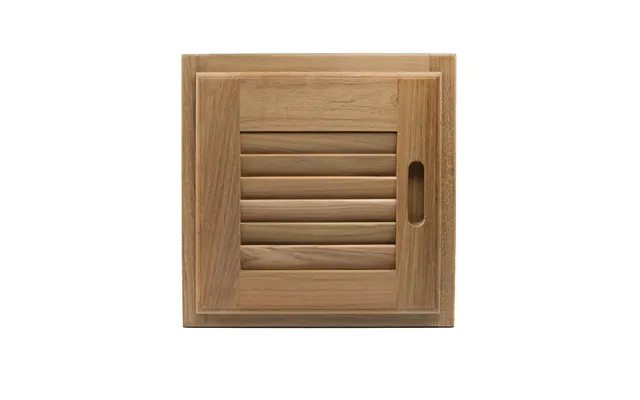
The Whitecap 60720 teak louvered door and frame is listed in a 1-foot by 1-foot size and has a right-hand configuration. It is associated with the WHITECAP brand and is offered through The Twister Group at $87.12 in the supplied data.
Its louvered format gives the product a distinct character. Louvers are commonly associated with airflow and a practical, functional appearance, while teak brings a warm wood aesthetic. Together, those features can make the door suitable for projects where a small access point needs more personality than a plain solid panel.
The right-hand description is an important detail to check before choosing this product. Door handing affects how the door is oriented and how it operates within its opening. If you are replacing an existing door or planning a new installation, compare the listed handing with the layout of the surrounding space.
Think of this step like checking the swing of a cabinet door before installing it beside a wall. A small mismatch can affect usability, even when the product itself looks right. Confirm the opening, surrounding clearance, and intended direction before making a decision.
Because the listed dimensions are compact, this Whitecap option should be considered for an appropriately sized opening rather than a standard full-height doorway. Its small format may appeal to projects that require a limited access point or a specialized door application.
The reference data does not specify a particular installation location, so the best use depends on your project measurements and requirements. Treat the listed 1-foot by 1-foot size as a starting point for comparison, then verify whether it matches the opening you have available.
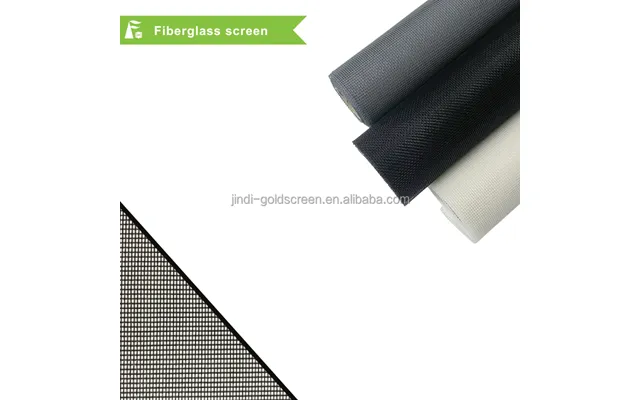
The Jindi product is described as a modern outdoor fly screen with a do-it-yourself format, fiberglass mesh, and fire-resistant characteristics. It is listed through Alibaba at $15.99. The description also mentions a 1-meter product reference, but because this article uses imperial measurements, the dimension is not repeated as a metric measurement.
This option is aimed at shoppers looking for a screen rather than a traditional solid door. That distinction matters. A fly screen is generally selected to help separate an outdoor opening from insects while allowing the opening to remain useful for air movement and access. The reference data specifically identifies it as an outdoor screen and an anti-mosquito product.
Fiberglass mesh is a key feature in the listed description. Mesh construction can provide a lightweight screening surface, making it visually different from a solid wood or panel door. For outdoor applications, the screen format may feel less imposing and more suited to seasonal or everyday use.
The product is also described as fire resistant. That is a notable listed characteristic, but shoppers should still review the complete product information and installation requirements before relying on any material specification for a particular project.
The Jindi listing describes the screen as DIY, which may appeal to people who prefer a hands-on project. Even so, successful installation depends on accurate measurements, a suitable opening, and careful positioning. A screen that is too loose, too tight, or poorly aligned may not perform as intended.
Before comparing this option with a full door, define your goal. If you mainly want a lightweight outdoor barrier, a screen may be the more relevant category. If you need privacy, impact resistance, or a solid closure, a screen alone may not meet the project brief.
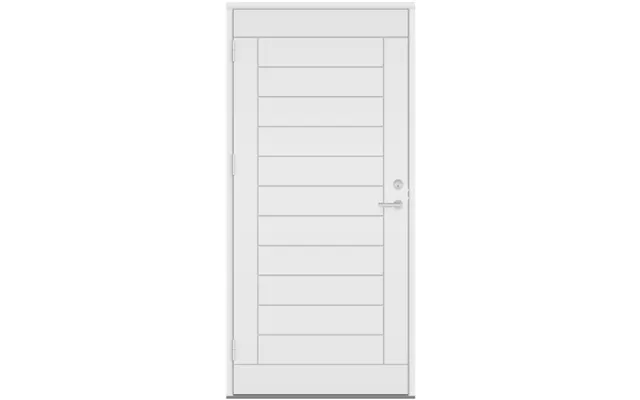
The Bloomcabin product is an interior panel door design with horizontal and vertical lines. It is listed at $3,057.18. The description presents the design as a structured, geometric option with a carefully arranged surface that adds visual dimension without abandoning a tailored appearance.
Unlike the compact Whitecap door or the outdoor Jindi screen, this product is positioned around interior design and architectural coordination. Its linear panel treatment may work well in rooms where the door needs to relate to cabinetry, trim, wall treatments, or furnishings.
Line direction can influence how a surface is perceived. Horizontal details may create a sense of width, while vertical details can draw the eye upward. When the two directions meet, the result can feel organized and rhythmic rather than plain.
That does not mean the door will suit every interior. A strongly patterned panel may be most effective when the surrounding room has some visual order. If the space already includes many competing textures, colors, or shapes, a simpler door may create a calmer result.
The reference description highlights the design’s potential relationship with cabinetry, trim, wall treatments, furnishings, and broader architectural details. This makes coordination an important part of the selection process. Look at the existing lines in the room and ask whether the door will echo them or compete with them.
You can think of the door as part of a larger composition. It should not necessarily disappear, but it should feel connected to the room. Repeated directions, balanced proportions, and related finishes can help a statement door feel intentional rather than accidental.
The three listed prices represent very different project scales. The Jindi fly screen is the lowest-priced option at $15.99, followed by the Whitecap louvered door and frame at $87.12. The Bloomcabin interior panel door is listed at $3,057.18, placing it in a very different purchasing category.
Price alone does not determine which product is best. A screen and a decorative interior door do not solve the same problem, so comparing them only by cost would be misleading. Instead, compare the price with the role the product is expected to play, the size of the project, and the level of design impact you want.
When reviewing a listing, consider what is included in the product description. The Whitecap entry identifies a door and frame, while the Jindi entry focuses on a fly screen. The Bloomcabin entry describes a profiled interior panel design. Those differences can affect how you plan the project and what additional information you may need.
The supplied data does not provide a full installation breakdown, complete material schedule, or detailed specification sheet for every product. For that reason, use the listed details to narrow your choices, then review the individual listing carefully before committing to a purchase.
Start with function. If your priority is a compact louvered door and frame, the Whitecap option is the most directly relevant choice in this selection. If you want an outdoor screen with fiberglass mesh, the Jindi product is the natural category match. If visual design and interior coordination lead the brief, the Bloomcabin panel door deserves closer attention.
Next, consider the opening itself. Measure the available space in inches and feet, check the required orientation, and determine whether you need a frame included. These basic checks can save you from choosing a product that looks appealing but cannot fit the intended location.
Use this checklist while reviewing the three options:
• Purpose: Is the product intended as a door, a frame-and-door combination, or a screen?
• Location: Will it be used indoors, outdoors, or in a specialized opening?
• Size: Does the listed dimension match your available opening?
• Design: Do you prefer louvers, mesh, or linear panel detailing?
• Configuration: Does the handing or orientation suit the space?
• Budget: Does the listed price fit the scale of your project?
This approach keeps the comparison practical. Instead of asking which product is universally best, ask which one fits your specific situation. The right choice should feel like a natural answer to the project rather than a compromise forced by appearance alone.
The Whitecap teak louvered door may suit settings where natural wood character and ventilation-inspired detailing are welcome. Its small listed format makes it a specialized option, so its strongest appeal may come from projects that need a compact feature rather than a conventional entry door.
The Jindi screen has a more functional outdoor identity. Its modern description and fiberglass mesh construction may appeal to homeowners who want a lighter visual solution for an outdoor opening. It can be considered when the goal is to create a screened boundary without the visual weight of a solid door.
The Bloomcabin panel design is the most architectural of the three. Its horizontal and vertical lines can contribute a strong sense of order to an interior. In a carefully coordinated room, the door may work like a framed piece of millwork, helping connect separate design elements.
ZoneOffer is a comparison site, so its role is to help you review products and make a more informed shopping decision. It is not the retailer, manufacturer, or installation provider for the products listed here. The stores shown in the reference data are the Twister Group, Alibaba, and Bloomcabin.
When comparing listings, read the product title and description together. The title gives you a quick summary, while the description may reveal details such as handing, mesh material, intended location, or design treatment. If a detail is important to your project, verify it in the individual listing before ordering.
Ask whether the listed size is the product size or the opening size. Check whether a frame is included. Confirm whether the item is a complete door, a screen, or a design option requiring additional planning. Also consider whether the product’s intended setting matches your own.
These questions may seem basic, but they act like a measuring tape for your decision. They keep excitement from replacing practical judgment and help you focus on details that influence installation, appearance, and everyday use.
The featured selection offers three distinct paths: the compact teak character of the Whitecap 60720, the outdoor screening function of the Jindi fiberglass mesh option, and the structured interior style of the Bloomcabin profiled panel door. Each product speaks to a different need, so the smartest choice depends on your opening, setting, design goals, and budget. Compare the specifications carefully, use the listed prices as a guide, and choose the option that fits your project like a well-made hinge fits its frame.