


AlphaBiolabs price list
Last updated Saturday, Sep 19, 2026
| AlphaBiolabs | Price |
|---|---|
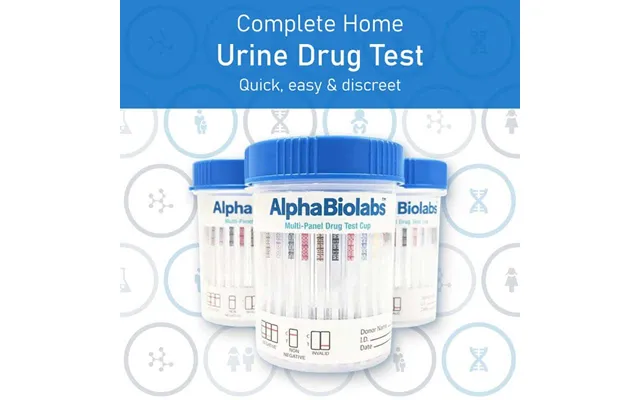
| Home Urine Drug Test Kit Pack Of 3 | $34.95 |
| Home Hair Drug Test | $99.00 |
| Dna Paternity Test | $109.00 |
| Prenatal Gender Test | $119.00 |
| Grandparent Dna Test | $179.00 |


View 16 Offers






Loading...
Last updated Saturday, Sep 19, 2026
| AlphaBiolabs | Price |
|---|---|
| Home Urine Drug Test Kit Pack Of 3 | $34.95 |
| Home Hair Drug Test | $99.00 |
| Dna Paternity Test | $109.00 |
| Prenatal Gender Test | $119.00 |
| Grandparent Dna Test | $179.00 |
When people search for AlphaBiolabs in the US, they are often looking for clear answers to personal questions. They may want to confirm a biological relationship, understand their family history, identify a possible genetic link, or arrange a workplace drug and alcohol test. In situations like these, reliable information matters. The result may affect family decisions, legal paperwork, immigration plans, employment, or peace of mind.
AlphaBiolabs is known for laboratory testing services that cover DNA analysis, relationship testing, drug screening, alcohol testing, and selected health-related checks. Its services are designed for people who need a structured testing process rather than a simple online quiz or a casual home experiment. Still, anyone considering a test should check current availability, sample requirements, turnaround times, and legal rules that apply in the United States.
This guide explains what AlphaBiolabs may offer to US customers, how the testing process generally works, and what you should consider before ordering. Think of it as a map. It will not make the decision for you, but it can help you choose the right route.
AlphaBiolabs is a private laboratory testing provider that works with DNA and toxicology samples. Its services are aimed at individuals, families, legal professionals, employers, and organizations. Depending on the service, the laboratory may examine DNA from a cheek swab, analyze a urine or hair sample, or assess another approved specimen.
The company is best known for relationship DNA testing. This can include paternity testing, maternity testing, sibling testing, grandparent testing, and other family relationship tests. It also offers drug and alcohol screening options for personal, workplace, or legal purposes. Some tests are designed simply for personal knowledge, while others require a documented chain of custody.
That difference is important. A private test can provide information for your own use, but it may not be accepted by a court, government agency, or employer. A legal test usually requires verified identification, witnessed sample collection, sealed materials, and carefully recorded handling. Before purchasing, ask yourself a simple question: Do I need information, or do I need evidence that can stand up to official review?
Testing options can change by location and by local regulations. US customers should review the current AlphaBiolabs website or contact the company directly before placing an order. In general, the main categories include DNA relationship testing, ancestry and genetic analysis, drug testing, alcohol testing, and business screening services.
DNA relationship testing compares genetic markers between people. In a paternity test, for example, the laboratory usually compares the child’s DNA with the alleged father’s DNA. The mother’s sample may also be included, although it is not always required. The laboratory then assesses whether the genetic evidence supports or excludes the alleged relationship.
A properly designed paternity test can provide a very strong probability of relationship when the results support paternity. If the tested man does not share the expected markers, the report may exclude him as the biological father. The report is not based on appearance, blood type, or guesswork. It uses specific genetic information found in the submitted samples.
Other relationship tests may help examine possible links between siblings, grandparents, aunts, uncles, or extended family members. These tests can be helpful when a parent is unavailable. However, the more distant the relationship, the more complex the analysis can become. Your laboratory should explain whether the selected test is suitable for the family question you are trying to answer.
A private DNA test is often chosen by someone who wants a discreet answer. The kit may be sent to the customer, and participants may collect cheek swabs at home. This route is usually convenient because it does not require a scheduled appointment. The report is generally intended for personal knowledge.
A legal DNA test follows stricter procedures. An approved collector checks identification, witnesses the sample collection, labels the samples, and records the transfer to the laboratory. These steps help prove that the samples came from the named individuals and were not switched or contaminated.
If your test relates to child custody, child support, inheritance, immigration, birth certificate changes, or another official matter, do not assume that a home test will be accepted. Ask the relevant court, attorney, agency, or government office what it requires. Ordering the wrong test can cost time and money.
The DNA testing process is usually simple, but each step matters. First, you select the test that matches your goal. You may need to provide the names and ages of the participants, the type of relationship being examined, and the country where the samples will be collected.
For an at-home test, the kit typically includes sterile cheek swabs, instructions, sample envelopes, and paperwork. Read the instructions before collecting a sample. Some kits require participants to avoid eating, drinking, smoking, or brushing their teeth for a short time before swabbing. Following the directions reduces the chance of an unusable sample.
Keep the kit away from moisture, pets, young children, and direct heat. You do not need a dramatic laboratory scene in your kitchen. Clean hands, a clear surface, and careful labeling are usually enough. The goal is to protect the sample from accidental contact or confusion.
A cheek swab collects cells from inside the mouth. The swab is rubbed firmly against the inside of the cheek for the instructed period. It should not be painful. If several people are being tested, keep their swabs separate and complete one person’s paperwork at a time.
Do not touch the swab tip with your fingers. Do not place it on a table after collection. Allow it to dry only if the instructions say to do so, then return it to the correct package. Small details can make a big difference. A mislabeled or poorly handled sample may delay the result.
After the laboratory receives the samples, technicians examine the DNA at selected genetic locations. The results are compared with the relationship being tested. The report may include a probability of relationship, an exclusion statement, or an explanation of the findings.
Turnaround times vary. They can depend on the test type, the number of participants, the sample quality, holidays, shipping, and whether extra analysis is needed. Treat advertised processing times as estimates rather than promises. If you have a court deadline or immigration appointment, order early and confirm the timeline before paying.
Drug and alcohol testing can answer different questions depending on the sample type. A urine test may indicate recent use for certain substances. A hair test may provide a longer detection window. An alcohol test may examine current alcohol levels or longer-term alcohol markers, depending on the method. The correct test depends on the purpose, substance, timing, and policy involved.
Urine screening is commonly used in workplace and personal testing. It may identify recent exposure to a panel of drugs or drug classes. The exact detection period varies by substance, dose, frequency of use, metabolism, hydration, and the sensitivity of the method.
A urine result should not be treated as a complete history of someone’s life. It is a snapshot within a particular testing window. A negative result does not always prove that a person has never used a substance, and a non-negative screening result may require confirmation by a more specific laboratory method.
Hair testing is often selected when a longer period of historical information is needed. Hair grows gradually, which means a sample may provide a broader view than urine in some situations. However, hair length, cosmetic treatment, growth rate, contamination, and the laboratory method can affect interpretation.
Hair testing is not automatically better than urine testing. It is simply different. A workplace policy, legal professional, or testing provider may recommend one specimen type for a specific reason. Ask what the test can show, what it cannot show, and how the laboratory reports the result.
Alcohol testing may focus on recent consumption or longer-term patterns. Breath and blood tests are often associated with current alcohol levels, while certain urine or hair-based markers may be used for a wider historical view. The selected test should match the question you need answered.
If the test is connected to employment, probation, family court, or a professional license, follow the required protocol exactly. Timing, collection conditions, identification, and reporting standards can affect whether the result is accepted.
Chain of custody is the documented path a sample follows from collection to reporting. It records who collected the sample, how the person was identified, how the sample was sealed, when it was transferred, and who handled it during the process. Picture a parcel with a tracking history. Each handoff creates a record.
This process matters because official decisions may depend on the result. A court or employer needs confidence that the sample belongs to the person named in the report. A home-collected sample may be useful for private information, but it may not meet that standard.
Legal testing often requires an approved collection site or professional collector. Participants may need government-issued identification. Children may require a parent, guardian, or authorized adult to be present. The rules can vary by state and by the organization requesting the test.
Before scheduling, ask whether the provider has collection locations in your area. If you are outside the company’s normal service region, ask about partner facilities, shipping rules, and whether the final report is accepted by the institution requesting it.
Choosing a test starts with your purpose, not with the cheapest price. If you want personal reassurance about paternity, a private paternity test may be suitable. If you need to submit results to a court, you may need a legal test. If an employer asks for a five-panel urine screen, ordering a hair test may create unnecessary cost and confusion.
Ask how many people must provide samples. Ask whether the mother’s sample is recommended. Ask how long the test usually takes after the laboratory receives the samples. Ask whether shipping is included. Ask how inconclusive results are handled and whether a repeat sample costs extra.
For drug and alcohol testing, ask which substances are included, which specimen is used, what detection period is expected, and whether confirmation testing is performed. If medication could affect the result, ask how prescriptions are reviewed. A responsible provider should explain the process without making unrealistic promises.
DNA and toxicology results are sensitive personal information. Before testing, review how your sample and data will be stored, who can access the report, and whether you can request deletion or destruction of the sample. Policies may differ depending on the service and the location where the test is performed.
US laws and procedures can vary from state to state. A result that is acceptable in one setting may not meet the rules of another. If the test could affect custody, support, immigration, inheritance, employment, or a criminal matter, obtain professional advice before ordering.
The cost of an AlphaBiolabs test depends on the service, the number of participants, the sample type, the collection method, and whether the test is private or legal. Extra fees may apply for faster processing, additional participants, special collection arrangements, or international shipping.
Do not compare prices by looking only at the headline figure. A low-cost kit may not include collection, return postage, confirmation testing, or a legally documented chain of custody. Write down the full price before you order. It is easier to compare complete packages than attractive starting prices.
Customer support is also part of the service. You should be able to ask questions about sample collection, report delivery, payment, and test selection. If the instructions are unclear, contact the provider before collecting the sample. Guessing is rarely a good laboratory technique.
Reports may be delivered through a secure online account, by email, or by another approved method. Protect your login information and avoid sending sensitive reports through an unsecured public computer. If another person needs the report, confirm that you are allowed to share it.
DNA testing can provide valuable clarity. It may help confirm a biological relationship, support a legal process, reconnect family members, or answer a question that has remained open for years. For many people, receiving a clear report feels like turning on a light in a dark room.
But DNA testing has limits. A test may not answer every family-history question. A relationship test involving distant relatives can be less straightforward than a standard paternity test. A result can also raise new questions, especially when unexpected biological information appears.
Think carefully about the emotional side before testing. Are all participants prepared for the possible outcome? Who will receive the report? What will you do if the result conflicts with family stories or official records? There is no need to panic, but there is value in preparing.
Health and ancestry information also require careful interpretation. A genetic result may suggest a possibility, not provide a diagnosis. If a report raises a medical concern, discuss it with a qualified healthcare professional or genetic counselor. A laboratory report is a source of information, not a replacement for medical advice.
Start by gathering the details of your situation. Know who will be tested, why the test is needed, where each participant lives, and whether an institution has requested a particular test. This preparation helps prevent ordering the wrong service.
Use accurate names and contact information. For a legal test, make sure identification documents are available. Read every form before signing it. Keep tracking details for shipped kits and return packages. If a sample is delayed, damaged, or lost, contact customer support quickly.
When collecting samples at home, work on a clean surface and keep participants separate. Label everything immediately. Never swap envelopes or rely on memory. If a child is involved, explain the process in a calm and age-appropriate way. A cheek swab is quick, but the surrounding situation may feel serious.
When the report arrives, read the interpretation section carefully. Look for the names of the participants, the test type, the laboratory information, and any notes about limitations. If something appears incorrect, contact the provider before sharing the report with a court, employer, attorney, or family member.
AlphaBiolabs may be a practical option if you need a structured DNA, drug, or alcohol testing service and want clear instructions. Its range of testing categories can make it useful for families, individuals, employers, and legal professionals. The best choice depends on your goal and the acceptance requirements attached to it.
US customers should verify current service availability, pricing, laboratory credentials, collection arrangements, and privacy terms. Do not rely on an old advertisement or a third-party summary. Testing services change, and local rules can affect the process.
Most importantly, choose the test that answers the real question. A private test and a legal test are not interchangeable. A urine screen and a hair test do not provide the same type of information. When you understand that distinction, the decision becomes much easier.
AlphaBiolabs can help turn an uncertain question into documented laboratory information, but the process works best when you approach it with care. Confirm the purpose, select the correct test, follow the collection instructions, and protect your personal data. Whether you need a relationship answer or a workplace screening result, careful preparation gives you the clearest path forward.