






AlphaBiolabs price list
Last updated Friday, Sep 18, 2026
| AlphaBiolabs | Price |
|---|---|
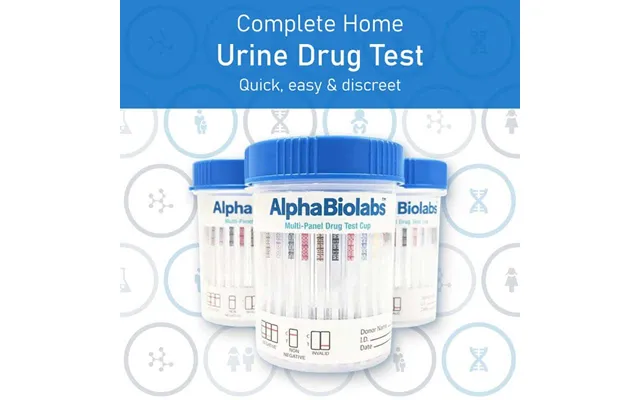
| Home Urine Drug Test Kit Pack Of 3 | $34.95 |
| Home Hair Drug Test | $99.00 |
| Dna Paternity Test | $109.00 |
| Prenatal Gender Test | $119.00 |
| Grandparent Dna Test | $179.00 |





| Store | Status | today | distance |
|---|
Loading...
Loading...
Last updated Friday, Sep 18, 2026
| AlphaBiolabs | Price |
|---|---|
| Home Urine Drug Test Kit Pack Of 3 | $34.95 |
| Home Hair Drug Test | $99.00 |
| Dna Paternity Test | $109.00 |
| Prenatal Gender Test | $119.00 |
| Grandparent Dna Test | $179.00 |
AlphaBiolabs is a well-known DNA testing and analytical services company with roots in the United Kingdom. Its name appears in discussions about paternity testing, relationship testing, drug and alcohol testing, and workplace screening. While many people search for an “AlphaBiolabs store in the US,” the business is not best understood as a typical retail store with rows of products and physical branches across American cities. Instead, it operates primarily as a specialist testing provider. Customers usually order a test, provide samples, and receive laboratory results through a managed service.
That difference matters. AlphaBiolabs sits somewhere between a medical testing service, a private laboratory, and an online testing company. Its appeal comes from convenience and a broad menu of tests. A customer may be looking for a legal paternity test, a private DNA test, a sibling test, a drug screening service, or a workplace testing program. Each need has its own rules, sample requirements, and level of evidential value.
The company has built its reputation around laboratory testing rather than consumer merchandise. Its story also reflects a larger change in the testing industry. People no longer rely only on doctors, solicitors, courts, or employers to arrange laboratory services. Today, many customers research options online, compare prices, order kits, and ask for help directly. AlphaBiolabs developed within that changing landscape.
AlphaBiolabs was established in the United Kingdom as a specialist provider of DNA and biological testing services. Its early focus was relationship testing, especially paternity testing. This type of testing can answer a deeply personal question, and it requires more than a simple online purchase. Customers need clear instructions, secure sample handling, accurate analysis, and a report that explains the result in understandable language.
Over time, AlphaBiolabs expanded beyond basic paternity testing. The company added different relationship tests, including sibling, grandparent, aunt or uncle, and other kinship tests. It also developed services connected with immigration, legal cases, genealogy, and personal curiosity. This wider approach helped the brand appeal to several audiences instead of relying on one customer group.
The company’s growth followed the steady rise of accessible DNA technology. Laboratory science became faster, more automated, and more affordable. At the same time, the public became more familiar with genetic testing through ancestry websites, crime shows, family research, and medical news. AlphaBiolabs benefited from that growing awareness, but it also had to explain an important point: not every DNA test has the same purpose or legal status.
In its earlier form, a testing company could depend heavily on professional referrals. Solicitors, doctors, social workers, employers, and government bodies often guided people toward a laboratory. AlphaBiolabs adopted a more direct model. Its online presence allowed individuals to learn about tests, request a kit, speak with support staff, and arrange sample collection without beginning with a third party.
This consumer-facing model made DNA testing feel more approachable. A website can answer basic questions at midnight, while a telephone or email support team can help customers choose a suitable test. That convenience is especially valuable when a customer feels nervous or confused. DNA testing often involves family disputes, immigration applications, child support matters, or serious concerns about substance use. A clear process can reduce stress.
AlphaBiolabs is associated with several main categories of testing. The first is DNA relationship testing. A private paternity test is generally used for personal knowledge and may involve cheek-cell samples collected at home. A legal paternity test uses stricter identity checks and a documented chain of custody. The result may then be suitable for court, immigration, or official proceedings, depending on the relevant rules.
The company also offers other relationship tests. A sibling DNA test can examine whether two people share one or both biological parents. A grandparent test may help establish a relationship when an alleged parent is unavailable. Other kinship tests can study links between relatives such as aunts, uncles, or cousins. The strength of a result depends on who participates and how closely related the people are.
Another important area is drug and alcohol testing. These services may use hair, urine, oral fluid, or other biological samples. Each sample type detects different time periods. A urine test may identify more recent use, while a hair test can sometimes provide a longer historical window. However, no test tells the whole story by itself. Collection procedures, laboratory methods, substances tested, and the reporting period all influence the result.
AlphaBiolabs also works with workplace and professional customers. Employers may use testing programs during recruitment, for random screening, or when workplace policy requires a test. Organisations in transport, construction, healthcare, and other safety-sensitive sectors may have strong reasons to use controlled testing. In these situations, privacy, consent, identity checks, and secure reporting are just as important as the laboratory analysis.
This distinction is one of the most important points for anyone comparing AlphaBiolabs with another provider. A private or peace-of-mind test is designed to answer a personal question. The participants may collect samples themselves, and the process usually aims to be simple and discreet. A legal test requires a controlled collection process. An approved collector verifies identities, witnesses the sample collection, records the chain of custody, and sends the samples to the laboratory.
Buying the cheaper option may seem attractive, but it can create a serious problem if the result is later needed for court or immigration. A private test may be scientifically accurate while still being unsuitable for legal use. Customers should explain their purpose before ordering. Are they seeking personal information, or must an authority accept the report? That single question can change the right product.
AlphaBiolabs is strongly associated with the UK and international testing services, but its name is also visible to customers in the United States. The US market is large, varied, and competitive. American customers can choose from local DNA laboratories, national testing brands, hospital-linked services, ancestry companies, and legal testing providers. Availability, sample collection rules, shipping arrangements, accreditation, and report acceptance can differ by state and by test type.
For US customers, AlphaBiolabs may be attractive when they want a specialist provider with experience in relationship testing and a broad catalogue. International experience can help when a case involves relatives living in different countries. It may also be useful for immigration or family matters that cross borders. Still, customers should not assume that a service designed for the UK will automatically meet every US legal requirement.
State law can affect how a legal DNA test must be collected and used. Courts, immigration authorities, employers, and government agencies may require particular documentation. A test accepted in one setting may not be accepted in another. Before placing an order, US customers should ask whether the report meets the requirements of the specific court, agency, or organisation involved.
Not in the usual retail sense. AlphaBiolabs is better described as a laboratory testing brand and service provider. Customers generally interact with the company through its website, customer support channels, collection partners, or arranged testing locations. The exact process depends on the customer’s country, location, and test.
This online-first model is common in the modern testing market. The customer does not need to walk into a shop and browse shelves. Instead, they choose a service, receive instructions or a collection kit, provide samples, and wait for a secure report. It is a little like ordering a specialist service rather than buying a physical product.
AlphaBiolabs competes with several types of providers in the US. The closest comparison is with specialist legal DNA testing companies. These firms focus on paternity, maternity, sibling, grandparent, and other relationship tests. Some maintain collection sites across the country, while others arrange mobile collectors or partner locations. Compared with these companies, AlphaBiolabs may stand out through its UK heritage and international orientation.
US specialist providers may have a practical advantage when every participant lives in America. They may already have local collectors, familiar court procedures, and established relationships with US attorneys or agencies. Their websites may also explain state-specific requirements. AlphaBiolabs, by contrast, can be appealing when a case includes international participants or when the customer values a wider global service network.
Labcorp and Quest Diagnostics are much larger US laboratory networks. They are widely known for clinical testing, physician-ordered laboratory work, employer services, and specimen collection locations. Their scale gives them a major advantage in physical access. Many Americans can find a collection centre within a reasonable distance, and healthcare professionals may already know how to work with these organisations.
AlphaBiolabs has a different identity. It is more specialised in relationship DNA testing and certain forensic-style services. A customer seeking a paternity or kinship test may find AlphaBiolabs more focused and easier to navigate than a broad clinical laboratory. On the other hand, someone who needs routine blood work or a doctor-connected medical test may prefer Labcorp or Quest Diagnostics.
The comparison is not simply about which brand is “better.” It is about fit. A large clinical network resembles a major department store: broad, established, and convenient for many everyday needs. A specialist DNA provider resembles a focused workshop: narrower, but built around a particular type of problem.
23andMe and AncestryDNA are among the best-known consumer genetics brands in the US. They primarily focus on ancestry, ethnicity estimates, genetic relatives, and selected health or trait information, depending on the product and current regulations. Their customers usually want to explore family history or learn more about their genetic background.
AlphaBiolabs serves a different purpose. Its relationship tests are usually targeted at a specific family question, such as whether an alleged father is biologically related to a child. An ancestry service may reveal a surprising connection, but it is not automatically a legal paternity test. It may use a different consent model, database approach, and report format.
Privacy is another point of comparison. Before buying any DNA service, customers should read the privacy policy, understand how samples and genetic data are stored, and learn whether data may be used for research or shared with third parties. The most exciting test is not always the most suitable one. A person asking one urgent family question may not want a broad ancestry profile.
EasyDNA and other online testing brands compete more directly with AlphaBiolabs because they offer home DNA kits and relationship tests. These companies often promote discreet ordering, simple cheek-swab collection, and online results. Prices may vary according to the number of participants, the test type, legal requirements, turnaround time, and optional services.
When comparing providers, shoppers should look beyond the headline price. Does the advertised fee include all laboratory work? Are collection costs separate? Is shipping included? Can a legal collector be arranged? Is customer support available in the customer’s time zone? Does the laboratory hold relevant accreditation for the intended use? A low starting price can become less attractive once extra charges appear.
DNA testing requires trust because customers are handing over biological samples and sensitive personal information. A credible provider should explain its laboratory standards, testing method, sample process, reporting system, and privacy practices. Customers should also look for clear information about accreditation and quality controls rather than relying only on polished advertising.
Accreditation can help show that a laboratory follows recognised procedures, but it does not answer every question. Customers should ask whether the accreditation applies to the exact test they want. They should also check whether the report is suitable for their intended use. A laboratory may be technically capable while a particular collection method remains unsuitable for a legal case.
Accuracy is often discussed as if it were one simple number. In reality, the result depends on the test design and the people tested. A paternity test usually compares genetic markers from the child, alleged father, and mother when available. More participants can sometimes provide a clearer statistical picture. A reputable provider should explain exclusions, inclusions, probabilities, and limitations in plain language.
The typical customer journey begins with research. The buyer identifies the question, chooses a test, confirms the participants, and checks whether the test is private or legal. After ordering, the kit or collection appointment is arranged. Cheek-swab tests are popular because they are simple and painless, but the samples still need correct labelling and careful handling.
For a home test, following instructions is essential. A customer should avoid mixing samples, record the required details, and return the kit using the recommended method. If a test involves a child, consent and identity requirements may apply. For a legal test, the collector manages much of the process and creates the paperwork needed to establish a chain of custody.
Waiting for results can feel like standing outside a locked door. Customers may be anxious, especially when the result could affect a family relationship or legal decision. Good support matters during this stage. The provider should explain expected turnaround times, how results will be delivered, and what the report means. If a result is unclear, the customer should have a way to ask questions without feeling dismissed.
The cost of a DNA test varies widely. A basic private paternity test may be less expensive than a legal test because it does not require witnessed collection and formal identity checks. Adding more participants, testing extra relatives, requesting faster processing, or arranging mobile collection can increase the price. Drug and alcohol testing costs also depend on the sample type and panel of substances.
AlphaBiolabs should be compared with US providers on total value, not just the first number shown online. Value includes laboratory quality, customer support, speed, privacy, collection convenience, and whether the result will serve its intended purpose. A slightly higher price may be sensible if it prevents a second test or avoids a rejected report.
Customers should also be cautious with dramatic promises. No honest provider can guarantee that a test will settle every family disagreement. A laboratory can report genetic evidence, but it cannot repair a relationship, interpret a court order, or replace legal advice. The result is one important piece of information, not a magic solution.
DNA testing raises personal questions that ordinary shopping does not. Who knows the test is taking place? Has every participant given proper consent? What happens if the result reveals an unexpected parent, sibling, or medical fact? These issues deserve attention before samples are collected.
Parents and guardians should understand consent rules when testing children. Secretly testing another adult’s sample may create ethical and legal concerns. Customers should use an authorised process and ask the provider for guidance if the situation is complicated. A discreet service should not mean an irresponsible service.
Privacy policies deserve careful reading. Look for information about sample retention, genetic data storage, result access, security, and deletion requests. Also consider where data is processed and which laws apply. An international provider may involve cross-border shipping or data handling, so US customers should ask direct questions before ordering.
AlphaBiolabs appeals to US shoppers who want a focused testing specialist rather than a broad clinical laboratory or an ancestry database. Its history in the UK gives it an international profile, while its range of relationship and screening services can support both personal and professional needs.
The company may be especially relevant for families spread across countries. Imagine a child in New York, an alleged father in Manchester, and a legal application that needs documented evidence. A provider with international experience may help coordinate the process more smoothly than a purely local service. Even then, customers should confirm collection and acceptance requirements before paying.
Its main limitation in the US is that local competitors may offer a more familiar domestic network. A US-based company may provide easier access to nearby collection centres, state-specific guidance, and local customer service. The best choice depends on the case, not simply on brand recognition.
Start by writing down the exact question you need answered. Do you need paternity testing, another relationship test, ancestry information, drug screening, or an employment program? Then decide whether the result is for personal knowledge or official use. This simple step can prevent an expensive mistake.
Next, ask about the laboratory, accreditation, sample collection, turnaround time, privacy, total cost, and result format. If the test relates to court, immigration, child support, inheritance, or another formal matter, contact the relevant authority or a qualified legal professional. Do not assume that a general online DNA test will be accepted.
Finally, compare at least two or three providers. Read independent reviews with care, but do not treat every online comment as proof of quality. Look for transparent information and professional support. A trustworthy company should welcome sensible questions rather than rushing you toward checkout.
The testing market will keep changing. Faster analysis, digital identity checks, mobile sample collection, and improved online reporting may make services easier to use. Customers will also expect stronger privacy controls and clearer explanations. The companies that succeed will need to combine scientific accuracy with human support.
AlphaBiolabs represents an important type of modern testing provider: specialised, accessible, and built around direct customer contact. Its development from a UK DNA testing company into a brand with international reach reflects the way laboratory services now cross borders. Yet the science still needs context. The right test, collected in the right way, for the right purpose, is more valuable than a flashy result ordered without planning.
For US customers, AlphaBiolabs is worth considering when a specialist relationship or screening service fits the need. It may be a strong option for international cases and customers who prefer a focused provider. However, local US laboratories and consumer genetics companies may be better choices for routine clinical work, ancestry exploration, or cases requiring a deeply established domestic collection network. In the end, the smartest decision comes from matching the provider to the question, the law, and the level of privacy you expect.