

Folders & Report Covers - Other price list
Last updated Saturday, Oct 17, 2026




View 10 Offers
Loading...
Last updated Saturday, Oct 17, 2026
Paperwork has a habit of spreading across desks, backpacks, meeting rooms, and kitchen tables. A reliable folder can bring that clutter back under control. Whether you need a slim document holder for school, a polished presentation folder for work, or a transparent storage option for reference sheets, the right design makes everyday organization easier.
This guide explores the folders and report covers listed in the reference data, with a close look at the EKOMODO Ofis range, a customized gloss paper folder, and a transparent plastic insert folder. ZoneOffer is a comparison site, so the listed products and prices are presented for comparison rather than sold directly by ZoneOffer.
Digital files may dominate modern workflows, but printed documents remain part of many office, school, and university routines. A folder protects loose pages, groups related information, and gives you a simple way to move documents from one place to another.
Think of a folder as a small filing cabinet that travels with you. It does not need to be complicated. A suitable size, a useful closure, an interior pocket, or a business card slot may be enough to turn scattered sheets into a neat, usable set.
Before comparing products, ask yourself what you actually carry. Are you organizing notes, protecting a report, presenting branded materials, or storing reference sheets? Your answer helps determine whether a fabric folder, paper folder, or plastic insert design makes the most sense.
You should also consider how often the folder will move between locations. A compact folder may suit daily commuting, while a presentation folder with a stated capacity may be more useful for client materials or event paperwork.
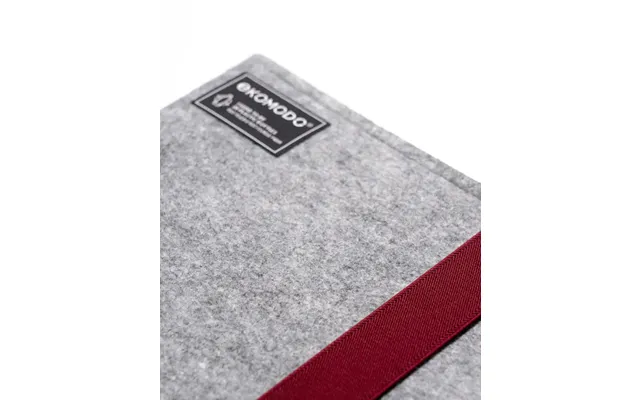
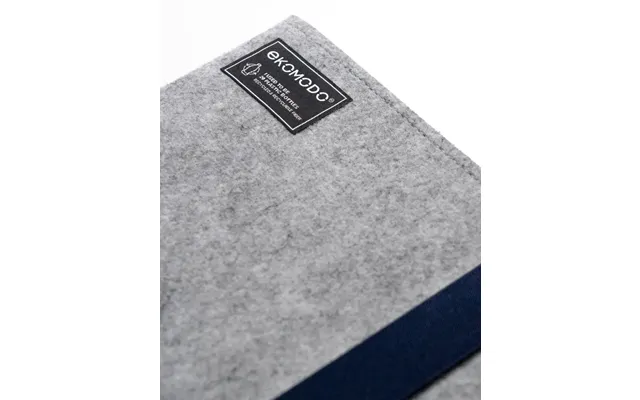
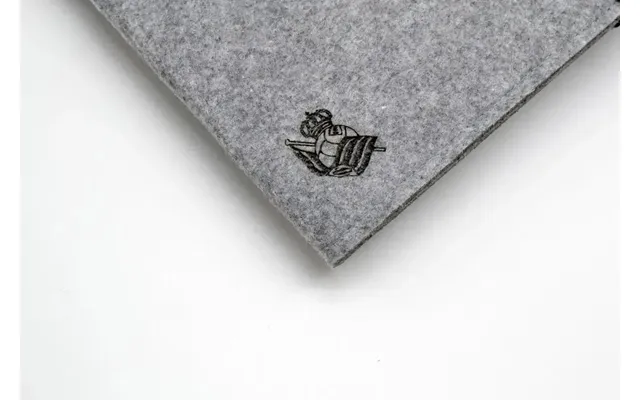
The EKOMODO Ofis folder is described as an ecological folder with a built-in inner flap. The design is intended to carry and protect documents for office, school, or university use. Its construction combines organization with a sustainability-focused material story.
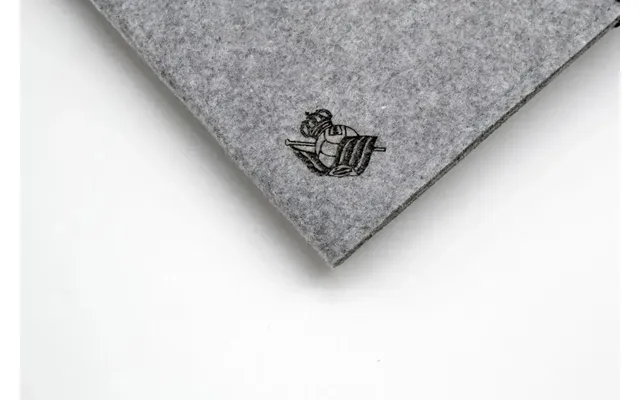
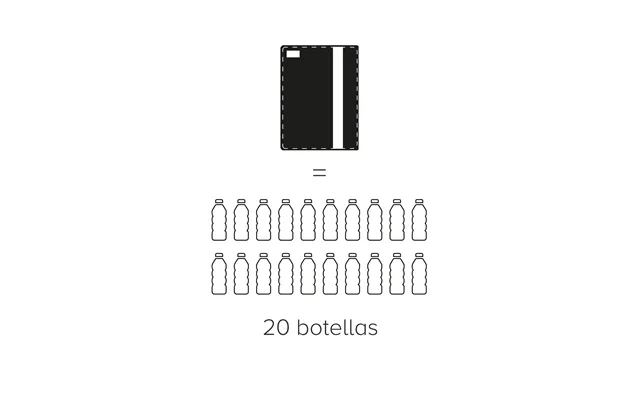
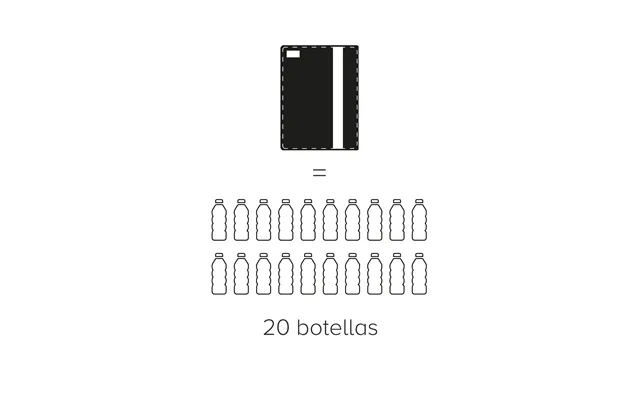
According to the supplied product information, the folder uses fabric recycled from 20 plastic bottles, 100% recycled polyester fiber, a recycled label, recyclable rubber, and laser-cut elements. These details make the Ofis range particularly relevant if recycled materials are an important part of your buying decision.
The listed measurements for the Ofis folder are 14.17 inches high by 9.45 inches wide by approximately 0.69 inches thick. That gives you a relatively slim document carrier while still leaving room for the folder’s built-in inner flap.
Because the design is described as suitable for office, school, and university use, it may work well for papers that need to stay together without the bulk of a larger filing system. As always, compare the folder’s dimensions with the documents you plan to carry before choosing.
An inner flap can act like a quiet barrier between your papers and the outside world. It helps keep loose sheets grouped inside the folder rather than allowing them to slide out whenever you pick it up.
This feature is especially useful when you are carrying notes, forms, or unfinished work that does not have holes for a binder. Instead of punching every page, you can place the papers inside the folder and keep the set together in a cleaner, simpler way.
The reference data includes several Ofis listings. Some are identified as “No” pocket options, while others are identified as “Yes” pocket options. The color descriptions include burgundy, navy blue, and dark green variations.
The listings marked “No” include a burgundy option, a navy option, and additional entries with the title wording “N A N A No.” Each of those listed versions is priced at $28.10 in the supplied data.
The listings marked “Yes” include burgundy, dark green, and navy options. Each of those entries is listed at $36.40. The difference between the two listed price points is $8.30, making the pocket designation an important comparison detail.
A pocket can be useful when you carry small loose items alongside your main papers. It may help separate receipts, handouts, notes, or other pieces that could otherwise disappear inside the central document section.
If you mainly carry a single organized stack, the lower-priced no-pocket listings may be worth considering. If you prefer separate storage within the same folder, the pocket versions provide a different layout. The best choice depends less on appearance and more on how you handle paperwork every day.
Color can do more than add personality. A burgundy folder might represent one project, while navy could identify another. Dark green could be reserved for school materials, research, or a separate category in your filing routine.
Using colors as visual labels is a bit like adding road signs to a busy route. You can spot the right folder faster without reading every label. The reference listings provide several color choices within the Ofis range, allowing you to compare the style that fits your system.
The Ofis description places strong emphasis on recycled and recyclable components. It states that the recycled plastic bottle process gives the material a new life and helps prevent it from ending up on land or in the sea.
The same description reports that the subsequent industrial process consumes 20% less water, uses 50% less energy, and creates 60% less contamination. These are product-description claims supplied in the reference data, so shoppers who value environmental information may want to review them alongside their own priorities.
Recycled polyester fiber is one of the named materials in the Ofis listings. The product information identifies the fiber as 100% recycled polyester, while also mentioning recycled fabric and a recycled label.
When comparing folders, material information can be just as important as color or price. Some shoppers focus on a professional appearance, while others want to understand how a product fits into a more sustainability-conscious purchasing approach. The Ofis range directly addresses that second consideration.
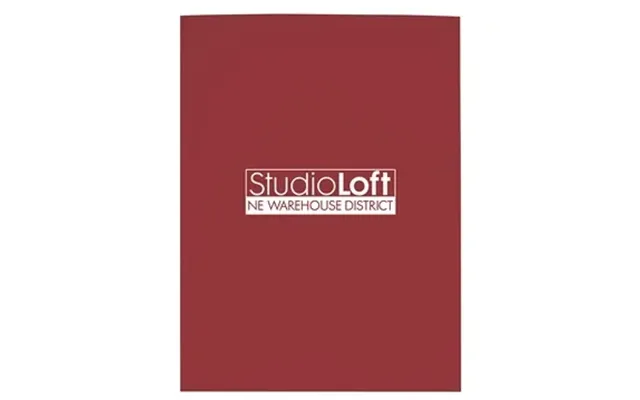
The reference data also includes a customized gloss paper folder listed as having a 60-sheet capacity. It is described as a high-gloss folder available in 10 colors and equipped with an interior universal business card slot.
This format is different from the fabric Ofis design. Rather than focusing on recycled materials and a built-in inner flap, the customized folder emphasizes presentation, color choice, branding potential, and a stated paper capacity.
A stated capacity gives you a practical starting point when planning a document set. The listing says the folder holds approximately 60 sheets of paper, with 30 sheets per side. That may suit a report, presentation, proposal, or information packet that needs more room than a few loose pages.
Capacity is worth treating as a guide rather than a reason to overfill. Pages become harder to handle when a folder is packed too tightly. For a clean presentation, leave enough room for the folder to close and for recipients to turn pages comfortably.
The interior business card slot adds a small but useful presentation detail. It can provide a dedicated place for a business card within the folder instead of leaving the card loose among the documents.
The listing identifies the product as customized and says it comes in 10 colors. The reference data does not specify the customization process or the exact color names, so those details should be confirmed through the relevant listing before making a decision.
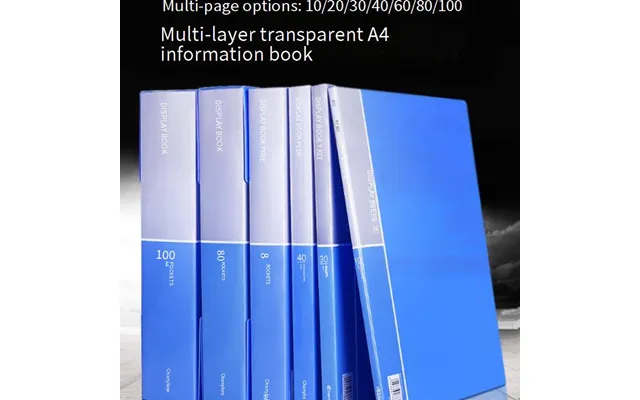
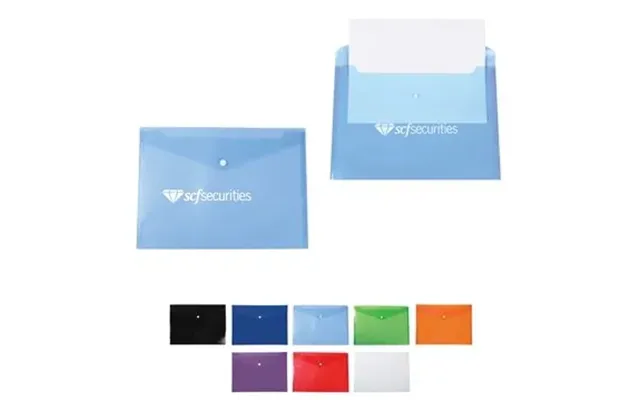
Another option in the supplied data is an education office supplies data book described as a transparent plastic PP test paper storage book, sheet music folder, wholesale A4 insert folder, and file folder. Its listed price is $10.35.
The description connects this product with test papers, sheet music, data storage, and insert-folder use. That makes it a flexible choice to compare when visibility matters. A transparent cover lets you see the contents or identify the material without opening the folder first.
A transparent folder works like a window onto your documents. If you organize several subjects, projects, or sets of reference papers, being able to see the contents can make sorting faster.
This type of folder may be especially appealing for educational materials, sheet music, and test papers, all of which are mentioned in the product description. The listing refers to an A4 insert folder, but the reference data does not provide the product’s measurements in inches, so check the full listing for compatibility with your papers.
The products in the reference data cover a broad range of listed prices. The transparent plastic PP folder is listed at $10.35. The no-pocket EKOMODO Ofis entries are listed at $28.10, while the pocket versions are listed at $36.40.
The customized gloss paper folder is listed at $190.76 for 100 folders. That quantity matters when comparing its price with individual folder listings. A bulk pack is not directly comparable to a single folder, so consider both the total price and the number of units included.
No discount percentage or sale promotion is supplied in the reference data. For that reason, it is more accurate to describe these as listed prices rather than claim that any item is discounted. Prices and product details can change, so review the current comparison information before purchasing.
The lowest listed price is not automatically the best value. A transparent folder may be ideal for visible storage, while a recycled fabric folder may better suit daily carrying. A customized 100-folder pack may make sense for an organization, event, or branded presentation need.
Ask a simple question: what problem should the folder solve? If it protects one project, portability may matter most. If it presents materials to others, appearance and capacity may matter more. If you need many matching folders, quantity and customization become central.
Start by identifying the documents. Notes and loose papers may benefit from an inner flap or pocket. A formal report may need a polished gloss finish. Test papers and sheet music may be easier to manage in a transparent insert folder.
Next, consider the number of pages. The customized gloss paper listing provides a capacity of approximately 60 sheets. The other descriptions do not state a sheet capacity, so avoid assuming that they hold the same amount.
Then review the materials and design. The EKOMODO Ofis range uses recycled and recyclable components according to its description. The customized option uses gloss paper, while the transparent option is described as plastic PP. Each material creates a different balance of visibility, presentation, and everyday handling.
Before selecting a folder, compare the following points:
• Intended use: office, school, university, presentations, test papers, or sheet music.
• Format: inner flap, pocket, insert design, or business card slot.
• Capacity: a stated capacity is available for the customized gloss paper folder, but not for every listed product.
• Materials: recycled fabric, recycled polyester, recyclable rubber, gloss paper, or transparent plastic PP.
• Color: the Ofis listings include burgundy, navy, and dark green options, while the customized folder is described as available in 10 colors.
• Price: compare individual listings with bulk quantities carefully.
• Dimensions: the Ofis measurements convert to approximately 14.17 by 9.45 by 0.69 inches; verify the format of other products before ordering.
Even a well-designed folder cannot organize papers by itself. Create a simple order before inserting your documents. Put the most frequently used page near the front, followed by supporting material and older information.
For school or university work, you could separate current notes from completed assignments. For office documents, place the final version first and supporting pages behind it. If your folder has a pocket, reserve that space for loose items instead of allowing it to become a catch-all compartment.
Labels can also make a difference. A short project name, subject, or date can help you identify the contents quickly. The folder becomes more useful when its outside tells you what is inside without requiring a full search.
Folder listings can look similar at first glance, yet the details may differ in meaningful ways. One option may be a single folder, another may be a bulk pack, and another may include a pocket or a defined sheet capacity.
Comparison shopping helps you look past the cover color. You can review price, quantity, materials, dimensions, pocket details, and intended use in one place. ZoneOffer supports that comparison process; it is not a store and does not directly sell the products described here.
The reference products offer several paths to a more organized paper system. The EKOMODO Ofis folder stands out for its recycled fabric, recycled polyester, recyclable rubber, inner flap, and range of color and pocket options. The customized gloss paper folder focuses on presentation, 60-sheet capacity, a business card slot, 10 color choices, and a 100-folder quantity. The transparent plastic PP folder provides another direction for visible storage connected with test papers, sheet music, and insert-folder use.
Which one fits you best? Choose the Ofis design if material information and a portable flap folder are priorities. Consider the customized gloss paper format when presentation and quantity matter. Look at the transparent plastic option when seeing your documents quickly is useful. By comparing the features that match your real routine, you can turn everyday paperwork from a loose pile into a system that works.