

Fabric & Upholstery Protectors price list
Last updated Saturday, Oct 17, 2026





View 14 Offers

Loading...
Last updated Saturday, Oct 17, 2026
Fabric and upholstery protectors can help you care for the surfaces that see everyday wear, from sofas and cushions to leather luggage and marine fabrics. The right product may make cleaning easier, help reduce water staining, or support a fresher-looking home. But which option fits your needs?
ZoneOffer is a comparison site that helps you review available products, prices, sizes, brands, and stores in one place. It is not a store, so you should check the individual listing for the latest information before making a purchase. In this guide, we will explore the products shown in the reference data and explain how to compare them without confusing a leather cleaner with a fabric guard, carpet powder, or another type of care product.
Fabric and upholstery protectors are products designed to help maintain soft surfaces and materials. Depending on the formula, a product may focus on fabric protection, leather cleaning, carpet treatment, or general surface care. Think of them as different tools in the same cleaning cupboard: a paintbrush, roller, and sponge may all support a decorating project, but each one has a different job.
The reference data includes 303 Marine Fabric Guard products, leather cleaners from Murchison-Hume, Adams Home Protection Carpet Powder, and 303 Marine Aerospace Protectant. It also includes several collagen-related products and a cotton mealtime protector. Those items are listed in the supplied category data, but they serve different purposes from conventional fabric and upholstery protection products.
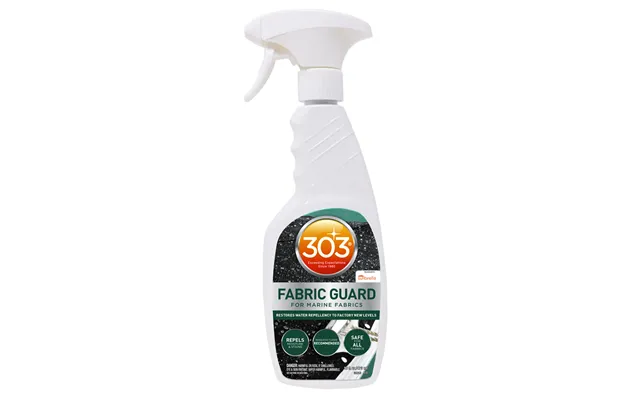
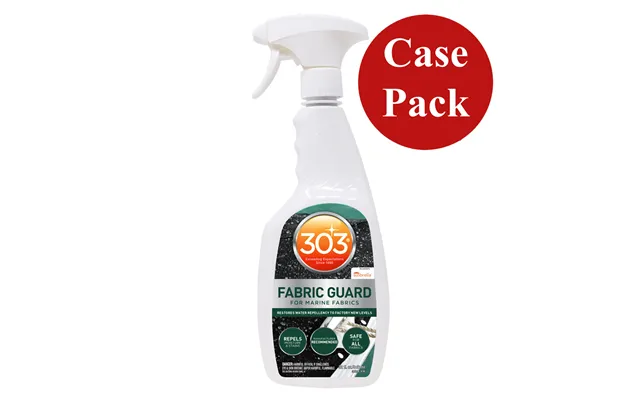
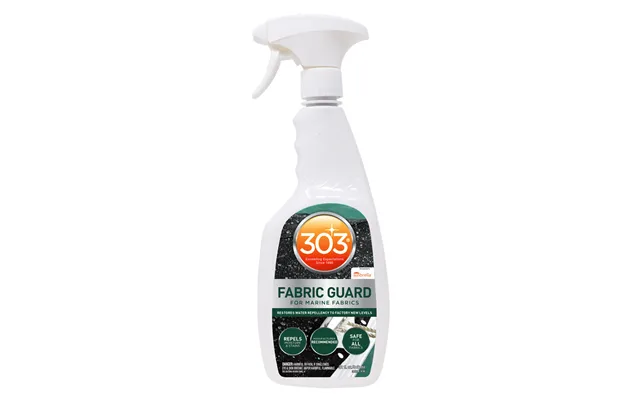
The clearest match for fabric protection in the listings is the 303 Marine Fabric Guard range. These products are offered in different container sizes, including 16-fluid-ounce and 32-fluid-ounce trigger-sprayer formats, as well as 1-gallon options. The data also shows case quantities, which may suit people comparing larger-volume purchases.
The 303 30616 Marine Fabric Guard with Trigger Sprayer is listed at $16.12 for a 16-fluid-ounce product. This smaller format may be useful when you want to compare a compact option rather than immediately choosing a larger container. The listing identifies the brand as 303 and the store as The Twister Group.
A trigger sprayer can make application more convenient because it allows you to distribute the product across a surface without pouring it from an open container. Even so, always review the product information and follow the label directions for the material you plan to treat.
The 303 30604 Marine Fabric Guard with Trigger Sprayer is listed at $22.12 for 32 fluid ounces. Compared with the 16-fluid-ounce listing, this option provides a larger container for shoppers who want more product in a single package. The reference data does not state coverage, so it is best to compare the label and product details rather than assume how much area one container will treat.
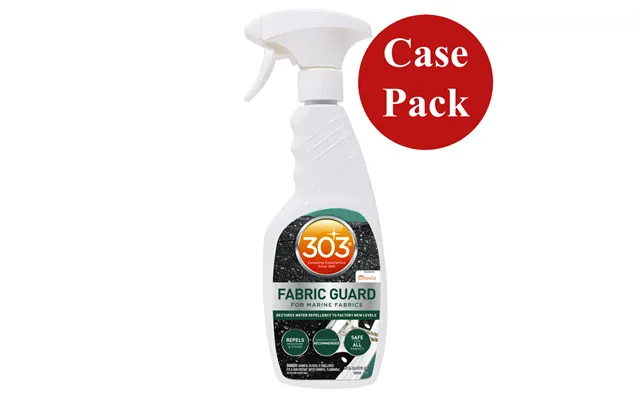
The reference data also includes a 303 30604case Marine Fabric Guard with Trigger Sprayer in a case of six 32-fluid-ounce containers, priced at $133.12. That listing may be relevant when comparing multi-container purchasing options, but the case format is different from the single-container product.
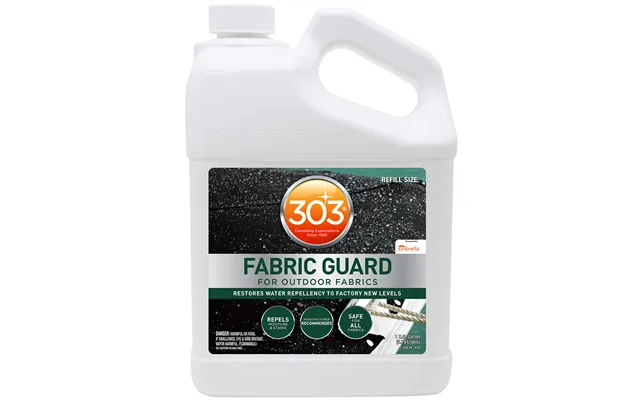
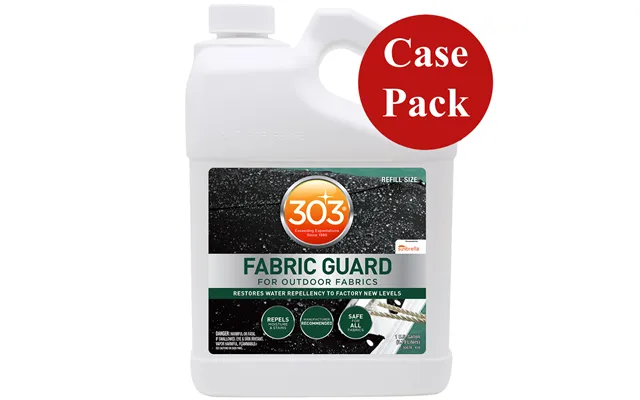
For shoppers comparing larger quantities, the 303 30674 Marine Fabric Guard is listed as a 1-gallon product at $68.12. The data also shows a 303 30674case version described as a case of four 1-gallon containers, priced at $282.12.
Large containers can be worth comparing when you expect to treat multiple fabric surfaces, but price alone does not tell the whole story. Consider the container size, intended use, and whether you prefer a ready-to-spray bottle or a larger format. The case listing may be more appropriate for a high-volume requirement, while the single gallon may be easier to evaluate first.
The listings include both individual products and case formats. This distinction matters because a lower-looking per-item price can be misleading if the listing represents only one unit from a case, while a case price may look higher even though it includes several containers.
For example, the reference data lists the 303 30616 Marine Fabric Guard at $16.12 for 16 fluid ounces and the 303 30616case version at $87.12 for a case of six 16-fluid-ounce containers. It also lists the 303 30604case 32-fluid-ounce case of six at $133.12. When comparing these options, divide the case price by the number of containers to understand the approximate cost per bottle.
Using the listed prices, the 16-fluid-ounce case works out to about $14.52 per container, while the 32-fluid-ounce case works out to about $22.19 per container. These calculations are based only on the supplied prices and case quantities. They do not account for any additional charges or changes that may appear on the individual store listing.
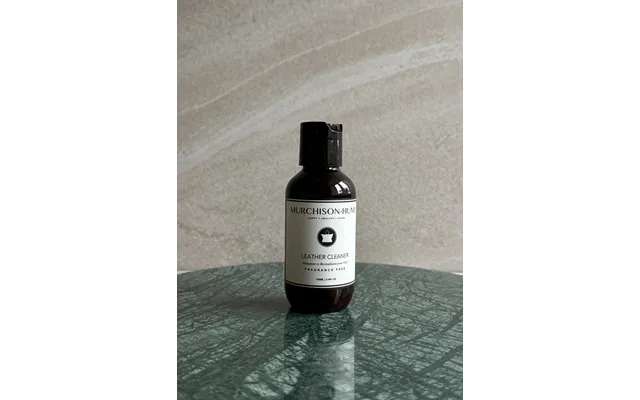
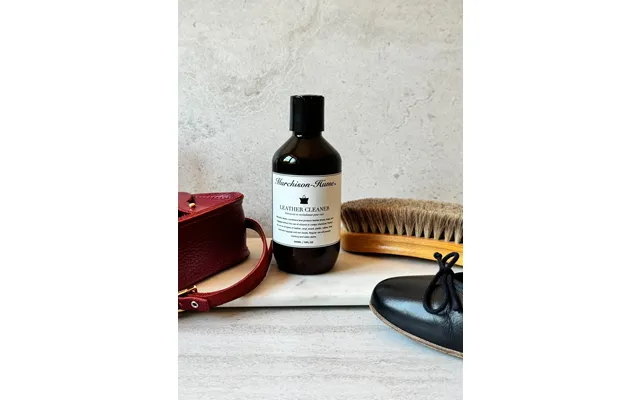
Leather requires a different approach from woven fabric. The reference data includes two Murchison-Hume leather cleaner listings from Cerqular. Both descriptions state that the cleaner can be used on leather, including furniture, shoes, handbags, jackets, and luggage. They also mention additional materials such as vinyl, wood, plastic, rubber, tires, hard-side luggage, and rain boots.
The Murchison-Hume Travel Size Leather Cleaner is listed at $5.00 and described as a 3.4-fluid-ounce, or 100-milliliter, package. The description says to pour the cleaner onto a cloth, clean thoroughly, then buff dry or brush for a high shine. It also states that the product is made in Australia, is cruelty-free, and uses highly recyclable plastic packaging.
The product description identifies ingredients including water, rapeseed seed oil, caprylic capric triglyceride, sodium palmate, and xanthan gum. It also says the formula does not contain ammonia, bleach, dye, formaldehyde, parabens, or phthalates. If you are comparing formulas, this ingredient information can help you decide whether the product aligns with your preferences.
The Natural Leather Cleaner - Fragrance Free 11.5oz is listed at $9.00. Its description recommends spraying the product onto a cloth before cleaning, followed by buffing dry or brushing for a high shine. The listing describes the container as an 11.5-fluid-ounce refillable package made from highly recyclable plastic.
The description also lists ingredients such as canola oil, soda ash, sodium coco fatty alcohol sulfate, citrus peel oil, decyl glucoside, and citric acid. It states that the products are cruelty-free and do not contain ammonia, bleach, dye, formaldehyde, parabens, or phthalates. Because the listing calls this version fragrance free while also listing citrus peel oil among its ingredients, review the current product details carefully if fragrance sensitivity is important to you.
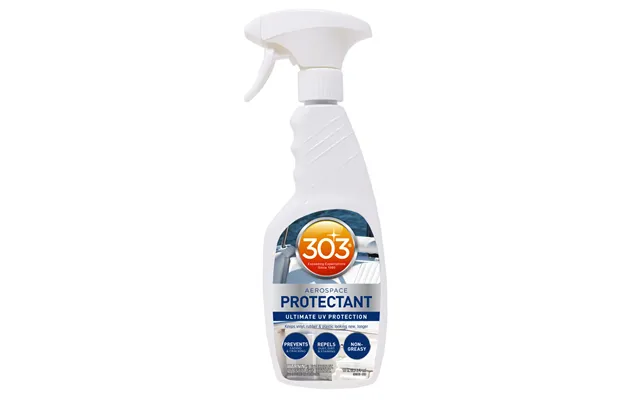
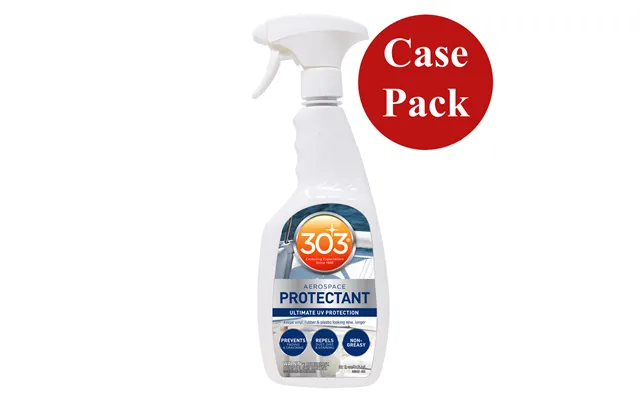
The reference data includes 303 Marine Aerospace Protectant products alongside the fabric guards. The 303 30340 Marine Aerospace Protectant is listed at $12.12 for 16 fluid ounces. A larger 303 30306case version is listed at $93.12 for a case of six 32-fluid-ounce containers with trigger sprayers.
Although this product appears in a category related to fabric and upholstery protectors, the name distinguishes it from the 303 Marine Fabric Guard products. Shoppers should compare the product name and intended application instead of assuming that every 303 listing has the same use. A simple rule helps: match the material you want to care for with the product description before you buy.
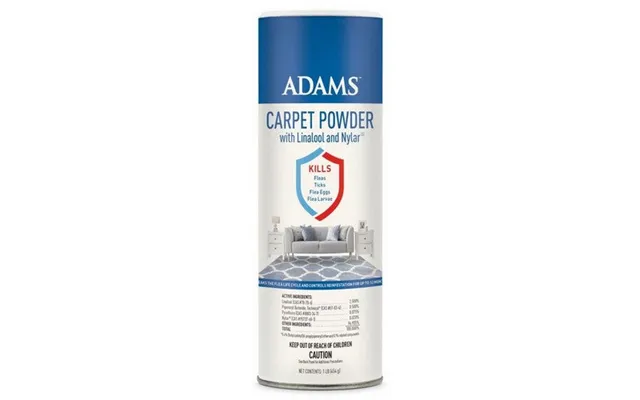
Adams Home Protection Carpet Powder is listed at $13.55 for a 16-ounce container. Its description says it is intended for carpets and upholstery and contains ingredients designed to kill fleas, ticks, flea eggs, and flea larvae. The listing states that one container treats one to two rooms, or approximately 200 to 400 square feet.
For carpets, the instructions say to shake the powder evenly across the surface, brush it lightly into the carpet, and wait at least 60 minutes before lightly vacuuming. The description says that delaying vacuuming for up to 24 hours may provide maximum efficacy. For upholstery, it advises removing loose cushions, sprinkling powder along creases and into corners, brushing it into folds and creases, and vacuuming visible powder from the surface.
The listing specifically advises testing the powder on a hidden area before using it on exposed fabric. This step is important because materials can react differently, and the description warns about possible effects on color, staining, or texture. If powder adheres to a spot, the instructions say to brush it out and vacuum that area immediately.
The product description also says pets should be treated with a registered flea and tick control product before re-entry. Since this is a treatment product rather than a standard fabric protector, read the label carefully and use it only as directed.
Several listings in the reference data are collagen products rather than household fabric or upholstery care items. They include Fibracol Plus Collagen Dressing, Simpurity Collagen Powder, and Puracol Ultra Powder Collagen Wound Dressing. These products are described as wound-care or collagen-related items, so they should not be confused with furniture protectors, fabric guards, or leather cleaners.
Examples include Fibracol Plus Collagen Dressing 3/8 x 3/8 x 15-3/4, listed in both an each format and a package format; Simpurity Collagen Powder 1 gram Vial, shown in each and box formats; and Puracol Ultra Powder Collagen Wound Dressing, described as a 1-gram packet. The listed prices vary by product and format.
Because these items have different purposes from upholstery care products, shoppers should evaluate them separately. The presence of a product in the supplied category data does not mean it should be applied to furniture, carpet, leather, or other household surfaces.
The Mealtime Protector, cotton, 18 x 36, blue paisley is listed at $14.04. Its description identifies it as a cotton mealtime protector. This is a fabric-based household item, but it is not presented as a spray-on protector, cleaner, or treatment for upholstery.
If you are comparing fabric products, it helps to separate protective accessories from chemical surface treatments. A cotton mealtime protector may serve as a barrier during meals, while a fabric guard is generally compared by formula, container size, and intended surface. The two categories can support a tidy home in different ways, but they should not be evaluated as identical products.
Start with the material. For marine or other fabric applications represented by the listings, compare the 303 Marine Fabric Guard sizes. For leather furniture, luggage, or leather accessories, review the Murchison-Hume cleaner descriptions. For carpet or upholstery flea treatment, examine the Adams powder and its instructions.
Next, consider the amount you need. A 16-fluid-ounce bottle may be a practical starting point, while a 32-fluid-ounce bottle or 1-gallon format may make more sense for larger projects. Case quantities can also be compared when you need several containers. However, do not assume a larger package is automatically better; storage, application method, and the surface area involved all matter.
Finally, check the product details before purchase. Look at the size, package count, brand, store, listed price, and stated application. Prices in the reference data include examples such as $5.00 for the travel-size Murchison-Hume cleaner, $9.00 for the 11.5-fluid-ounce cleaner, $16.12 for the 16-fluid-ounce 303 Marine Fabric Guard, and $68.12 for the 1-gallon version. These details can change, so use ZoneOffer to compare the available listings and verify the current information with the store.
Before applying any cleaner or powder, read the product directions and identify the material. Test products on a hidden area when the instructions recommend it, especially for exposed fabric. This small step is like checking a map before a road trip: it takes little time and can help you avoid an unpleasant surprise.
Use the correct application method described in the listing. The Murchison-Hume cleaners are described for use with a cloth, while the Adams powder instructions describe sprinkling, brushing, and vacuuming. The 303 listings identify trigger-sprayer formats for several products. Matching the method to the product can make your routine more controlled and consistent.
Keep different product types separate. A fabric guard, leather cleaner, carpet powder, and wound dressing are not interchangeable. If a listing does not clearly support use on a particular surface, do not assume it is suitable. When in doubt, review the product label and the individual listing before proceeding.
Comparing products can reveal meaningful differences in container size and package format. The reference data includes single bottles, cases of six, single gallons, and cases of four gallons. Without checking those details, it is easy to compare a single unit with a multi-unit package and draw the wrong conclusion about value.
Comparison also helps you focus on the job at hand. Someone caring for leather luggage may prefer to examine the Murchison-Hume options, while someone looking for a larger fabric-treatment quantity may compare 303 Marine Fabric Guard formats. A pet-related carpet treatment is another distinct choice with its own directions and precautions.
ZoneOffer brings these listings together as a comparison site, helping you review the available information in one place. It does not sell the products directly. Always confirm the final details on the relevant store listing before you make a decision.
The best fabric and upholstery care choice depends on the surface, the task, and the amount of product you need. The supplied listings include 303 Marine Fabric Guard in several sizes, Murchison-Hume leather cleaners, Adams Home Protection Carpet Powder, and other fabric-related or unrelated items that require careful comparison. By checking the material, package format, instructions, and listed price, you can choose more confidently and avoid treating every surface as if it were the same.