


Router Bits price list
Last updated Thursday, Nov 12, 2026

View 16 Offers
Loading...
Last updated Thursday, Nov 12, 2026
Choosing the right router bit can make a noticeable difference in woodworking, carving, tile work, and stone projects. A suitable bit helps you shape edges, enlarge holes, create decorative details, or engrave hard surfaces with greater control. The reference selection includes compact woodworking cutters, corner-rounding bits, carbide carving tools, diamond finger bits, and a square recess power bit.
ZoneOffer is a comparison site, so it does not sell these products directly. Instead, it helps you compare listed items from different sources. In this selection, offers appear through The Twister Group and Alibaba, with listed prices ranging from $0.75 to $44.21. Because the products serve different purposes, the lowest price is not automatically the best choice. Think of router bits like kitchen knives: the right blade depends on the material and the job.
Start by identifying the material you plan to work with. Woodworking bits are designed for shaping wood, while diamond tools in the selection are intended for applications involving materials such as stone, granite, marble, tile, or porcelain. Using a bit outside its intended purpose may lead to poor results or unnecessary wear.
Next, consider the type of cut you need. Do you want a rounded furniture edge, a carved relief, an enlarged hole, or a recessed fastener opening? Each task calls for a different profile. A corner-rounding bit, for example, is more suitable for softening a sharp wood edge than a carving bit designed for decorative work.
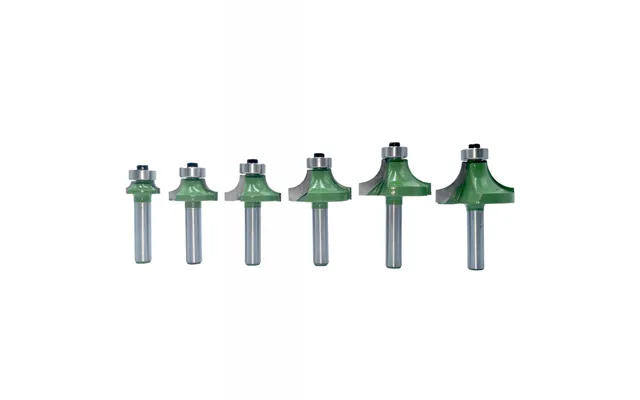
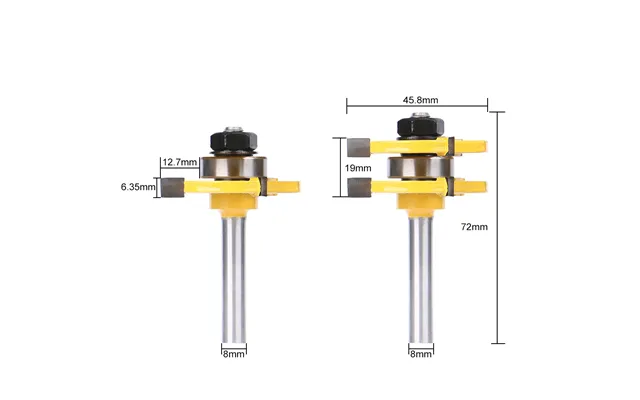
Several listed products are aimed at woodworking. The Lavie 1pc corner round-over router bit has a listed 0.31-inch size and includes a bearing, making it relevant to users looking for a tool for rounded wood edges. The milling cutter for Buddha beads and wooden beads is listed with sizes from approximately 0.20 to 2.95 inches, with a 0.39-inch wooden-bead option described in its title.
For harder surfaces, the selection includes CNC carbide carving router bits for granite and marble, as well as diamond finger router bits for porcelain, tile, and related work. These tools belong to a different category from ordinary wood bits. Before buying, compare the intended material, the bit shape, and the size required for your project.
Woodworkers often use router bits to create smooth edges, decorative profiles, recesses, and small components. The selection includes options for both straightforward edge shaping and more specialized bead-making work.
The Lavie corner round-over bit is listed at $0.75 through Alibaba. Its title identifies it as a 0.31-inch corner round-over router bit with a bearing and a tungsten carbide milling cutter. That combination of features makes it worth examining if your project involves rounding the edges of wooden boards or panels.
A bearing can help guide the bit along an edge, but you should still set up your work carefully and maintain steady movement. Secure the wood, use suitable personal protective equipment, and avoid forcing the cutter. A clean setup is often the difference between a crisp profile and a damaged edge.
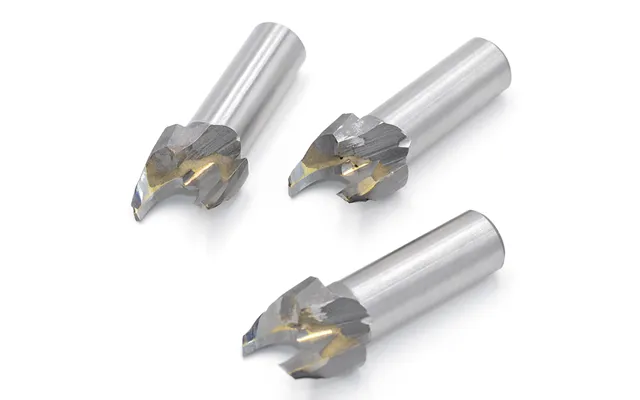
The milling cutter router bit for Buddha beads and wooden beads is listed at $44.21 through Alibaba. Its title references a range of approximately 0.20 to 2.95 inches and identifies a 0.39-inch wooden-bead option. This makes it a specialized product for users exploring bead shaping or decorative woodworking rather than general edge routing.
Specialized bits can be useful when the shape of the finished piece matters most. If you are making repeated beads, compare the stated size with your design before ordering. A small difference in diameter can change the appearance of the finished object, much like changing the thickness of a pencil changes the line it produces.
Hard-surface routing requires a different approach from ordinary woodworking. The listed selection includes CNC carbide carving tools for stone and diamond finger bits for porcelain, tile, and similar materials.
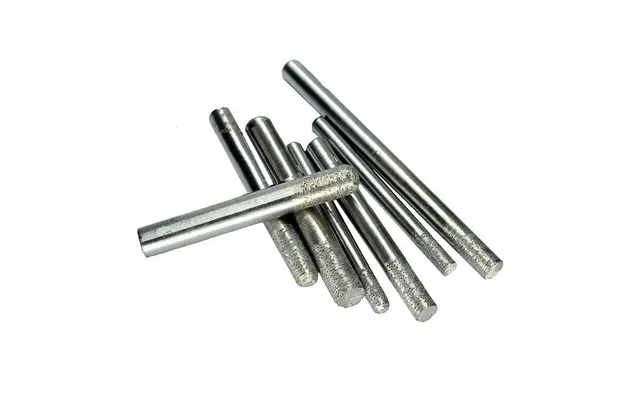
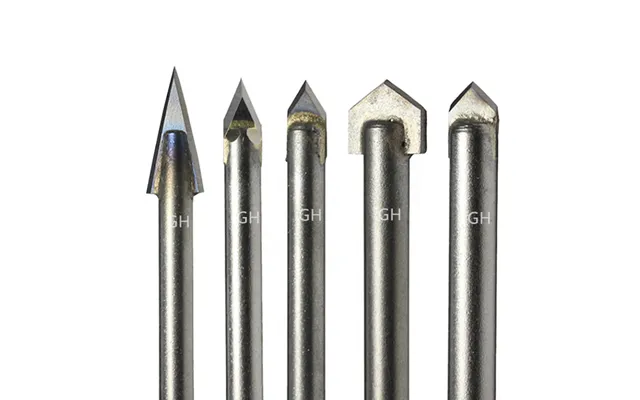
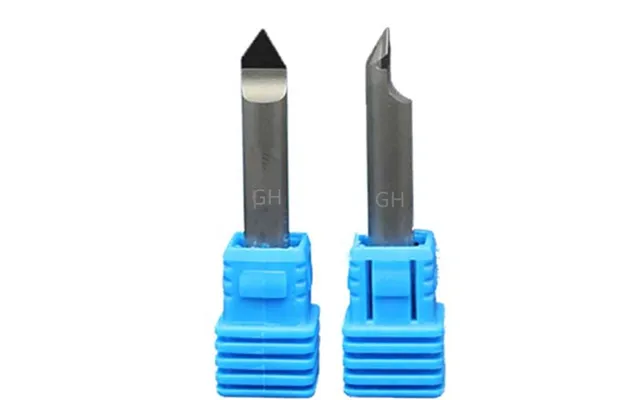
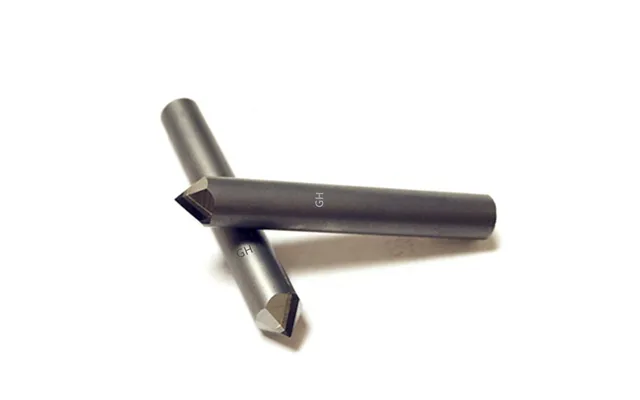
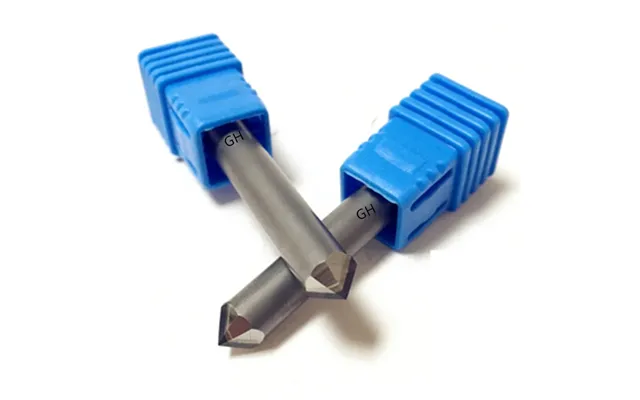
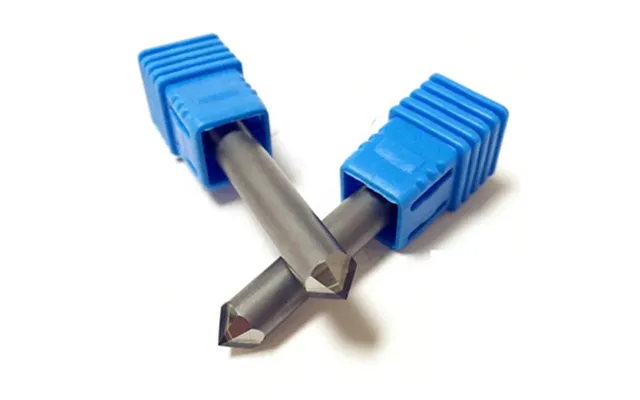
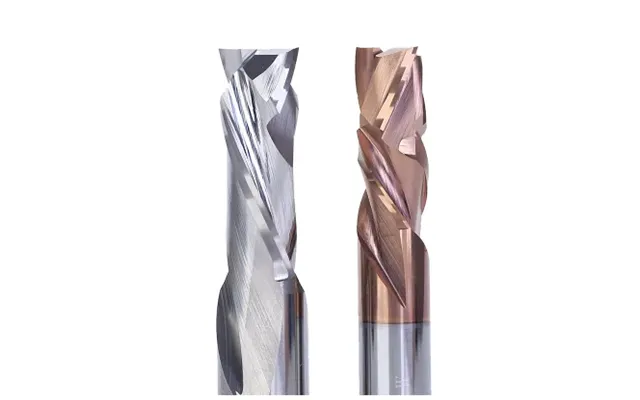
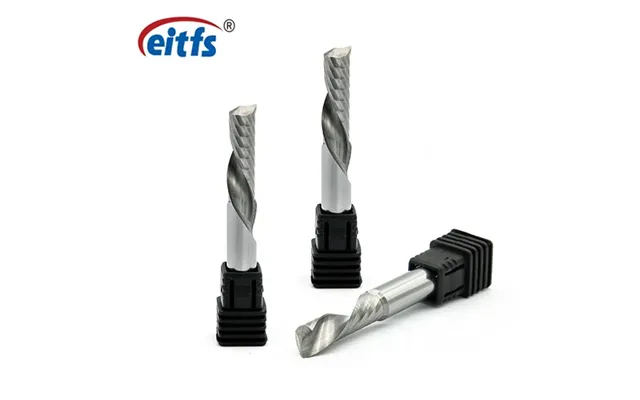
The CNC carbide carving router bit for granite and marble is listed at $5.30 through Alibaba. Another CNC wear-resistant sintered diamond carving tool for stone and granite is listed at $2.90. Both product titles emphasize carving or engraving, but they are not described as identical tools. Compare their stated construction and intended application before choosing between them.
Carbide and diamond tools are often selected because their cutting surfaces are intended for demanding materials. However, the exact result depends on the bit profile, machine, speed, material thickness, and operator technique. The reference data does not specify operating speeds or machine compatibility, so those details should be checked separately before use.
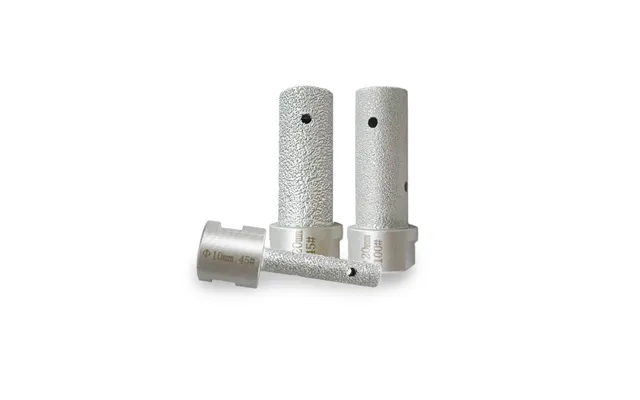
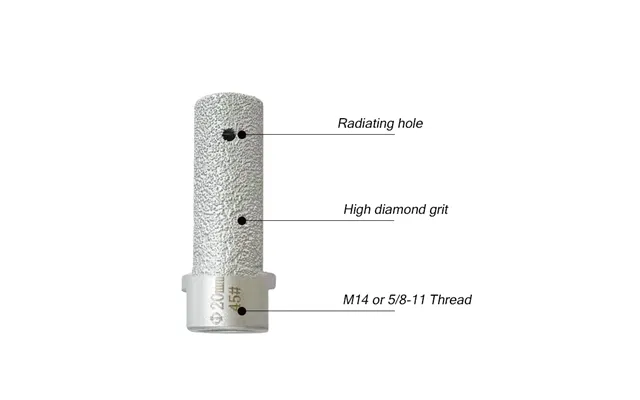
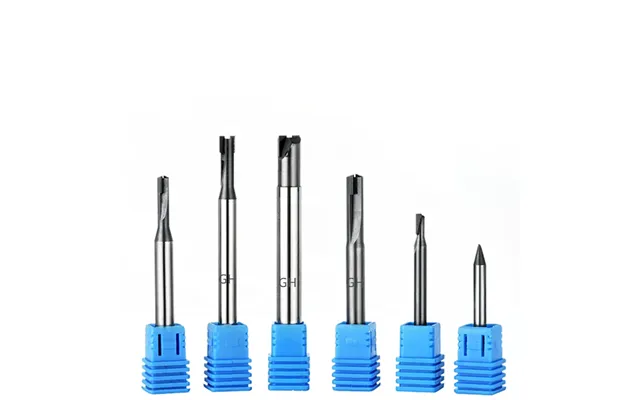
The selection contains two Deyi diamond finger router bits. The Deyi M14 thread diamond finger router bit is listed at $4.00, with size references from approximately 0.39 to 0.98 inches and coarse, medium, and fine grit options mentioned in its title. The Deyi 0.79-inch M14 thread vacuum-brazed diamond finger router bit is listed at $14.58.
These products are positioned for tasks involving porcelain, tile, enlarging holes, and milling. The M14 thread reference is part of the product naming, so compatibility deserves close attention. A threaded bit must match the equipment or adapter used for the job. If you are uncertain, verify the connection specification before purchasing.
The two Deyi options also differ in their listed descriptions. One highlights coarse, medium, and fine grit choices, while the other emphasizes a vacuum-brazed construction. Those distinctions may matter when you are comparing cutting feel, finish, or the type of hole work required. The available data does not provide performance tests, so treat the features as selection points rather than guaranteed results.
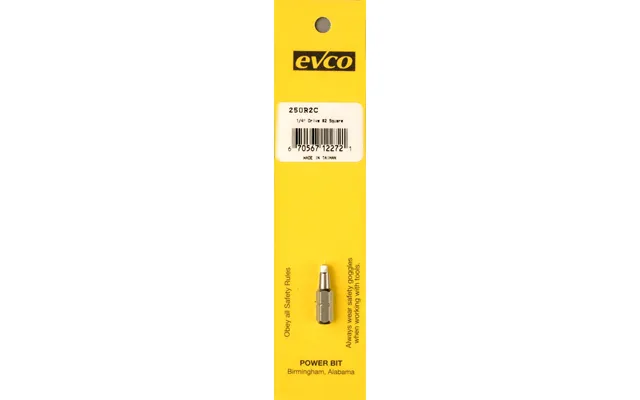
The AP PRODUCTS 009-250R2C bit is listed at $2.12 through The Twister Group. Its title identifies a 0.25-inch by 1-inch bit size and a square recess power bit design. This product is different from the carving and edge-forming tools in the selection because its stated purpose relates to a square recess power-bit format.
When choosing a recess or driver-style bit, the fastener head and bit shape need to match. A mismatch can make the tool slip or damage the recess. Compare the stated quarter-inch by 1-inch dimensions with your intended application, and check whether your equipment accepts the bit format.
The product is identified with the AP PRODUCTS brand in the reference data. Its listed price is substantially lower than the bead milling cutter and the larger Deyi diamond finger bit, but price alone does not determine suitability. A specialized bit that fits the task can save time compared with an inexpensive tool that cannot perform the required cut.
The listed prices cover a broad range. The Lavie corner round-over bit is shown at $0.75, while the CNC wear-resistant sintered diamond carving tool is listed at $2.90. The AP PRODUCTS power bit is listed at $2.12, the Deyi M14 diamond finger bit at $4.00, and the CNC carbide carving bit at $5.30.
The Deyi vacuum-brazed diamond finger bit is listed at $14.58. At the top of the selection, the bead milling cutter is listed at $44.21. These prices should be compared alongside the intended use, material, dimensions, and construction stated in each listing.
A low-priced bit may be exactly what you need for a small, specific task. For example, the $0.75 Lavie bit could attract a woodworker looking for a basic corner-rounding option. On the other hand, a user working with porcelain or granite may need to focus more on the listed diamond or carbide construction than on the lowest price.
Value is about fit, not just cost. Imagine buying a paintbrush: a tiny detail brush may be inexpensive and excellent for fine lines, but it will not cover a wall efficiently. Router bits work in much the same way. Match the tool to the project, then compare prices among the suitable options.
Router-bit dimensions affect both the scale of the cut and the type of project where the bit can be used. The listed products include sizes stated in fractions of an inch as well as metric measurements in their original names. For clarity, the metric references have been converted here to approximate imperial measurements.
The Lavie bit is approximately 0.31 inches. The bead tool listing references sizes from about 0.20 to 2.95 inches, including a 0.39-inch wooden-bead option. The Deyi listings reference an M14 thread, approximately 0.55 inches, and one finger bit is listed at approximately 0.79 inches.
These conversions are approximate, so they should not replace the seller’s specifications when precision is critical. A small discrepancy may matter when a bit must fit a collet, threaded accessory, guide, or existing hole. Always compare the exact listed specification with your equipment before use.
Diameter tells you part of the story, but profile tells you what the cutting edge is designed to create. A round-over bit forms a curved edge. A finger bit is associated with hole work and milling. A carving bit may be selected for relief or engraving. A square recess power bit has a different function altogether.
Before you add a product to your shortlist, picture the finished result. If you want a softened board edge, look at the round-over bit. If you need a decorative stone design, examine the carving options. If the goal is to work on a tile opening, focus on the diamond finger bits and their stated sizes.
ZoneOffer helps shoppers compare products and listed offers; it is not a store. The reference data shows the AP PRODUCTS bit through The Twister Group and the other listed router-bit products through Alibaba. This gives shoppers a starting point for comparing product descriptions and prices in one place.
When reviewing a listing, read beyond the headline. Check the product name, material or construction references, dimensions, intended surface, and any thread or bearing details. A clear comparison reduces the chance of choosing a bit simply because its picture or price looks appealing.
The Alibaba descriptions for several products include the phrase “1M new products” and mention possible savings of up to $500. The reference data does not provide further conditions for that statement, so shoppers should review the individual listing for applicable details rather than assuming a discount applies to every product.
Router bits spin at high speed, so preparation matters. Secure the workpiece, keep hands away from the cutting area, and use suitable eye and hearing protection. For dusty materials such as stone, granite, or marble, consider how dust will be controlled in your workspace.
Inspect the bit before use and make sure it is properly installed in compatible equipment. Do not rely on a product title alone to determine machine compatibility. Thread type, shank or connection size, bearing design, and cutting profile can all affect whether a bit is suitable for your setup.
Use a steady feed and avoid excessive pressure. Let the cutting tool do its work instead of treating it like a chisel. If the bit begins to behave unexpectedly, stop and reassess the setup, material, and tool selection.
For rounding wooden edges, the Lavie 0.31-inch corner round-over bit is the most directly aligned option in this selection. For bead-making or specialized wooden shapes, the Alibaba milling cutter listing may be more relevant. For a square recess power-bit application, the AP PRODUCTS 0.25-inch by 1-inch bit stands apart from the other choices.
For stone and granite carving, compare the CNC carbide carving bit at $5.30 with the sintered diamond carving tool at $2.90. For porcelain, tile, hole enlargement, or related milling work, examine the Deyi diamond finger bits listed at $4.00 and $14.58. The better choice depends on your material, equipment, required profile, and preferred specifications.
In conclusion, the router-bit selection includes affordable options for wood shaping, specialized bead work, square recess tasks, and hard-surface carving. Compare the listed dimensions, construction, profile, intended material, and price before deciding. With the right bit, your tool becomes more than a spinning cutter—it becomes a precise way to turn an idea into a finished project.