


Speed & Agility Ladders & Hurdles price list
Last updated Wednesday, Nov 4, 2026
| Speed & Agility Ladders & Hurdles | Price |
|---|---|
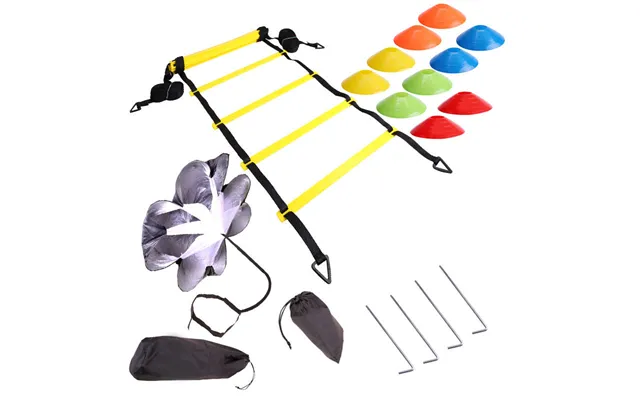
| Football Training Agility Ladder Step Training Rope Resistance Parachute Jumping Ladder Training Set Ground Nail | $22.12 |





Loading...
Last updated Wednesday, Nov 4, 2026
| Speed & Agility Ladders & Hurdles | Price |
|---|---|
| Football Training Agility Ladder Step Training Rope Resistance Parachute Jumping Ladder Training Set Ground Nail | $22.12 |
Speed is not only about running faster. It also involves balance, rhythm, reaction time, foot placement, and the ability to change direction without losing control. That is why speed and agility ladders and hurdles remain useful tools for athletes, coaches, and anyone building a more dynamic training routine. With the right setup, a simple training space can become a practical playground for sharper movement.
The Speed & Agility Ladders & Hurdles category includes equipment designed for drills that challenge the feet and body in different ways. One highlighted option in the reference data is the Football Training Agility Ladder Step Training Rope Resistance Parachute Jumping Ladder Training Set Ground Nail, listed under the brand and store name Voghion at a price of $22.12. ZoneOffer is a comparison site, so shoppers can use product information like this to compare options rather than treating ZoneOffer as a store.
Think of athletic movement as a conversation between your eyes, brain, and muscles. Your eyes notice what is happening, your brain chooses a response, and your body moves into position. Speed and agility drills help you practice that conversation repeatedly, making movement feel more organized and deliberate.
Traditional running can support general conditioning, but it may not challenge your feet to move in multiple directions. Ladder patterns and hurdle drills add variety by asking you to step, shuffle, hop, accelerate, and stabilize. That combination can make training feel more active while helping you focus on control instead of simply covering distance.
You do not need a stadium to begin. A clear training area and a structured routine can provide a foundation for practice. The equipment acts like a roadmap, giving you visual targets and encouraging consistent footwork.
An agility ladder creates a series of spaces for footwork drills. You can move forward, backward, sideways, or through changing patterns. Each variation gives the session a different emphasis, which helps prevent your routine from becoming predictable.
For beginners, the ladder can encourage careful stepping and a steady rhythm. Instead of rushing, you can focus on placing each foot accurately. Once the pattern feels comfortable, you can gradually increase the pace while keeping your posture controlled. The goal is not to move quickly at any cost; it is to move quickly without allowing technique to fall apart.
Ladder drills can also make warmups more engaging. A few controlled patterns may prepare the body for more demanding activity by raising the heart rate and encouraging active movement. Keep the first rounds comfortable, then build intensity as you become more familiar with the sequence.
You can start with a simple one-foot-per-space pattern, then try two feet in each space. Side shuffles offer a different challenge because they require lateral movement, while in-and-out steps ask you to move your feet around the ladder lines without stepping on them.
Another useful approach is to change the direction of travel. Moving backward requires more attention because you cannot rely on the same visual information as when moving forward. If you try backward drills, begin slowly and make sure the area is free of obstacles.
Training hurdles introduce an obstacle that athletes must clear while maintaining rhythm and balance. Unlike a ladder, which primarily guides foot placement, a hurdle asks you to lift the body over a defined point. That change can make a drill feel more like a series of small movement puzzles.
You can step over hurdles when learning a pattern or use controlled jumps when your technique is ready. The best choice depends on your experience, balance, and training goals. A smooth step-over can reinforce coordination, while a jump may demand more force and landing control.
Hurdles also encourage athletes to think about the landing. Clearing the obstacle is only half the task. You still need to land quietly, regain balance, and prepare for the next movement. Imagine each hurdle as a comma in a sentence rather than a full stop—the action should continue immediately after you clear it.
Using both tools can create a more varied session. For example, you might begin with a ladder pattern, transition into hurdle steps, and finish with a short acceleration. This sequence moves from precise footwork to obstacle control and then into faster movement.
When combining equipment, avoid adding too much complexity at once. Learn each drill separately first. Once you can perform the ladder and hurdle sections with consistent technique, connect them into a circuit. This approach helps you identify which part of the sequence needs more practice.
The reference data features the Football Training Agility Ladder Step Training Rope Resistance Parachute Jumping Ladder Training Set Ground Nail. Its listed description points to a multi-purpose training set that brings together an agility ladder, training rope, resistance parachute, jumping ladder, and ground nail.
That combination may appeal to athletes who want more than one training format in a single product listing. The ladder supports footwork practice, while the other named components suggest options for resistance, jumping, and securing equipment during training. Because the data identifies it for football training, it may be especially relevant to players working on movement patterns connected with field practice.
The listed brand is voghion, and the listed store is also voghion. The reference price is $22.12, with no regular price provided. Since product information can change, shoppers should use the comparison listing as a starting point and review the current details before making a purchasing decision.
A beginner session should feel challenging but manageable. Start by inspecting the space and placing the equipment where you can move without bumping into objects. Wear athletic footwear that feels secure, and leave enough room to slow down after each drill.
Begin with a general warmup that uses easy movement. Walking, gentle jogging, and controlled mobility work can help you transition into the session. You do not need to rush this stage. A thoughtful warmup is like tuning an instrument before a performance: it prepares you to move with better awareness.
Next, choose one ladder pattern. Practice it slowly for several passes, concentrating on posture and foot placement. Add a second pattern only after the first feels familiar. Then introduce a hurdle drill using step-overs before progressing to jumps.
Finish with a gradual cooldown. Easy walking and relaxed movement can help you shift out of the higher-intensity portion of the workout. Keep notes about which drills felt natural and which ones caused mistakes. That information can guide your next session.
It is tempting to race through every drill, especially when training with teammates. However, fast movement with poor control can reinforce habits you do not want. Start at a pace that lets you stay balanced, keep your eyes up when appropriate, and place your feet deliberately.
Once your technique remains consistent, increase the pace in small steps. If your feet begin to tangle or your landings become heavy, reduce the speed and reset. Progress should feel like turning a dimmer switch, not flipping a light switch on and off.
Football requires athletes to respond quickly while moving in different directions. Ladder drills can help players rehearse short steps, lateral shuffles, and changes of direction. Hurdle work can add a jumping or stepping element to the session, helping players practice staying coordinated while navigating obstacles.
A simple football-focused circuit might include forward ladder steps, lateral ladder movement, hurdle step-overs, and a short burst into open space. Keep the emphasis on clean transitions. A player who can move from small, precise steps into acceleration is practicing a movement sequence that feels more complete than a single repetitive drill.
You can also use reaction cues during practice. A coach or training partner may call out a direction or pattern, encouraging the athlete to listen, process, and respond. Keep the instructions simple at first, then add variety as confidence improves.
The featured set’s description includes a resistance parachute and jumping ladder, which suggests training options beyond standard footwork. Resistance-based drills can make acceleration feel different because the athlete must work against additional drag. Keep the effort controlled and focus on posture rather than leaning excessively or allowing the stride to collapse.
Jumping drills require attention to takeoff and landing. Use a soft, controlled landing and avoid letting the knees collapse inward. If repeated jumps feel uncomfortable, switch to step-over movements or reduce the number of repetitions. Quality matters more than completing a large quantity of jumps.
The listed ground nail may help secure equipment during use, depending on the setup and the product’s current instructions. Always follow the instructions supplied with the product and make sure the training area is appropriate before using any securing component.
Start with your main objective. Are you trying to improve footwork, coordination, jumping control, acceleration, or general movement variety? A ladder may be enough for a focused footwork routine, while a combined set may offer more ways to organize practice.
Consider how many people will use the equipment. An individual athlete may prefer a compact setup that is easy to arrange for personal sessions. A coach may value a set that supports multiple drill formats during team practice. The right choice depends on how you intend to train, not simply on how many components appear in a listing.
Portability can also matter. Equipment that is straightforward to set up may be more likely to become part of your regular routine. After all, the most useful training tool is often the one you will actually use consistently.
Before comparing an option, read the full listing details. Look for the components included, the intended training use, and any setup information provided by the seller. The reference data confirms the name, description, brand, store, and listed price of the featured voghion set, but it does not provide additional specifications such as dimensions, material details, or availability.
That distinction matters. Avoid assuming that an unlisted feature is included. Use the available information as a clear starting point, then verify the current listing details through the comparison process before deciding.
One common mistake is beginning with maximum speed. Fast drills can look impressive, but they become less useful when the athlete loses balance or misses the intended pattern. Start with control, then build pace.
Another mistake is repeating the same drill without purpose. Variety can help keep your sessions engaging, but random movement is not the same as structured training. Choose patterns that support your goal and change them when you can perform them consistently.
Skipping recovery is another issue. Agility work may seem short, yet repeated stops, starts, jumps, and direction changes can be demanding. Take short breaks when needed, drink water, and stop if pain appears. Training should challenge you without encouraging you to ignore warning signs.
Use a timer, a training partner, or a simple scorecard to add structure. You might track how many clean passes you complete, how consistently you land, or whether you maintain the same pattern from start to finish. These measures keep your attention on performance rather than on speed alone.
You can also create themed sessions. One day may focus on forward and backward movement, another on lateral steps, and another on hurdles and acceleration. This variety gives your routine a sense of direction while keeping the equipment fresh.
Ask yourself a useful question after each workout: what improved, and what needs more attention? That question turns every session into feedback. Over time, small observations can lead to better habits and a more confident approach to training.
Choose a clear surface and remove objects that could interfere with footwork. Place the ladder and hurdles so you have enough space to slow down at the end of a drill. If you are training outdoors, check the surface for holes, loose debris, or slippery areas.
Use movements that match your current ability. If jumping feels unstable, begin with stepping. If backward movement feels awkward, reduce the pace and keep the pattern simple. You can make a drill more demanding later; there is no advantage in forcing a progression too soon.
Young athletes should train with suitable supervision, especially when learning jumps, resistance work, or rapid changes of direction. A coach or responsible training partner can help explain the pattern and notice technique issues that may be difficult to feel while moving.
ZoneOffer helps shoppers compare products in the category rather than functioning as a store. When reviewing a listing, pay attention to the product title, description, brand, store, and listed price. For the featured option, the available data identifies the voghion Football Training Agility Ladder Step Training Rope Resistance Parachute Jumping Ladder Training Set Ground Nail at $22.12.
Comparison shopping is useful because the best choice depends on your goals, preferred training style, and the equipment described in the listing. A multi-component set may be attractive if you want different drill formats, while a simpler product may suit someone who wants to concentrate on ladder footwork.
Keep your expectations tied to the information provided. If the data does not state a measurement, material, rating, shipping detail, or availability status, treat that information as unconfirmed. A careful comparison helps you make a decision based on what is actually listed.
Speed and agility ladders and hurdles can turn ordinary movement into focused practice. They give you visual targets, encourage precise footwork, and create opportunities to work on balance, jumping, direction changes, and acceleration. The featured voghion training set, listed at $22.12 in the reference data, combines several named training elements for athletes interested in a varied routine. By starting slowly, emphasizing technique, and comparing product details carefully through ZoneOffer, you can build a practical training setup that keeps every step purposeful.