

Water Levelers price list
Last updated Saturday, Oct 17, 2026




View 8 Offers
Loading...
Last updated Saturday, Oct 17, 2026
Keeping water at the right level can make everyday maintenance much easier. Whether you are filling a stock tank, managing a trough, or tracking fluid information through a compatible display, the right water leveler can act like a quiet assistant. It opens the water supply when the level drops and helps prevent unnecessary overflow when the tank is full.
The products in this comparison include float valves for agricultural and general tank applications, plus a digital fluid-level adapter for compatible Garmin equipment. They differ in material, flow rate, operating pressure, installation style, and intended use. So, how do you choose the best match? Start by looking at your tank, water source, connection, and need for manual or electronic monitoring.
ZoneOffer is a comparison site, not a store. The listed offers help you review product details and prices from the referenced sellers, including Peta2z and The Twister Group. Prices and availability can change, so use the comparison information as a starting point before making a purchase.
A water leveler is a device designed to help maintain a consistent fluid level. The most common style in this selection is a float valve. It uses a floating component that rises with the water and closes or restricts the inlet when the tank reaches a chosen level. As the water falls, the float drops and allows more water to enter.
Think of a float valve as a physical traffic controller. When the tank has enough water, it stops incoming flow. When the tank needs more, it lets the supply move again. This simple action can be useful for troughs, barrels, pans, and stock tanks where regular refilling would otherwise take time.
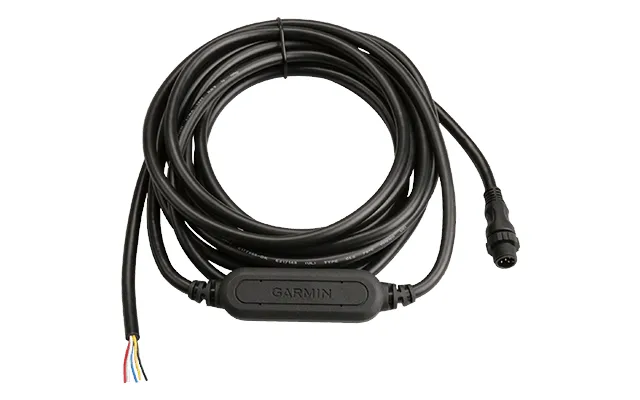
The Garmin GFL 10 Fluid Level Adapter works differently. It is not a mechanical refill valve. Instead, it is designed to track fluid-level information on compatible Garmin display devices connected to an NMEA 2000 network. That makes it a monitoring accessory rather than an automatic water-filling solution.
Manual filling can be inconvenient, especially when a tank is used frequently. A float valve can reduce the need to watch the water level throughout the day. It may also help maintain a more dependable supply for applications that rely on a consistently filled trough or tank.
Automatic control can also help limit avoidable overflow. A valve that shuts off as the float rises provides a straightforward way to control incoming water. However, the valve still needs to be correctly installed, matched to the water pressure, and checked regularly. No leveler should be treated as a substitute for inspection.
For users who need information rather than automatic refill control, a digital adapter may be more appropriate. The Garmin model listed here connects fluid-level information with compatible Garmin display devices. This approach can be useful when you want to observe information through an onboard electronic system instead of relying only on a physical float.
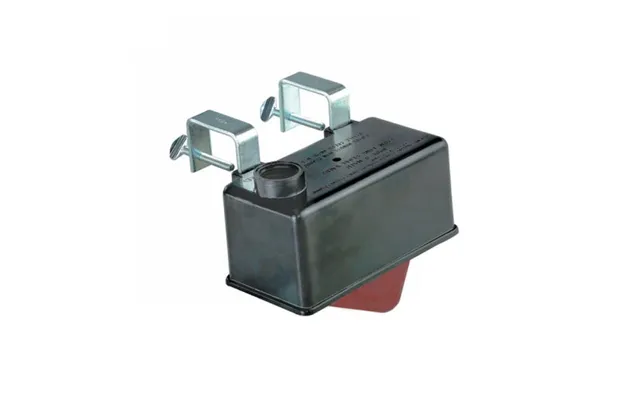
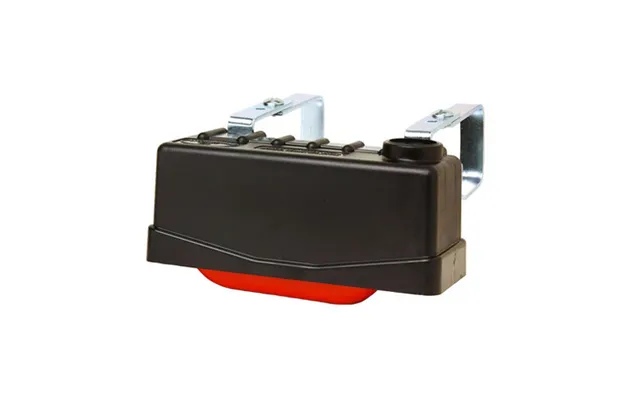
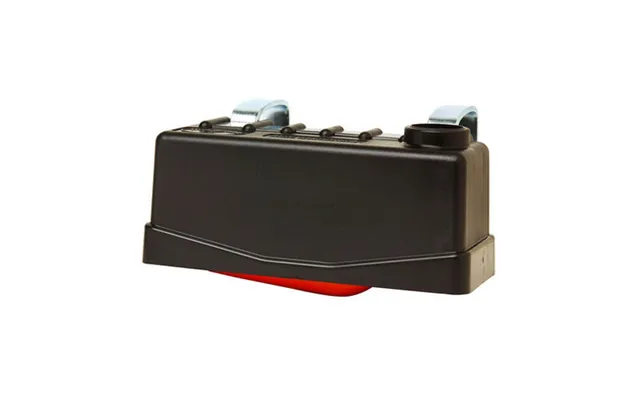
The Trough-O-Matic plastic models are designed to turn a stock tank, trough, barrel, or pan into an automatic waterer. The reference data states that the plastic valve flows up to 245 gallons per hour and operates between 20 and 50 psi. It accepts a standard 3/4-inch garden hose connection.
Two plastic versions appear in the offers. The Plastic Trough-O-Matic Float Valve with expansion brackets is listed at $19.30 from peta2z. The Plastic Trough-O-Matic Float Valve Original is listed at $16.03 from the same store. Both are described as molded from polystyrene, with the expansion-bracket version identified as an anti-siphon model.
The listed dimensions are 7.5 inches long by 3 inches wide by 4.2 inches high, while the original-with-expansion-brackets models are described as 7.5 inches long by 3 inches wide by 3.5 inches high. The products fit tank rims up to 2 inches thick and 4.325 inches wide, according to the supplied details.
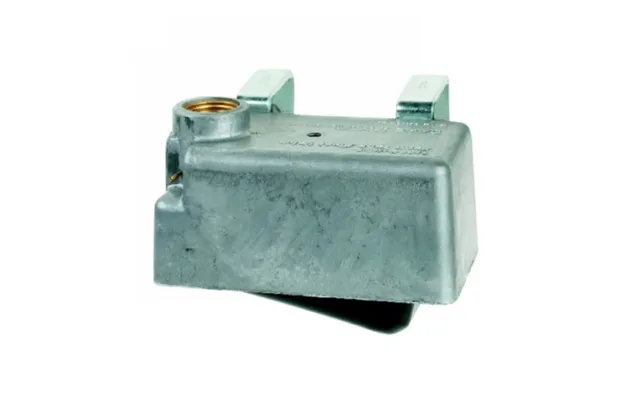
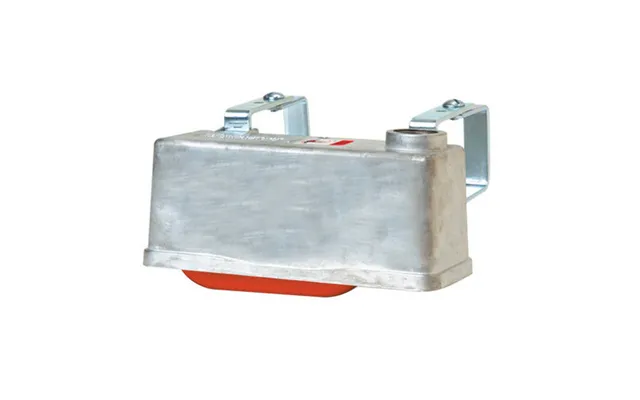
If you prefer a metal housing, the Trough-O-Matic Metal Float Valve may be worth comparing. It is listed at $26.82 from peta2z. Like the plastic versions, it is rated for flow up to 245 gallons per hour and pressure between 20 and 50 psi.
The metal design features an aluminum housing with a nylon orifice. It also accepts a standard 3/4-inch garden hose and includes expansion brackets. The listing describes an anti-siphon model that complies with basic back-siphoning regulations. Its listed dimensions are 7.5 inches long by 3 inches wide by 4.2 inches high, with a tank-rim fit of up to 2 inches thick and 4.325 inches wide.
Why choose metal? Material preference often comes down to the environment, expected handling, and how you want the valve to feel during installation. The supplied data does not provide a durability ranking between the metal and plastic options, so it is best to compare the construction details with your own setup rather than assume one is universally better.
The Dare Farm Tank Float Valve Plastic Housed is listed at $14.00 from peta2z. It is described as an aluminum-housed float valve in the product information, so shoppers should review the full listing carefully when comparing the title and description. The valve is adjustable to several heights and is designed for installation with hanging plated brackets.
The listed operating range includes gravity flow or pressure up to 70 psi, with a capacity of 300 gallons per hour. That stated capacity is higher than the 245-gallon-per-hour figure given for the Trough-O-Matic options. Still, flow performance depends on the water system, pressure, connection, and installation conditions.
The Dare Farm Tank Float Valve Aluminum Housed is listed at $30.76 from peta2z. It shares the stated operating characteristics of the other Dare listing: adjustment to several heights, installation with hanging plated brackets, operation from gravity flow or pressure up to 70 psi, and a capacity of 300 gallons per hour.
When comparing the Dare options, the most visible difference in the offer titles is the housing description. The plastic-housed listing is priced lower than the aluminum-housed listing in the supplied data. Consider your tank configuration, mounting space, water pressure, and preferred construction before deciding which version fits your project.
Flow rate tells you how much water a valve can deliver over a period of time. The Trough-O-Matic models are listed at up to 245 gallons per hour, while the Dare models are listed at 300 gallons per hour. A higher stated capacity may sound better, but it is only useful if your water supply and tank can support it.
Pressure is equally important. The Trough-O-Matic listings specify operation between 20 and 50 psi. The Dare listings specify gravity flow or pressure up to 70 psi. These ranges are not interchangeable, so compare the valve specifications with your actual water source before installation.
What if your setup uses gravity rather than a pressurized line? The Dare descriptions specifically mention gravity flow, which may make those models worth a closer look for suitable applications. However, the reference information does not define every gravity-flow condition, so you should verify that your system provides enough flow for the result you expect.
A valve can have excellent specifications and still be the wrong choice if it does not fit your tank. The Trough-O-Matic listings identify compatibility with a standard 3/4-inch garden hose. They also provide tank-rim measurements, including a maximum rim thickness of 2 inches and a width of 4.325 inches.
Measure before you compare prices. Check the tank rim, the available mounting area, the water-line connection, and the position where the float will sit. A few minutes with a tape measure can prevent the frustration of ordering a component that cannot sit level or cannot reach the water correctly.
The Dare models are described as adjustable to several heights and install with hanging plated brackets. That adjustability may be useful when the desired water level varies between tanks. Even so, the correct height depends on the tank and the way the bracket is positioned. Follow the product instructions and inspect the valve after setup.
Some Trough-O-Matic listings describe an anti-siphon design with expansion brackets and state that the model complies with basic back-siphoning regulations. This feature is relevant because water systems should be installed with attention to preventing unwanted reverse flow.
The reference data does not provide a complete explanation of local plumbing requirements, and it does not claim that every product meets every regulation. Therefore, treat the anti-siphon description as a product detail, not as a universal compliance guarantee. If your installation is subject to local rules, check the requirements that apply to your property and water system.
Correct positioning also matters. A valve that is tilted, loosely mounted, or exposed to debris may not shut off as expected. After installation, watch the tank fill, confirm that the inlet closes, and look for leaks around the connection. A water leveler is simple, but simple equipment still benefits from careful setup.
The Garmin 010-11326-00 GFL 10 Fluid Level Adapter is a different type of product from the mechanical float valves. It is listed at $213.12 from The Twister Group. Its purpose is to track fluid-level information on compatible Garmin display devices connected to an NMEA 2000 network.
The listed compatible devices include echoMAP UHD, echoMAP Ultra, GMI 20, and GPSMAP units. The product information also states a 9-to-16-volt direct-current range from the NMEA 2000 bus, a 3.3-foot cable length, and a temperature range from 5 to 158 degrees Fahrenheit.
The adapter is listed in black and measures 3-3/32 inches long by 31/32 inch wide by 43/64 inch high. These measurements can help you consider whether it will fit your available equipment space. Because the listing specifies compatibility with particular Garmin display families and an NMEA 2000 network, confirm your existing system before comparing this adapter with mechanical valves.
If your main goal is automatic filling, start with the Trough-O-Matic and Dare float valves. The Trough-O-Matic products are specifically described for stock tanks, troughs, barrels, and pans. The Dare listings focus on farm tank use and provide a 300-gallon-per-hour capacity.
The Trough-O-Matic models identify a standard 3/4-inch garden hose connection. That detail may simplify comparison if your existing water line uses that size. Always check the actual connection on your setup rather than relying only on appearance.
Choose the Garmin option only when you need fluid-level information on a compatible Garmin display and have the required NMEA 2000 network. It is not presented as a replacement for a float valve that automatically refills a tank.
Among the listed offers, the Dare Farm Tank Float Valve Plastic Housed is priced at $14.00, while the Trough-O-Matic Plastic Original is listed at $16.03. The other mechanical valve prices are $19.30, $26.82, $28.98, $30.76, and $86.76, while the Garmin adapter is listed at $213.12. These are the prices shown in the reference data and may change.
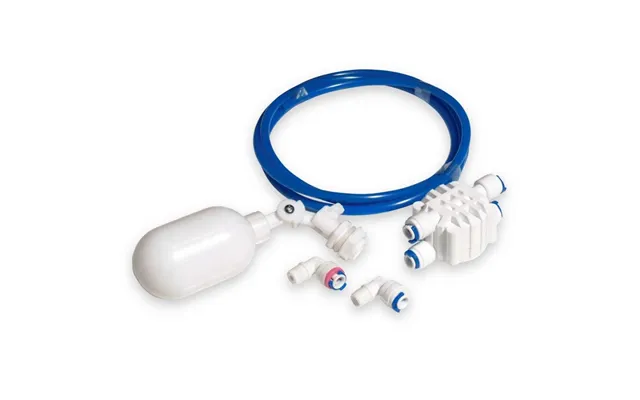
The Aquatic Life Reverse Osmosis Float Valve Kit is listed at $28.98 from peta2z. The offer identifies a 4-inch size and a quantity of one each, but the supplied description does not provide additional performance specifications such as flow rate, pressure range, or connection type.
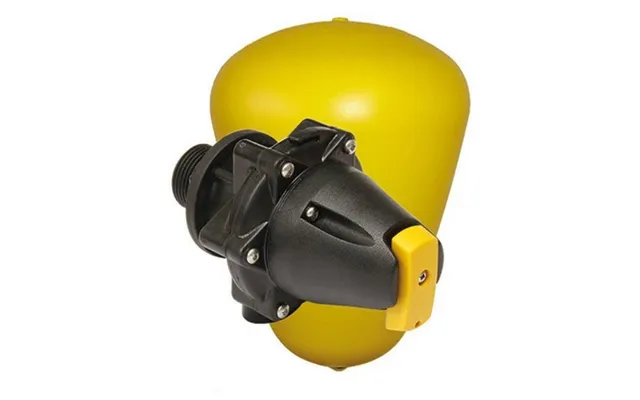
Jobe Valves Megaflow Float Valve is listed at $86.76 from peta2z. The data identifies it as a 3/4-inch black float valve, but does not include a flow rate, operating pressure, dimensions, or detailed installation information. Because of that, shoppers should compare the full product details before deciding whether it suits a particular tank or water system.
These two products show why specifications matter. A familiar product name or appealing price is only one piece of the puzzle. Connection size, pressure compatibility, mounting design, materials, and intended use should all be considered together.
Before installing any water leveler, shut off the water supply and inspect the tank. Remove debris from the mounting area, check the hose or line connection, and make sure the valve can move freely. The float needs enough room to rise and fall without rubbing against the tank wall or another component.
After installation, turn the water on gradually. Watch the fill cycle and confirm that the valve closes at the desired level. Check for leaks at the connection and around the mounting point. If the water continues to run after the float rises, shut off the supply and inspect the alignment, debris, and adjustment.
Regular checks are worthwhile. Look for buildup, damaged brackets, loose connections, and restricted movement. If the water quality or environment causes residue, clean the relevant components according to the manufacturer’s instructions. Do not force a float or alter a valve unless the product instructions support that adjustment.
ZoneOffer makes it easier to compare the products and offer details provided in the reference data. It does not sell the products itself. The listed seller information includes peta2z for most mechanical valves and The Twister Group for the Garmin adapter.
Use the comparison process like building a checklist. First, identify whether you need automatic refill control or electronic monitoring. Next, compare pressure and flow specifications. Then check connection size, tank dimensions, mounting method, material, and price. Finally, review the current seller listing for updated information before placing an order.
The best water leveler depends on the job in front of you. Trough-O-Matic models offer listed flow up to 245 gallons per hour and support a standard 3/4-inch garden hose, while Dare farm tank valves list up to 300 gallons per hour and operation up to 70 psi. The Aquatic Life and Jobe Valves products add further options, although their supplied specifications are more limited. For electronic monitoring, the Garmin GFL 10 is designed for compatible Garmin displays and an NMEA 2000 network. Compare the details carefully, measure your installation area, and choose the product that matches your water system rather than simply picking the lowest price.