

Fountains & Ponds - Other price list
Last updated Wednesday, Oct 14, 2026
| Fountains & Ponds - Other | Price |
|---|---|
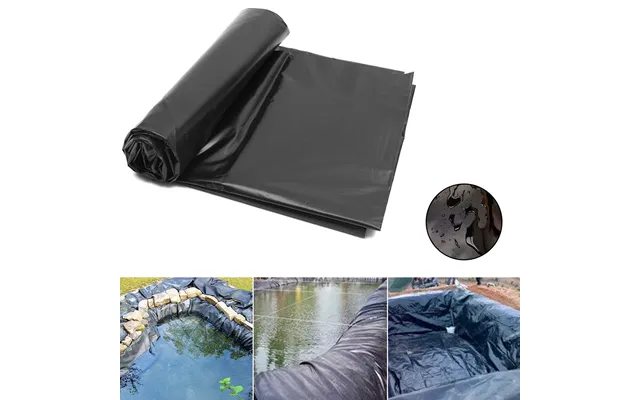
| Hdpe Pvc Garden Fish Pond Liner Anti-seepage Waterproof Heavy Duty Membrane Reinforced Landscaping Furniture Dust Cover | $19.99 |



Loading...
Last updated Wednesday, Oct 14, 2026
| Fountains & Ponds - Other | Price |
|---|---|
| Hdpe Pvc Garden Fish Pond Liner Anti-seepage Waterproof Heavy Duty Membrane Reinforced Landscaping Furniture Dust Cover | $19.99 |
A garden pond can become the visual centerpiece of your outdoor space. Add a few plants, shape the edges with stone, or pair the water feature with a pondless waterfall, and an ordinary corner can feel more peaceful and inviting. Yet beneath every attractive pond is one essential layer: a reliable liner.
The HDPE PVC Garden Fish Pond Liner listed in the Fountains & Ponds - Other category is designed to help create ponds, pondless waterfalls, and other water features. It is a black, reinforced membrane from GOTGELIF, listed by Banggood.com at $19.99. Because ZoneOffer is a comparison site rather than a store, the listing is useful for comparing the product details in one place before you decide whether it suits your project.
Think of a pond liner as the waterproof foundation of your water feature. Without a suitable barrier, water can gradually seep into the surrounding soil. That may make it difficult to maintain the desired water level and can turn a simple garden project into an ongoing source of frustration.
A liner creates a defined surface between the water and the ground. It can help you shape a pond basin, support a decorative stream, or form the channel for a pondless waterfall. The liner does not replace careful planning, but it gives your design a practical starting point.
The featured product is described as having a good waterproof function and being suitable for pond and other water conditions. Those qualities make the material relevant for homeowners who want to build or refresh a small outdoor water feature.
The listed pond liner is made from HDPE, or high-density polyethylene. It is black and reinforced, with the product description highlighting flexibility, lightweight handling, and ease of installation. These features can be helpful when you need to position the material around a shaped garden basin rather than lay it across a perfectly flat surface.
The offer includes one pond liner. The listing shows a price of $19.99 on Banggood.Com and identifies GOTGELIF as the brand. The available size options shown in the reference data include approximately 1.6 by 3.3 feet, 4.9 by 4.9 feet, 4.9 by 11.5 feet, 11.5 by 11.5 feet, 6.6 by 9.8 feet, and 6.6 by 14.8 feet. These are approximate conversions from the listed dimensions.
The product information also lists thickness options including approximately 0.005 inch, 0.39 inch, and 0.39 inch. Since the source presents multiple thickness entries in different formats, it is sensible to check the selected option carefully before placing an order. Comparing the exact size and thickness is just as important as comparing the headline price.
Size is where many pond projects succeed or stumble. A liner that is too small may not reach over the edges, while an oversized piece can be harder to fold and position. Before choosing an option, sketch the pond shape and estimate its length, width, and depth.
For a basic rectangular design, you can estimate the required liner length by adding the pond length to twice the intended depth, then allowing extra material for the edges. Use the same approach for the width. For example, a pond measuring 6 feet long, 4 feet wide, and 1 foot deep would need more than a simple 6-by-4-foot sheet because the liner must travel down the sides and extend beyond the rim.
Irregular ponds require additional allowance. Curves, shelves, shallow planting areas, and waterfall channels all consume extra material. It is usually better to have some excess around the perimeter than to discover that the liner ends just short of the edge.
Start by marking the pond’s widest points and deepest point. Then measure the length and width across the excavation, not just across the visible water surface. Add the depth twice to both measurements and include an edge allowance for securing the liner.
If your design includes a stream or waterfall, measure that section separately. A liner that covers the main basin may not be long enough to continue through a channel. Planning the complete water route first helps you select a size that works as one connected surface.
HDPE is a common material for practical outdoor applications because it can provide a balance of flexibility and durability. In this listing, the membrane is described as reinforced and lightweight. That combination may make it easier to carry, unfold, shape, and position during installation.
Lightweight does not mean you should drag the liner across sharp ground. Stones, roots, broken branches, and rough construction debris can place stress on any flexible membrane. Prepare the surface carefully so the liner rests on a smoother base.
The black color can also blend naturally into a pond environment. Once water, gravel, edging stones, and plants are in place, the liner is intended to sit below or around those finishing elements rather than dominate the appearance of the garden.
Before digging, decide what role the pond will play. Are you creating a quiet reflective pool, a fish pond, or a feature connected to a waterfall? Each design has different space and shaping needs, even when the underlying waterproofing principle is the same.
Mark the outline with a hose, rope, or garden-safe marker. Walk around the proposed pond and view it from different angles. Does it look balanced from the patio? Will it be visible from a window? A few minutes of planning can prevent a pond from feeling squeezed into an unsuitable corner.
Keep access in mind as well. You will need room to place the liner, add edging, and maintain the surrounding area. A pond should feel like an invitation, not an obstacle course. Simple access makes future cleaning and inspection much easier.
Good preparation is the foundation of a successful liner installation. Remove sharp rocks, roots, glass, sticks, and other objects that could press against the membrane. Shape the sides so they are stable and avoid steep, unstable walls where possible.
A smooth base helps the liner settle into the contours of the pond. You can also use a suitable protective underlayer when your ground conditions call for additional separation between the soil and membrane. The goal is to reduce concentrated pressure points beneath the liner.
Once the excavation is ready, inspect the area again. Run your hand over the surface or use a careful visual check to find anything that could puncture or sharply crease the material. It is easier to fix the ground before the liner is installed than after the pond has been filled.
Unfold the liner near the pond and allow it to relax before positioning it. Avoid forcing every crease flat immediately. Flexible material often becomes easier to arrange when you work gradually from the center outward.
Place the liner so it extends beyond the pond edge on all sides. Do not trim the excess too early. The extra material gives you room to adjust the folds, accommodate the water level, and secure the perimeter after the basin has been tested.
As you add water, pause occasionally to smooth large folds and guide the liner into the contours. Let the weight of the water help form the basin instead of pulling aggressively on the edges. This approach can create a more even fit while reducing unnecessary strain.
Folds are normal in a shaped pond, particularly around corners and shelves. Rather than trying to eliminate every wrinkle, aim to position the larger folds neatly and keep them away from areas where sharp objects could press against the membrane.
For curved edges, create broad, controlled pleats instead of many tight creases. Broad folds are easier to cover with stones or edging materials and can give the finished pond a cleaner appearance.
A pondless waterfall sends water over rocks and back to a hidden reservoir instead of ending in an open pond. This can be an appealing option when you want the sound and movement of water without a large visible pool.
The featured liner is described as suitable for pondless waterfalls and other water conditions. For this type of project, measure the complete water path, including the waterfall channel, side returns, and reservoir area. Water can escape wherever the liner stops short or fails to overlap the intended route.
Shape the channel so water flows toward the reservoir rather than into surrounding soil. Rocks and decorative materials should be placed carefully, with attention to sharp edges and points that could put pressure on the membrane. A thoughtful layout helps the waterfall look natural while keeping the water moving in the desired direction.
A lined fish pond can add movement and character to a garden. The liner forms the waterproof base, while the pond’s depth, shape, water quality, and overall environment determine whether the finished feature is suitable for aquatic life.
If you are planning a fish pond, consider the complete habitat rather than focusing only on the liner. Include areas for plants, shade, and safe movement. Avoid rushing to fill the pond with fish before the installation and water feature have been properly prepared.
The reference listing identifies the product as a garden fish pond liner, but it does not provide detailed fish-care specifications or water-quality guidance. Use the liner information as one part of the project plan and research the needs of the fish and plants you intend to keep.
The product description highlights waterproof performance and says the material can be repaired or patched. That can be useful if a small damaged area appears during handling or installation. Still, prevention is better than repair.
Keep the work area clear while unfolding the membrane. Do not place tools, stones, or sharp decorative pieces directly on top of it. If you need to walk across the liner during installation, inspect your footwear and the surface first.
Should a patch be necessary, follow the instructions supplied with the appropriate repair materials and prepare the area carefully. A patch needs a clean, suitable surface and should be checked before the pond is filled completely. The reference data confirms repairability but does not specify a particular patch method or repair product.
The edge is where a pond transitions from construction project to garden feature. Secure the excess liner beneath stones, soil, edging, or other suitable landscaping materials. Keep enough material in place to maintain a reliable barrier between the water and surrounding ground.
Use stones carefully. Heavy rocks can help hold the liner, but sharp points should not press directly against the membrane. Arrange the edging so it looks intentional, almost like a frame around a painting.
Plants can soften the transition between water and garden. Choose placement with maintenance in mind, leaving enough access to inspect the liner edge and remove debris. A beautiful pond is easier to enjoy when you can reach the parts that need occasional attention.
Even a well-installed pond needs simple care. Remove leaves and debris before they build up, inspect visible edges periodically, and watch for unusual changes in the water level. A noticeable drop may have several causes, including evaporation, splashing, or a possible leak.
Keep surrounding branches and sharp garden tools away from exposed liner sections. If landscaping shifts after rain or seasonal changes, check whether stones or soil have moved against the membrane.
For a pondless waterfall, inspect the channel and reservoir area. Make sure rocks remain stable and that water continues to follow the intended route. Small adjustments early can prevent larger landscaping problems later.
The GOTGELIF pond liner is listed on Banggood.Com for $19.99. Its reference details emphasize flexibility, waterproofing, lightweight handling, and use in ponds and pondless waterfalls. The offer includes one liner and presents multiple size options.
When comparing this product with other liners, look beyond the displayed price. Match the dimensions to your design, review the thickness option, consider how the material will be handled, and think about whether you need one continuous piece for the entire water path.
ZoneOffer provides comparison information to help you review products such as this one. It is not the seller, and the listing should be checked for the option details that apply to your project before you make a purchasing decision.
A pond liner is the quiet structure behind a memorable garden water feature. The featured reinforced HDPE membrane from GOTGELIF offers a listed option for ponds, fish ponds, and pondless waterfalls, with several approximate size choices and a listed price of $19.99 on Banggood.Com. Measure carefully, prepare the ground, protect the material during installation, and allow the surrounding landscape to complete the design. With the right planning, your pond can become a calm focal point rather than a constant maintenance challenge.