


Rocks & Fossils price list
Last updated Monday, Nov 2, 2026




View 22 Offers
Loading...
Last updated Monday, Nov 2, 2026
Rocks and fossils open a small window into a much larger world. A blue sapphire can feel like a piece of deep ocean, moss agate can resemble a miniature forest, and a rough mineral can preserve the raw character of the earth. Whether you are building a collection, planning custom jewelry, or simply searching for an unusual natural treasure, the current selection offers plenty to explore.
ZoneOffer is a comparison site that helps you discover products from different listings and sellers. The selection featured here includes loose sapphires, alexandrite, aquamarine, moss agate, tourmaline, calcite, and a small rock collection box. Prices shown are the listed prices in the reference data and may change, so use them as a guide while comparing options.
Every stone has a visual story. Some tell it through color, others through texture, shape, transparency, or the way they respond to light. Unlike mass-produced decorations, natural stones often have small differences that make each piece feel personal. Think of them as nature’s artwork, with no two canvases painted in quite the same way.
Collectors may look for a particular gemstone, an unusual cut, a birthstone, or a material that fits a jewelry project. Beginners, meanwhile, may prefer a varied set that lets them compare several colors and textures at once. The reference selection includes both individual loose gemstones and a natural eight-piece rock collection box, giving shoppers more than one way to begin.
Sapphire is often associated with rich blue color, strong visual presence, and formal jewelry. The featured Capucinne listings focus on loose, faceted sapphires that can be considered for custom settings. Their octagon shapes create a clean outline, while the brilliant cuts are designed to interact with light.
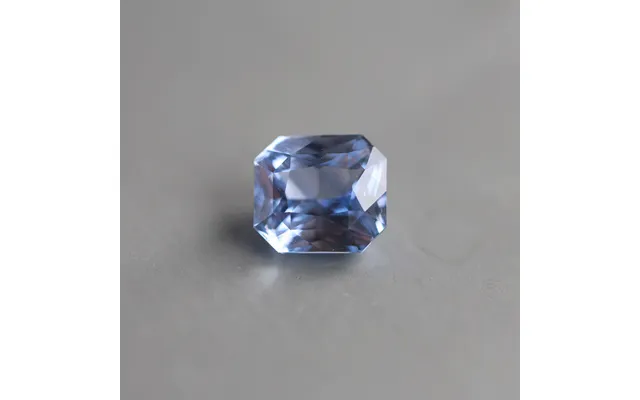
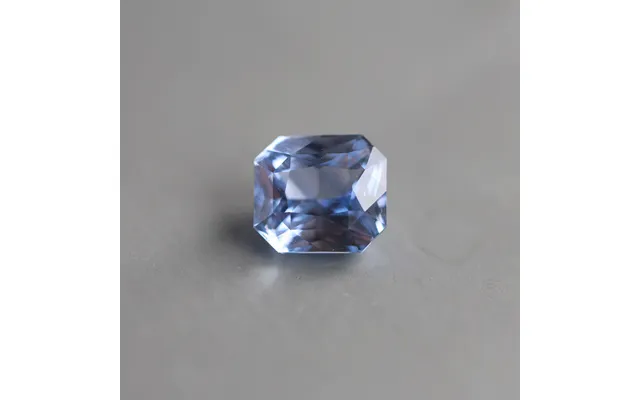
Two listings feature a loose 5.07-carat octagon blue sapphire. The stated dimensions are 9.52 by 8.51 millimeters, which is approximately 0.38 by 0.34 inches. Both listings describe the stone as unheated and available for custom setting, while offering different setting numbers.
The listed prices are $10,670 for the “Setting 19” option and $11,000 for the “Setting 9” option. If you are comparing them, pay attention to the setting reference and the customization information rather than assuming the two listings are identical. The listing also says that material and ring size can be selected from the available options.
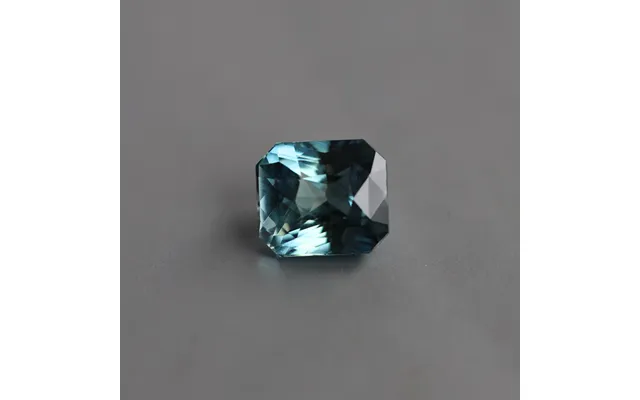
For a softer or more unconventional color direction, the 3.03-carat octagon teal sapphire may be worth a closer look. Its listed dimensions are 8.22 by 7.17 millimeters, or approximately 0.32 by 0.28 inches. The stone is described as unheated, brilliant cut, and available for custom setting.
The listed price is $7,370. Teal can sit between blue and green, making it an interesting choice for someone who wants the structure of a classic sapphire shape without selecting a traditional deep-blue appearance. As with the other sapphire listings, review the setting information carefully before making a comparison.
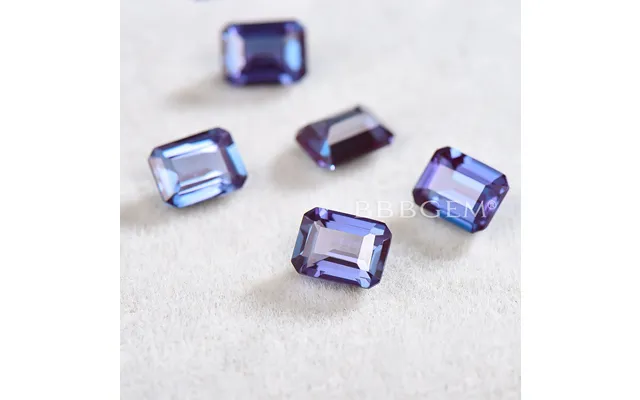
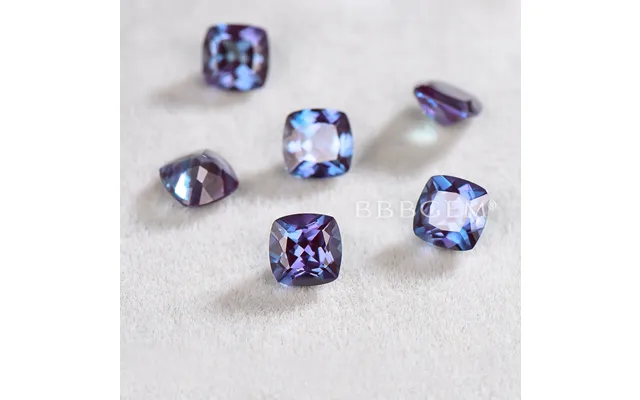
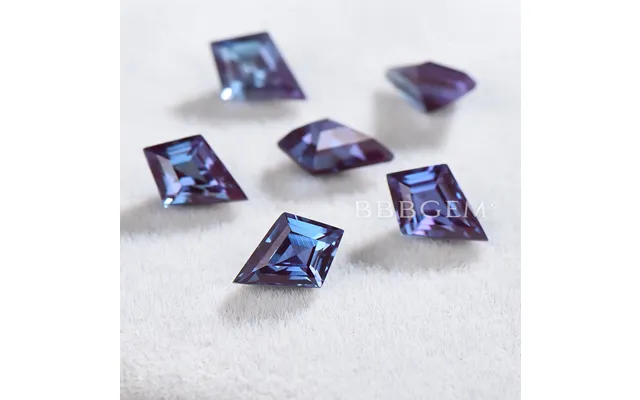
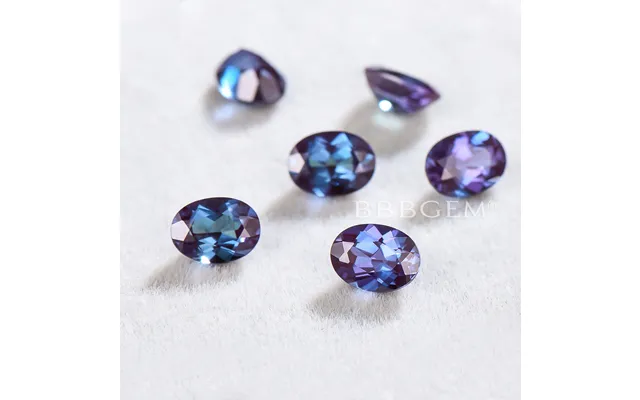
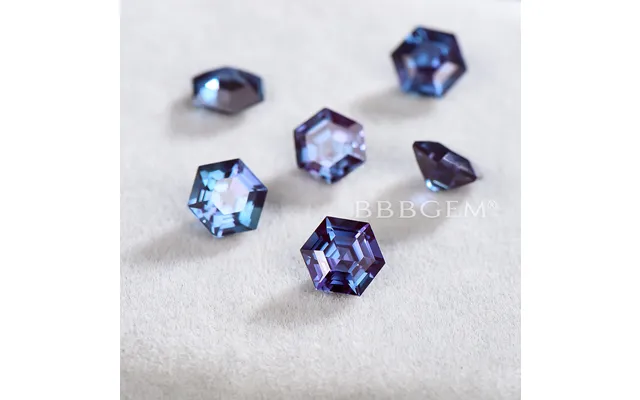
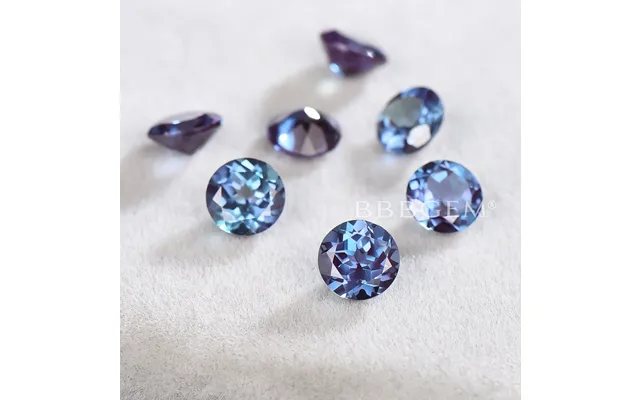
Alexandrite stands out because the listings describe it as a color-change gemstone. Its appeal comes from the possibility of seeing different color impressions under different lighting conditions. That quality gives it a lively, almost theatrical character: one stone can appear to tell more than one visual story.
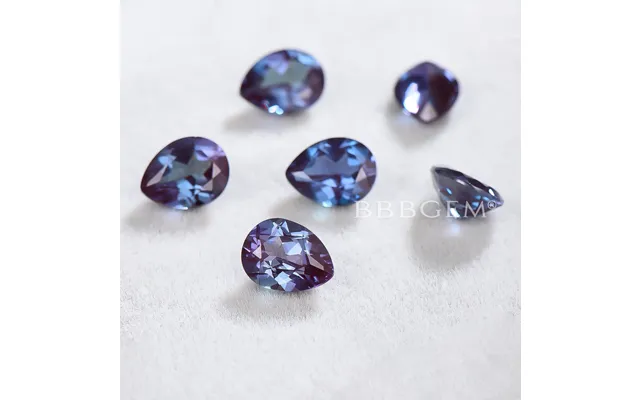
The reference data includes alexandrite in kite, oval, hexagon, round, emerald, cushion, and pear cuts. This makes the collection useful for shoppers who care about both gemstone type and outline. A cut is more than a label; it influences how a stone fits into a design and how its color occupies the eye.
The kite cut color-change alexandrite is listed at $74, while the oval cut color-change faceted gemstone is listed at $111. A cushion cut alexandrite gemstone is listed at $121, and the emerald cut faceted calibrated alexandrite is listed at $214.
These options may appeal to shoppers comparing different silhouettes at more accessible listed price points. The descriptions emphasize alexandrite’s unusual visual change and connect the gemstone with ideas such as wisdom, change, and good fortune. Those symbolic meanings are part of the product descriptions, while the stone’s cut and listed price provide practical comparison points.
The selection also includes a wholesale hexagon cut color-change alexandrite listed at $21,333 and a round cut alexandrite listed at $21,184. A pear cut faceted loose alexandrite is listed at $2,541. These substantial price differences show why comparing cut, listing details, and seller information matters.
When reviewing higher-priced gemstones, slow down and read every available specification. Look for the stated shape, whether the stone is faceted or calibrated, and any details about intended use. A beautiful photograph may catch your attention, but the written listing is where the useful comparison information usually lives.
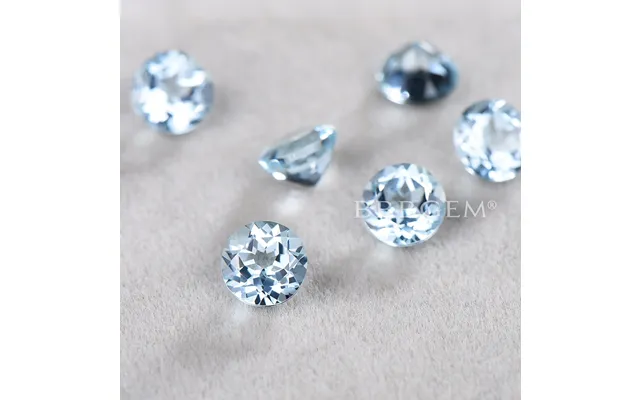
Aquamarine brings a cooler, ocean-inspired look to a gemstone collection. The reference descriptions highlight its blue color, brilliance, and association with a calm mood. Whether you prefer a geometric shape or a classic outline, the listings offer several ways to explore this gemstone.
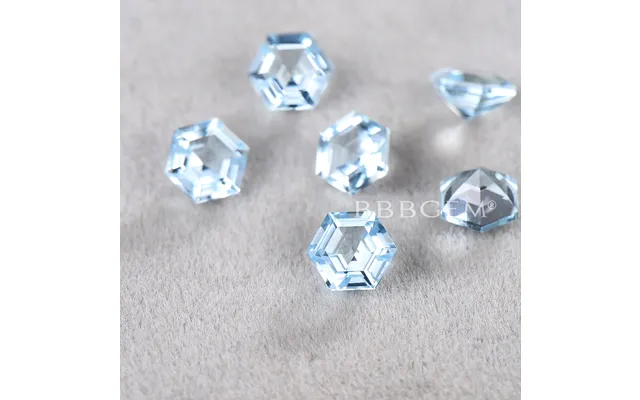
The 6-by-6-millimeter hexagon cut natural aquamarine is listed at $174.15. Converted to inches, that size is approximately 0.24 by 0.24 inches. Its hexagonal outline gives it a modern, structured appearance that could suit a design built around clean lines.
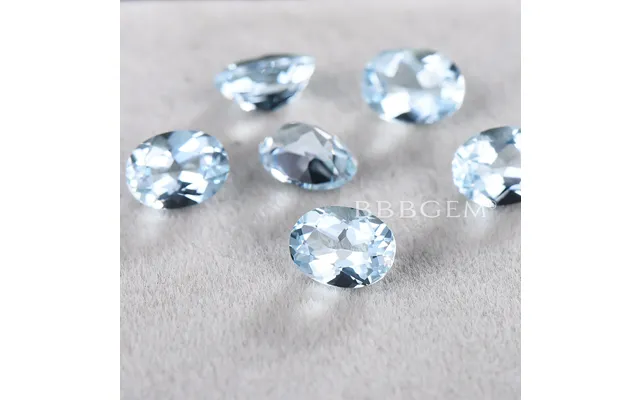
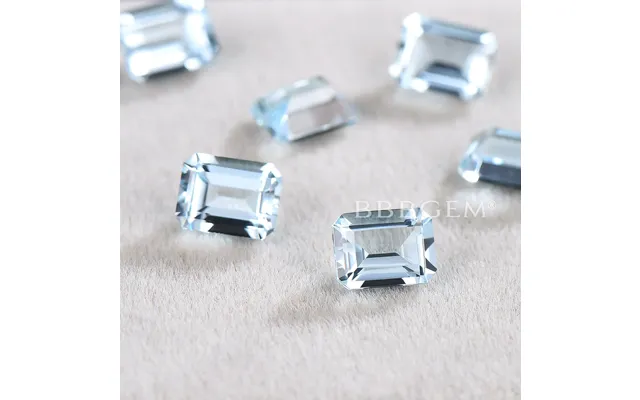
The oval cut natural aquamarine is listed at $226, while the emerald cut natural aquamarine is listed at $202. The oval can provide a familiar, graceful profile, whereas the emerald cut creates a more linear visual effect. Both are described as faceted and calibrated in the available product titles or descriptions.
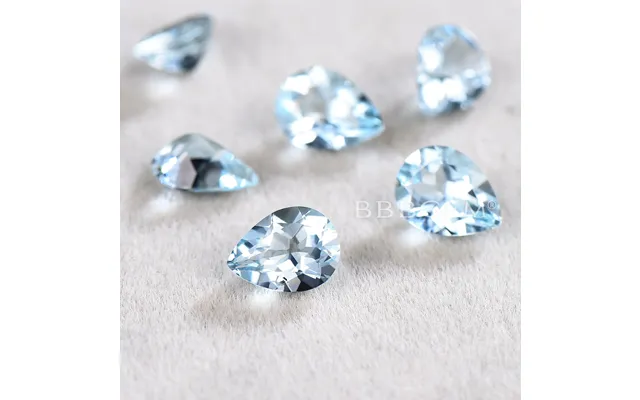
The round cut natural aquamarine is listed at $144, and the pear cut natural aquamarine is listed at $94. These listings are described as wholesale, faceted, loose aquamarine options, with the round stone also identified as a March birthstone.
The pear cut is the lowest-priced aquamarine option in the reference selection, but price alone should not decide the right stone. Consider the shape you want, the way the gemstone might be used, and whether the listed size or calibration fits your project. A pear cut may suit a pendant or an asymmetric design, while a round cut can work well for a more traditional look.
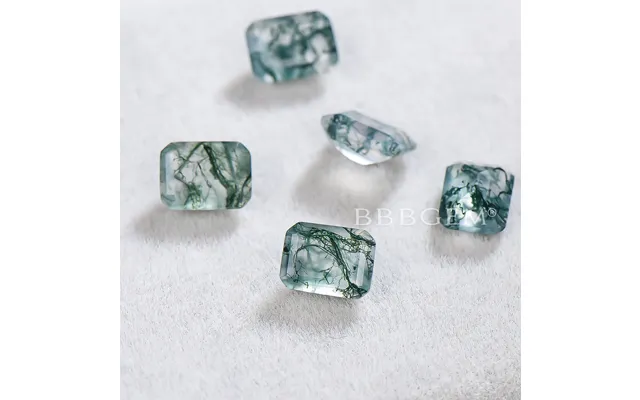
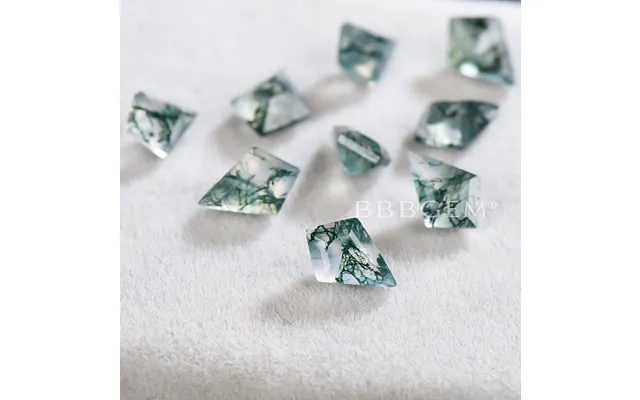
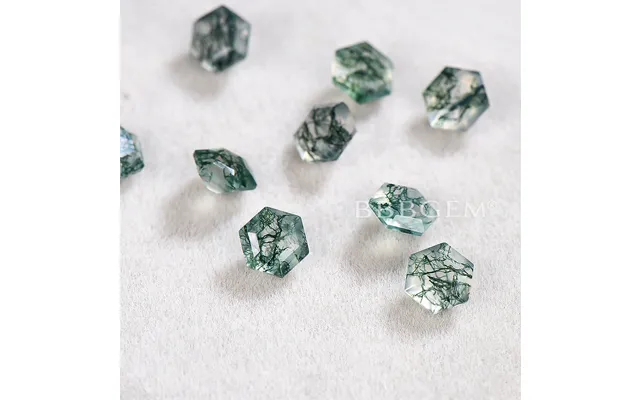
Moss agate is all about individuality. The product descriptions emphasize that every moss agate is unique, and that is easy to understand when you imagine its organic internal patterns. Instead of a single flat color, moss agate can suggest leaves, branches, mist, or underwater landscapes.
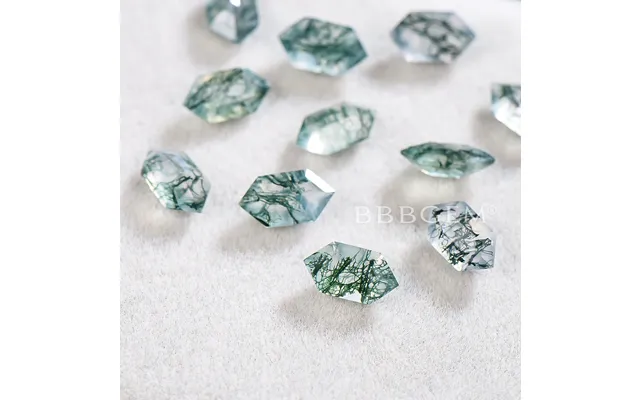
The selection includes kite, hexagon, emerald, and long-hexagon shapes. These options make moss agate useful for collectors who want natural visual variation but still care about a controlled gemstone outline. It is a little like placing a wild landscape inside a carefully shaped frame.
The kite cut natural moss agate is listed at $115. A hexagon cut green moss agate is listed at $56, making it one of the lower-priced faceted gemstone options in the selection. The emerald cut natural moss agate is listed at $117.
A long hexagon green natural moss agate is listed at $47.25. Its stated size is 5 by 9 millimeters, approximately 0.20 by 0.35 inches, and the listing identifies it as a natural moss agate with a long hexagon cut.
Because the descriptions stress uniqueness, shoppers should expect the appeal to come from natural variation rather than perfectly uniform appearance. If you are choosing moss agate for a personal project or gift, compare images and listing details closely. The pattern is often the main attraction.
Not every collector wants a polished or faceted stone. Rough minerals preserve a more natural surface, which can make them especially appealing for display, study, or a collection built around geological character. Their irregularity is not a flaw; it is part of the point.
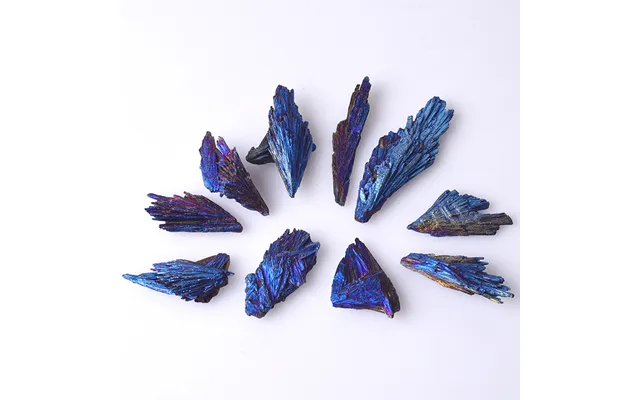
The selection includes a purple aura black tourmaline natural tourmaline rough mineral listing at $16. Its title also mentions indigo, titanium, deep blue, and aura quartz stone. Since the listing combines several descriptive terms, read the full product information carefully to understand exactly what is offered.
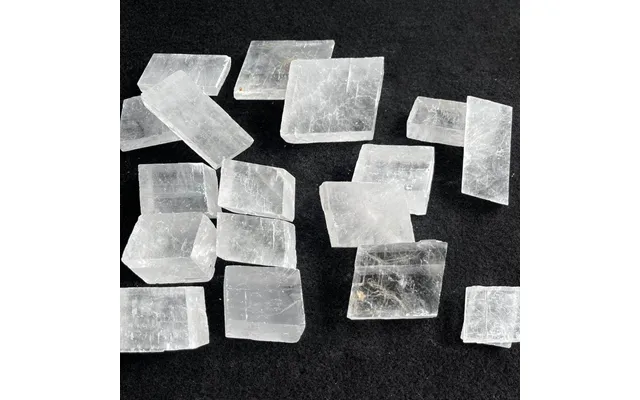
There is also a wholesale natural transparent calcite slabs listing for $3.80. It is described as raw, rough crystal gemstone material associated with Iceland. A slab can offer a different collecting experience from a loose faceted stone because its appeal may come from surface, transparency, and natural form rather than a polished outline.
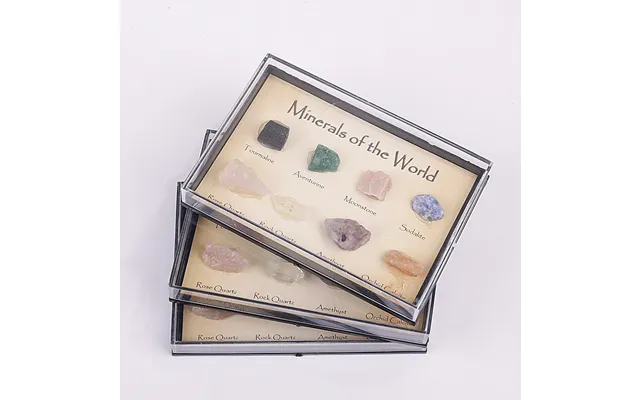
For someone just starting, variety can be more exciting than choosing one premium gemstone. The Earth Science Stone Collection Box Set is listed at $0.60 and is described as a natural eight-piece rocks kit. The title also references love gemstones, folk art, healing energy, lucky themes, and five boxes.
Because the product title includes several themes, check the listing details to confirm what the set contains and how it is presented. Still, the concept is easy to understand: a small collection can help a beginner compare different stones, notice color and texture differences, and discover which types deserve deeper research.
A starter set can also make a useful learning tool. Place the pieces side by side and ask simple questions: Which one is translucent? Which one has the strongest pattern? Which surface feels roughest? Which color changes most dramatically under your room’s lighting? Curiosity is often the first step toward serious collecting.
When several stones look appealing, use a consistent checklist. Start with the gemstone name, then review the shape, cut, stated weight, dimensions, color, and any treatment information. This approach keeps the comparison grounded in the available facts rather than relying only on a photograph.
Shape describes the outline, such as oval, pear, round, kite, octagon, or hexagon. Cut describes how the stone has been faceted or finished. Two stones made from the same gemstone can feel completely different when their outlines change, much like the same song can sound different when played on different instruments.
Dimensions matter when you are planning a setting or display. The sapphire listings provide measurements in millimeters, which are approximately 0.38 by 0.34 inches for the 5.07-carat stones and 0.32 by 0.28 inches for the 3.03-carat stone. The aquamarine hexagon is approximately 0.24 by 0.24 inches, while the long hexagon moss agate is approximately 0.20 by 0.35 inches.
Words such as natural, unheated, faceted, calibrated, loose, and rough each communicate something different. The sapphire listings specifically describe the stones as unheated. Several BBBGEM listings use terms such as natural, faceted, calibrated, or loose in their titles and descriptions.
Do not treat these words as interchangeable. If a detail is important to your purchase, confirm that it appears in the specific listing you are considering. Product pages can vary, and a careful comparison is more useful than making assumptions across an entire category.
If your goal is custom jewelry, start with the design. An octagon sapphire may suit a structured ring, while a pear aquamarine could inspire a pendant with a more flowing shape. Moss agate may be ideal when the natural pattern matters most, and a color-change alexandrite can become the visual centerpiece of a design.
For display, rough minerals and slabs may offer more character than polished stones. A calcite slab can show off natural texture, while rough tourmaline can bring a darker, more dramatic presence. A mixed collection box, meanwhile, can fill a small display space with variety.
Budget also plays a role. The reference listings range from $0.60 for the eight-piece collection box and $3.80 for the calcite slabs to five-figure listings for select sapphires and alexandrite. Comparing by gemstone type, cut, and intended use can help you avoid judging every stone by price alone.
ZoneOffer is a comparison site, not a store. Its role is to help you review available product information from listings such as Capucinne, BBBGEM, and Alibaba. When you find an option that interests you, use the listed seller and product details to continue your research.
Before deciding, compare the exact title, price, stone description, shape, dimensions, and treatment details. Prices in the reference data include $74 for an oval cut color-change alexandrite, $94 for a pear cut aquamarine, $115 for a kite cut moss agate, and $10,670 for one of the 5.07-carat blue sapphire listings. These examples show how broad the category can be.
It is also wise to separate emotional appeal from practical suitability. A stone may immediately catch your eye, but does its size fit your intended design? Is the color what you expected? Does the listing provide the information you need? Asking these questions turns browsing into confident comparison.
The rocks and fossils category offers something for nearly every kind of collector, from beginners seeking a small natural stone set to experienced shoppers comparing premium sapphires and unusual alexandrite. The featured selection includes vivid blue and teal sapphires, color-changing alexandrite, ocean-toned aquamarine, patterned moss agate, rough tourmaline, transparent calcite slabs, and an eight-piece rock collection. Compare each listing carefully, focus on the details that matter to your project, and let your curiosity guide the next addition to your collection.