

Garden Borders & Edging price list
Last updated Wednesday, Oct 14, 2026
| Garden Borders & Edging | Price |
|---|---|
| Garden Zone - Hardware Cloth 1 2 Inch | $163.37 |




Loading...
Last updated Wednesday, Oct 14, 2026
| Garden Borders & Edging | Price |
|---|---|
| Garden Zone - Hardware Cloth 1 2 Inch | $163.37 |
A well-defined garden can change the entire feel of an outdoor space. Borders and edging act like a frame around a picture, helping planting beds, paths, lawns, and decorative areas look more intentional. They can also make routine garden care feel simpler by giving each area a clear visual boundary.
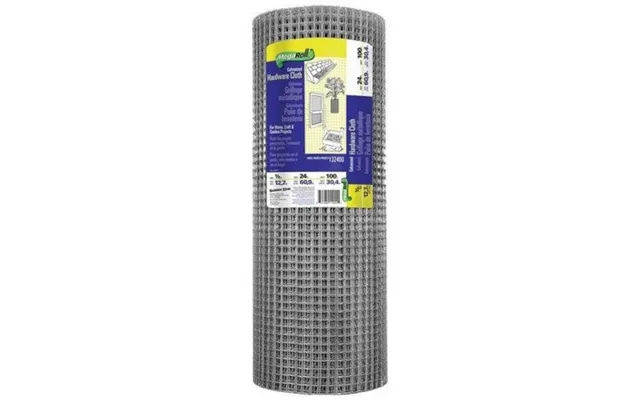
For shoppers comparing garden border and edging options, the Garden Zone Hardware Cloth 1/2 Inch is one product to consider. The listed item measures 24 inches by 100 feet and is shown at a price of $163.37. It appears in the Garden Borders & Edging category, making it relevant for projects that need a long, adaptable material rather than a short decorative strip.
ZoneOffer is a comparison site, so it helps you review product information in one place rather than acting as the retailer. Before choosing any garden edging material, think about the size of your project, the appearance you want, and how much shaping or installation work you are comfortable handling.
Garden edging does more than divide one patch of soil from another. It creates a visual line that can make a lawn look neater, separate planting areas from walkways, and give a landscape design a stronger sense of structure. Without a clear edge, soil, mulch, gravel, and grass can gradually blur into one another.
Think of edging as the punctuation in a garden. A clean border gives the eye a stopping point, much like a period at the end of a sentence. Even a simple outdoor layout can appear more polished when its edges are carefully planned.
Edging can also support easier maintenance. A defined boundary may help you see where mowing ends and a planting bed begins. It can make it easier to refresh mulch or soil in a contained area, although the results depend on the design, installation method, and conditions around your garden.
The Garden Zone Hardware Cloth 1/2 Inch is listed with a width of 24 inches and a length of 100 feet. Its title identifies a 1/2-inch size, while the supplied dimensions describe the roll as 24 inches by 100 feet. That generous length may make it worth reviewing for projects that cover a substantial boundary or require several sections of material.
At $163.37, the listed price is an important part of the comparison process. A longer roll can be useful when you want to reduce the number of separate pieces in a project, but the best value depends on how much material your garden actually needs. Measure first, then compare the required coverage with the product dimensions.
The item is identified under the Garden Zone brand and is listed with Peta2z in the reference data. The available information does not provide further specifications about finish, coating, fasteners, or installation hardware. For that reason, shoppers should review the product listing carefully before planning a complete project around it.
The 1/2-inch size is a key detail in the product title. In practical terms, a smaller opening creates a more closely spaced mesh than a larger-opening material. That can influence how the cloth looks, how easily it bends, and which garden applications seem appropriate.
However, the right size depends on your goal. Someone creating a visible landscape border may focus mainly on appearance and ease of shaping. Someone building a more functional boundary may have different priorities. Since the reference data does not specify a particular recommended use, avoid assuming that the product is designed for one exact project.
Before buying any edging material, walk through the area you want to define. Look at the shape of the lawn, the location of planting beds, and the path people naturally take through the space. A border that looks attractive on paper may be awkward if it creates sharp corners or interrupts regular maintenance.
Use a tape measure to estimate the total length of the boundary. If your planned line includes curves, measure along the curve rather than estimating from a straight line. Add a little extra for shaping, trimming, or mistakes, but avoid ordering far more material than the project requires.
For the listed Garden Zone Hardware Cloth, the 100-foot length gives you a substantial amount to work with. Sketch the project and divide the total boundary into practical sections. This can help you decide whether the roll suits your needs and how you might handle corners or changes in elevation.
A quick sketch can save time and prevent wasted material. Mark the lawn, beds, paths, trees, and any features that the border must go around. Curved lines can create a softer appearance, while straight lines often produce a more formal look.
Try laying out the proposed line with garden hose, rope, or another temporary marker. Step back and view it from different points in the yard. Does the border guide the eye naturally? Does it leave enough room for plants to grow? Asking these questions early is easier than relocating an installed edge later.
Hardware cloth is a mesh-style material, so it offers a different visual character from solid plastic, wood, or stone edging. Depending on how it is positioned and finished, mesh may provide a subtle boundary rather than a bold decorative line. That can suit practical garden layouts where the planting and landscaping remain the main focus.
The Garden Zone product may be worth comparing when you want a long roll that can be measured and shaped for a project. Its 24-inch width also means you should think carefully about how much of the material will be visible and how much may be placed lower in the ground or covered by surrounding landscape elements.
The reference information does not state that the product includes stakes, clips, ties, or other accessories. You should therefore treat those items as separate planning considerations unless the current product listing says otherwise. Having the right fastening approach can be just as important as choosing the material itself.
Installation depends on the shape of the border, the ground conditions, and the look you want. A straight section may be easier to position than a sweeping curve. Rocky or compacted ground can require more preparation than loose soil, while areas with roots may need careful adjustment.
Wear suitable protective equipment when cutting or handling mesh materials. Edges can be sharp after cutting, so work carefully and keep the area organized. Follow the current product instructions and use tools that are appropriate for the material. The reference data does not specify an installation method, so do not assume that one technique fits every project.
One useful approach is to prepare the whole line before securing the material. Clear loose debris, check the intended depth or position, and test a short section first. This trial section can reveal whether the material bends as expected and whether the finished height looks right beside the lawn or plants.
Curves can make a garden feel more natural, but they demand patience. Work gradually instead of forcing a large bend all at once. A smooth curve usually looks more intentional than a series of abrupt angles.
Corners deserve special attention because they can become visually heavy or physically awkward. If your layout needs a corner, mark it clearly and consider how nearby plants, mowing equipment, and foot traffic will interact with it. A beautiful border is only successful when it works with the rest of the yard.
Garden borders come in many styles, including metal, plastic, wood, stone, and mesh products. Each material creates a different mood. Wood can add warmth, stone can feel substantial, and plastic may offer a simple low-profile appearance. Mesh hardware cloth brings its own combination of flexibility and structure.
When comparing options, look beyond the initial price. Consider the length included, the width, the effort required to install it, and whether extra accessories are needed. A lower-priced item is not automatically the better choice if it does not match your project or requires more preparation than expected.
The Garden Zone Hardware Cloth is listed at $163.37 for a 24-inch by 100-foot item. To compare it fairly with another product, calculate the amount of boundary each option covers. You can also compare the size and material style, but only rely on confirmed specifications from the relevant listing.
Edging can help divide a yard into purposeful zones. You might use one boundary around a flower bed, another beside a path, or a separate line to distinguish decorative ground cover from lawn. These divisions can make a larger space feel easier to understand.
Repeating a similar border style in several areas can create visual rhythm. It is like using the same font throughout a page: the individual sections feel connected. On the other hand, too many competing border types may make the yard look busy, so choose a style that supports the overall design.
Consider sightlines as well. A border near a front walkway may be seen from the street, while one at the back of a planting bed may be viewed mainly from inside the garden. The same material can have a different impact depending on where it is placed and how much of it remains visible.
The listed price for the Garden Zone Hardware Cloth 1/2 Inch is $163.37. That figure gives you a starting point for budgeting, but the full project cost may depend on what else is needed. The reference data does not identify included accessories or additional installation materials, so plan to verify those details before purchasing.
Measure your project carefully to avoid paying for more material than necessary. At the same time, a small amount of extra material can be useful when working around curves or correcting an inaccurate cut. The ideal balance is careful planning rather than guessing.
It can help to separate your budget into three parts: the main edging material, installation supplies, and preparation. This simple breakdown makes it easier to identify where your money is going. You can then compare products based on the complete project rather than the headline price alone.
Start by asking what the border must do. Is it mainly decorative, or does it need to define a practical separation between different parts of the yard? The answer will guide your attention toward appearance, shape, coverage, or installation needs.
Next, consider the scale of the space. A short garden bed may not need a 100-foot roll, while a large property or multi-section project may benefit from a longer format. The Garden Zone item’s listed length makes measurement especially important.
Finally, think about the finished appearance. Will the edging be prominent, partly concealed, or covered by surrounding landscape materials? A mesh product may look different depending on its position, so visualize the result before committing to the layout.
ZoneOffer helps shoppers compare product information, but it is not a store. When reviewing the Garden Zone Hardware Cloth, use the listed brand, dimensions, seller information, and price as a starting point. Product details can be checked against the current listing before you make a decision.
A comparison approach is useful because it encourages you to examine more than one detail at a time. Price matters, but so do coverage, size, material type, and project fit. By comparing those factors together, you can make a choice that feels considered rather than rushed.
Remember that the reference data confirms the Garden Zone brand, the 24-inch by 100-foot dimensions, the 1/2-inch title detail, the $163.37 listed price, and the peta2z listing information. It does not confirm additional features, accessories, delivery terms, or long-term performance claims.
Garden borders and edging can bring order, character, and definition to an outdoor space. The Garden Zone Hardware Cloth 1/2 Inch is listed as a 24-inch by 100-foot option at $163.37, giving shoppers a substantial roll to evaluate for suitable garden projects. Measure your space, sketch the layout, consider the finished look, and verify the current product details before choosing. With a little planning, the right border can turn a scattered garden into a landscape that feels thoughtfully composed.