




View 4 Offers
View 4 Offers
Loading...
Choosing a rangefinder can feel like picking the right lens for a camera: the best option depends on how you plan to use it. Golfers, hunters, archers, and outdoor enthusiasts may all want fast distance readings, but their priorities can differ. Some users need a rugged, water-resistant body, while others may prefer a rechargeable battery, wider measurement capability, or a compact design.
The rangefinders in this comparison include models from MUDDY, IPRee, and AtuMan. They offer features such as magnification, scan modes, distance measurement, ergonomic handling, and outdoor-ready construction. ZoneOffer is a comparison site, so the prices and retailer information below are presented to help you compare the listed offers rather than to suggest that ZoneOffer sells these products.
The available selection covers several use cases. The MUDDY Mud-LR650 is designed around a 650-yard measurement range, 7x magnification, scan mode, and an IPX7 water-resistant rating. The MUDDY Mud-LR450 is listed with a 450-yard range in its title and also includes 7x magnification, scan functionality, and IPX7 water resistance.
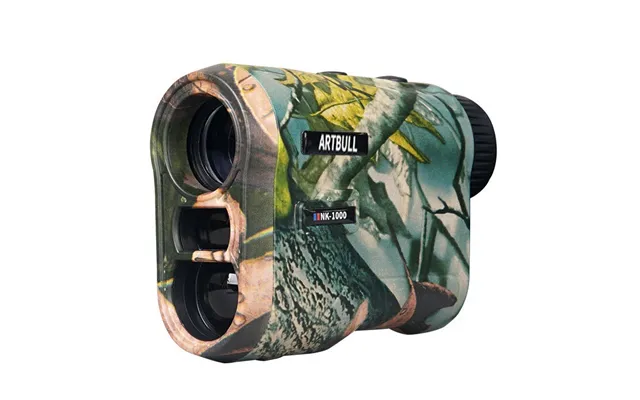
The IPRee Artbull model offers 6x magnification, a stated 1,000-meter measurement range, multiple modes, and a built-in rechargeable lithium battery. Converted to imperial measurement, 1,000 meters is approximately 1,094 yards. The AtuMan Xiaomi Duka TR1 is listed with 6x optical magnification, measurement options of 800 or 1,200 meters, and a rechargeable battery. Those distances equal approximately 875 or 1,312 yards.
Listed prices range from $77.88 to $169.99. Because prices and offers can change, compare the current listing details before making a purchase decision.
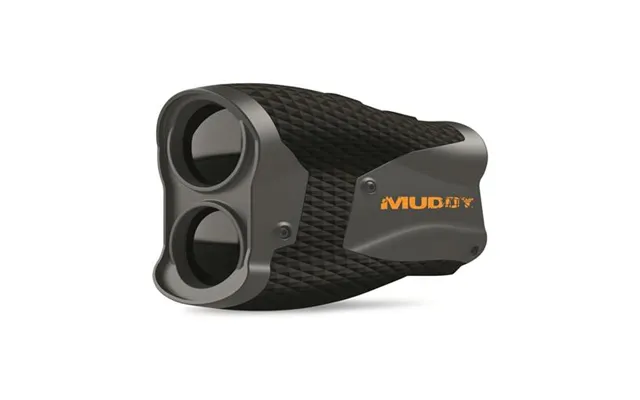
The MUDDY Mud-LR650 is the longest-range MUDDY model in this selection, with a stated reach of up to 650 yards. That makes it a practical option for users who want a straightforward laser rangefinder for outdoor activities without moving into the higher listed price of the IPRee model.
This model includes 7x magnification, which can help bring a distant target or landmark closer in the viewfinder. Its scan mode is designed for constant ranging, allowing you to continue measuring as you move across different objects or areas. For hunting, scouting, or general outdoor observation, that can be more convenient than pressing the button for every individual reading.
The Mud-LR650 also includes a measuring function, a battery indicator, adjustable eye relief, and ruggedized rubber trim. The rubberized grip may make the device easier to hold in active outdoor conditions. Its IPX7 water-resistant rating is another useful feature for users who expect exposure to rain or wet environments.
The Mud-LR650 is listed at $107.12 from The Twister Group. The reference data identifies the brand as MUDDY and lists the color as black. Its listed weight is 1.02 pounds, and the supplied dimensions are approximately 9 by 5.75 by 2 inches.
The listing also states a 1-year warranty and identifies China as the country of origin, while noting that the origin information was provided by the manufacturer and not verified. Treat these details as listing information and confirm the current terms before buying.
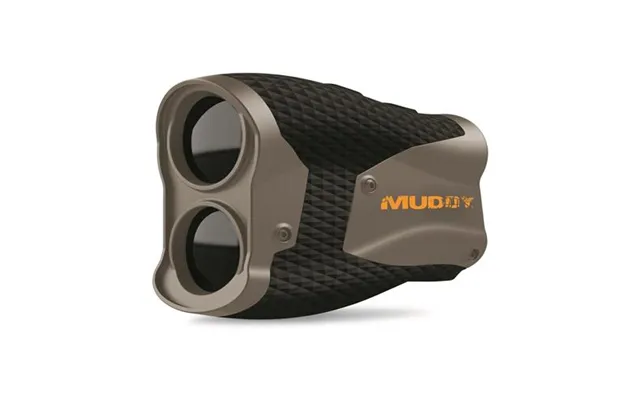
The MUDDY Mud-LR450 is the lower-priced MUDDY option in the comparison, listed at $92.12 from The Twister Group. Its product title identifies a 450-yard range, while the description includes a separate reference to 650 yards. Since those details do not fully match, shoppers should verify the actual measurement range with the current listing before relying on it for a specific activity.
Like the Mud-LR650, this model offers 7x magnification and a scan mode for constant ranging. It also includes a battery indicator, adjustable eye relief, rugged rubber trim, and an IPX7 water-resistant rating. These features give it a similar design philosophy: simple operation, outdoor handling, and quick distance readings.
The brown finish may appeal to users who prefer a less traditional black exterior. The rubberized grip is intended to make the device easier to handle, especially when you are carrying other equipment or moving through uneven terrain.
The main reason to compare the two MUDDY models is price and stated range. The Mud-LR450 is listed $15 lower than the Mud-LR650. If the 450-yard specification is the accurate one, it may suit users who usually measure shorter distances and want to spend less.
If you need the longer stated 650-yard capability, the Mud-LR650 presents the clearer choice based on the supplied data. However, the conflicting range information in the Mud-LR450 description means that checking the product page is especially important.
The IPRee Artbull hunting rangefinder is the highest-priced model in this comparison, listed at $169.99 from Banggood.com. It is designed with hunting, archery, golf, and other distance-measuring activities in mind. Its stated measuring range is 1,000 meters, or approximately 1,094 yards.
This rangefinder provides 6x magnification and several practical modes, including range, scan, and speed. The scan function is designed to help you continuously evaluate changing distances, while the speed mode can display the speed of a moving target according to the product description.
The listing also says the device can display straight-line distance, vertical distance, horizontal distance, and speed. That combination may be useful when a target is not directly level with your position. Think of it as having several measuring tools inside one compact monocular rather than carrying a separate device for each calculation.
The Artbull model includes a built-in rechargeable lithium battery. That can be convenient for users who prefer charging a device rather than regularly replacing disposable batteries. The product description also emphasizes a lightweight, ergonomic design that can be carried in a backpack.
Its stated material is ABS, and the listing identifies the model as NK 1000. The supplied dimensions are approximately 4.61 by 2.95 by 1.54 inches. Since the reference data does not provide a product weight, shoppers should avoid assuming that it is lighter or heavier than the other models.
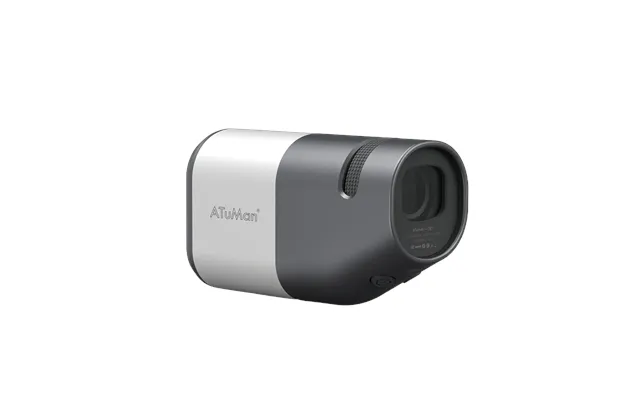
The AtuMan Xiaomi Duka TR1 is listed at $77.88 from Banggood.com, making it the lowest-priced option in the supplied comparison. It is available in versions described with 800-meter and 1,200-meter measurement ranges. In imperial terms, those figures are approximately 875 yards and 1,312 yards.
The product description also mentions a 6x HD optical system, an LCD screen, and a compact body intended for one-handed control. These characteristics may appeal to users who want a highly portable rangefinder for golf, sightseeing, hunting, surveying-related tasks, or other outdoor activities.
The TR1 includes 6x magnification and a stated 6.5-degree field of view. It also features a wide diopter adjustment range designed to accommodate different types of vision correction, including myopia, hyperopia, and presbyopia. Users who do not want to rely on glasses while looking through the device may find this adjustment useful.
The listing describes distance readings as intuitive and says the device can measure fixed and moving objects within a certain range. It also identifies an invisible Type I laser. As with any laser-based optical device, read the supplied instructions and use it responsibly.
The TR1 uses a 420 mAh lithium-ion battery and charges through a USB Type-C connection with a 5-volt power supply. The listed weight is approximately 0.28 pounds for the 800-meter version and 0.33 pounds for the 1,200-meter version. Those figures make the model notably compact on paper, although actual carrying comfort depends on how and where you use it.
The listed dimensions are approximately 4.25 by 2.40 by 1.65 inches for the 800-meter model and 4.76 by 2.83 by 2.20 inches for the 1,200-meter model. The package is described as including the rangefinder, user manual, protective cover, and lanyard.
For golf and general outdoor use, ease of handling can matter as much as maximum distance. The AtuMan TR1 offers one-handed operation, 6x magnification, and a compact format. The IPRee model also lists golf among its intended uses and includes range, scan, and speed modes.
Ask yourself how often you will measure moving or changing targets. If you want simple distance readings, a basic model may be enough. If you expect to scan several points or compare horizontal and vertical distances, a model with multiple display functions may be more suitable.
Hunters and archers may value scan mode, magnification, grip design, and resistance to wet conditions. Both MUDDY models list scan functionality, 7x magnification, rubberized grip features, and IPX7 water resistance. The IPRee model adds speed measurement and several distance formats, which may interest users who want more information from each reading.
Range alone should not be the only factor. A device that is difficult to hold steady or interpret quickly can feel like a compass with a fogged-up face: technically useful, but frustrating when timing matters. Consider controls, eye relief, battery setup, and body design alongside the advertised distance.
Magnification enlarges the view, but it does not automatically guarantee better measurements. The MUDDY models list 7x magnification, while the IPRee and AtuMan models list 6x. That difference may matter to users who want a closer view, but the best choice also depends on optical clarity, handling, and the visibility of the display.
Measurement range is another major difference. The MUDDY options are listed at 450 and 650 yards, with the previously noted inconsistency in the Mud-LR450 description. The IPRee reaches approximately 1,094 yards based on its 1,000-meter specification, and the AtuMan versions are listed at approximately 875 or 1,312 yards.
Scan mode can be especially helpful when the target or viewing area changes. Instead of taking one isolated reading, you can sweep across the scene and continue measuring. This can make the process feel less like taking snapshots and more like following a moving line across a map.
The IPRee Artbull and AtuMan TR1 both list rechargeable batteries. The IPRee uses a built-in rechargeable lithium battery, while the AtuMan uses a 420 mAh lithium-ion battery and USB Type-C charging. These designs may suit users who prefer a rechargeable setup.
The MUDDY listings mention a battery indicator but do not specify a rechargeable battery in the supplied data. If battery planning is important to you, compare the current product specifications carefully. A battery indicator can be useful because it gives you a warning before the device becomes unusable in the field.
Portability also varies. The AtuMan listing provides weights for both versions, while the MUDDY models are listed at 1.02 pounds. The IPRee description calls its design lightweight but does not provide a product weight. This is a good example of why it helps to separate descriptive language from measurable specifications.
Outdoor equipment faces more than distance. Rain, damp ground, dust, and accidental knocks can all turn a calm outing into a test of durability. Both MUDDY models list an IPX7 water-resistant rating and ruggedized rubber trim. They also include a rubberized grip, which may help with handling.
The IPRee and AtuMan listings describe ergonomic or compact designs, but the supplied data does not give them an IPX rating. Do not assume that a compact outdoor rangefinder has the same water-resistance rating as the MUDDY models. If weather exposure is a key concern, use the specific rating shown for the product you are considering.
Based on the listed offers, the AtuMan TR1 costs $77.88, the MUDDY Mud-LR450 costs $92.12, the MUDDY Mud-LR650 costs $107.12, and the IPRee Artbull costs $169.99. These prices create a useful spread for shoppers with different budgets.
The least expensive model is not automatically the best value for every user. The AtuMan model offers rechargeable power and a choice of stated measurement ranges. The MUDDY models emphasize water resistance, rubberized construction, and 7x magnification. The IPRee model offers a broader set of measurement modes and the longest stated metric range among the listed products.
Value is about matching features to your routine. Why pay for a feature you will never use? On the other hand, why choose a smaller range if you regularly measure distant targets? Start with your typical activity, then use the price as the final filter.
Choose the MUDDY Mud-LR650 if you want a 650-yard rangefinder with 7x magnification, scan mode, IPX7 water resistance, and ruggedized rubber trim. It is listed at $107.12 and appears suited to users who prioritize durable outdoor handling.
Consider the MUDDY Mud-LR450 if the listed 450-yard range meets your needs and you prefer the lower MUDDY price of $92.12. Because the description also mentions 650 yards, confirm the correct specification before buying.
Choose the IPRee Artbull if you want 6x magnification, scan and speed modes, a rechargeable battery, and a stated range of approximately 1,094 yards. It is the most expensive listed model at $169.99, but it also provides a broad set of measurement functions.
Consider the AtuMan TR1 if compact design, rechargeable power, one-handed control, and a lower listed price are your priorities. At $77.88, it is the most affordable option in the comparison and is listed with versions reaching approximately 875 or 1,312 yards.
The best rangefinder depends on the distance you need, the conditions you expect, and the features you will actually use. MUDDY offers rugged, water-resistant choices with 7x magnification, IPRee combines long-range measurement with multiple modes, and AtuMan focuses on compact handling, rechargeable power, and a lower listed price. Compare the current specifications and offer details before deciding, especially where the MUDDY Mud-LR450 range information differs between the title and description.