


Cameras - Other price list
Last updated Friday, Nov 6, 2026




View 8 Offers
Loading...
Last updated Friday, Nov 6, 2026
Shopping for a camera does not always mean choosing between a basic compact model and a standard interchangeable-lens camera. Today, useful imaging tools appear in many forms, including thermal cameras, camera-equipped tablets, drones, dash cams, photo booths, and smart glasses. Each product solves a different problem, so the best choice depends on what you want to see, record, or monitor.
The reference offers include six very different products. Some are built for inspection work, some for travel and aerial photography, and others for driving, events, or hands-free recording. Think of the category as a toolbox: the right camera is the tool that matches the job. A thermal camera is not designed to replace a drone, just as a dash cam is not intended for creating aerial footage.
ZoneOffer is a comparison site, so it helps you review listed products and compare available options from different sellers. It is not a store. Before making a purchase, review the product information, seller listing, price, and any applicable promotional code shown in the offer.
Thermal cameras create images based on heat rather than ordinary visible light. That makes them useful for inspection tasks where temperature differences matter. You might use this type of device to examine equipment, identify unusually warm areas, or investigate conditions that are difficult to understand with a regular camera.
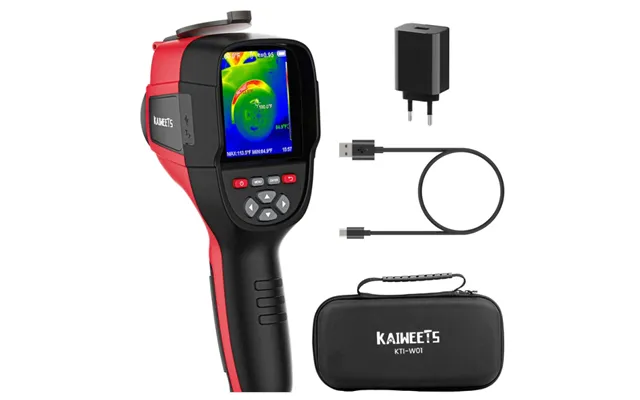
The Kaiweets KTI-W01 Thermal Imaging Camera is listed with a 256 by 192 infrared resolution. Its stated temperature range runs from negative 4 degrees Fahrenheit to 1,022 degrees Fahrenheit, giving it a broad operating range for many inspection situations. The offer also identifies a 3,500 mAh battery and an IP54 waterproof rating.
Those specifications make this model worth considering when you need a dedicated thermal imaging tool rather than a general-purpose camera. Resolution affects how much detail appears in the thermal image, while temperature range helps determine whether the camera suits your intended task. If you expect to inspect both relatively cold and very hot subjects, the listed range is especially important to review.
The offer lists a price of $236.99 through Gshopper and includes the coupon code gshopper30, which is described as saving $30. Check the listing carefully to confirm how the code applies before completing an order, since promotional terms can vary.
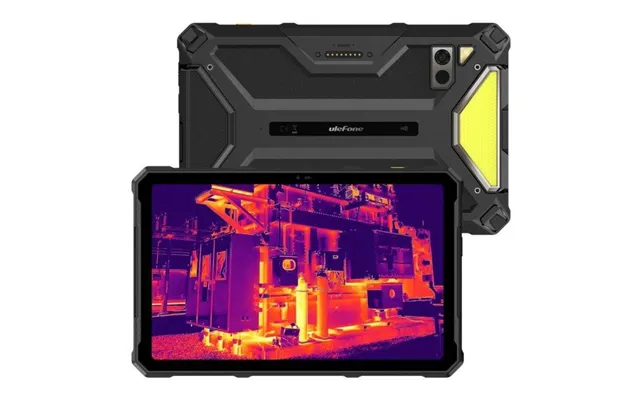
The Armor Pad 4 Ultra is a different approach to thermal imaging. Rather than being a small dedicated thermal camera, it combines a thermal camera with a rugged tablet. The listing highlights a 2K display, an 11,800 mAh battery, 5G connectivity, and Android 14.
This format may appeal to buyers who want a larger screen and tablet functionality alongside thermal imaging. A tablet can be convenient when reviewing images, using applications, or carrying one device for several tasks. The rugged design may also be attractive for demanding environments, although you should review the complete listing for details about construction and intended use.
The listed offer price is $409.99 through Gshopper. The description provides the coupon code gparmor50 and states that it saves $50. As with any coupon, enter the code as shown and verify the final price on the seller’s page.
Choosing between these two products comes down to workflow. A dedicated thermal camera may be the simpler option if your priority is portable temperature imaging. It can be easier to carry when you want a tool focused on one central task.
The Armor Pad 4 Ultra, by contrast, is suited to someone who values a larger display and broader tablet capabilities. Its 2K screen, Android 14 operating system, 5G support, and large battery give it a more multi-purpose profile. Ask yourself a practical question: do you need a focused inspection instrument, or would a tablet make your work more flexible?
Also consider how you will use the images. If you need to view details on a larger screen, the tablet format may be appealing. If you prefer a smaller device dedicated to thermal readings, the Kaiweets option may deserve closer attention. Neither product is automatically better; they simply take different routes to the same general type of imaging.
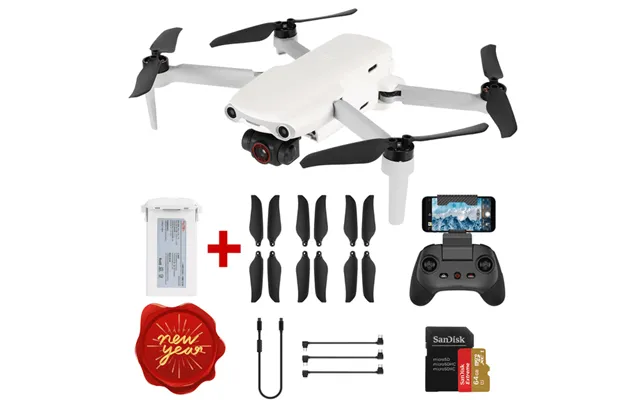
Drones open a completely different camera perspective. Instead of recording from eye level, they let you capture elevated views of landscapes, buildings, outdoor activities, and travel scenes. The Autel Robotics EVO Nano Standard Package is listed as a compact, foldable drone designed for portability.
The offer describes a 1/1.28-inch CMOS sensor, 50-megapixel photos, and ultra HD 4K HDR video at 30 frames per second. It also highlights an RYYB color filter array, an f/1.9 aperture, and features intended to support image quality in low-light conditions. Together, these specifications position the drone as a camera-focused option for users who want detailed stills and high-resolution video from the air.
The listed price is $679 through Autelpilot, with the brand identified as Autel EVO Nano+. Since the offer is for the standard package, review the exact package contents before buying. Accessories, batteries, controllers, and other equipment can differ between packages, and your intended flight time may depend on what is included.
A camera sensor is like the canvas on which an image is created. Sensor size can influence how much light the camera gathers and how much detail it can capture, while resolution describes the amount of image data recorded. The listed 50-megapixel capability may interest photographers who want detailed still images.
The f/1.9 aperture is also worth noting. A wider aperture allows more light to reach the sensor, which can be useful when daylight fades. The offer specifically describes the drone as capable of producing quality images in low-light conditions, but your results will still depend on the scene, flight conditions, camera settings, and your skill behind the controls.
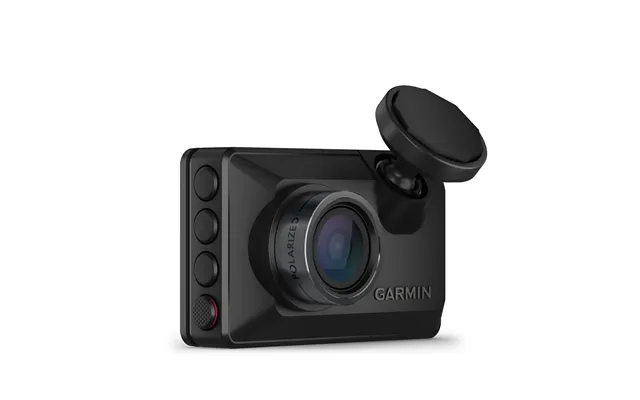
A dash cam is designed to record from inside a vehicle, giving drivers a way to capture road footage as they travel. It can be useful for documenting a journey, reviewing an incident, or simply preserving memorable drives. The Garmin Dash Cam X210 NA is listed with several features aimed at everyday vehicle recording.
The offer states that the camera has a 1440p resolution at 30 frames per second and a 140-degree diagonal field of view. It also lists a G-sensor, GPS tracking, a USB interface, Bluetooth connectivity, Wi-Fi, and a 2.41-inch color TFT LCD display. These features create a practical mix of recording, location information, viewing, and connectivity.
The G-sensor is designed to detect sudden movement, while GPS tracking can associate footage with location information. The built-in display may make it easier to review clips directly on the device. Wireless connectivity can also support interaction with compatible applications, according to the listed specifications.
The Garmin Dash Cam X210 NA is listed at $289.12 through The Twister Group, with Garmin identified as the brand. If you are comparing dash cams, pay attention to more than resolution alone. Field of view, screen size, connectivity, and sensor features can all affect how convenient the device feels during regular use.
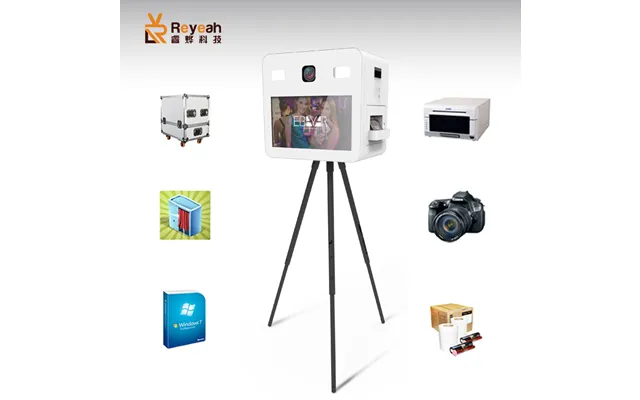
Photo booth systems serve a different audience from portable cameras. They are designed around a self-service experience, where people can take pictures at an event, venue, or business without needing a photographer for every shot. The 2022 Model D Photo Booth Camera is listed as a self-service selfie booth kiosk for the Canada market.
The listed price is $1,363.95 through Alibaba. The offer description also mentions new products and exclusive perks of up to $500 off, but it does not provide a specific discounted price for this particular listing. Because the product is described as a kiosk, buyers should examine the listing closely for information about included hardware, software, payment setup, installation, and operating requirements.
A photo booth can be a centerpiece rather than a simple camera. It combines image capture with an interactive guest experience, which may make it useful for events, commercial spaces, or businesses exploring self-service photography. Before choosing one, consider the space available, the number of expected users, and how you want guests to interact with the system.
Start by identifying your use case. Is the booth intended for private events, a permanent venue, or a commercial service? The answer can influence the importance of durability, setup, interface design, and ongoing operation.
You should also review the complete product listing for the exact equipment included. The reference data identifies the product as a self-service selfie booth kiosk, but it does not specify every component. Do not assume that cameras, lighting, printers, software, or accessories are included unless the listing states so.
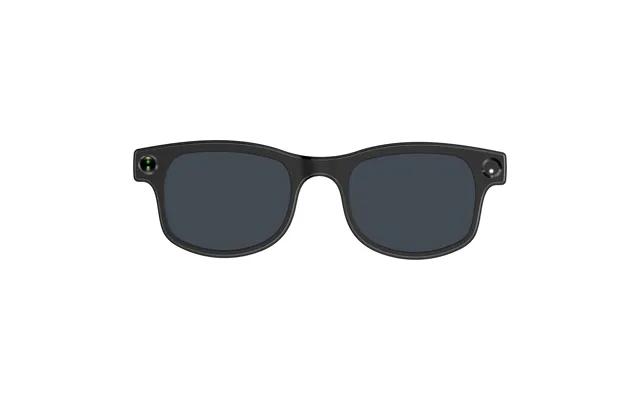
Smart glasses offer a hands-free way to record. The Aimb-G1 Smart Glasses are listed with an 8-megapixel camera, local storage, video recording, and AI real-time translation. The offer also mentions two interchangeable lenses and a black finish.
This type of wearable may appeal to users who want to capture video without holding a phone or camera. Hands-free recording can be useful for demonstrations, personal travel footage, or situations where keeping both hands available matters. The built-in local storage may also provide a straightforward way to save recordings directly on the glasses.
The listing price is $39.12 through Voghion, and the brand field also identifies Voghion. Since the offer highlights AI real-time translation, buyers interested in that feature should review the seller’s information for supported languages, activation steps, and usage details. The reference data confirms the feature is listed but does not provide a complete feature guide.
Comfort should be high on your list. A wearable camera needs to feel practical during use, and interchangeable lenses may help you adapt the glasses to different preferences. Since the offer identifies two interchangeable lenses, check how they are changed and what each lens is intended to do.
Privacy is another important consideration whenever a camera is worn in public or around other people. Be thoughtful about where you record and respect local rules and the expectations of those around you. A small camera may be convenient, but convenience should never replace responsible use.
The six offers cover a broad price range. The Aimb-G1 Smart Glasses are listed at $39.12, while the Kaiweets thermal camera is listed at $236.99. The Garmin dash cam appears at $289.12, the Armor Pad 4 Ultra at $409.99, the Autel EVO Nano at $679, and the photo booth kiosk at $1,363.95.
Price alone does not determine value because these products are built for different jobs. Comparing the smart glasses directly with a photo booth would be like comparing a pocket flashlight with a cinema projector. Instead, compare products within the same purpose: thermal imaging with thermal imaging, aerial cameras with aerial cameras, and driving cameras with driving cameras.
Promotions may affect the final cost for some offers. The two Gshopper listings provide coupon codes: gshopper30 for the Kaiweets camera and gparmor50 for the Armor Pad 4 Ultra. The Alibaba listing mentions exclusive perks up to $500 off, but the reference data does not confirm a specific reduced price. Always verify the final total on the relevant seller page.
First, define the scene you want to capture. Do you need heat information, road footage, aerial images, event selfies, or hands-free video? This single question can quickly narrow the field and prevent you from paying for features that do not support your goal.
Next, examine the core imaging specifications. For thermal products, look at infrared resolution and temperature range. For drones and dash cams, consider video resolution, frame rate, and field of view. For wearables, check camera resolution, storage, lenses, and the way recordings are managed.
Then, think about the device itself. A tablet may offer a larger screen and a familiar operating system. A drone may offer portability through a foldable design. A dash cam may emphasize vehicle connectivity and sensors. A photo booth may require a larger physical setup. A wearable camera may prioritize hands-free convenience.
Finally, compare the listed price, seller, brand information, and promotional details. ZoneOffer can help you compare options, but you should read the full seller listing before purchasing. Product names can contain many specifications, yet the complete listing is where package contents and current terms are clarified.
The camera offers in this guide show how broad the modern camera market has become. The Kaiweets KTI-W01 and Armor Pad 4 Ultra focus on thermal imaging, the Autel EVO Nano brings aerial photography, the Garmin X210 targets driving footage, the Model D supports self-service photo experiences, and the Aimb-G1 adds wearable recording and translation features. By matching the product to your real-world task, checking the specifications, and comparing current offers carefully, you can shop more confidently and choose the camera that fits your view of the world.