

Camera & Optic Replacement Cables price list
Last updated Wednesday, Oct 14, 2026





View 6 Offers
Loading...
Last updated Wednesday, Oct 14, 2026
The right replacement cable can make a major difference in a photography, video, surveillance, navigation, or underwater imaging setup. A cable is easy to overlook, yet it acts like the road between your equipment and its signal. If that road is too short, poorly matched, or designed for the wrong connection, your workflow can quickly become frustrating.
This guide explores the camera and optic replacement cables listed in the reference data, including fiber optic jumpers, Garmin camera coax cables, a Garmin extension cable, and an underwater fiber optic cable. You can use the details below to compare connector styles, cable lengths, signal types, and intended applications before checking current offers through ZoneOffer, a comparison site.
Replacement cables are not interchangeable simply because they look similar. Connector type, fiber mode, cable construction, length, and equipment compatibility all influence whether a cable is suitable for your setup. Think of the cable as the translator between two devices: both sides need to speak the same technical language.
A short fiber jumper may suit a network outlet or equipment rack, while a long coax cable may be more appropriate for positioning a camera farther from its connected system. An underwater fiber cable, meanwhile, is designed around a very different environment. Comparing the specifications first helps you avoid buying based on appearance alone.
The listed products cover several useful categories. The ICC options are fiber optic cables with SC-SC or LC-LC connectors. The Garmin products are camera or system extension cables available in different lengths. There is also a scuba cable intended for Sea & Sea and Inon strobe equipment.
These products can serve very different roles. Fiber optic jumpers are generally associated with optical data connections, while camera coax cables and system extension cables are designed for particular Garmin equipment applications. The underwater cable focuses on connecting compatible strobe equipment in a diving environment.
Fiber optic jumpers transmit signals through optical fiber and are often selected by connector style, fiber mode, core and cladding specification, and cable length. The reference data includes both a duplex SC-SC single-mode assembly and a duplex LC-LC multimode jumper.
The Garmin listings provide longer cable options for compatible camera or marine electronics setups. One cable measures about 49.21 feet, while another measures about 82.02 feet. The longer choice may be useful when equipment needs to be positioned farther apart, provided it matches the intended Garmin system.
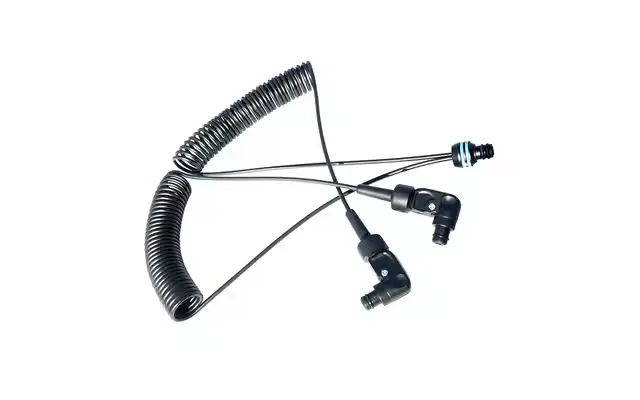
The scuba cable is listed as a 3.28-foot product for Sea & Sea and Inon strobe equipment. Its compact length may suit close equipment arrangements, but compatibility with the specific camera, housing, and strobe configuration should be confirmed before purchase.
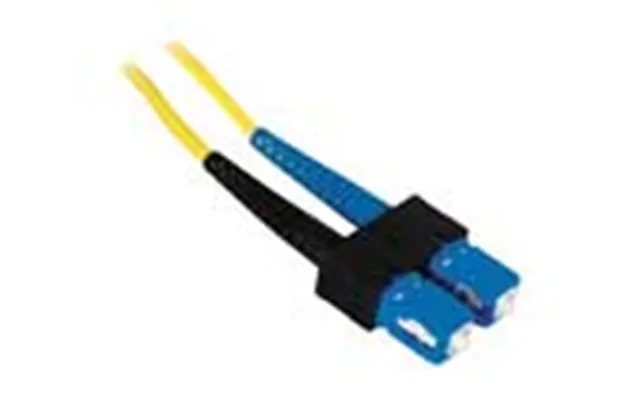
The ICC ICFOJ8C503 is a duplex SC-SC fiber optic cable assembly using single-mode fiber. Its listed length is 9.84 feet, making it a practical option for a short connection between compatible fiber optic equipment.
The cable uses SC connectors on both ends and is described as a duplex assembly. It also uses OFNR riser-grade fiber and is listed as meeting UL 1666 requirements. These details matter if you are selecting cable for a structured cabling environment where cable rating and installation expectations are important considerations.
Single-mode fiber is not the same as multimode fiber, so this model should be matched with equipment and infrastructure designed for single-mode connections. Before choosing it, check the connector requirements on both devices and verify that an SC-SC configuration is appropriate.
The listed offer comes from The Twister Group, with ICC identified as the brand. The reference price is $10.12. ZoneOffer does not sell the product; it provides a way to compare the listed offer with other shopping information.
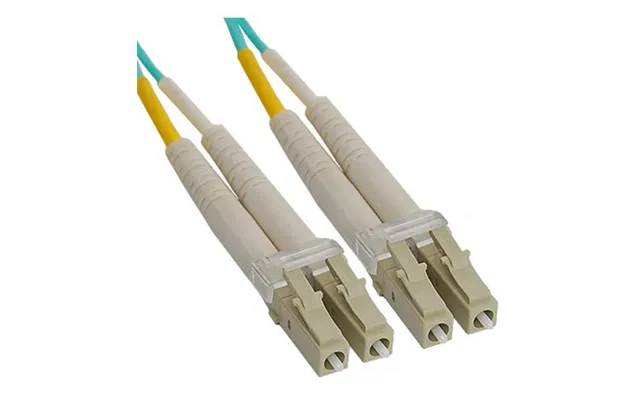
The ICC ICFOJ1G702 is a duplex LC-LC multimode fiber patch cable. It has a listed length of about 6.56 feet and uses a 50/125 fiber specification. The product is described as a 10G fiber cable designed for fiber applications that use laser-optimized fiber.
Its LC-LC connector arrangement makes it different from the SC-SC model. LC connectors are commonly associated with compact fiber connections, so the smaller connector format may be useful in equipment areas where space is limited. Still, the key decision is compatibility, not connector size alone.
The reference data states that the cable is made from OFNR riser-rated cable, is RoHS compliant, and includes test results. It is also listed with a three-year warranty. The product is configured to fit a standard single-gang outlet box, according to the supplied information.
This ICC jumper is listed at $10.12 through the Twister Group. Since both ICC fiber products have the same listed price but different connector and fiber configurations, comparing technical fit is more important than choosing based on cost alone.
At a glance, the two ICC products may seem similar because both are duplex fiber cables and both have the same listed price. Their differences, however, are central to the buying decision.
The ICFOJ8C503 uses SC-SC connectors and single-mode fiber at about 9.84 feet. The ICFOJ1G702 uses LC-LC connectors, multimode 50/125 fiber, and a length of about 6.56 feet. One is therefore not a direct substitute for the other unless your equipment supports both the connector style and fiber type.
Use the SC-SC option when your existing connection calls for SC connectors and single-mode fiber. Consider the LC-LC option when your equipment requires LC connectors and multimode 50/125 fiber for a compatible 10G application. When in doubt, check the labels on your current cable or the technical documentation for your equipment.
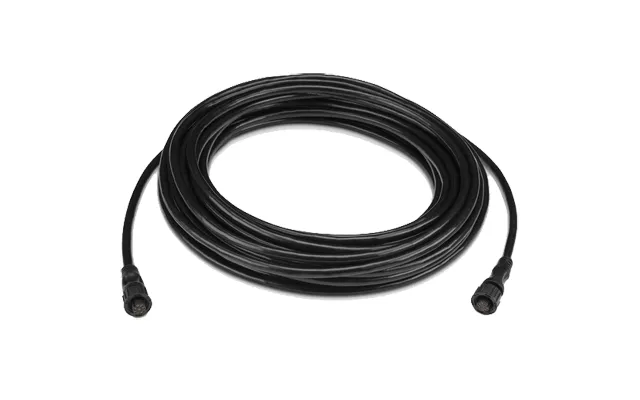
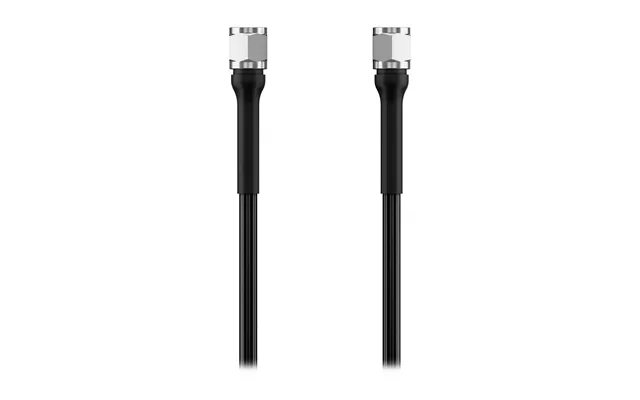
The Garmin 010-13026-01 is a camera coax cable with a listed length of 15 meters, or approximately 49.21 feet. This gives it considerably more reach than the short fiber jumpers in the comparison.
A longer camera cable can help when a camera must be installed away from its connected electronics. It may be useful in an arrangement where equipment placement, mounting position, or cable routing requires extra distance. However, length alone does not confirm compatibility, so the Garmin model number should be matched with the intended system.
The listed brand is Garmin, and the offer is shown through the Twister Group at $186.12. The reference data does not provide a regular price or discount comparison for this product, so the listed amount should be treated as the supplied offer price rather than a claimed sale price.
The Garmin 010-13026-02 is another camera coax cable, but it is listed at 25 meters, or approximately 82.02 feet. That extra reach may suit installations where the connected camera and electronics are separated by a larger distance.
Choosing a longer cable can simplify placement, but it can also create more cable to route, secure, and protect. Measure the actual path rather than relying on a straight-line estimate. A route that travels around walls, equipment, or mounting points may need more length than expected.
This Garmin cable is listed at $243.12 through the Twister Group. As with the shorter Garmin model, the reference data does not state a discount, stock status, or additional installation requirements. Confirm the exact equipment match before ordering.
The two Garmin camera coax cables share the same brand and product category, but their lengths and listed prices differ. The 15-meter version provides about 49.21 feet of cable and is listed at $186.12. The 25-meter version provides about 82.02 feet and is listed at $243.12.
The shorter model may be the more practical choice when your equipment is positioned relatively close together. The longer model may be worth considering when the installation needs additional reach. Why pay for extra cable if you do not need it? On the other hand, replacing an undersized cable can be more inconvenient than selecting enough length at the start.
Before comparing prices, measure the intended cable route and identify where the cable will connect. Then confirm the model number required by the camera or related system. A correct fit is the foundation of a successful installation.
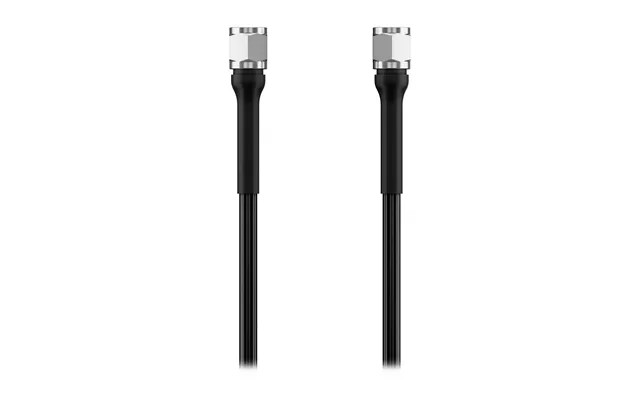
The Garmin 010-12528-02 is described as a GXM 53 extension cable for use with a radar unit, surveillance system, camera, sonar, sounder, or related module. Its listed length is 12 meters, equivalent to approximately 39.37 feet. The description also identifies it as a black cable with small connectors.
This model stands apart from the two Garmin camera coax cables because it is presented as an extension cable for a broader group of Garmin marine and surveillance-related equipment. The reference data specifically mentions the GXM 53 and several compatible equipment categories, so shoppers should pay close attention to the intended system before choosing it.
The offer is listed at $61.12 through the Twister Group. If your installation needs an extension rather than a camera coax replacement, this model may be the more relevant option among the Garmin listings. The decisive question is simple: are you extending a compatible Garmin system, or replacing a specific camera cable?
The scuba cable is listed as a 1-meter product, or approximately 3.28 feet, for Sea & Sea and Inon strobe equipment. It is described as an outdoor underwater fiber optic cable and is presented for diving-related use.
Underwater photography equipment often depends on careful component matching. The camera, housing, strobe, and cable must work together as a complete chain. This cable may be relevant to divers using compatible Sea & Sea or Inon strobe equipment, but the supplied data does not identify a specific model number or detailed connector specification.
The product is listed through Alibaba at $13.05. The description also mentions an exclusive perk of up to $500 off, but the reference does not provide enough detail to establish the terms, eligibility, or applicability of that statement. Treat it as listing information to verify rather than a guaranteed discount.
Length is one of the easiest specifications to understand, yet it is also one of the most commonly misjudged. Start by measuring the full route between connection points. Include turns, vertical runs, equipment movement, and any section needed for safe routing.
The listed options range from about 3.28 feet for the scuba cable to about 82.02 feet for the longer Garmin camera coax cable. The ICC jumpers sit at about 6.56 and 9.84 feet, while the Garmin extension cable measures about 39.37 feet.
Do not automatically select the longest option. Excess cable can make an installation untidy and harder to manage. At the same time, a cable that barely reaches its destination may place strain on connectors. A little planning can prevent both problems.
Before buying a fiber optic cable, check the connector type first. The reference products include SC-SC and LC-LC configurations. A cable with the wrong connector will not become compatible simply because it has the correct length.
Next, identify the fiber type. The ICC SC-SC assembly is single-mode, while the ICC LC-LC jumper is multimode 50/125. These specifications describe different fiber configurations, so match them with the requirements of your network or optical equipment.
For Garmin cables, focus on the model number and intended equipment category. The descriptions identify camera coax cables and a GXM 53 extension cable, but they are not presented as universal cables for every Garmin device. Model-specific compatibility should guide the final decision.
The reference data lists prices from the Twister Group, Alibaba, and the products’ respective brands. The listed amounts range from $10.12 for each ICC fiber option to $243.12 for the Garmin 25-meter camera coax cable.
ZoneOffer is a comparison site, not a store. Its role is to help shoppers review product and offer information in one place. It does not mean that ZoneOffer itself sells, stocks, ships, or guarantees any listed item. Always review the current offer details on the relevant seller’s listing before making a purchase.
When comparing offers, look beyond the headline price. Match the exact model, connector type, cable length, brand, and intended application. A lower-priced cable that does not fit your system is not a bargain; it is simply the wrong tool for the job.
Plan the cable path before connecting anything. Keep the route organized, avoid unnecessary sharp bends, and prevent the cable from hanging under tension. Connectors are small, but they are not indestructible, and repeated strain can affect long-term reliability.
For fiber optic products, keep connector ends clean and protected until installation. For longer Garmin cables, use a sensible route that avoids unnecessary tangles and protects the cable from traffic or accidental pulling. For underwater equipment, confirm the cable arrangement with the camera housing and strobe system before entering the water.
Finally, label cables after installation. A simple label can save time later, especially when several similar cables run through the same equipment area. It turns a confusing bundle into a clear map.
The best camera or optic replacement cable depends on a precise match between your equipment, connector type, fiber specification, intended environment, and required length. The ICC ICFOJ8C503 offers a duplex SC-SC single-mode connection at about 9.84 feet, while the ICC ICFOJ1G702 provides a duplex LC-LC multimode 50/125 connection at about 6.56 feet. Garmin offers camera coax cables at about 49.21 and 82.02 feet, plus a roughly 39.37-foot GXM 53 extension cable. The scuba fiber optic cable adds a short, approximately 3.28-foot option for compatible Sea & Sea and Inon strobe equipment. Compare the specifications carefully through ZoneOffer, and let compatibility—not appearance alone—be your guide.