


Electric Signs - Other price list
Last updated Tuesday, Nov 17, 2026
| Electric Signs - Other | Price |
|---|---|
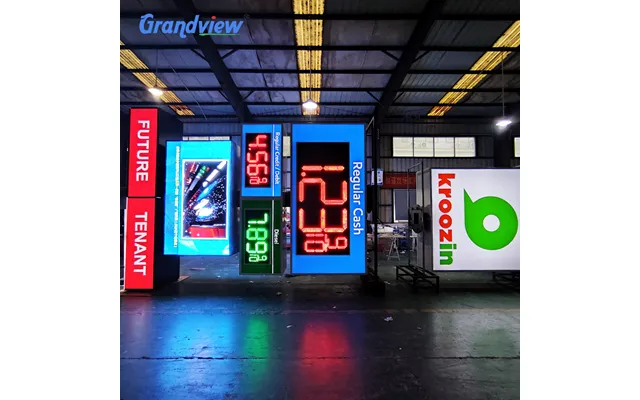
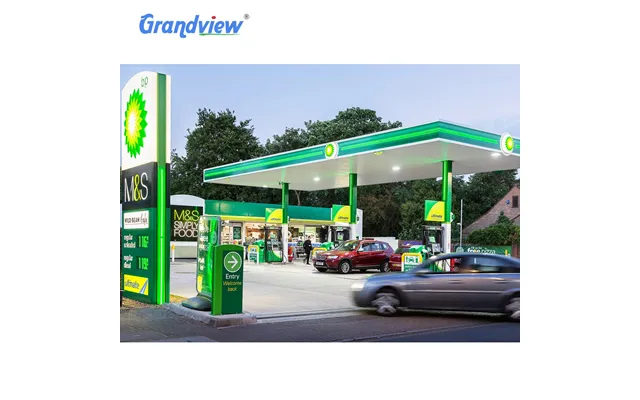
| Gas Station Illuminating Price Pylon Signage Canopy Fascia Sign | $500.00 |
| Illuminated 3d Pylon Sign Free Standing Directional Signage | $680.00 |

Loading...
Last updated Tuesday, Nov 17, 2026
| Electric Signs - Other | Price |
|---|---|
| Gas Station Illuminating Price Pylon Signage Canopy Fascia Sign | $500.00 |
| Illuminated 3d Pylon Sign Free Standing Directional Signage | $680.00 |
When customers are driving past your business, you may have only a few seconds to capture their attention. A well-placed electric sign can work like a visual welcome mat, helping people notice your location before they pass it. Unlike a plain, non-illuminated sign, an electric sign is designed to remain visible when daylight fades, making it useful for businesses that operate in the evening or want their identity to stay noticeable after dark.
Electric signs can support several goals at once. They may help identify a property, guide visitors, highlight a business entrance, or point people toward a specific area. The right design can also reinforce your brand’s presence in a busy commercial setting. Think of signage as your business’s first handshake: it should be clear, confident, and easy to remember.
The reference listing focuses on an illuminated 3D pylon sign described as free-standing directional signage. That combination makes it especially relevant for properties where visibility and wayfinding are both important. Before choosing any sign, you should consider where it will stand, what information it must display, and how people will view it from the road or walkway.
A pylon sign is a freestanding sign that stands independently rather than being attached directly to a building. Because it rises above the surrounding area, it can be easier to spot from approaching vehicles and pedestrians. A 3D design adds depth to the visual presentation, helping lettering, symbols, or other sign elements appear more prominent than flat graphics.
Illumination adds another layer of visibility. When the sign is lit, its message can remain legible in low-light conditions. This can be useful near entrances, driveways, parking areas, business parks, retail properties, and other locations where visitors need clear visual direction.
The listed product is titled “Illuminated 3d Pylon Sign Free Standing Directional Signage.” Since the reference data does not provide detailed construction specifications, lighting technology, dimensions, materials, installation requirements, or customization options, those points should be confirmed before making a purchase decision. A product title can explain the general format, but the final specifications determine whether a sign truly suits your property.
A freestanding sign gives you more flexibility than a sign mounted to a wall. You can position it near a property entrance or along a route where people need guidance. However, placement is not simply a matter of choosing the most visible spot. You also need to think about sightlines, landscaping, nearby structures, traffic flow, pedestrian movement, and local sign requirements.
Ask yourself a simple question: where would a first-time visitor naturally look for information? That point is often a better location than the closest available patch of ground. A sign that is technically visible but poorly positioned may still fail to guide people effectively.
Directional signage does more than display a name. It helps people understand where to go next. At a large commercial property, a visitor may need to find an entrance, office, parking area, loading zone, or individual business. A clear pylon sign can reduce confusion by presenting useful information before visitors reach a decision point.
Illuminated directional signs can be particularly helpful during evening hours. Without visible guidance, visitors may slow down, miss a turn, or enter the wrong area. Good signage acts like a calm guide in a crowded environment: it gives people the next step without forcing them to stop and search.
A 3D presentation may also improve visual impact. Depth can make a sign feel more substantial and distinctive, though the actual effect depends on the design, viewing distance, lighting, and surrounding environment. You should evaluate the complete sign rather than focusing on one feature in isolation.
Visibility is one of the main reasons businesses consider electric signage. A sign that blends into the background during the day may become difficult to read at night. Illumination can help separate the sign from darker surroundings and make its message easier to recognize.
Still, brighter is not always better. Excessive brightness, glare, or poor contrast can make a sign uncomfortable to view. The goal is balance: the sign should stand out without becoming distracting. When reviewing a product, look for information about the lighting arrangement, brightness, power requirements, controls, and recommended installation conditions.
The reference data identifies one offer for an illuminated 3D pylon sign designed as free-standing directional signage. The listed store is Alibaba, and the listed price is $680. No brand is provided in the reference data. These details give you a useful starting point for comparison, but they do not answer every question you may have about the product.
For example, the available information does not state the sign’s height, width, weight, materials, lighting type, color options, text configuration, electrical requirements, or installation method. It also does not specify whether the sign is intended for indoor or outdoor use. Those details can affect the total cost and suitability of the sign, so they should be verified through the product listing before you proceed.
The reference description also includes promotional wording about new products and possible savings of up to $500. Because promotional terms can depend on conditions, you should review the current offer details directly rather than assuming that any discount applies to this specific sign. ZoneOffer is a comparison site that helps users review offers; it is not the store selling the product.
A listed price of $680 helps establish a comparison point for this type of signage. However, the purchase price may not represent every expense connected with getting the sign ready for use. Depending on the design and installation situation, you may need to evaluate site preparation, electrical work, mounting, permits, or professional installation separately.
The reference data does not provide those additional costs, so they should not be estimated as confirmed facts. Instead, use the $680 figure as the listed offer price shown for the product and investigate the rest of the project before budgeting. A sign is like the visible tip of an iceberg: the product itself is easy to see, while the practical setup details may require more attention.
Effective directional signage should communicate at a glance. Visitors should not have to study a crowded sign while navigating a driveway or unfamiliar property. Use a clear hierarchy, with the most important information receiving the strongest visual emphasis.
Consider the viewing distance and speed of the audience. A driver approaching a property needs a different design from a pedestrian standing a few feet away. Large, simple lettering is generally easier to process quickly than dense blocks of text, but the exact size and layout should be determined according to the site and the information you need to display.
Color contrast also matters. Text and symbols should stand apart from the background so that they remain readable in daylight and under illumination. If your business already has established colors or visual elements, a pylon sign can help extend that identity outdoors. The sign should feel like part of the same brand family rather than an unrelated object placed at the entrance.
Three-dimensional elements can add depth and character, but they should support communication instead of competing with it. Raised lettering, dimensional logos, or layered components may attract attention, yet the sign still needs to deliver its message clearly.
Before choosing a complex design, consider how it will look from different angles. A sign may appear impressive from the front but less readable from the side or at a distance. If the sign is intended to direct traffic, visibility from approaching routes should take priority over decorative detail.
Because the available listing information is limited, careful questions are essential. Start by confirming the full dimensions and overall weight. These details influence transportation, site preparation, installation, and the amount of space required.
Next, ask about the materials used for the sign body and dimensional elements. You should also clarify whether the design is intended for outdoor exposure and what conditions it can handle. The reference data does not confirm weather resistance, so this should be treated as an important point for verification rather than an assumption.
Electrical information deserves equal attention. Confirm the required power source, connection method, lighting components, operating controls, and maintenance access. If the sign will be installed at a location without a convenient power connection, that may affect the project plan.
You should also check what is included in the listed product. Does the offer cover only the sign, or does it include structural components, lighting equipment, graphics, and installation materials? The reference data does not answer these questions, so request a complete itemized description before comparing the offer with alternatives.
A freestanding pylon sign should be considered as part of the property, not as an isolated decoration. Its location may affect pedestrian safety, vehicle movement, landscaping, visibility at intersections, and access to building entrances. Mark the proposed area and observe it from the directions visitors will approach.
It is also wise to consider how the sign will be maintained. Lighted signage may need periodic cleaning, inspection, or component replacement. A design that looks excellent but is difficult to access could become frustrating over time. Ask how service personnel would reach the sign without disrupting normal business activity.
Local rules may also influence your options. Sign size, illumination, placement, electrical work, and installation can be subject to local requirements. The reference data does not include permitting or regulatory information, so you should check the rules that apply to your specific property before ordering.
Scale is important. A sign that is too small may disappear among buildings, trees, and other visual distractions. A sign that is too large may overwhelm the property or create placement challenges. The best choice acts like a well-fitted frame: noticeable enough to draw attention, but proportionate to its surroundings.
Think about the sign from both a practical and emotional perspective. Can visitors find the property without hesitation? Does the sign look professional? Does it reflect the kind of experience you want people to expect? These questions can help you move beyond specifications and judge the sign as part of your customer journey.
When comparing products, avoid looking only at the headline price. A lower-priced sign may not provide the size, illumination, materials, or customization your location requires. A higher-priced option may offer features that reduce installation complications, but those features should be verified rather than assumed.
Build a comparison checklist around the factors that matter most to your project. Include the sign format, dimensions, lighting, materials, message area, power needs, installation requirements, and expected maintenance. Then compare each offer using the same categories. This approach makes the decision clearer, much like comparing vehicles by fuel use, seating, and safety instead of judging them by color alone.
The featured listing provides one reference point: an illuminated, 3D, freestanding directional pylon sign listed at $680 through Alibaba. Since no brand is specified, the product should be assessed primarily through its confirmed specifications and seller information. ZoneOffer can help you compare available offer details, but you should verify final product information before purchasing.
A directional sign works best when it forms part of a broader wayfinding system. If visitors see a pylon sign at the property entrance, additional signs may help them continue toward the correct destination. Consistent colors, symbols, wording, and layout can make the entire route easier to understand.
Keep the message focused. If a sign attempts to display every possible detail, its main purpose may become unclear. Decide what visitors need at that exact location and reserve secondary information for another sign or a later decision point.
Lighting can also contribute to a consistent experience. If your entrance, parking area, and directional signs have noticeably different visual styles, the property may feel disorganized. A coordinated approach creates a smoother path from first arrival to final destination.
One common mistake is choosing a sign before studying the site. A product may look appealing online but fail to provide the right viewing angle or visibility in its intended location. Always consider the environment in which the sign will operate.
Another mistake is assuming that a product title includes every feature you need. The featured title identifies an illuminated 3D pylon sign and describes it as free-standing directional signage, but the reference data does not confirm detailed specifications. Treat the title as an overview and verify the technical information separately.
Some buyers also overlook the importance of readability. Decorative elements can draw attention, but unclear text will not guide visitors effectively. Prioritize simple communication, strong contrast, and an appropriate scale for the viewing distance.
Finally, avoid treating the listed price as the complete project budget. The $680 price is the offer amount provided in the reference data. Any other costs should be confirmed through the listing and your installation planning rather than assumed.
An illuminated 3D pylon sign can give a business a strong visual presence while helping visitors navigate a property. The featured listing describes a free-standing directional sign available through Alibaba at a listed price of $680, with no brand specified in the reference data. Before choosing it, review its dimensions, materials, lighting, power requirements, installation details, and intended use. By comparing confirmed specifications and planning the sign around real visitor behavior, you can make a more informed decision and create signage that works as both a landmark and a guide.