

Electric Signs price list
Last updated Saturday, Oct 3, 2026




View 8 Offers
Loading...
Last updated Saturday, Oct 3, 2026
Electric signs can turn a quiet storefront into a clear visual landmark. Whether you want customers to notice your entrance after sunset, recognize your brand from across a parking lot, or guide visitors through a commercial property, illuminated signage gives your message a steady presence. The right sign works like a beacon: it attracts attention without requiring someone to search for it.
This guide explores the electric sign products listed in the reference data, including illuminated channel letters, acrylic light boxes, storefront signs, pylon signs, hanging signs, and interior wall lettering. You can use these options as starting points when comparing styles, placements, materials, and prices for a business signage project.
Electric signs are business signs that use built-in lighting to display a logo, name, message, or visual design. Depending on the format, the lighting may appear inside letters, behind a sign face, across a light box, or around a decorative logo. LED-based designs appear throughout the listed products, making them especially relevant for businesses seeking bright, modern presentation.
Unlike an unlit sign, an illuminated sign remains visible when natural light fades. That difference can matter for restaurants, offices, retail stores, reception areas, commercial buildings, and outdoor properties. The goal is not simply to add brightness. It is to make your identity easier to find and remember.
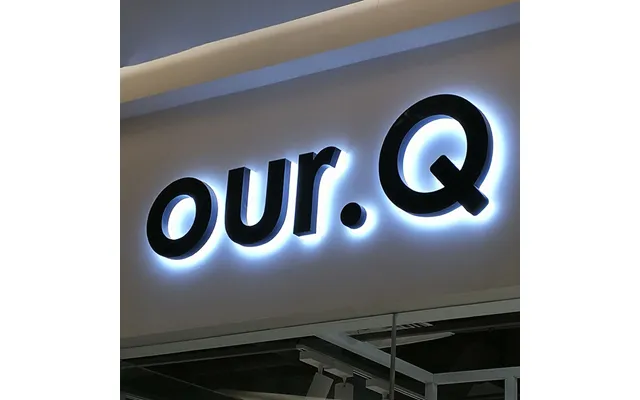
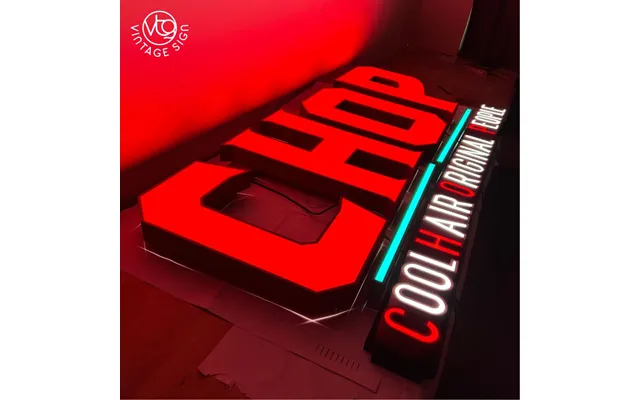
Channel letters are individual three-dimensional letters or shapes that form a business name or logo. The selection includes custom face-lit LED signs described as front-lit three-dimensional signs made with epoxy resin, acrylic letters, logos, and illuminated channel letters. A storefront can use this style to create a strong, polished focal point above an entrance or along an exterior wall.
Because each letter is separated, channel lettering offers visual flexibility. You can create a clean wordmark, emphasize selected letters, or combine lettering with a symbol. Think of each character as a small building block: together, the pieces create a recognizable identity.
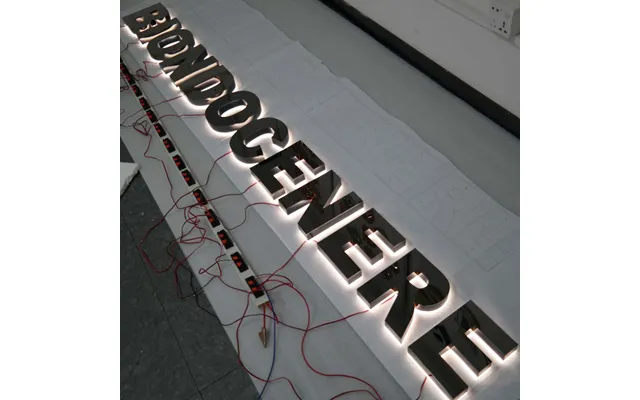
For a softer appearance, consider backlit lettering. The listed Rebow custom product features three-dimensional stainless steel interior wall lettering, a metal and acrylic construction, and a backlit channel letter sign format. This type of sign can suit reception areas, office interiors, branded walls, and other spaces where you want the logo to stand out without overwhelming the room.
Backlighting creates a halo-like effect around the letters. That glow can add depth to a flat wall and help a logo feel more dimensional. It may be a useful design direction when your priority is atmosphere as well as visibility.
The selection includes a hanging acrylic sign board with a custom company brand name, LED logo lighting, and a neon logo sign design. Hanging signs can help customers identify a business from different viewing angles, particularly when a wall-mounted sign is not the only visual option.
Acrylic can provide a clean, contemporary look, while the illuminated logo becomes the main point of attention. This format may work well for storefronts, reception zones, branded spaces, and businesses that want a sign with a lighter visual feel.
Another listed option is a custom storefront sign featuring a shop or store front metal logo, light-up lettering, and LED signs for office, commercial, business, or reception use. Metal can communicate structure and durability through its appearance, while illumination keeps the logo visible in lower-light conditions.
Storefront signage is often the first conversation your business has with a passerby. A well-organized name and logo can answer an immediate question: “What is this place?” Clear lettering, a sensible scale, and visible lighting help make that answer easier to read.
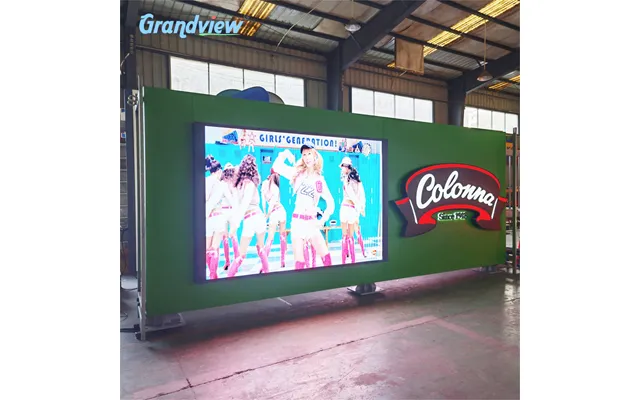
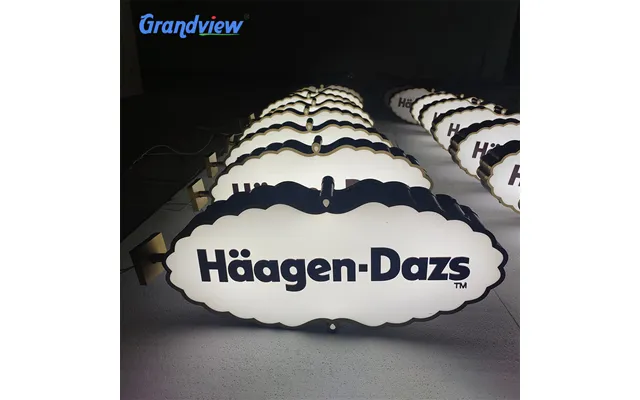
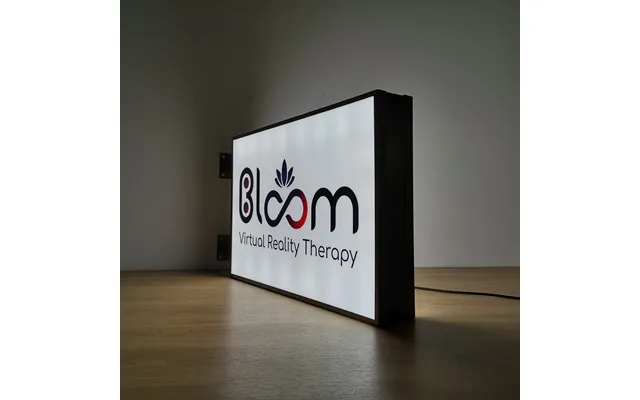
Light boxes use an illuminated enclosure or panel to display a graphic, logo, pattern, or message. The reference data includes an outdoor advertising light box with a custom personality pattern, acrylic construction, and three-dimensional LED lighting. It also includes a round outdoor acrylic lightbox sign described as a three-dimensional illuminated beer sign.
Light boxes can be useful when your design depends on a graphic surface rather than separate letters. They offer a broad canvas for artwork, themed branding, product identity, or a bold symbol. A round format can also add contrast when most nearby signs use rectangular shapes.
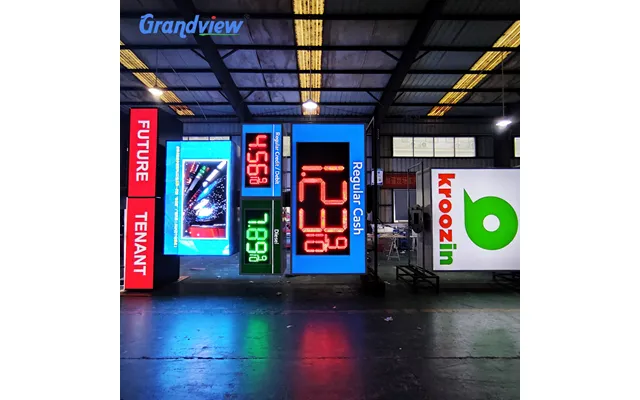
Pylon signs are freestanding structures designed to be visible from a distance. The selection includes an illuminated three-dimensional pylon sign described as free-standing directional signage. It also includes a custom outdoor advertising LED guide brand totem LED illuminated pylon totem sign.
These signs may be suitable for properties with driveways, multiple tenants, large setbacks, or directional challenges. Rather than sitting directly on a wall, a pylon or totem sign can act like a landmark at the edge of a property. Its purpose can combine branding with navigation.
The reference selection shows listed prices ranging from $15 to $680. These figures cover several different sign formats, so they should be compared with care rather than treated as a simple ranking. A small interior wall letter product and a large freestanding pylon sign serve very different purposes.
The lowest listed price is $15 for the Rebow custom three-dimensional stainless steel interior wall letter logo sign. The listed outdoor advertising light box is $25. The hanging acrylic sign board and the round outdoor acrylic lightbox sign are each listed at $30.
Several larger or more elaborate options are listed at $88. These include the custom face-lit LED sign with illuminated channel letters and the custom storefront metal logo light-up sign. The listed manufacturer custom outdoor LED guide brand totem pylon sign is $500, while the illuminated three-dimensional freestanding directional pylon sign is $680.
All listed offers identify Alibaba as the store in the reference data. ZoneOffer is a comparison site, not a store, so you can use the displayed information to compare the featured products rather than treating ZoneOffer as the seller. The descriptions also mention exclusive perks of up to US $500 off, but the reference data does not assign that statement to a specific product price or confirm that every item qualifies.
Location should guide your first decision. Will the sign sit above a storefront, on an interior wall, over a walkway, beside a driveway, or in a freestanding outdoor position? A storefront sign and a pylon sign may both display your logo, but they solve different visibility problems.
For a wall above an entrance, channel letters or a metal light-up storefront sign may be a natural fit. For a lobby or reception wall, backlit interior lettering can create a branded focal point. For a property where visitors need help finding an entrance or business, a pylon or totem sign may provide a more visible landmark.
Ask yourself how far away people will be when they first see the sign. A nearby visitor may read individual letters comfortably, while a driver approaching from a distance may need a bolder silhouette, a larger sign face, or a freestanding structure.
Light boxes and pylon signs can create a broad visual presence. Channel letters can deliver a crisp identity when the business name itself needs to lead. The best choice is the one that matches the distance between your audience and your sign.
Your sign should feel like part of your business rather than an unrelated decoration. A metal storefront sign may support a structured commercial look. Acrylic lettering can feel clean and modern. A neon-style logo or round beer lightbox may suit a more expressive visual identity.
Before choosing a format, consider your logo shape, word length, colors, and preferred mood. A long business name may need a carefully balanced layout, while a compact symbol could work beautifully as a hanging sign or light box.
The reference data includes products described for interior walls, storefronts, outdoor advertising, directional signage, and commercial reception areas. These descriptions can help you narrow your search, but the exact installation requirements for your location are not provided.
When comparing an option, review how the product is described and decide whether it aligns with the intended setting. An interior wall letter sign should not automatically be treated as an outdoor solution, just as a freestanding pylon sign may be more structure than a small reception area needs.
Illumination attracts attention, but clarity keeps it. Use your business name, logo, or primary message as the visual priority. If every element competes for attention, the sign becomes a crowded conversation where no single word gets heard.
Three-dimensional letters, logos, and light boxes can all create visual interest. The trick is to let the shape support the message instead of hiding it. Look at the design from the distance where customers will encounter it, not only from a worktable or design screen.
Contrast helps letters and symbols remain legible. A bright sign face against a dark background can create a strong outline, while a glowing edge or backlit effect can separate lettering from a wall. Acrylic, metal, epoxy resin, and illuminated channel formats offer different ways to build contrast and depth.
Ask whether the logo remains recognizable when the sign is illuminated. A design that looks balanced in daylight may appear different once lighting becomes the dominant feature. Whenever possible, evaluate both the lit and unlit appearance.
Rectangular signs are familiar and practical, but a distinctive shape can help your business stand apart. The round outdoor acrylic lightbox in the selection demonstrates how a circular sign can become part of the brand experience. A totem or pylon creates height, while individual channel letters create a horizontal rhythm.
Shape is more than decoration. It affects how quickly people recognize the sign and how naturally it fits the building or property. Let the architecture guide you, then add a design element that makes the sign memorable.
Before selecting a sign, identify the intended mounting or placement area. Wall-mounted letters, hanging acrylic boards, light boxes, and freestanding pylon signs each require different planning. Consider the available surface, sightlines, surrounding structures, and the way people approach the property.
Electrical access is another important planning point for illuminated signage. The reference data confirms that these products are illuminated, but it does not provide installation instructions, electrical specifications, mounting details, or local requirements. For that reason, review the product information carefully and consult a qualified professional for site-specific installation questions.
For outdoor signs, examine the location from several viewpoints. A sign that looks excellent from directly in front may be hidden from a side approach. Walk or drive through the surrounding area and note where customers are likely to see the business name first.
Illuminated signs benefit from routine visual checks. Look for uneven lighting, damage to visible surfaces, loose components, or changes in the sign’s appearance. Catching a problem early can help you protect the sign’s presentation and keep the brand message consistent.
Cleaning needs depend on the materials and placement. Acrylic, metal, epoxy resin, and other surfaces may require different care. Use product-specific guidance rather than assuming every sign can be cleaned the same way. A light box, for example, may need attention to both its outer surface and its illuminated display area.
Keep a simple record of inspections, especially for signs positioned outdoors or in busy commercial areas. Regular attention is like tuning a musical instrument: small adjustments help the overall performance stay clear.
Price is useful, but it should not be the only comparison point. First, match the product format to your location and visibility goal. Then compare the construction description, lighting style, sign shape, intended use, and overall scale suggested by the listing.
The reference products range from a $15 interior wall letter sign to a $680 freestanding directional pylon sign. That spread illustrates why context matters. A lower-priced option may be appropriate for a compact branding detail, while a higher-priced freestanding sign may be designed for a broader property-level function.
Read product titles carefully, especially when they include several related terms such as “logo,” “light box,” “channel letter,” “pylon,” or “storefront.” Those words can reveal the intended format, but they do not replace a detailed review of the complete product information.
If you need a bold name display, begin with illuminated channel letters or a light-up storefront sign. If you want a branded wall feature, explore backlit interior lettering. If customers need a visible landmark or directional aid, compare the pylon and totem options. For graphic-led branding, look at acrylic light boxes, including the round illuminated style.
Next, create a short list based on three questions: Where will the sign go? How far away will people be? What should they remember? Those answers act like a compass. They can keep you focused when product titles and design possibilities begin pulling you in different directions.
Use ZoneOffer to compare the listed options and identify the formats that best fit your project. Remember that the reference data shows offers from Alibaba, while ZoneOffer remains a comparison site rather than a seller. Confirm the details relevant to your decision before proceeding with any purchase or installation planning.
Electric signs give businesses a practical way to improve visibility, strengthen branding, and guide visitors. The reference selection includes channel letters, hanging acrylic signs, storefront metal signs, light boxes, backlit wall lettering, and freestanding pylon signage, with listed prices from $15 to $680. By matching the sign type to your location, viewing distance, brand style, and installation needs, you can create a display that works like a clear visual welcome—bright, recognizable, and purposeful.