
View 4 Offers
View 4 Offers
Loading...
Choosing the right surgical needle, syringe, catheter, or suture-removal instrument is about more than finding the lowest listed price. The correct size, design, packaging, and intended use can make a meaningful difference in comfort, control, hygiene, and workflow. This guide explores the surgical needles and sutures-related products shown in the reference data, helping you compare practical options for clinical, diabetes-care, and medical supply needs.
ZoneOffer is a comparison site, not a store. The listings below are presented to make product research easier, while the listed seller is alldiabetic. Always confirm clinical suitability with a qualified healthcare professional before selecting or using a medical device.
The category includes several different product families. Some listings are designed for insulin delivery, while others are general hypodermic needles, allergy syringes, suction catheters, or tools used to remove sutures. Although they all involve medical procedures, they are not interchangeable. Think of them as different tools in a toolbox: a fine pen needle is built for one task, while a large-bore hypodermic needle serves another.
When comparing products, pay attention to gauge, length, capacity, sterility, packaging, and compatibility. A product’s gauge describes needle thickness, while its length affects how far it reaches. Syringe capacity matters when measuring medication, and features such as a safety lock or protective sleeve may support safer handling.
Many listings include gauge numbers such as 31G or 32G. In general, a higher gauge number indicates a finer needle, but the correct selection depends on the prescribed use. The data includes short pen needles, longer pen needles, 22G and 23G hypodermic options, and a 16G needle with a 1.5-inch length. These differences are important because a needle designed for insulin delivery should not be treated as a substitute for a device intended for another injection or fluid-transfer task.
Product lengths in the listings range from 4 millimeters, or about 0.16 inches, to 12.7 millimeters, or about 0.5 inches, for several pen needles. Other products are listed at 5 millimeters, about 0.2 inches; 6 millimeters, about 0.24 inches; 8 millimeters, about 0.31 inches; and 1.5 inches. The reference data also includes a 27G allergy syringe with a 0.5-milliliter volume.
Pen needles represent a major portion of the available selection. The listings include BD, Homeaide, EasyTouch, Sure Comfort, and Procomfort products. These options differ in gauge, length, box quantity, safety features, and design details. Several are described as sterile, single-use, latex-free, or compatible with most pen devices.
For shoppers, the main comparison points are comfort, fit, length, and handling. A shorter pen needle may be appealing to people who want a simpler injection process, while a longer model may be selected when a healthcare professional believes additional reach is appropriate. You should never change needle length or gauge without appropriate medical guidance.
The BD Ultra Fine Mini Pen Needle listing is described as a 32G, 4-millimeter option, approximately 0.16 inches, with a box quantity of 90. Its description highlights micro-bonded lubrication, surgical steel construction, needle-point inspection, and a latex-free, non-toxic, non-pyrogenic design. The listed price is $36.54.
Another BD listing is the Ultra Fine Mini Pen Needle 31G, 5 millimeters, approximately 0.2 inches, supplied in a box of 90. The description emphasizes comfort, subcutaneous delivery, micro-bonded lubrication, and universal compatibility with most insulin pens and medication delivery devices. The listed price is $33.17.
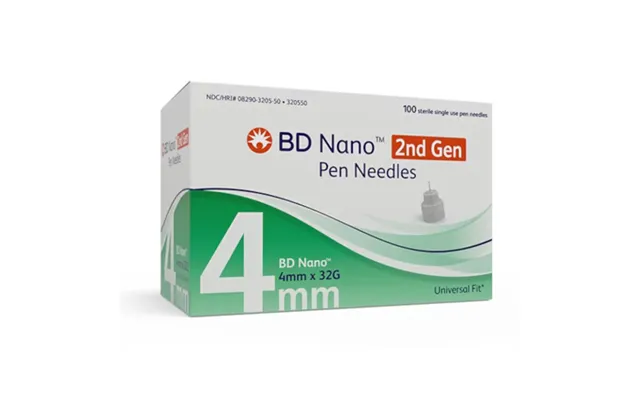
The BD Ultra Fine Pen Needle 5-millimeter, 31G listing is also described as sterile, single-use, and universally compatible with most diabetes pen devices. It is listed at $44.01. Meanwhile, the BD Nano 2nd Gen Pen Needles are 32G and 4 millimeters, approximately 0.16 inches, with 100 needles per package and a listed price of $75.76. The description mentions a wider outer cover, a larger inner shield, a contoured base, EasyFlow technology, and a five-bevel tip.
For people comparing longer pen needle choices, the data includes several 6-millimeter options, equal to about 0.24 inches. The BD Ultra-Fine 32G 6-millimeter Pen Needle is listed at $66.75 and is described as using electro-polished surgical-grade steel and micro-bonded lubrication.
Homeaide offers a True Comfort Safety Pen Needle at 6 millimeters and 31G, with 100 needles per box and a listed price of $19.93. A separate Homeaide TrueComfort Pen Needles listing also specifies 6 millimeters, 31G, and 100 needles, with a listed price of $10.65. The safety version includes a safety locking mechanism, while the other listing emphasizes a fine tip and sterile individual packaging.
The EasyTouch Pen Needle is listed as 31G and 6 millimeters, approximately 0.24 inches, with a listed price of $13.89. Its description references surgical steel, a film-coated tri-bevel design, electropolishing, a thin-wall cannula, a secure needle attachment, and a universal fit for most pen devices.
Longer options include the Sure Comfort 31G pen needle at 8 millimeters, about 0.31 inches, listed at $13.82. The BD Ultra-Fine III Short Insulin Pen Needle is also listed at 31G and 8 millimeters, with a price of $59.92. The BD 29G pen needle is listed at 12.7 millimeters, approximately 0.5 inches, and priced at $58.71. Its description highlights a longer reach, micro-bonded lubrication, and a precision-ground tip.
Safety is a central consideration when comparing needles. Several products in the reference data are described as sterile and intended for single use. Some also include locking or protective features designed to reduce handling risks after an injection.
The Homeaide True Comfort Safety Pen Needle 4-millimeter, 32G listing includes a safety locking mechanism and 100 needles per box. It is listed at $23.15. Homeaide also offers a True Comfort Safety Pen Needle 5-millimeter, 31G, with 100 needles per box and a listed price of $20.88. Both descriptions mention sterile, disposable use.
The EasyTouch Safety Syringe is a different type of product. It is a 23G, 3-milliliter syringe with an exchangeable needle and a listed price of $21.73. Its flip-lock safety cap is designed to cover the needle after use until it clicks into place. The listing also describes a Luer lock connection, a clear barrel, a triple-bevel surgical steel needle, and individual pre-sterilized packaging.
Packaging can help medical teams organize supplies and maintain a clear single-use workflow. The listings include boxes of 90 pen needles, boxes of 100 pen needles, and individual products such as suction catheters and suture-removal kits. Before ordering, compare the package quantity with expected usage. A larger box may be convenient for regular care, while an individual sterile item may suit occasional procedures or a specific clinical need.
The reference data includes several general-purpose needle and syringe products. These should be assessed by gauge, length, bevel, connection type, capacity, and intended application. A healthcare professional can help determine whether a particular item is suitable for drawing medication, delivering medication, drawing blood, or another procedure.
Dynarex Hypodermic Needles are listed as 22G in a box of 100, priced at $5.56. The description states that they are sterile, thin-wall needles compatible with Luer lock and Luer slip syringes. They feature a double bevel, color-coded hub, and a latex-free, non-toxic, non-pyrogenic design.
The combination of a box quantity of 100 and a listed price of $5.56 makes this product worth comparing for facilities seeking a standard supply format. Still, price should not be the only deciding factor. Connection compatibility and the prescribed procedure remain essential.
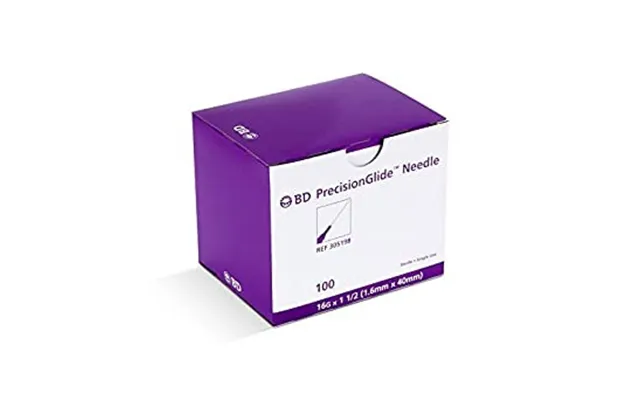
The BD PrecisionGlide range in the data includes a 16G needle with a 1.5-inch length, or about 1.5 inches as already stated in the listing. One entry is priced at $27.55 and described as a sterile, single-use hypodermic needle with a regular bevel and regular wall. Another BD 16G, 1.5-inch entry has the same listed price and describes a thin-wall, tri-bevel tip and proprietary lubricant.
The listing explains that the larger internal diameter may support tasks requiring faster fluid flow, including drawing blood, injecting contrast media, or transferring thicker medications and nutritional supplements. Because this is a larger-gauge product, it belongs in a different comparison group from fine insulin pen needles.
The BD PrecisionGlide Allergy Syringe is listed as 27G with a 0.5-milliliter volume and a price of $28.95. The reference data provides the product size but does not add extensive feature information. That makes it especially important to review the full product details and confirm clinical suitability before purchase.
The Homeaide True Comfort Insulin Syringe is listed as 32G, with a 1cc capacity and a 5/16-inch needle length. One cc is equivalent to 1 milliliter, and the description states that the syringe capacity is suitable for 100 units. The listed price is $15.95.
The syringe is described as sterile, individually wrapped, latex-free, non-pyrogenic, and intended for single use. Its ultra-fine 32G needle is presented as a comfort-focused feature. For people who use insulin syringes rather than pen devices, this listing offers a different format to compare with pen needle products.
The key distinction is simple: a pen needle attaches to a compatible medication pen, while an insulin syringe is a standalone syringe used to draw and deliver medication. They may serve related purposes, but their handling and compatibility requirements are different.
Not every product in the data is a needle or suture instrument. The selection also includes sterile suction catheters and catheter kits in multiple French sizes. These listings are useful for comparing catheter formats, packaging, and included accessories, but they should be evaluated separately from injection supplies.
The Cardinal Health Essentials coil-packed suction catheter kits are listed in 6 Fr, 10 Fr, 12 Fr, and 14 Fr sizes. Each kit includes a coil-packed suction catheter, two powder-free PVC gloves, and a pop-up cup. The descriptions mention suction thumb control, a stepped connector, two staggered opposing eyes, and a smooth cut.
The 6 Fr kit is listed at $1.78. The 10 Fr kit is listed at $0.61, with a regular price of $1.78 shown in the data. The 12 Fr kit is listed at $0.61, also with a regular price of $1.78, while the 14 Fr kit is listed at $0.61 with the same regular price. These are comparison figures from the reference data, not guarantees of current availability or final checkout pricing.
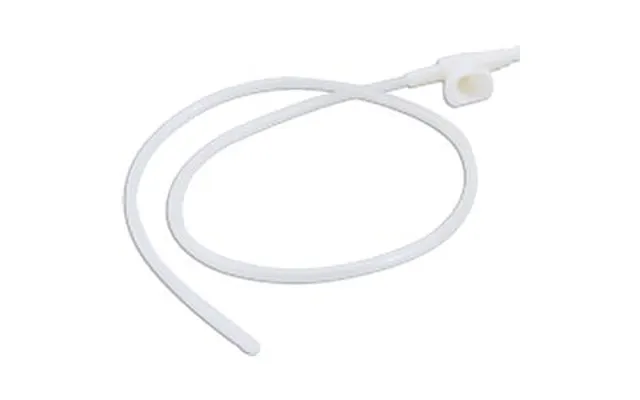
The Cardinal Health Essentials straight-packed suction catheter is listed at 18 Fr for $0.18. It includes the suction thumb control, stepped connector, staggered opposing eyes, and smooth cut described in the listing.
Other individual options include an 8 Fr catheter with a sleeve and pop-up cup, listed at $0.94, and an 8 Fr coil-packed suction catheter listed at $0.23. The coil-packed listing shows a regular price of $0.62 and describes the design as convenient for shipping. Compare the format carefully: a kit may include useful accessories, while an individual catheter may be more suitable when gloves or cups are already available.
Suture removal supplies are another practical part of this category. The reference data includes sterile kits containing scissors and forceps, as well as a stainless steel pair of Lister bandage scissors. These products are intended for different roles, so comparing included instruments is important.
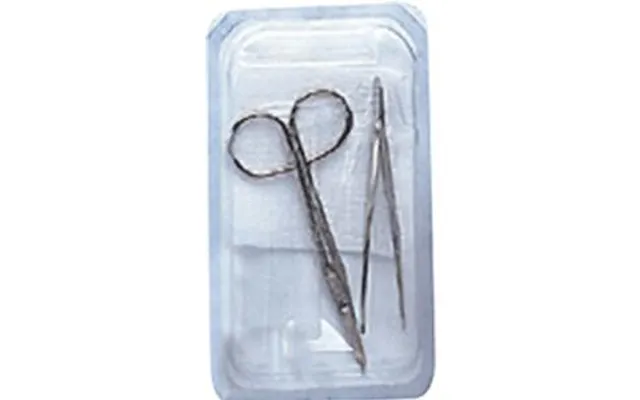
The Medical Action Industries One Time Suture Removal Tray includes iris scissors and tissue forceps. It is listed as sterile and priced at $3.72. The Suture Removal Kit with Littauer Scissors and Metal Forceps is also listed as sterile, with a removable Tyvek lid. Its listed price is $1.16, and the data shows a regular price of $1.77.
The choice between these kits may depend on the preferred scissor style, forceps material, packaging, and procedural workflow. A preassembled sterile tray can function like a ready-made workstation: the necessary tools are grouped together rather than gathered separately.
The American Diagnostic Lister Bandage Scissors are listed as 5.5 inches long and made from stainless steel. The product is described as an extra-fine, fully autoclavable instrument with a finger-ring handle and a latex-free design. The listed price is $2.61.
Unlike a disposable suture-removal tray, this is a reusable instrument according to the listing’s autoclavable description. Any facility considering it should follow appropriate cleaning, sterilization, and clinical handling procedures established by its qualified staff.
Price comparison is useful, but it works best when you compare like with like. A box of 90 pen needles should not be compared directly with one individual catheter or one sterile removal kit. Check the unit format, package quantity, product size, and included accessories before deciding which listing offers the better value.
The reference data shows prices ranging from $0.18 for the Cardinal Health Essentials 18 Fr straight-packed suction catheter to $75.76 for the BD Nano 2nd Gen Pen Needles. Other examples include the $5.56 Dynarex 22G box of 100, the $15.95 Homeaide insulin syringe, and the $21.73 EasyTouch safety syringe. These figures help create a comparison starting point, but product suitability should remain the first filter.
Before selecting a listing, verify the gauge, length, quantity, sterility statement, safety mechanism, connection type, and intended device compatibility. Also look for differences between product variants that may appear similar at first glance. For example, two Homeaide products may both be 6 millimeters and 31G, yet one includes a safety locking mechanism while the other does not.
Because prices and availability can change, treat the displayed information as a snapshot from the supplied comparison data. Confirm the current listing details with the seller before completing a purchase.
Start with the procedure, not the brand name. For insulin pens, compare pen needle gauge and length, device compatibility, package quantity, and safety features. For insulin syringes, check capacity, needle size, and unit markings. For general injections, review the gauge, length, bevel, and syringe connection. For suction, compare French size, catheter style, and whether the product includes gloves, a sleeve, or a pop-up cup.
If you are comparing suture-removal products, decide whether a sterile single-use kit or a reusable instrument better fits the clinical workflow. The Medical Action Industries and Littauer kits provide packaged options, while the American Diagnostic Lister scissors offer a stainless steel, autoclavable format.
When in doubt, ask a qualified medical professional. The smallest detail can matter: choosing a needle that is too long, a connector that does not fit, or a catheter format that does not match the procedure can turn a straightforward task into a frustrating one.
The reference data offers a broad selection of surgical needles, pen needles, syringes, suction catheters, suture-removal kits, and medical scissors. BD, Homeaide, Cardinal Health Essentials, Dynarex, EasyTouch, Sure Comfort, Procomfort, American Diagnostic, and Medical Action Industries appear across different product types and specifications. By comparing gauge, length, capacity, sterility, safety features, packaging, and listed price, you can narrow the field more confidently. ZoneOffer helps you compare the available listings, while a qualified healthcare professional should guide the final clinical choice.