View 14 Offers
View 14 Offers
Loading...
Choosing medical needles and syringes can feel like sorting through a toolbox where every instrument looks similar but serves a different purpose. Capacity, needle gauge, needle length, tip style, sterility, and packaging all matter. Whether you are comparing oral syringes, insulin syringes, hypodermic needles, irrigation syringes, or accessories, the right match depends on how the product will be used.
This guide explores the medical needles and syringes listed in the reference data. You can use ZoneOffer, a comparison site, to review available product details and compare listed options from the supplied marketplace information. ZoneOffer is not a store and does not manufacture, sell, or fulfill these products.
Medical syringes are designed for different routes of administration and clinical tasks. An oral syringe is used to measure and deliver liquid medication by mouth, while an insulin syringe is intended for small-volume subcutaneous injections. A catheter-tip syringe can connect with feeding tubing, and an irrigation syringe may help deliver fluid through a curved tip.
The product category also includes syringe-only designs, syringes with attached needles, detachable-needle systems, blunt cannulas, filter needles, and sharps containers. Think of each design as a different key: the shape may be similar, but only the right one fits the intended job.
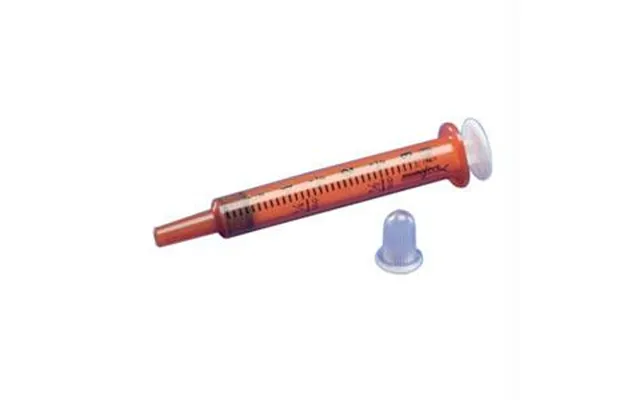
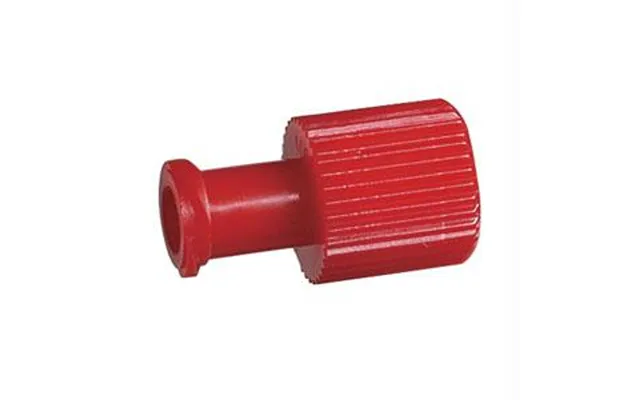
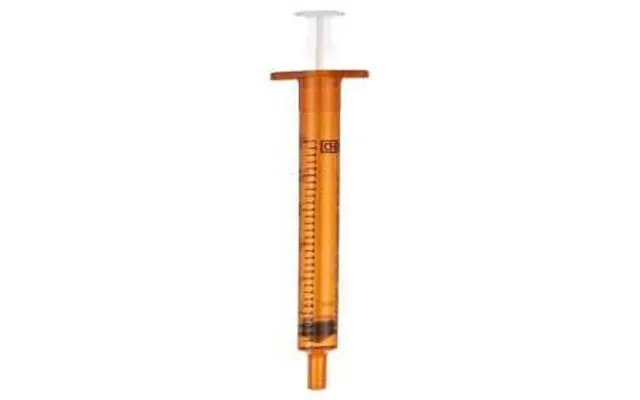
Oral and enteral syringes are built for medication administration through the mouth or an enteral feeding system. The Monoject Oral Enteral Syringe With Tip Cap 60 Ml is described as a sterile, latex-free polypropylene syringe with dual graduations in milliliters and teaspoons. It includes a separate purple tip cap and an oral feeding luer tip.
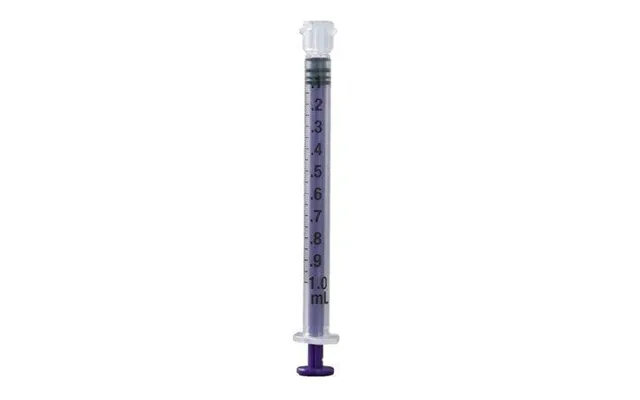
The reference data also includes a clear Oral Syringe With Tip Cap 10 Ml. Its bold, easy-to-read scale is intended to support accurate measurement, while the included tip cap helps protect the syringe opening. For smaller oral doses, the Monoject Purple Oral Enfit Syringe is available in a 6 Ml size, and Kendall Monoject Purple Oral Dispenser Syringes are listed in 12 Ml and 1 Ml versions.
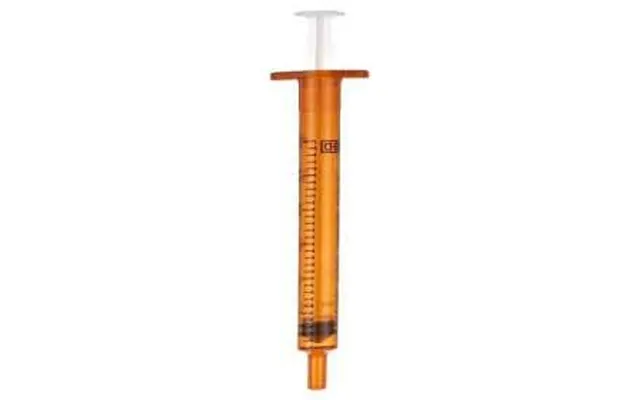
When comparing oral syringes, look closely at the connector. The Enteral Syringe With BD Univia Connector 10ml uses a non-luer-compatible connection designed to reduce the risk of tubing-set misconnections. Its bold markings and amber-colored plunger rod are also described as useful for reading and delivery in low-light conditions.
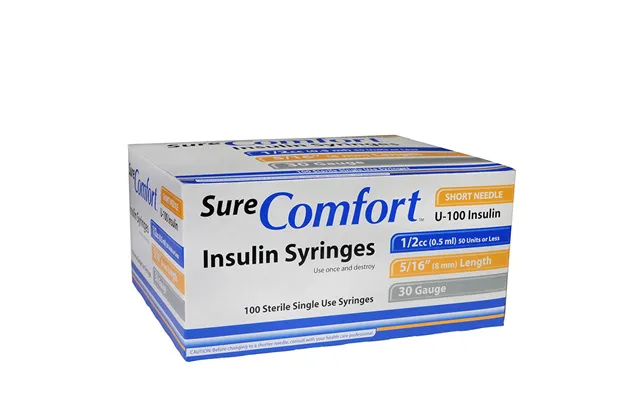
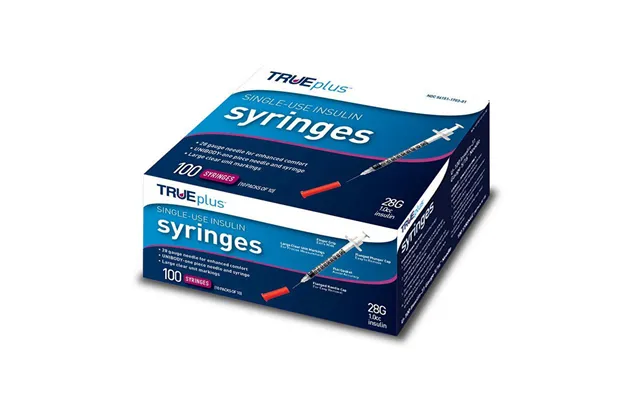
Insulin syringes are generally selected by capacity, gauge, and needle length. The reference products include compact designs such as the Homeaide Easycomfort Insulin Syringe 31g 5/16 0.3cc Box 100, the True Comfort Pro Insulin Syringe 31g 1/2cc 5/16 Box 100, and the BD Veo Insulin Syringes with a 31-gauge, 6-millimeter needle and 3/10 capacity.
For readers who prefer imperial measurements, 5/16 inch is the same as 0.3125 inch, while 1/2 inch is 0.5 inch. A 0.3cc capacity is approximately 0.01 fluid ounce, and a 0.5cc capacity is approximately 0.02 fluid ounce. These conversions are useful when comparing size, but dosing decisions should always follow professional instructions and the markings on the specific syringe.
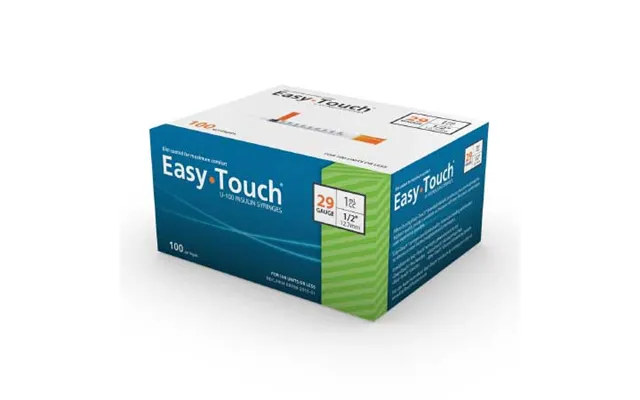
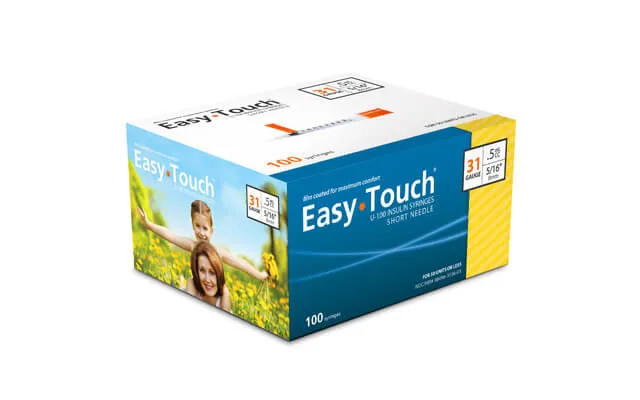
Other insulin-focused options include the Easy Comfort Insulin Syringe 32g 1cc 5/16in, Easycomfort Syringe 30g 1cc, Easy Touch 1/2cc 30g Syringe, Nipro Trueplus Insulin Syringe 31g x 5/16 1ml, and Becton Dickinson Syringe 3/10ml 30g x 1/2 Insulin Ultrafine 100ct. Several are described as sterile, latex-free, and intended for single use.
The Procomfort Insulin Pen Needle 32g 5mm is a pen-needle option rather than a traditional syringe. Its listed length is about 0.2 inch, making it a compact choice for subcutaneous injections. The description highlights a silicone coating, individual packaging, sterility, and universal compatibility.
Gauge describes the thickness of a needle. A higher gauge number generally indicates a thinner needle. The data includes fine options such as 30g, 31g, and 32g insulin needles, as well as larger 18g and 23g needles for other applications. Needle length is separate from gauge, so two needles can share the same gauge while having different lengths.
The correct combination depends on the medication, injection method, dosage, and instructions provided by a qualified healthcare professional. A thin needle may be chosen for comfort, while a larger needle may be selected for drawing or transferring fluid. Convenience alone should never determine the choice.
The reference selection includes several fine-gauge products designed around comfort and precise dosing. The Allison Medical Syringe 31g 3/10cc 5/16 100 Box features a lubricated needle, readable markings, and a larger grip. The Allison Syringe 31g 1/2cc 5/16 Length Needle is another compact option.
Homeaide products include the Easycomfort Syringe 31g 1/2cc, Easycomfort 30g x 5/16 1/2cc Syringe, and Easycomfort Syringe 30g 1cc. The descriptions emphasize thin needles, single-use packaging, and sterile construction. Easy Touch 3/10cc 31g Syringe and Easy Touch 1/2cc 30g Syringe are also listed for small-volume injection needs.
For a 1cc option, the Easycomfort Insulin Syringe 32g 1cc 5/16in and the Nipro Trueplus Insulin Syringe 31g x 5/16 1ml offer different product choices. The BD U-100 Insulin Syringe with Micro-Fine IV Needle 27g x 5/8 - 1 Ml 100 Count is another option, with clear unit markings and an attached beveled needle.
The reference data includes Regular Bevel Needles in 25g x 1, 23g x 1, 30g x 1, and 18g x 1-1/2 configurations. The 23g product is described as sterile, latex-free, and designed to reduce penetration and drag forces. The 30g option is also described as sterile and latex-free for general use.
Monoject rigid-pack hypodermic needles are listed with different hubs and dimensions. The Monoject Rigid Pack Hypodermic Needle with Polypropylene Hub 18g x 1 is described as tri-beveled, ultra-sharp, sterile, and single-use. The Monoject Rigid Pack Hypodermic Needle with Aluminum Hub 25g x 2 includes a red hub and the same general sterile, single-use positioning.
Another option is the Hypodermic Blunt Fill Needle 18g x 1-1/2. A blunt fill needle is designed for filling or transferring fluid rather than performing a typical injection. The Blunt Filter Needle 18g x 1-1/2 is described as having a 5-micron filter and a blunt fill tip.
The tip is one of the easiest details to overlook, yet it can determine whether a syringe connects securely to the intended device. Luer-lock tips are designed for a threaded connection, while slip tips rely on a friction fit. Catheter tips are tapered for tubing, and curved tips are shaped for irrigation tasks.
The Monoject Rigid Pack Luer-Lock Tip Syringe is listed in 20 Ml and 35 Ml sizes. Both are described as sterile, latex-free, polypropylene syringes with graduated barrel markings and no included needle. These may be useful when a separate needle or connector is selected for the intended application.
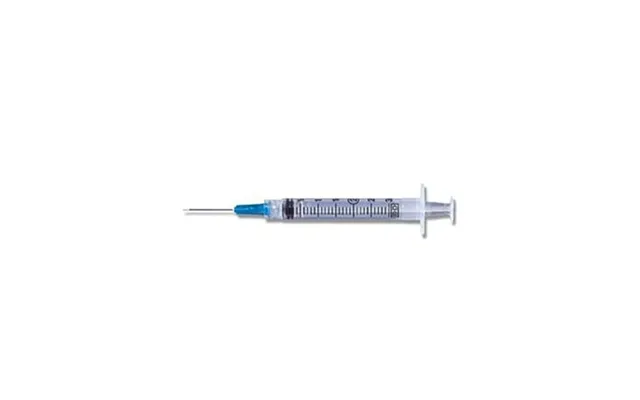
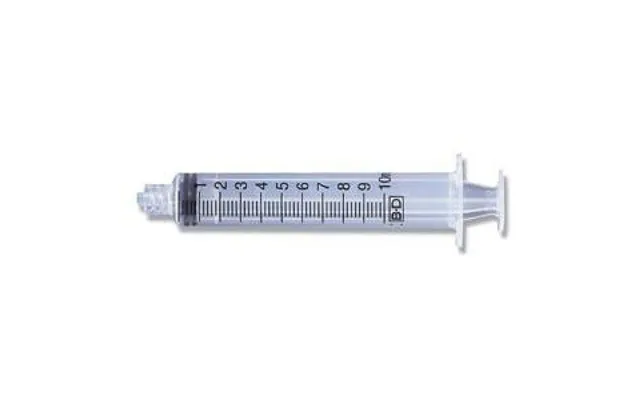
The Syringe With BD Luer-Lok Tip 20 Ml includes a clear barrel, bold scale markings, a tapered plunger rod, and a threaded BD Luer-Lok connection. For a detachable-needle system, the Luer-Lok Syringe With Detachable PrecisionGlide Needle is listed in 23g x 1 and 25g x 1-1/2 configurations, both with 3 Ml capacity and 100-count packaging.
The Slip-tip Syringe 3 Ml and Slip-tip Tuberculin Syringe 1 Ml are syringe-only options. The tuberculin design is described as having color-coded slip tips and easy-peel packaging. As always, verify that the tip type matches the needle or tubing connection before use.
The Catheter Tip Syringe 60 Ml is described as a sterile, latex-free syringe with a clear barrel and tapered plunger rod. Its catheter tip is intended to inject through tubing such as feeding tubes. A 60 Ml capacity is approximately 2 fluid ounces, making it one of the larger syringe formats in the listed selection.
The Monoject Curved Tip Irrigation Syringe - 12 Ml appears in the data as both an each and a box listing. It is described as sterile and latex-free. Its curved tip distinguishes it from standard injection syringes and makes it a product to compare specifically for irrigation-related tasks.
The Kangaroo 60cc Piston Syringe With 500cc Container And Basin includes a 60cc piston syringe, a 500cc container, and a basin according to the description. The 500cc container is approximately 16.9 fluid ounces. This product is different from a basic syringe because it combines the syringe with additional collection or preparation components.
Safety is not a single feature; it is a chain of choices. Sterile packaging, latex-free materials, single-use construction, secure connections, accurate markings, and proper disposal all play a role. Many products in the reference data are specifically described as sterile and latex-free.
The SafetyGlide Syringe With Detachable Needle 25g x 5/8 - 1 Ml 50 Count includes shielding for a subcutaneous injection needle. A shielded design can be worth comparing when needlestick risk is a concern. The BD Posiflush Pre-filled Normal Saline Flush Syringe 10ml Box of 30 is described as sterile, disposable, preservative-free, pyrogen-free, and free from DEHP, BPA, PVC, and latex.
Product descriptions can help you narrow your choices, but they do not replace workplace procedures or medical guidance. Always check the label, intended use, packaging condition, and instructions before using any medical device.
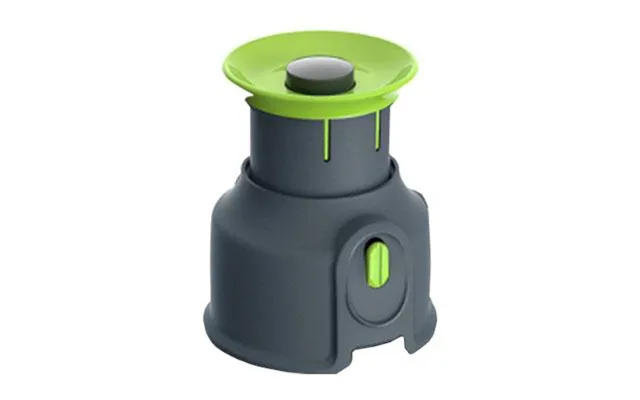
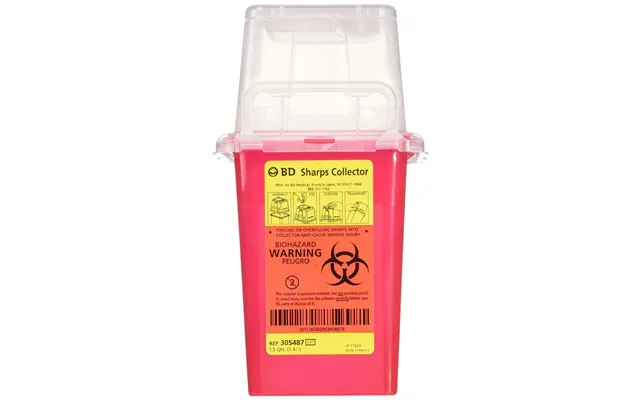
Safe disposal is part of safe needle use. The BD Nestable Sharps Container is listed as a 1.5-quart container measuring 9 inches by 4.5 inches by 4 inches. It has a red base and clear top, dual access, a vertical point-first drop, and a one-way funnel valve described as helping minimize needlesticks and overfilling.
The container is also described as compatible with brackets for added stability. Its approximate 1.5-quart capacity makes it suitable for collecting used sharps in settings where a compact container is preferred. Follow applicable local rules and professional guidance for sharps disposal.
Package size can change the value of a product, especially when you need regular supplies. The reference data includes each, pack, box, and case listings. For example, the Monoject Purple Oral Enfit Syringe 6 Ml is listed as an each, while several insulin syringes and hypodermic needles are offered in boxes of 100.
Large-count options include the Homeaide Easycomfort Insulin Syringe 31g 5/16 0.3cc Box 100, the BD Veo 3/10 31g box of 100, the Regular Bevel Needle 25g x 1 100 Count, and the Tuberculin Syringe with PrecisionGlide Needle 27g x 1/2 - 1/2 Ml 100 Count. The Paradigm Reservoir for 5 Series Pump is listed as a 10-count box.
Compare the unit format before judging price. An each listing and a 100-count box are not directly comparable, just as one bottle and a full case are not the same shopping decision. ZoneOffer can help you compare the listed offers, but you should confirm the package quantity and product specifications before making a decision.
For oral medication, the Monoject Oral Enteral Syringe With Tip Cap 60 Ml, Oral Syringe With Tip Cap 10 Ml, and Kendall Monoject Purple Oral Dispenser Syringes provide several capacity and connector choices. For enteral use, the BD Univia Connector syringe stands out because its description focuses on reducing tubing misconnections.
For insulin administration, compare the Easy Comfort, Easycomfort, Easy Touch, Allison Medical, True Comfort Pro, Nipro Trueplus, BD Veo, and Becton Dickinson options. Their listed differences include gauge, capacity, needle length, packaging, and whether the needle is attached.
For general injection or fluid-transfer needs, review the Regular Bevel Needle products, Monoject rigid-pack needles, blunt fill needles, filter needles, and Luer-Lok syringe systems. For specialized tasks, consider the catheter-tip, curved-tip irrigation, Kangaroo piston syringe, BD Posiflush, and BD sharps container listings.
Start by identifying the route of administration: oral, enteral, subcutaneous, irrigation, tubing-based, or another professionally specified use. Next, note the required capacity. A small-dose insulin syringe is not interchangeable with a large catheter-tip syringe simply because both have a barrel and plunger.
Then compare gauge and length if a needle is involved. Check whether the needle is fixed, detachable, blunt, filtered, or shielded. Finally, review sterility, latex-free claims, package count, and the listed product identifier. This process turns a confusing catalog into a manageable checklist.
Ask yourself a few simple questions: Do I need a needle included? Does the connection match my tubing or device? Is the capacity appropriate? Is the package quantity practical? Is the product intended for single use? These questions act like guardrails, helping you avoid an unsuitable match.
The medical needles and syringes in the reference data cover a broad range of needs, from oral dosing and enteral feeding to insulin administration, hypodermic injection, irrigation, fluid transfer, flushing, and sharps disposal. The best choice depends on the intended use, capacity, gauge, length, tip, safety features, and package format. Use ZoneOffer as a comparison site to review the listed options, and rely on qualified healthcare guidance for product selection and safe use.