

Play Yards price list
Last updated Saturday, Nov 7, 2026


Loading...
Last updated Saturday, Nov 7, 2026
Choosing a play yard can feel a little like choosing a tiny world for your child. You want enough room for movement, a design that fits your home, and features that make everyday play more engaging. The right option should also suit the way your family lives, whether you need a soft ball pit for active play or a larger enclosed space for crawling, toys, and supervised exploration.
In the current ZoneOffer comparison, two different play options stand out. The Tiny Land Playnest Ball Pit With 200 Ocean Balls focuses on soft, cozy play and sensory fun. The Comomy Children Game Playpen offers a roomy mesh enclosure designed for babies and young children to crawl and play. Both products serve a similar purpose, but they approach playtime in different ways.
This guide compares their key features, explains what type of play each one supports, and highlights details worth considering before you make a decision. ZoneOffer is a comparison site, so the prices and product information below reflect the supplied listings rather than a direct sale by ZoneOffer.
A play yard gives children a defined area where they can move, explore, and enjoy toys while an adult remains nearby. Think of it as a small stage for play: your child has room to act out games, while the surrounding boundary helps keep the activity in one place.
For parents, a dedicated play space can make daily routines feel more manageable. You may want a contained area while preparing a meal, chatting with family, or handling household tasks. Of course, children still need appropriate supervision, but a play yard can help create a more organized environment for supervised play.
Play yards also support different kinds of activity. Some are built around crawling and toy exploration, while others encourage tossing, climbing, tumbling, and sensory discovery. That difference matters because the best product for your family depends on how your child likes to play.
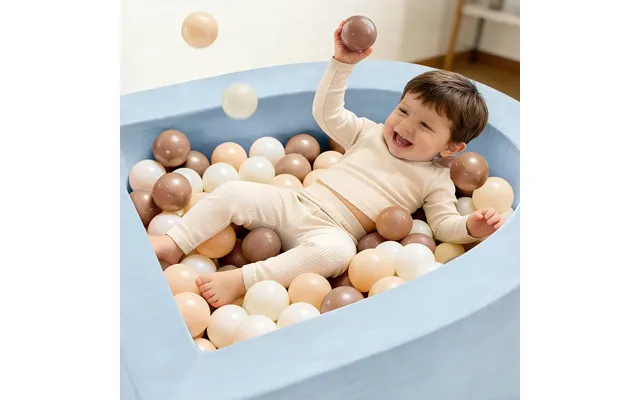
The Tiny Land Playnest Ball Pit With 200 Ocean Balls is listed at $107.99 through Tiny Land. Its description highlights a curved foam design, soft suede-like fabric, high-density foam, and 200 ocean balls. It is presented as a cozy play space for toddlers and can also be paired with playnest climbing blocks.
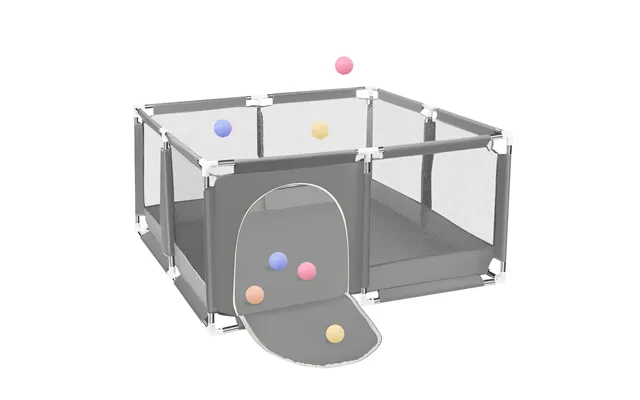
The Comomy Children Game Playpen is listed at $89.99 through Banggood.com. Its listing describes a blue and red playpen made with mesh, stainless steel tubing, and cloth. The stated size is approximately 50.4 inches by 50.4 inches by 26 inches, and the listing gives an age range of 0 to 6 years old.
These products are not identical. The Tiny Land option is more like a soft activity pit, while the Comomy model is a larger barrier-style enclosure. One is centered on plush comfort and balls; the other emphasizes visible mesh walls and generous play space.
The Tiny Land Playnest is designed around a soft, curved form. Its foam construction is described as supportive while remaining comfortable for toddlers who tumble, bounce, or explore inside the pit. The suede-like outer fabric adds to the cozy feel, making the product resemble a cushioned nest rather than a traditional framed playpen.
A major attraction is the included set of 200 ocean balls. The balls are described as smooth, lightweight, non-toxic, and sized for little hands. They can add several layers of play, from tossing and digging to sensory exploration and imaginative games.
The listing also notes that the foam is intended to retain its shape through regular play. That feature may appeal to families looking for a soft activity area that feels more like a play cushion than a fenced enclosure. Its lightweight design can be especially appealing when you want to move the play space around the home.
The Comomy playpen takes a different approach. Its mesh walls create a defined barrier while allowing adults to observe a child from outside the enclosure. The listing describes the mesh as breathable and visible, which can make it easier to keep an eye on movement and play.
The frame uses stainless steel tubing along with cloth and mesh materials. The playpen is described as washable, and the listing says it is easy to install and carry. Its approximate footprint of 50.4 inches by 50.4 inches provides a broad square area for toys, dolls, balls, and rattles.
The product description also mentions use in indoor and outdoor locations such as a park, beach, or grass. If you are considering outdoor use, the listing advises placing it on level ground and checking the tubes and interfaces before use. It also states that the playpen should not be placed in water.
The biggest difference between these two products is the experience they create. The Tiny Land model feels like a soft nest for active toddler play. The Comomy model feels more like a roomy enclosure where a child can crawl, sit, and interact with several toys.
Which style suits your child? If your toddler loves balls, climbing-style movement, and soft surfaces, the Tiny Land play pit may be the more natural match. If your child needs space for crawling and playing with a collection of toys, the Comomy playpen may offer a more suitable layout.
Picture the Tiny Land product as a cushioned island surrounded by play balls. The Comomy product is closer to a small indoor playground with mesh walls. Both can support movement, but they encourage different rhythms of play.
Material affects how a play yard feels during everyday use. The Tiny Land listing highlights ultra-soft suede-like fabric and high-density foam. This combination is intended to offer a plush yet supportive surface for toddlers.
The Comomy listing identifies mesh, stainless steel tubing, and cloth. That construction creates a more structured enclosure, with fabric and mesh forming the visible play area. Families who prefer a framed design may appreciate this style, while those seeking a softer lounging surface may prefer foam.
Space is one of the first practical questions to ask. The Comomy playpen has a stated approximate size of 50.4 inches by 50.4 inches by 26 inches. The listing describes it as offering enough room for children and friends to play, along with additional toys.
The Tiny Land listing does not provide a full product measurement in the supplied data. Instead, it emphasizes the curved shape, lightweight construction, and compatibility with playnest climbing blocks. If you need an exact fit for a particular room, check the current product listing for final dimensions before ordering.
Take a quick look at the area where you plan to place the play yard. Will there be enough clearance to walk around it? Can you open nearby doors and drawers? A few minutes of measuring can prevent the frustration of discovering that a play space overwhelms the room.
Both listings mention portability in different ways. The Tiny Land play pit is described as lightweight, which may make it convenient to move from one room to another. The Comomy playpen is described as easy to install and carry, and its listing mentions potential use in indoor and outdoor settings.
Portability can be especially valuable in homes where play happens in more than one location. You might want a play area in the living room during the day and a different arrangement when the family gathers in the evening. A product that is simple to reposition can adapt to those changing routines.
For the Comomy model, follow the listing’s setup guidance carefully. The product information advises checking the tubes and interfaces before use and positioning the playpen on level ground. Those steps are practical reminders whenever a framed play yard is assembled and moved.
The included 200 ocean balls give the Tiny Land play pit an immediate activity theme. Your child can practice tossing balls into the pit, gathering them into piles, or searching through them by color. These simple games can turn a small play area into a changing landscape.
You can also introduce imaginative play. Perhaps the balls become colorful “treasures” to collect, or the pit becomes a small ocean for pretend adventures. Because the listing describes the balls as suitable for little hands, they can be used for grasping, carrying, and placing activities.
The product can also work on its own or with playnest climbing blocks, according to the listing. That gives you the option to keep the setup simple at first and expand the play arrangement later if climbing blocks are part of your child’s activity routine.
The larger enclosed design of the Comomy playpen can hold a variety of play items. The listing specifically mentions dolls, balls, and rattles, so you can create a rotating collection rather than filling the space with everything at once.
Try setting up themed play sessions. One day might focus on soft toys and pretend games, while another uses balls and movement activities. Changing a few items can make the same playpen feel fresh without requiring a completely new setup.
The mesh walls also support visual interaction. Since the listing emphasizes visibility from outside, adults can watch a child’s activity while remaining nearby. That open view may be useful during supervised play, especially when the playpen is placed in a shared living area.
The Tiny Land Playnest may be a good choice for families seeking a soft, toddler-friendly ball pit with a cozy curved shape. Its main appeal is the combination of foam comfort and 200 included balls. It is a focused activity product for children who enjoy tumbling, digging, tossing, and sensory play.
The Comomy playpen may suit families looking for a more spacious, barrier-style play area. Its approximately 50.4-inch square footprint, visible mesh, washable cloth, and stainless steel tubing give it a structured format for crawling and toy-based play.
Budget may also influence your decision. The supplied listings show the Tiny Land product at $107.99 and the Comomy product at $89.99. Prices can change, so review the current comparison details before making a purchase decision.
Start by choosing a clear, stable location. Keep the play yard away from objects that could fall into the area, and leave enough space around it for adults to move comfortably. The Comomy listing specifically advises keeping the playpen away from objects that could easily fall.
Use a simple toy rotation. Too many toys can make a play area feel crowded, while a smaller selection can encourage deeper exploration. For the Tiny Land pit, you might begin with the included ocean balls. For the Comomy playpen, try a few carefully selected dolls, rattles, or balls.
Keep the child’s developmental stage in mind. The Tiny Land listing focuses on toddlers, while the Comomy listing states an age range of 0 to 6 years old. Always consider your child’s individual abilities and supervise play appropriately.
The Tiny Land Playnest Ball Pit With 200 Ocean Balls and the Comomy Children Game Playpen offer two distinct ways to build a dedicated play zone. Tiny Land brings a soft, curved foam design and ball-based sensory fun, while Comomy provides a larger mesh enclosure for crawling, toys, and supervised activity.
Neither option is automatically right for every household. Think about your available room, your child’s favorite activities, and whether you prefer a cushioned pit or a framed playpen. By comparing those practical details, you can choose the product that feels like the best fit for your family’s everyday play routine. ZoneOffer helps you compare the available information, while the final product details should always be checked in the current listing.