

Motor Vehicle Carrying Racks price list
Last updated Saturday, Oct 17, 2026




View 23 Offers

Loading...
Last updated Saturday, Oct 17, 2026
Choosing the right motor vehicle carrying rack can make travel feel dramatically easier. Instead of squeezing bikes, outdoor gear, or replacement tires inside your vehicle, you can carry them securely on the roof, rear, or hitch. But which design suits your car, your equipment, and your routine? That depends on how much you carry, how often you travel, and how much installation effort you are comfortable with.
This guide explores the carrying racks listed in the reference data, with a strong focus on ROCKBROS bike racks, Thule towball carriers, rear-mounted options, and several specialty carriers. ZoneOffer is a comparison site, so the prices shown here are comparison information rather than a direct purchase offer from ZoneOffer. Always confirm vehicle compatibility, load limits, and current listing details before making a decision.
A good rack turns unused vehicle space into practical cargo capacity. Think of it as adding an extra shelf to your vehicle without giving up passenger room. For cyclists, that can mean leaving muddy bikes outside the cabin. For boaters and anglers, it can mean transporting bulky equipment without blocking the driver’s view or filling every seat.
Different rack positions offer different advantages. Roof racks keep the rear of the vehicle open, while rear and hitch-mounted carriers can make loading easier because you do not need to lift equipment as high. A rear cargo rack for a bicycle serves a different purpose from a car-top canoe carrier, so matching the rack to the job matters more than choosing the most impressive-looking option.
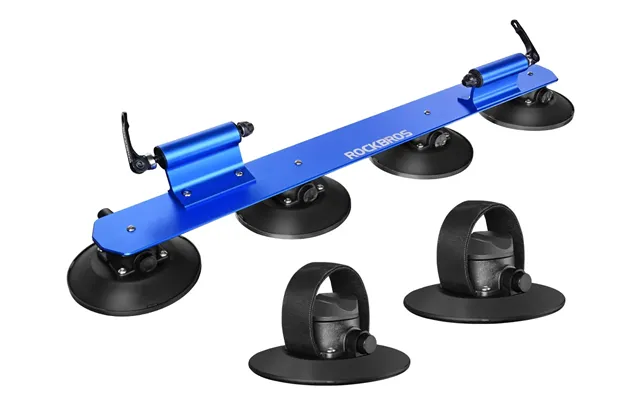
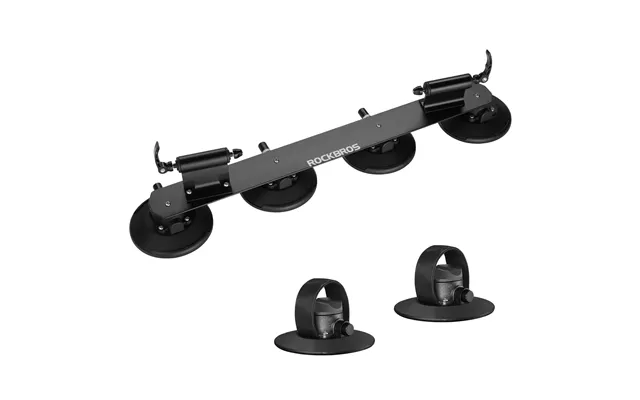
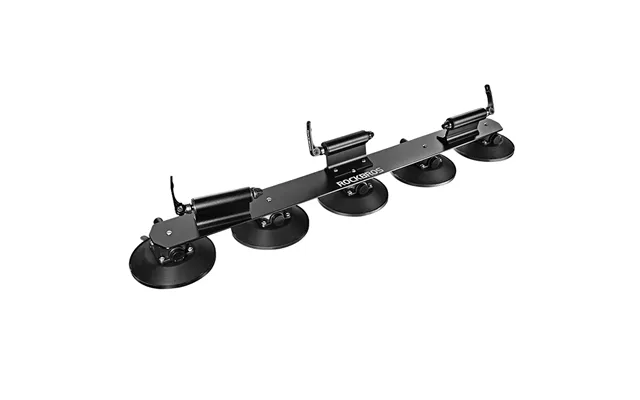
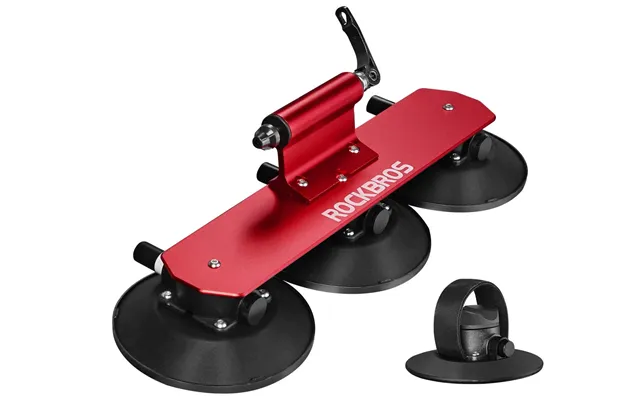
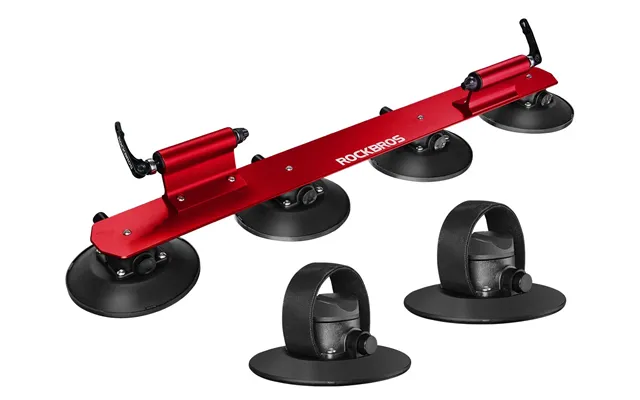
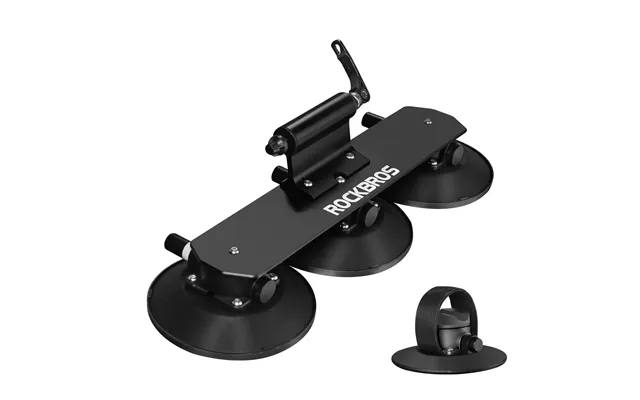
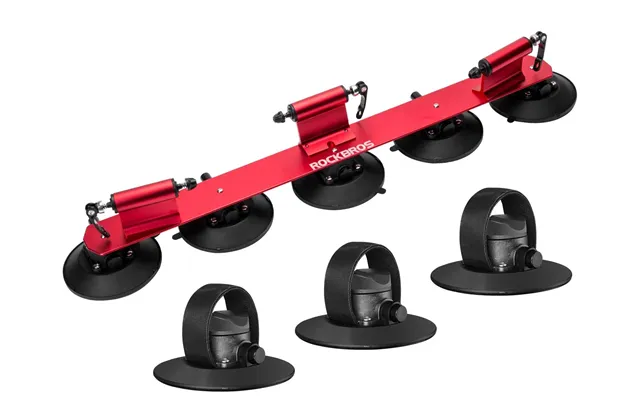
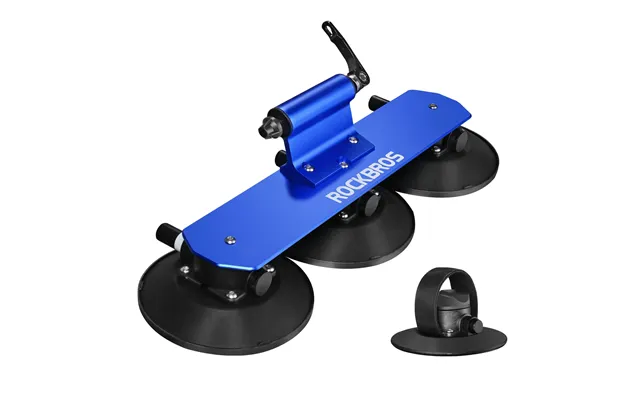
The ROCKBROS suction cup range includes one-bike, two-bike, and three-bike versions in red, black, and blue listings. These racks are designed for quick-release roof mounting and use suction cups rather than a traditional hitch connection. That can be useful if your vehicle does not have a hitch or if you want a rack that can be removed between trips.
The one-bike versions are listed at $159.99 in red, black, and blue. The two-bike versions are listed at $219.99 in red, black, and blue. The three-bike black and red listings are each shown at $253.79. The listed one-bike rack load limit is approximately 44 pounds, while the descriptions state that the two-bike and three-bike versions have higher capacity. However, your vehicle’s own roof and carrying limits remain essential considerations.
A one-bike rack is a sensible starting point for solo riders. The description lists an approximate length of 18.5 inches and an approximate weight of 4.6 pounds for the one-bike configuration. It is compact, comparatively light, and easier to store when not in use.
The two-bike version is listed with an approximate length of 32.3 inches and an approximate weight of 7.5 pounds. It may be a better fit for couples or riding partners, but remember that the total load includes both bikes and the rack. The three-bike configuration is listed at approximately 36.2 inches long and 9.9 pounds. That extra capacity can help families or groups, although roof space and vehicle limits become even more important.
The standard suction cup models appear in red, black, and blue listings. Since the descriptions are substantially similar, your practical decision is likely to center on bike capacity, vehicle suitability, and listed price rather than color. The black three-bike version is listed at $253.79, while the red three-bike version carries the same listed price.
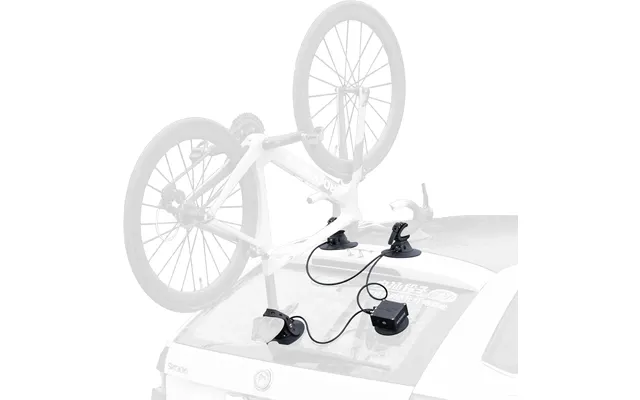
If you prefer automated suction control, the ROCKBROS electric options offer a different approach. The electric suction cup bike rack for one bicycle is listed at $287.04. Its description states that it secures one bicycle up to 45 pounds and uses motor-driven suction to help remove air from the cups. It also includes an air-leak alarm, according to the listing.
The design secures the bicycle through the handlebar and saddle areas and uses a front-wheel-free setup. By reducing the exposed wheel area, the design aims to reduce wind resistance. The listing gives a maximum pulling force of 250 pounds, but that figure should not be confused with the bicycle carrying limit. The same description identifies the bicycle limit as up to 45 pounds.
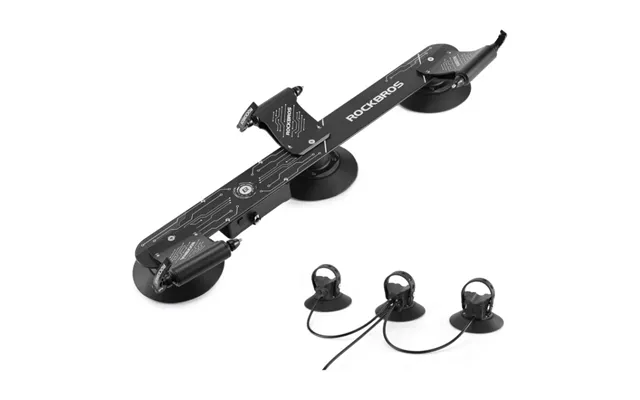
Another ROCKBROS electric suction cup roof rack is designed for one to three bicycles and is listed at $449.99. It uses an automatic pumping system, a pressure alarm, and an aluminum alloy construction. The listing says it works with mountain bikes, road bikes, trail bikes, and other bikes with a quick-release front wheel.
The one-to-three-bike listing says the rack should not be mounted on glass because strong suction could crack it. It also advises keeping speed below approximately 75 miles per hour. The listing recommends removing the rack when it will not be used for a long time. These points are not minor details; they are part of using a suction-mounted system responsibly.
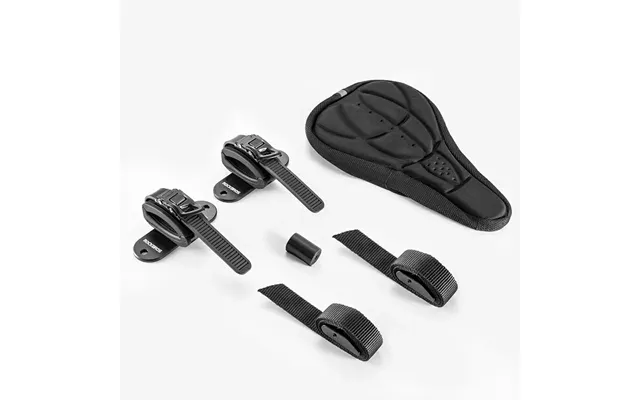
The electric model includes a crank fixing strap intended to help prevent the crank from scratching the vehicle. It also comes with a standard adapter, although the listing notes that separate adapters may be needed if the standard option does not fit a particular bicycle. Before a trip, inspect every cup, strap, hose, and contact point. A few minutes of checking can prevent a long roadside interruption.
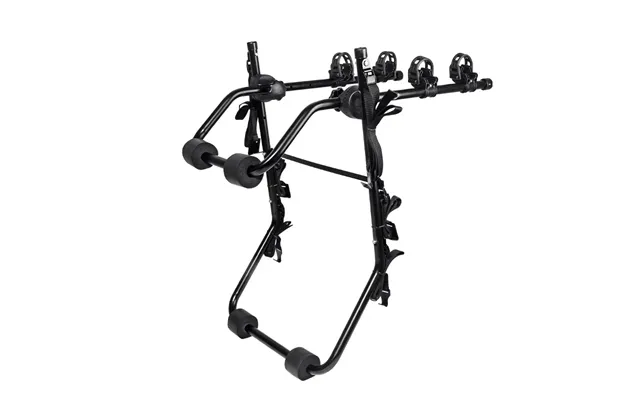
Roof racks are not the only option in the ROCKBROS range. The ROCKBROS Cycling Outdoors Rack is a portable rear bike rack listed at $94.99. The description says it is suitable for sedans, hatchbacks, minivans, and SUVs, while also recommending that shoppers check the manufacturer’s website for specific vehicle fit information.
This rear rack arrives fully assembled and is described as installing in seconds. Its arms accommodate different bicycle styles and sizes, and side straps are included to improve lateral stability. Individual tie-downs help secure the bicycles, while a padded lower frame is designed to help protect the vehicle from contact and scratches.
The listing gives a maximum carrying capacity of 70 pounds and says the rack folds flat for storage. That folding feature can be especially handy if you use the rack only on weekends. Instead of leaving a bulky carrier mounted all week, you can store it in a garage, closet, or vehicle cargo area when the ride is over.
The ROCKBROS inverted roof bike rack is listed at $74.99. Unlike the suction cup products, this model is described as suitable for vehicles with roof racks. It uses an inverted design intended to save roof space and includes quick-release straps and clamps for installation without tools.
The rack combines aluminum alloy and plastic in the clamp, a high-strength iron strap, a sponge protective cover, and a weather-resistant stainless steel cable tie. These materials serve practical roles: the clamp supports the bike, the strap helps hold it in place, the sponge helps protect surfaces, and the cable tie is intended to handle outdoor exposure.
The listing says the rack fits mountain, road, and commuter bikes and is suitable for cars, SUVs, and wagons with compatible roof racks. It also states that it is intended for speeds under approximately 75 miles per hour. As with any roof-mounted system, check the underlying roof rack and the vehicle manufacturer’s load guidance before use.
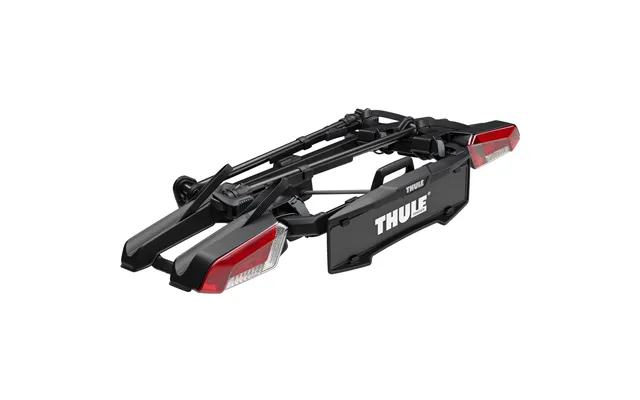
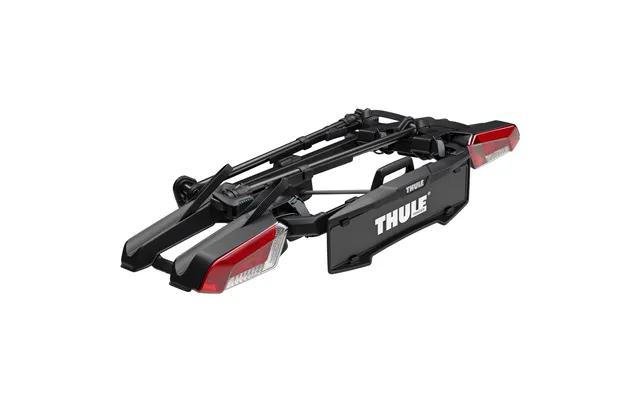
For drivers who already have a towball, the Thule Outpace range provides a rear-mounted alternative. The Thule Outpace 2-bike Towball Carrier with a 13-pin connection is listed at $725. It is designed to carry up to two bikes and mounts directly to the car’s tow bar.
The description highlights wide wheel trays and adjustable frame arms. These features can make loading feel more controlled, especially when you are handling two bicycles at once. The carrier also tilts away from the vehicle while loaded, allowing access to the trunk without removing the bikes.
Integrated lights and the 13-pin connection are included in the listing description. The carrier also folds for compact storage. For riders who regularly travel with two bikes and want a towball-mounted setup, these details may be more valuable than a very low purchase price.
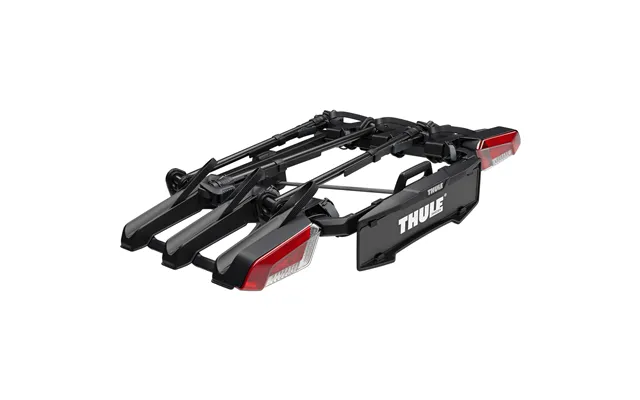
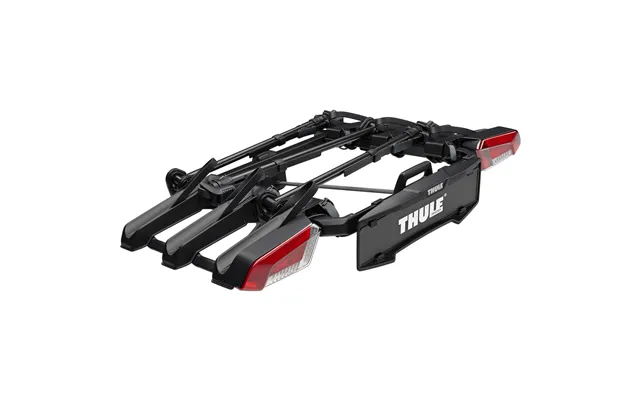
The Thule Outpace 3-bike Towball Carrier with a 13-pin connection is listed at $890. It shares the general design approach of the two-bike version but is designed to carry up to three bikes. The listing again mentions wide wheel trays, adjustable frame arms, a tilt-away function, integrated lights, and foldable storage.
The three-bike model costs more than the two-bike listing, but it may suit families or riding groups that need additional capacity. Before choosing it, consider the combined weight of the bicycles, the towball rating, and how much rear access you need during travel.
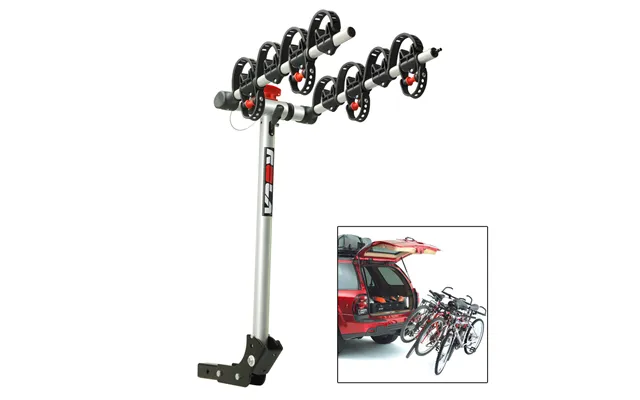
The Rola 59401 TX bike carrier is listed at $114.12 and is described as a hitch-mounted carrier for four bikes. Its tilt and security features make it worth considering for drivers who need more carrying capacity without placing bicycles on the roof.
A four-bike rear carrier can be a practical choice for group outings, but capacity is only one part of the decision. Think about how much space your vehicle has behind the hitch, how the loaded rack may affect rear visibility, and whether your hitch and vehicle are suitable for the combined rack-and-bike weight.
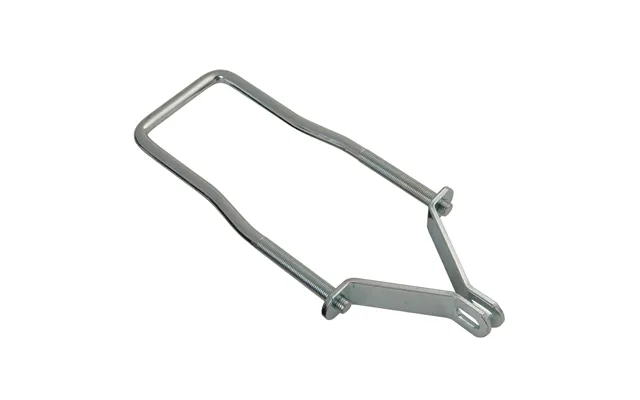
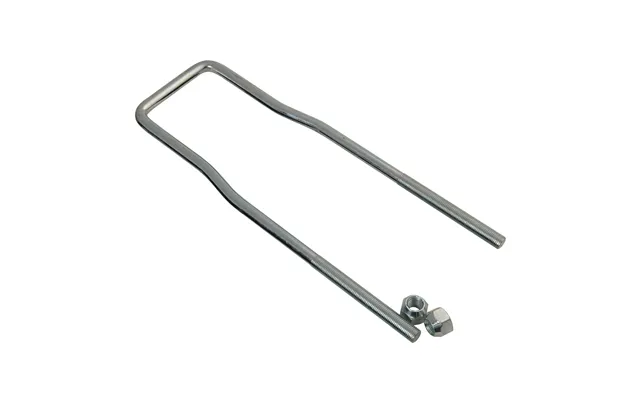
Not every carrying rack is intended for bicycles. The reference data also includes several specialty products. The C.E. Smith 27201 spare tire carrier with brackets is listed at $14.12, as is the C.E. Smith 27206A U-bolt spare tire carrier for a 12-inch application. These products are aimed at spare-tire carrying rather than recreational bike transport.
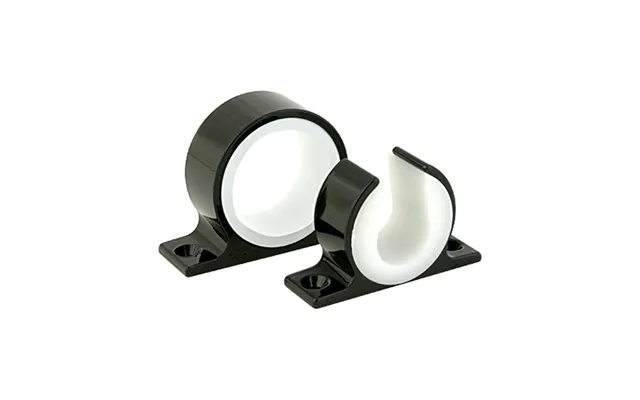
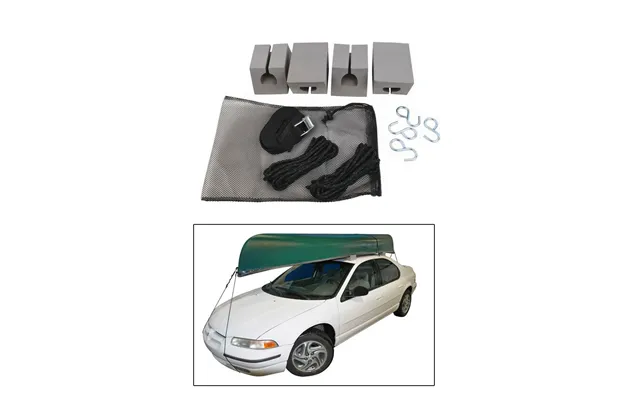
The Attwood 11437-7 canoe car-top carrier kit is listed at $26.12. If you transport a canoe, a dedicated car-top kit may be more suitable than trying to adapt a bicycle rack. The Lees MC70BK single rod rack set, listed at $30.12, is another specialized option for carrying fishing rods.
These lower-priced accessories show why defining your cargo first is so important. A rack is like a tool: a hammer may be excellent, but it is still the wrong choice for tightening a screw. Select a bicycle carrier for bicycles, a canoe carrier for a canoe, and a spare-tire carrier for the intended tire application.
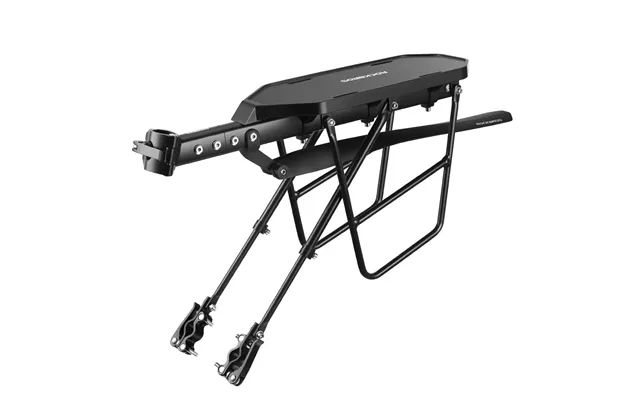
The ROCKBROS Quick Release Rear Bike Cargo Rack is listed at $49.99 and is intended for 26- to 29-inch mountain bikes. Its recommended load is 55 pounds. This is a bicycle cargo rack rather than a rack that carries the entire bicycle on a car, so it suits riders who want to transport panniers or supplies on the bike itself.
The adjustable structure allows the seat plate to move approximately 3.15 inches forward or backward. The support rod adjusts from approximately 13.58 to 17.91 inches. The rack is made from high-strength aluminum alloy and uses a triangular support structure intended to improve stability and reduce swaying.
It also includes U-shaped bars designed to keep panniers away from the tires. A mudguard can be installed in several positions, and the listing says the mudguard may also be installed without the rear rack. This flexibility can be useful for riders who want to customize their bicycle setup for commuting, touring, or day trips.
Start with the vehicle. Does it have a towball, a hitch receiver, or factory roof bars? If not, a suction cup model may appear attractive, but the roof surface and manufacturer guidance still need careful attention. A rear-mounted rack may fit one vehicle well and another poorly, even when both vehicles appear similar.
Next, count your bikes or define your cargo. A one-bike roof rack is unnecessary overkill for a solo rider, while a three-bike or four-bike carrier may be more efficient for a family. Also consider bicycle design. The electric ROCKBROS listing specifically mentions quick-release front-wheel compatibility, while other racks may require different mounting arrangements.
Finally, consider loading height, storage, and access. Roof racks require lifting the bike overhead. Hitch and towball carriers are generally positioned lower, but they occupy the rear of the vehicle. Foldable designs can simplify storage, while padded contact points and tie-downs can help protect both the vehicle and the equipment.
Read the product instructions before the first trip, even if installation looks straightforward. “Tool-free” does not mean “check-free.” Confirm that clamps are fully engaged, straps are routed correctly, and all contact points are clean. For suction cup systems, inspect the cups and make sure the mounting surface is suitable.
Load the heaviest bicycle or item according to the manufacturer’s guidance, and keep the total weight within the rack and vehicle limits. Secure loose straps so they cannot flap against the paint. After driving a short distance, stop in a safe place and recheck the rack. This simple pause is like checking a backpack before a hike: small adjustments now can prevent trouble later.
When the rack is not in use, clean dirt from clamps, straps, trays, and contact surfaces. Store folding carriers in a dry location when practical. For electric suction models, pay attention to alarms and do not ignore a warning. If the system continually signals insufficient suction, stop and investigate before continuing.
The listed prices cover a wide range. The most affordable bicycle-focused option is the ROCKBROS rear cargo rack at $49.99, followed by the inverted roof bike rack at $74.99 and the portable rear bike rack at $94.99. The Rola four-bike carrier is listed at $114.12.
The standard ROCKBROS suction cup models range from $159.99 for a one-bike version to $253.79 for a three-bike version. The electric one-bike model is listed at $287.04, while the electric one-to-three-bike model is listed at $449.99. The Thule Outpace carriers are listed at $725 for two bikes and $890 for three bikes.
Price alone does not identify the best rack. A lower-cost product may be ideal for occasional use, while a higher-priced carrier may offer the capacity or convenience you need. Compare the complete setup: rack type, bike capacity, vehicle compatibility, installation style, storage, and safety features.
The best motor vehicle carrying rack is the one that matches your vehicle and your real travel habits. ROCKBROS offers several roof, rear, suction cup, electric, and bicycle cargo solutions, while Thule and Rola provide towball or hitch-mounted alternatives. Specialty products from C.E. Smith, Attwood, and Lees serve spare tires, canoes, and fishing rods. Use ZoneOffer as a comparison resource, check the supported specifications carefully, and choose capacity and compatibility before appearance or price.