

Fishing Spears price list
Last updated Wednesday, Nov 25, 2026


View 5 Offers
Loading...
Last updated Wednesday, Nov 25, 2026
Choosing a fishing spear can feel a little like selecting the right tool from a crowded tackle box. Several designs may look similar at first glance, yet each one can suit a different fishing environment, technique, and level of experience. Before you compare prices or materials, think about how and where you plan to use the spear.
Fishing spears are generally used for close-range fishing in shallow water, from shore, while wading, or during underwater spearfishing. The best option depends on factors such as reach, portability, control, and the type of target you pursue. A compact spear may be convenient in tight spaces, while a longer design can offer additional reach in open water.
It also helps to separate a fishing spear from other fishing equipment. A spear is a direct-contact tool, so balance and handling matter just as much as sharpness. You are not simply buying a pointed object; you are choosing equipment that must feel predictable in your hands.
Length is one of the first details to consider. A longer fishing spear may help you reach targets from farther away, but it can also be more difficult to maneuver around rocks, vegetation, or other obstacles. A shorter spear often feels easier to control, especially when you are learning.
Ask yourself a simple question: do you need reach, or do you need agility? If your fishing area is open and visibility is good, additional length may be useful. If you expect to work in confined spaces, a more manageable design may be the better choice.
The tip is the working end of the spear, so its shape deserves close attention. Different tips can be designed for different fishing conditions and target types. Some setups focus on penetration, while others may emphasize holding power after contact.
Look for a tip that matches your intended use rather than choosing the most aggressive-looking option. A suitable design should help you maintain control and reduce the risk of damaging equipment or losing your target. When comparing products, check whether the tip is fixed, replaceable, or adjustable if that information is provided.
A comfortable grip can make a major difference during repeated use. If the handle feels awkward, slippery, or poorly balanced, even a sharp spear may be difficult to use accurately. Think of balance as the steering wheel of the equipment: it helps guide every movement.
Whenever product information is available, review the handle shape, grip material, and overall balance. If you can inspect the item in person, hold it in a natural position and consider whether the weight feels comfortable. Online shoppers should study product descriptions carefully and avoid assuming that a familiar-looking design will feel the same in practice.
Material selection influences how a fishing spear performs over time. A spear may be exposed to water, salt, impact, friction, and repeated handling. These conditions make durability an important part of the buying decision.
Metal components should be assessed for corrosion resistance, particularly if you plan to fish in salt water. A shaft that remains straight and a tip that holds its shape can help support consistent use. However, product pages do not always provide complete material specifications, so avoid treating an unspecified construction detail as confirmed.
Durability also depends on care. Rinsing equipment after use, drying it thoroughly, and storing it away from unnecessary moisture can help keep it in better condition. Think of maintenance as a small investment: a few minutes after each outing may prevent larger problems later.
Shore fishing and wading often require a balance between reach and maneuverability. You may need to move around uneven ground, shallow water, stones, or vegetation. A spear that is too long or cumbersome can become frustrating in these surroundings.
For this type of use, consider how easily you can carry the spear and position it without losing your footing. A secure grip and controlled movement are especially important when the bottom is uneven. Always make sure your equipment suits local rules and the conditions of the area where you intend to fish.
Underwater use introduces additional considerations. Visibility can change quickly, movement is affected by water resistance, and your ability to react may be limited by your position in the water. Equipment should therefore feel familiar and controllable before you take it into demanding conditions.
Practice in a safe, controlled setting and focus on handling rather than rushing toward a target. A calm approach is usually more useful than force. You should also use appropriate personal safety equipment and avoid fishing alone in situations where assistance may be difficult to reach.
Structures such as rocks and dense vegetation can affect both visibility and movement. They may also increase the chance of snagging or striking the surroundings. In these areas, a compact and controllable fishing spear may be easier to manage than a long, rigid design.
Before choosing equipment, picture the places you regularly fish. Will you have plenty of room to move? Can you safely retrieve a spear if it becomes stuck? These practical questions are often more helpful than focusing only on appearance.
Online comparison requires careful reading. Product titles, descriptions, prices, brands, and sellers can all provide useful information, but they should not be treated as interchangeable. A title may identify an item while the description offers only a short summary, leaving important specifications unconfirmed.
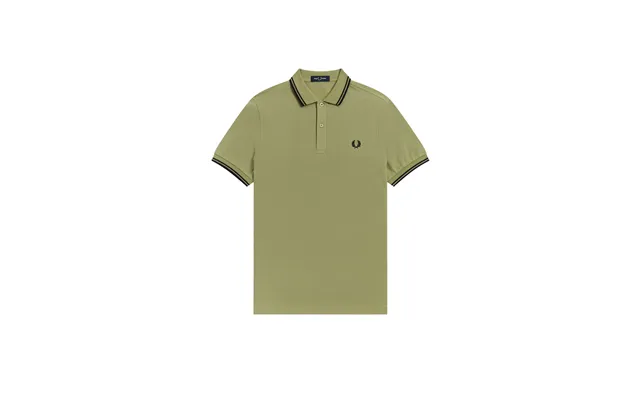
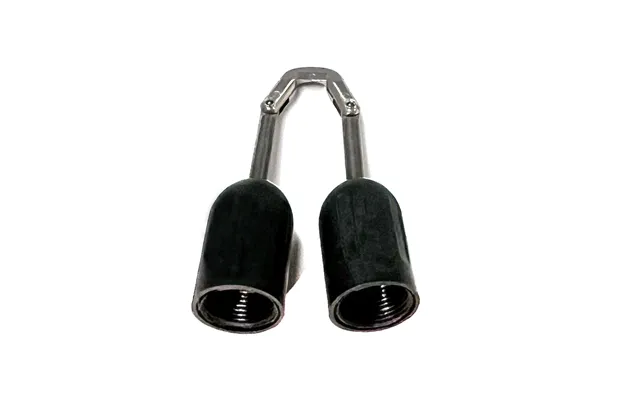
Start by checking whether the listing actually matches the category you are browsing. The reference offer connected with this guide is titled “Fred Perry - Double Edge Blue M3600 P05 Ver.” Its description reads “Fred perrym3600 p05 ver double edge blue,” and the listed brand is Fred Perry. The item is shown through Drestige at a price of $240.
That listing does not identify itself as a fishing spear in the supplied information. Because of that mismatch, shoppers should verify the product details before considering it for fishing use. It would be risky to assume that a listing belongs to the fishing-spear category simply because it appears alongside category-related content.
ZoneOffer is a comparison site, not a store. Its role is to help shoppers review available listing information in one place. Always examine the seller’s product page for the latest specifications and confirm that the item you are viewing is the equipment you actually need.
Price can help you organize your search, but it should not be the only deciding factor. A low price may look attractive, yet an unsuitable design can cost more in the long run if you quickly need a replacement. On the other hand, a higher price does not automatically prove that an item is better for your particular fishing style.
Compare the features that matter to you: construction, length, tip design, comfort, and intended use. If a listing does not provide enough information, treat that lack of detail as a reason to investigate further rather than filling in the gaps with assumptions.
The supplied reference data includes one listed price of $240 for the Fred Perry item at Drestige. No confirmed fishing-spear price, discount, regular price, stock status, or shipping information is provided in the data. Therefore, those details should not be assumed when planning a purchase.
Fishing spears require careful handling because they have pointed or sharp components. Keep the spear pointed away from yourself and others whenever you are carrying, preparing, or storing it. A moment of carelessness can turn a useful tool into a serious hazard.
Do not use a damaged spear without inspecting it first. Check for bends, loose components, cracks, or a tip that no longer sits securely. If anything feels unstable, stop and address the issue before entering the water.
Water conditions matter just as much as equipment. Strong currents, poor visibility, slippery surfaces, and changing weather can increase risk. If conditions become difficult, leaving the water is often the smartest decision. A successful outing is not measured only by the size of the catch; returning safely matters more.
Always be aware of people, boats, swimmers, divers, and other anglers nearby. Never aim or thrust a spear when you cannot clearly identify what is beyond the target. Careful target identification should be a basic part of every attempt.
Responsible fishing also means following local regulations and respecting protected species, restricted areas, and seasonal rules. Regulations can vary by location, so check the current requirements for the specific waterway or coastal area where you plan to fish.
Good maintenance begins immediately after use. Remove dirt, plant material, and residue from the spear, then rinse it with clean water when appropriate. Allow it to dry fully before storage, since trapped moisture can contribute to deterioration over time.
Inspect the tip and shaft regularly. A tip that becomes dull or damaged may affect performance, while a bent shaft can change the way the spear moves. Do not overlook the handle, fasteners, or any connection points. Small problems are usually easier to address before they become major failures.
Store the spear in a secure location where children and untrained users cannot reach it. Keep sharp components protected when possible, and avoid placing heavy objects on top of the equipment. Proper storage is simple, but it supports both safety and longevity.
A sleek design can catch your eye, but appearance tells you very little about handling or suitability. Before you buy, look for practical information about size, construction, intended use, and included components. If these details are missing, pause and investigate.
Category labels and search results can sometimes bring together items that do not closely match the product type you expected. The reference listing in this data is a useful example: its title and description identify a Fred Perry item, not a fishing spear. Always read the complete listing rather than relying only on the page category.
Beginners often benefit from equipment that is easy to control and understand. Advanced features are not helpful if they make the spear difficult to handle safely. Choose a design that matches your confidence, environment, and ability to maintain control.
Before purchasing, write down the conditions in which you will use the spear. Include the type of water, likely visibility, available space, and whether you will fish from shore, while wading, or underwater. This short preparation step can make comparison much easier.
Next, review the listing for confirmed information. Check the product name, description, brand, seller, price, dimensions, materials, tip details, and included accessories when those details are available. Mark any missing information so you know what must be verified before buying.
Finally, compare suitability rather than focusing on one number. A fishing spear should fit the environment and feel manageable in your hands. The right choice is less like finding the most powerful tool and more like finding the right key for a particular lock.
Finding the right fishing spear starts with understanding your fishing environment, experience level, and handling needs. Length, tip design, grip, balance, durability, and maintenance all deserve attention. Online comparison can save time, but only when you read listings carefully and separate confirmed facts from assumptions. In the supplied data, the $240 Fred Perry item listed by Drestige does not identify itself as a fishing spear, so verify the product before making any decision. With thoughtful research, responsible use, and regular care, you can choose equipment that supports a safer and more enjoyable fishing experience.