

Fishing Lines & Leaders price list
Last updated Saturday, Oct 17, 2026



View 18 Offers

Loading...
Last updated Saturday, Oct 17, 2026
The right fishing line can change an ordinary outing into a confident day on the water. Whether you are casting from shore, trolling behind a boat, or building a dependable leader for stream fishing, your line connects every part of the setup. It needs to match the fish, lure, water, and technique—not simply look strong on the package.
This guide explores fishing lines and leaders featured in the supplied comparison listings. You will find monofilament, braided line, fluorocarbon-coated leader material, downrigger braid, stainless steel cable, and release systems. ZoneOffer is a comparison site, so it helps you compare listed products and prices rather than selling the products directly.
Fishing line generally falls into three useful categories: monofilament, braided line, and fluorocarbon or fluorocarbon-coated leader material. Think of them as different tools in a tackle box. A hammer, screwdriver, and wrench may all be useful, but each performs a different job.
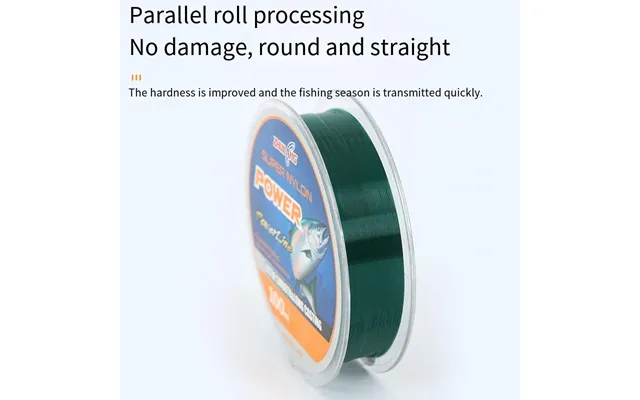
Monofilament, often called mono, is made from a single strand of material. It is commonly valued for its manageable feel, stretch, and straightforward knot tying. The listings include Japanese nylon monofilament designed for sea fishing, ocean fishing, and beach fishing, along with nylon line intended for lure, anchor, and sea-rod applications.
Mono can be a practical choice when you want a forgiving line that absorbs some sudden pressure. That stretch may help when a fish strikes aggressively or changes direction near the boat. It can also be useful for anglers who want a simple, familiar setup without the firmer feel of braid.
Braided line combines multiple strands into a compact line. The reference listings include PE braided products with 8- and 12-strand constructions, Dyneema multifilament options, and lines offered across a broad range of listed strengths. Several listings are aimed at saltwater use, while others are presented as general braided fishing lines.
Braid is often selected when an angler wants a strong line with a smaller diameter than a similarly rated monofilament line. Its firm feel can also make it easier to sense contact with a lure or the bottom. However, braid rewards careful knot tying and attention to abrasion around rocks, docks, shells, and other rough surfaces.
A leader is the final section between your main line and terminal tackle. The reference data includes nylon and fluorocarbon-coated leader material for stream fishing, plus several preassembled release products with different leader lengths and snap styles.
Leaders act like a protective buffer. They can help position a lure, connect to a release mechanism, or separate the main line from the terminal end of the rig. The best choice depends on the application, the expected fish, and how much abrasion the setup may face.
The available listings cover a wide range of line styles and sizes. Some are short specialty products, while others offer long spools for anglers who want to prepare multiple reels or replace a substantial amount of line.
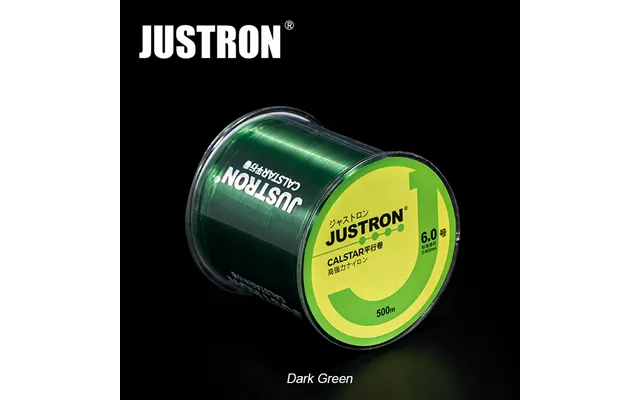
One wholesale listing presents Japanese nylon monofilament for ocean and beach fishing at a listed price of $0.98 through Alibaba. Its description identifies it as a new sea-fishing product. Because the supplied data does not provide a specific breaking strength or spool length in imperial units, anglers should review those specifications before choosing it for a particular target species.
Another listing presents a 100-meter spool of silk-style main or sub-line for sea rods, lure fishing, and anchor applications at $10.62 through Voghion. That length is approximately 328 feet. This type of product may appeal to anglers building or replacing sections of a saltwater rig, but the line’s exact strength should be confirmed in the listing before purchase.
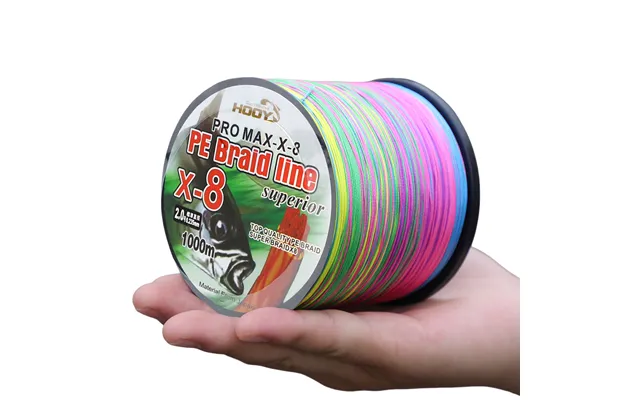
A PE braided line listing describes 8- and 12-strand construction, saltwater use, and listed strengths ranging from 10 to 3300 pounds. Spool options are described from 500 to 1000 meters, or approximately 1640 to 3281 feet. It is listed at $13.00 through Alibaba.
The wide stated strength range means this listing covers very different applications. A light setup and a heavy saltwater setup should not be treated as interchangeable. Before comparing price alone, check the selected strength, strand count, spool length, and intended use.
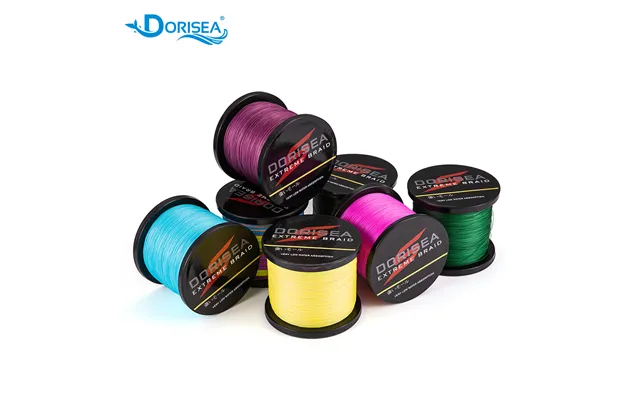
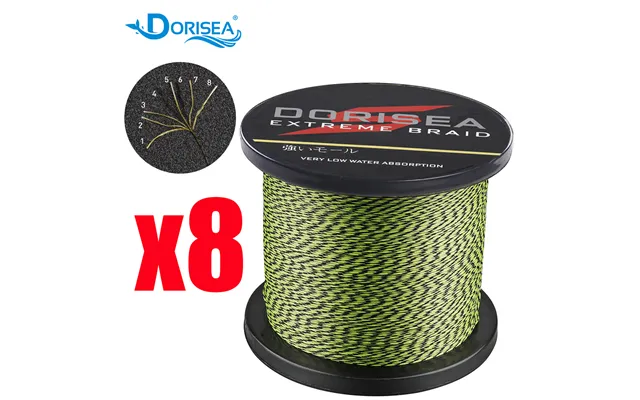
The reference data also includes Dorisea braided lines with listed strengths from 6 to 100 pounds and spool options from 300 to 1000 meters, approximately 984 to 3281 feet. These listings are priced at $8.28 through Voghion. Another Dorisea 8-strand option lists strengths from 6 to 300 pounds and spool choices from 100 to 2000 meters, approximately 328 to 6562 feet, at $6.88.
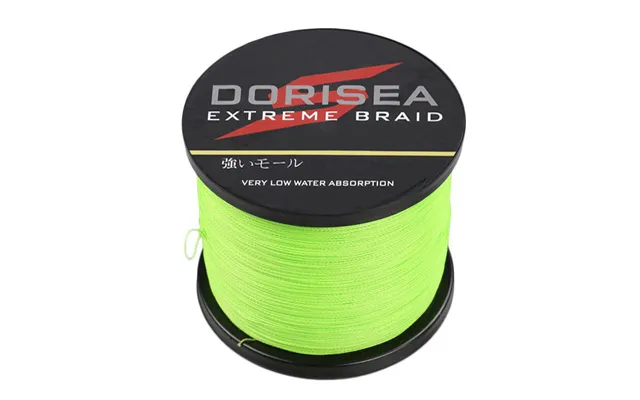
A fluorescent green Dorisea PE multifilament line is also listed with strengths from 6 to 100 pounds and a 300-meter spool, approximately 984 feet. Its listed price is $8.28 through Voghion. A bright color may make line easier for an angler to monitor above the water, although the reference data does not make a claim about visibility beneath the surface.
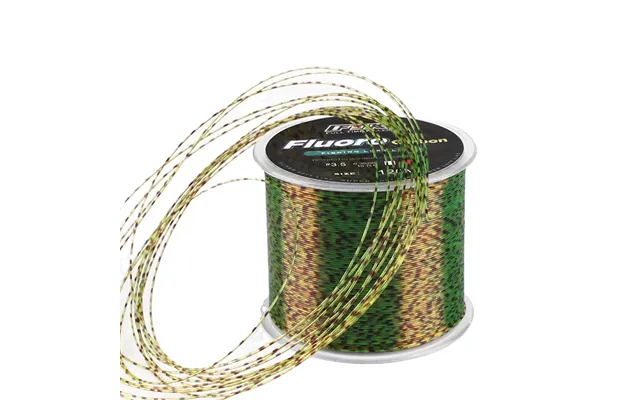
A wholesale listing describes a 120-meter nylon leader with fluorocarbon coating for stream fishing. That is approximately 394 feet, and the listed price is $0.77 through Alibaba. The product is described as suitable for customized wholesale applications.
When comparing leader material, look beyond the coating description. Check the listed breaking strength, diameter, spool length, and whether the product is intended for a finished leader or for tying leaders yourself. A low listed price does not automatically tell you whether the line matches your particular rig.
The reference listings include several SCOTTY products designed for downrigger systems. These products are different from ordinary casting line because they are associated with downrigger deployment, releases, connectors, or replacement cable.
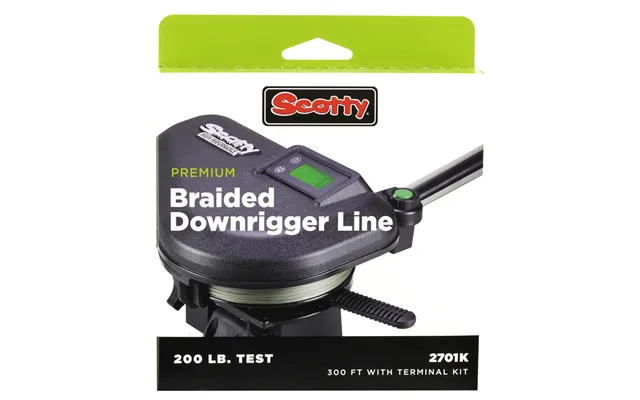
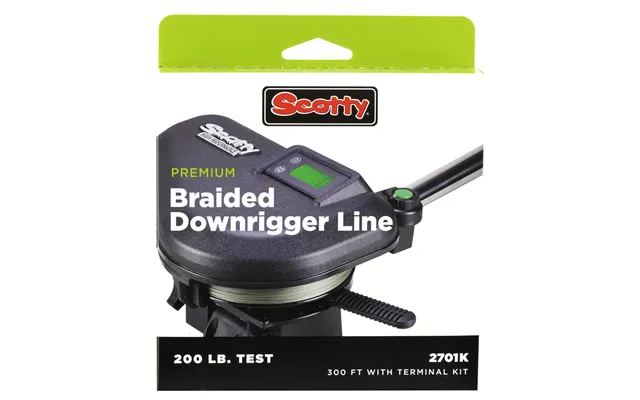
The SCOTTY 2700K Premium Power Braid listing includes 200 feet of 200-pound-test line at $36.12 through The Twister Group. The SCOTTY 2702K version includes 400 feet of 200-pound-test line and is listed at $56.12 through the same comparison listing.
These two options make a simple length comparison possible. The 200-foot version may suit an angler replacing a shorter section, while the 400-foot version offers twice the stated length for a larger installation or spare capacity. Always compare the equipment’s required line length with the product specification before selecting a spool.
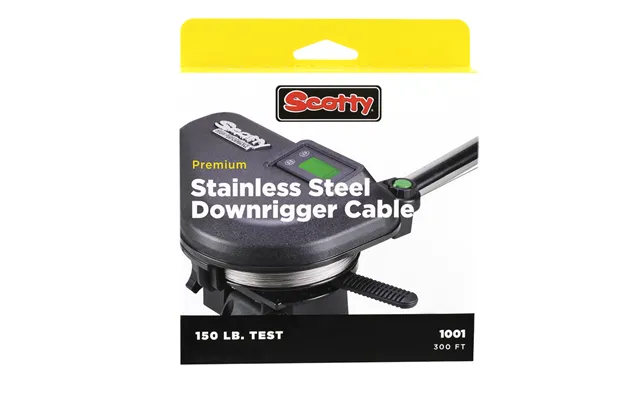
The SCOTTY 1001K Premium Stainless Steel Replacement Cable is listed as 300 feet and priced at $37.12 through The Twister Group. Stainless steel cable serves a different purpose from braided fishing line, so it should be evaluated as a replacement component for compatible downrigger equipment rather than as a general-purpose casting line.
Compatibility matters here. Before ordering, compare the cable specification with the downrigger model and the current setup. The reference data identifies the product as a replacement cable, but it does not provide a complete compatibility chart.
Line strength, often expressed as test weight, should reflect the entire fishing situation. Consider the target fish, lure weight, cover, water conditions, rod and reel, and the condition of your knots. A line rated for heavy pressure may still fail if it is damaged or attached with a poor connection.
The listings include strengths as low as 6 pounds and as high as 3300 pounds, depending on the product. That range is enormous. A light line may suit smaller fish and finesse presentations, while heavy braid or cable is intended for demanding saltwater or downrigger applications.
Do not choose the highest number automatically. Heavy line can affect casting, lure action, spool capacity, and overall balance. Instead, ask a practical question: what is the weakest part of my setup? Your rod, reel, knot, swivel, snap, leader, or release may determine the real working limit.
Open water usually gives you more freedom because there are fewer objects for a fish to wrap around. Rocky shorelines, docks, vegetation, timber, and shell beds create more abrasion risk. In those situations, leader selection and regular inspection become especially important.
Saltwater adds another layer of concern. After a saltwater trip, inspect the line for rough spots, flattening, fraying, or discoloration. Rinse and maintain the compatible equipment according to its care instructions, and replace questionable line before the next serious outing.
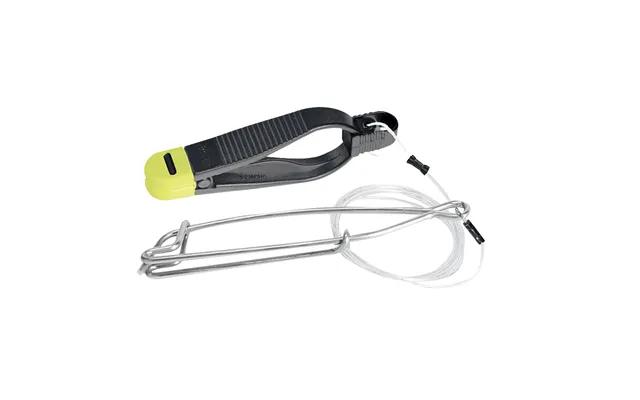
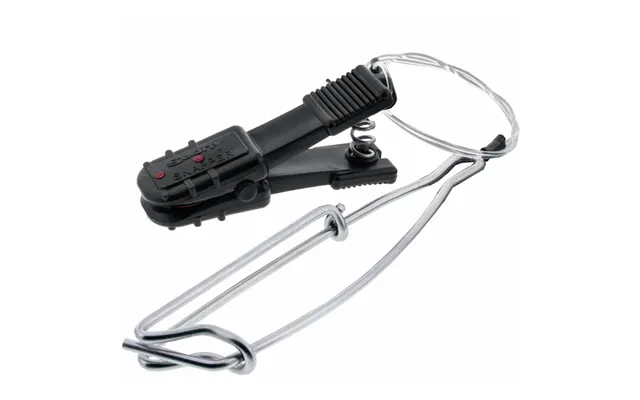
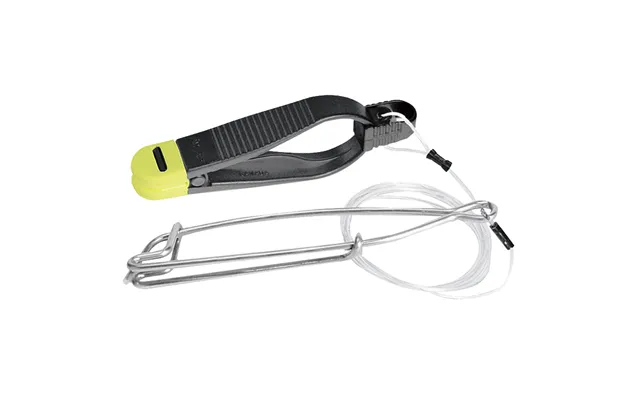
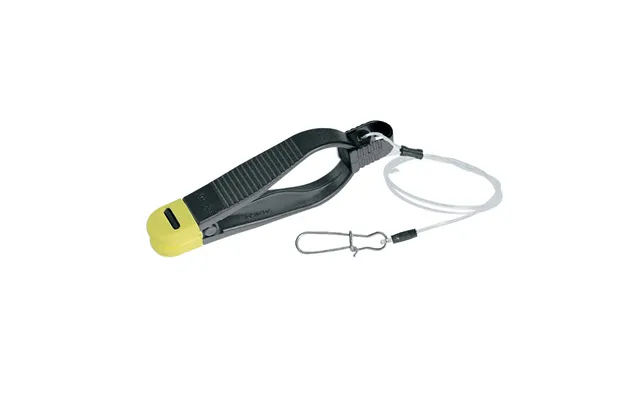
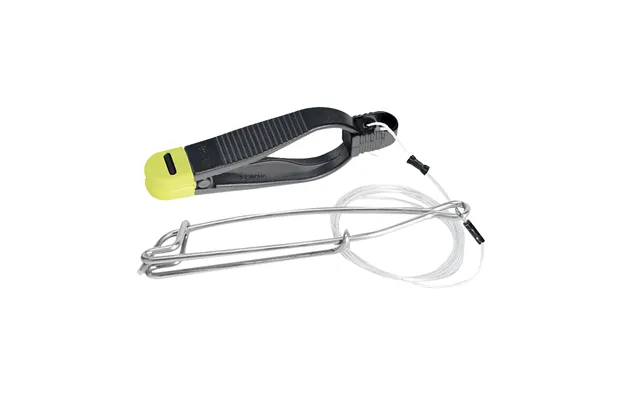
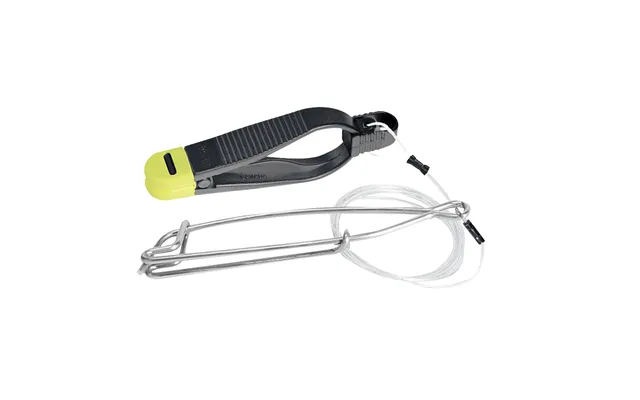
The SCOTTY listings include several Power Grip Plus Release products with different leader lengths and snap configurations. These are not interchangeable simply because they share the same product family. The correct length and connection style depend on how you plan to arrange the downrigger system.
The SCOTTY 1170 Power Grip Plus Release is listed with an 18-inch leader and cannonball snap at $11.12 through The Twister Group. The SCOTTY 1171 is also listed with an 18-inch leader, but with a cable snap, at $12.12.
The SCOTTY 1041 Snapper Release also lists an 18-inch leader, along with stacking and a self-locating snap, at $13.12. These similar lengths highlight why connection style matters. When comparing products, review the snap type and release design rather than focusing only on leader length.
The SCOTTY 1172 Power Grip Plus Release lists a 30-inch leader with cable snap at $12.12. The SCOTTY 1173 lists a 48-inch leader with cable snap, also at $12.12. A longer leader changes the spacing between components, so it may fit a different rig arrangement or presentation preference.
The SCOTTY 1178 Power Grip Plus Release lists a 60-inch leader with stacking and a self-locating snap at $12.12. Longer does not always mean better. Picture your downrigger setup as a path: every extra inch changes where the release sits and how the system behaves.
A strong line still needs a reliable connection. Practice knots with the same type of line you plan to fish. Braided line, monofilament, and coated leader material may behave differently under tension, so test your finished knot before trusting it with a valuable lure or a strong fish.
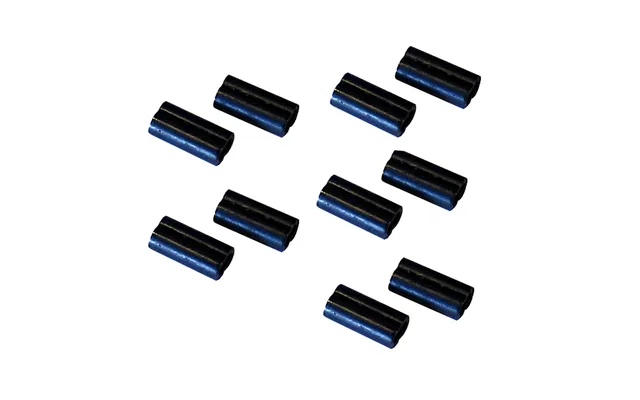
The SCOTTY 1011 Double Line Connector Sleeves are listed as a 10-pack at $5.12 through The Twister Group. These sleeves are accessories rather than line itself. They may be useful when your setup calls for a connector solution, but make sure the sleeve size and intended application match your equipment.
Inspect your line before each outing. Run your fingers over the leader, look for cuts or fuzzing, and check the first several feet near the lure or terminal connection. If the line feels rough, replace the damaged section. A few minutes of inspection can prevent the fishing equivalent of a snapped shoelace at the worst possible moment.
Store unused line in a clean, dry place away from direct sunlight and unnecessary heat. Keep spools organized so you can identify line type, strength, and remaining length. For downrigger components, keep cable, braid, releases, and connectors separated from sharp objects that could cause accidental damage.
Do not assume a line is ready simply because it has never been fished. Long storage, poor handling, or an unidentified spool can create uncertainty. If you cannot confirm its specifications, treat it cautiously and verify the product details before installing it.
Price is useful, but it is only one part of the comparison. The supplied listings show prices from $0.77 for fluorocarbon-coated leader material to $56.12 for a 400-foot SCOTTY downrigger braid listing. Those products serve very different purposes, so comparing them as though they were equivalent would be misleading.
Start with the product type. Is it mono, braid, leader material, release hardware, or replacement cable? Next, check strength, length, strand construction, color, snap style, and intended environment. Then review the store shown in the listing. The reference data includes Alibaba, The Twister Group, and Voghion.
ZoneOffer helps you compare these listings; it is not the store selling them. Product details, selected variations, and current pricing should be checked on the relevant listing before making a decision. The comparison data provides listed prices, but it does not establish universal availability or guarantee that every variation is in stock.
Before choosing a fishing line or leader, write down the basic facts of your setup. What species are you targeting? Are you fishing freshwater, surf, offshore, or behind a downrigger? How much line does your reel hold? Will the line contact rocks, timber, weeds, or metal hardware?
Then match the product to the job. A stream-fishing leader is not automatically a substitute for heavy downrigger braid. A 300-foot stainless steel replacement cable is not a general casting line. An 8-strand braided line and a single-strand nylon line may both be called fishing line, but their handling and applications can differ significantly.
Finally, confirm the exact variation. Some listings include broad ranges of strengths and lengths. The displayed starting price may not represent every option. Check the selected size, test rating, spool length, and product description before relying on the listed price for your purchase decision.
Choosing fishing line becomes much easier when you treat each product as a specialized tool. Monofilament offers a familiar nylon option, braided line provides multistrand choices across light and heavy strengths, leader material supports more targeted rig building, and SCOTTY products address downrigger lines, releases, connectors, and replacement cable. Use the comparison listings to narrow your options, verify the exact specifications, and select the line that fits your water, equipment, and fishing style.