


Billiard Cues & Bridges price list
Last updated Wednesday, Nov 4, 2026




View 11 Offers
Loading...
Last updated Wednesday, Nov 4, 2026
The right billiard cue can make every shot feel more controlled. Whether you are learning the basics, practicing your break, or refining your position play, your cue acts like an extension of your arm. A balanced shaft, comfortable grip, and dependable tip can help you approach the table with greater confidence.
This guide explores the billiard cues and related equipment featured in the ZoneOffer comparison listings. The selection includes maple and ash wood cues, carbon fiber shafts, jump-break designs, snooker cues, cue kits, and practical accessory sets. Prices shown in the reference listings range from $6.90 to $103, giving players several options to compare across different budgets and playing goals.
A cue is more than a stick used to strike the cue ball. It influences how smoothly you deliver your stroke, how consistently you contact the ball, and how comfortable you feel during longer practice sessions. Think of it like a paintbrush: the artist still supplies the skill, but the right tool makes precise work easier.
Players often look at cue construction, shaft material, joint design, length, tip size, and included accessories. The reference listings feature cues described as 57 inches or 58 inches, along with shorter or jointed formats intended for easier storage and transport. These options can suit different preferences without requiring every player to choose the same style.
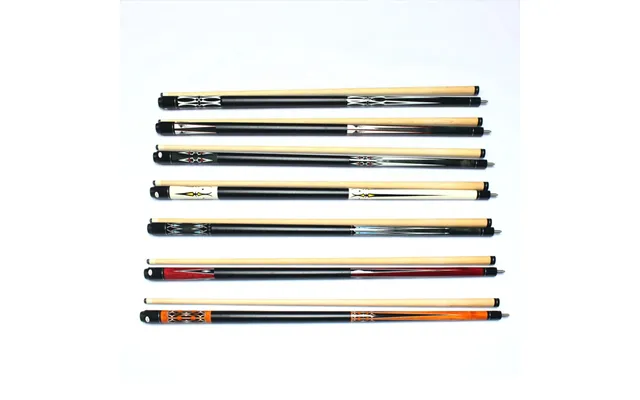
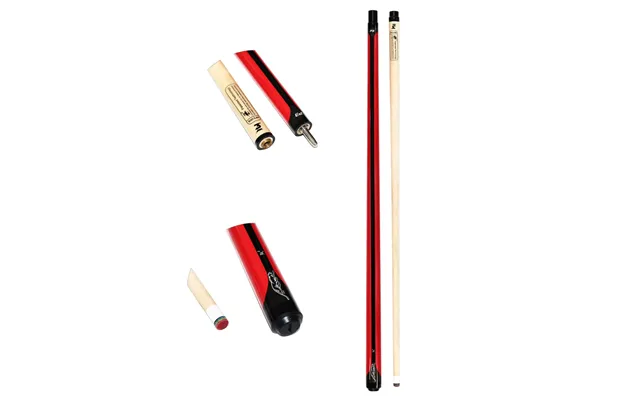
Maple wood cues are a familiar choice for players who want a traditional feel. One Promotion Factory listing features a 57-inch maple wood pool billiard cue with a 13-millimeter cow leather tip, presented as an economical training and club cue. It is listed at $6.90 on Alibaba.
That type of cue may appeal to beginners, casual players, clubs, or anyone who wants an affordable practice option. A straightforward wood cue can help you focus on fundamentals such as stance, bridge placement, stroke timing, and cue-ball control without overcomplicating your equipment.
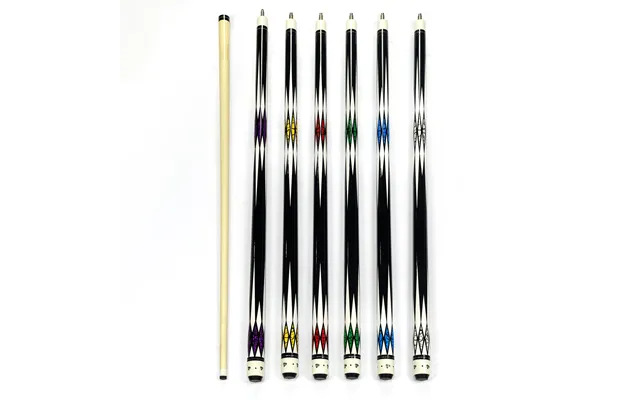
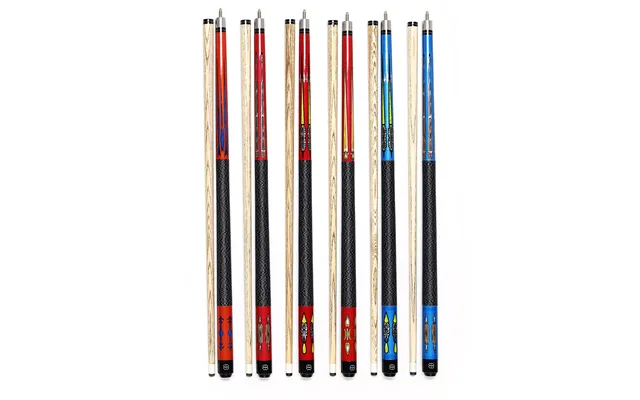
The listings also include several Canadian maple choices. A Premium Diamond 57-inch Canadian maple wood cue with a joint is listed at $10. Another option, described as a Preoaidr 3142 high-tech cue with a Uni-Lock joint and Canadian maple wood construction, is listed at $30.
Jointed cues can be useful when storage and transportation matter. Instead of handling one long piece, you can separate the cue into sections. The joint also gives buyers another feature to compare when deciding between a basic training cue and a more specialized design.
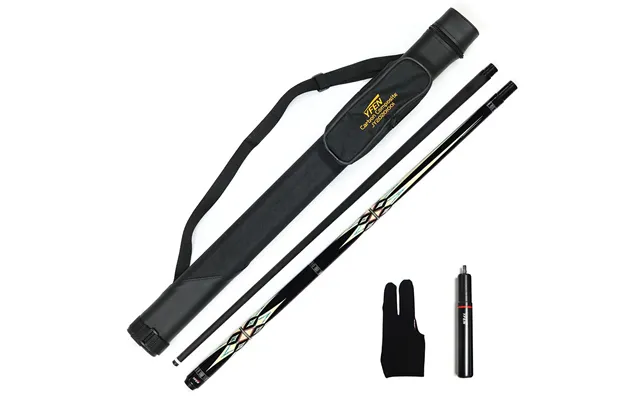
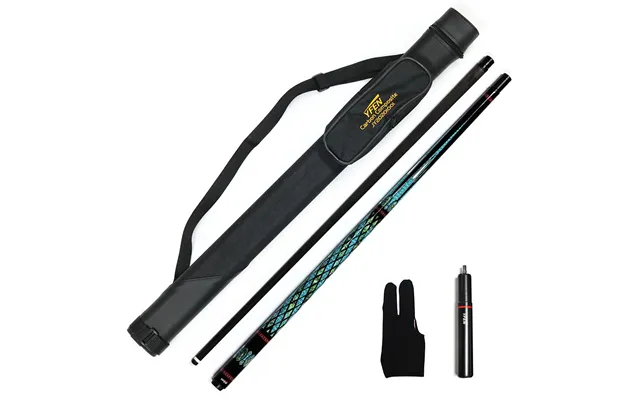
For players interested in modern materials, the reference data includes Premium Yfen M29 and Yfen M11 carbon fiber shaft cue kits. Both are described as 58-inch billiard pool cue kits with a 12.5-millimeter shaft, cue case, extension, and glove. The M29 is listed at $102, while the M11 is listed at $103 on Alibaba.
Carbon fiber is often considered by players who want a contemporary alternative to traditional wood. These listings are especially notable because they combine the shaft with useful accessories. A case can help keep your cue organized, an extension can provide additional reach for difficult table positions, and a glove may help create a smoother bridge-hand movement.
When comparing the M29 and M11, the listed prices are only one dollar apart. You may therefore want to focus on the design details that matter most to you, including the preferred model, included accessories, and the way you expect to use the cue during practice or competition.
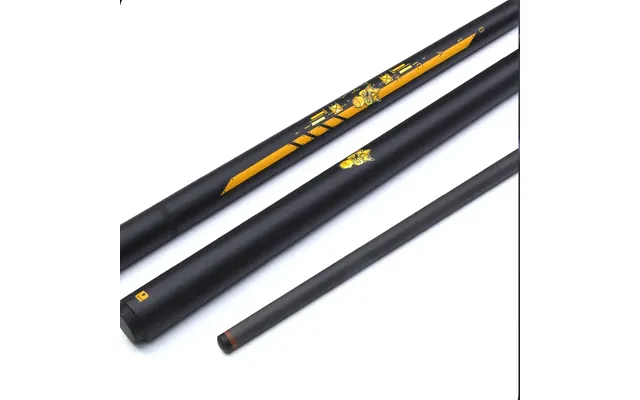
Jump and break shots require a cue designed for a different job than ordinary position play. The reference selection includes a High-tech Handmade Little Monster carbon cue described as a three-piece billiard jump-break cue. It is listed at $50.
A jump-break cue can be appealing if you want one specialized tool for powerful opening shots and elevated jump shots. The three-piece format may also make the cue easier to handle when you are storing or carrying it. However, it is important to match the cue to your playing style. If most of your time is spent on standard pool shots, a regular playing cue may be the more practical starting point.
Before choosing a jump-break design, consider whether you are specifically looking for a cue dedicated to those techniques. It is like choosing a hiking boot versus a running shoe: both are footwear, but each is built around different demands.
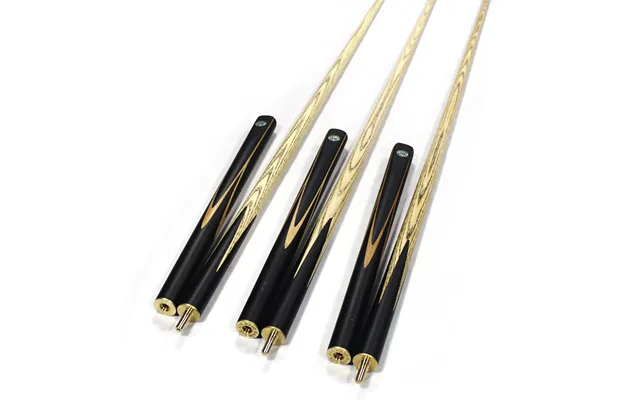
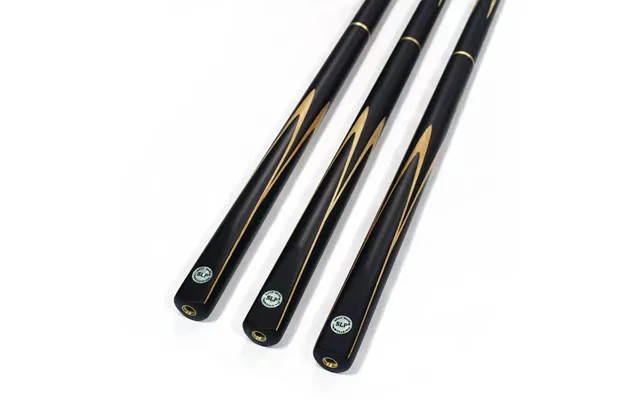
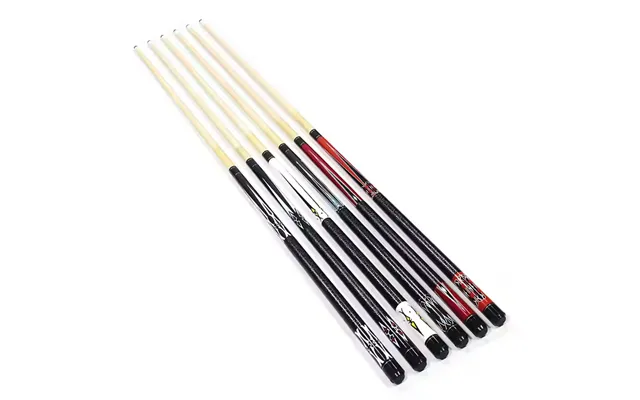
Wood remains popular because many players enjoy its familiar appearance and classic playing character. One listing features a 57-inch, two-piece ash wood shaft billiard pool cue and lists it at $6.90. Another offers a professional 57-inch, three-quarter snooker cue stick at $11, while a professional three-quarter-jointed ash wood snooker cue with a 10-millimeter tip is listed at $12.
Ash wood can be a good match for players who prefer a traditional snooker-style cue. The listings offer both two-piece and three-quarter-jointed formats, giving you different construction styles to compare. A two-piece cue separates into two sections, while a three-quarter-jointed design uses a joint positioned closer to the rear section.
These cues may also suit players building a spare collection, setting up a practice room, or looking for a low-cost way to explore snooker equipment. Their listed prices make them accessible options for comparison, particularly when you are still deciding which cue style feels most natural.
Not every player needs a specialist carbon fiber shaft or a dedicated jump-break cue. A basic two-piece cue can provide a practical starting point for casual games and routine practice. The selection includes a hot-selling 57-inch billiard cue stick with a wooden joint, listed at $10.
A wooden joint may appeal to players who prefer a simple, traditional construction. The two-piece format also offers a convenient balance between a full-length playing feel and easier storage. If you are comparing entry-level options, look at the listed length, joint type, material, and intended use rather than focusing only on the lowest price.
Ask yourself a simple question: Do you need advanced features, or do you mainly need a reliable cue for regular games? The answer can quickly narrow the field.
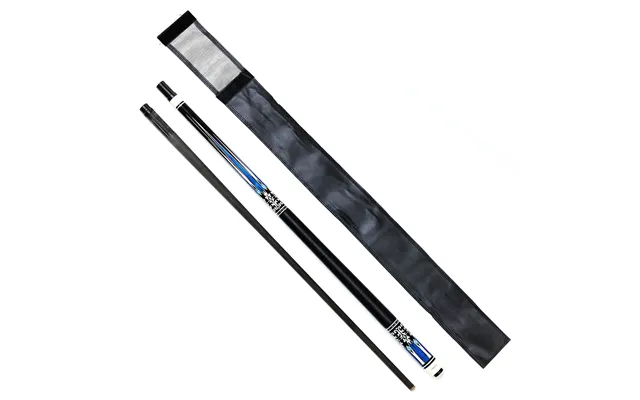
One listing features a hot-selling billiard accessory kit with a pool cue, cue bag, gift set, and two-piece carbon fiber billiard cue. It is listed at $45. Unlike a standalone cue, a kit may give you several useful items in one purchase.
A cue bag can help keep the cue protected and organized between sessions. A carbon fiber cue may provide a different feel from traditional wood, while a two-piece construction can make carrying the equipment easier. This kind of package may be worth comparing if you are building your first billiard setup or replacing several items at once.
Still, check the exact contents of any listing before making a decision. The reference data identifies the included cue bag and gift-set format, but individual preferences can vary. Some players prioritize the cue itself, while others value the convenience of having storage and supporting accessories together.
The reference listings cover a broad price range. Entry-level options include the Promotion Factory maple cue and ash wood cue, both listed at $6.90. Other traditional wood cues appear at $10, $11, and $12. The Preoaidr Canadian maple cue is listed at $30, while the Little Monster jump-break cue is listed at $50.
The accessory kit is listed at $45. The Yfen carbon fiber cue kits sit at the higher end, with the M29 listed at $102 and the M11 at $103. This spread makes it easier to compare equipment based on both price and purpose.
Remember that ZoneOffer is a comparison site, not a store. The listed prices and product details come from the comparison data and may not represent every possible purchase condition. Before ordering, review the current listing information on the relevant marketplace.
If you are new to billiards, a reasonably priced maple or ash wood cue may be enough to help you learn. The 57-inch Promotion Factory maple cue at $6.90, the 57-inch ash wood cue at $6.90, and the wooden-joint cue at $10 are examples of accessible options in the listings.
At this stage, focus on comfort and basic control. You want a cue that feels manageable in your bridge hand and allows you to repeat a smooth stroke. There is no need to chase the most advanced construction before you understand your own preferences.
Intermediate players may want to explore joint types, carbon fiber shafts, or a more specialized cue profile. The Preoaidr cue with a Uni-Lock joint at $30 offers one comparison point, while the $45 accessory kit adds a carbon fiber cue and storage-related items.
This is often the stage where players start noticing small differences in balance, shaft response, and grip comfort. Comparing several construction styles can help you identify what supports your natural stroke instead of simply following a trend.
If jump and break practice is a priority, the Little Monster three-piece carbon jump-break cue at $50 is the clearest specialist option in the reference data. If you prefer a modern playing cue with additional accessories, the Yfen M29 and M11 kits provide higher-priced carbon fiber alternatives.
Most of the pool cues in the listings are described as 57 or 58 inches long. That range is common in the product data and gives players a familiar full-size format to compare. Snooker options include 57-inch three-quarter styles, which use a different joint arrangement from many standard two-piece pool cues.
Joint format affects convenience, storage, and the overall construction of the cue. A one-piece cue offers a continuous design, while a two-piece cue separates into sections. Three-quarter-jointed cues place the connection in a different position and may appeal to players who prefer that traditional snooker format.
There is no single best format for everyone. Your room, playing habits, storage needs, and preferred game should guide the decision. Why carry a design that does not fit your routine?
Wood and carbon fiber represent the main material choices in these listings. Maple and ash wood cues offer traditional options across several price points. Carbon fiber appears in the Little Monster jump-break cue, the Yfen kits, and the accessory kit.
When comparing materials, think about the entire experience rather than the label alone. Consider whether you prefer a classic appearance, whether you want a cue for specialized shots, and whether included accessories add practical value. A carbon fiber shaft may attract players seeking a modern design, while wood may feel more familiar to those who enjoy traditional billiard equipment.
Material is one piece of the puzzle. Tip type, cue length, joint style, grip comfort, and intended use matter too.
Start by identifying your main purpose. Are you buying a first cue, replacing a worn one, adding a spare, or looking for a dedicated jump-break tool? Once you answer that question, compare only the products that match your needs.
Next, set a budget. The reference listings make it possible to consider basic cues below $15, mid-range options from $30 to $50, and carbon fiber kits priced just above $100. A clear budget prevents attractive extras from distracting you from the equipment you actually need.
Finally, check the current product page for exact specifications and listing details. Product titles can include several features, and the marketplace page is the best place to confirm what is currently offered. ZoneOffer helps you compare the available options, but it does not operate as the seller.
The billiard cue listings in this comparison offer choices for beginners, casual players, snooker enthusiasts, and players seeking carbon fiber or jump-break designs. Affordable maple and ash wood cues provide approachable starting points, while the Preoaidr, Little Monster, accessory kit, and Yfen options add more specialized alternatives. Compare construction, length, joint style, accessories, intended use, and price, then choose the cue that feels like a natural partner for your game.