

Weight Lifting Machines & Racks price list
Last updated Saturday, Oct 17, 2026





View 4 Offers
Loading...
Last updated Saturday, Oct 17, 2026
Building a home gym can feel a little like putting together a toolkit: every piece should have a purpose, fit your available space, and support the way you actually train. If strength training is your priority, weight lifting machines and racks can provide a sturdy foundation for squats, presses, cable exercises, and organized equipment storage.
The reference listings include two multifunctional rack systems, a dumbbell rack, and one unrelated horse-care product. This guide focuses on the exercise equipment and explains what to look for before comparing your options. ZoneOffer is a comparison site, so you can use the information to review listed products and prices rather than treating the site as a retailer.
A rack is often the central frame of a strength-training area. Instead of relying on separate stands for every movement, a power rack or multifunctional station may bring several training functions into one structure. That can make your workout area more versatile and help you organize your routine around compound exercises.
Think of a rack as the skeleton of your gym. The frame does not perform the exercise for you, but it gives your training space structure. Depending on the design, it may support movements such as squats, presses, and cable-based exercises. The exact capabilities depend on the product’s construction and included components, so always review the listing carefully before buying.
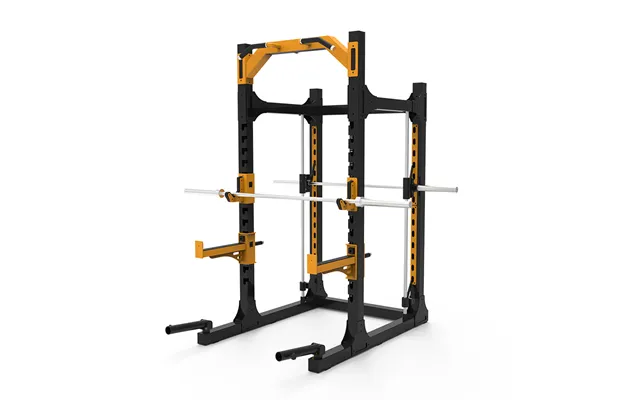
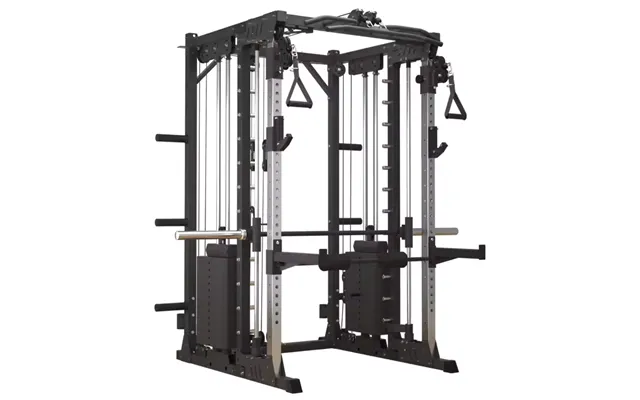
The two main rack listings in the reference data are both described as multifunctional commercial-style systems. One is listed as a “Smith Machine Multi Functional Commercial Squat Rack Gym Equipment Gym Power Rack Functional Trainer Multi Gym Fitness” for $835. The other is a “Factory Smith Machine Commercial Power Cage Squat Rack Multi Function Cable Crossover Trainer Gantry Rack Strength Exercise” listed for $399.
The $835 listing combines several terms in its title, including Smith machine, commercial squat rack, power rack, functional trainer, and multi-gym fitness equipment. That wording suggests a broad exercise format, with the product positioned as a multifunctional station rather than a simple squat stand.
If you want one primary unit to anchor a training room, this type of listing may be worth closer inspection. A multifunctional design can be appealing when you want more exercise variety from one purchase. However, the reference data does not provide dimensions, included accessories, material specifications, weight capacity, or installation information, so those details should be confirmed before making a decision.
The $399 listing is described as a factory Smith machine, commercial power cage, squat rack, multifunction cable crossover trainer, and gantry rack. It is priced lower than the $835 option in the supplied data, while its title also emphasizes several training functions.
For shoppers comparing price and versatility, this listing may stand out. Still, a lower listed price does not automatically tell you how the two products differ in frame size, cable configuration, included attachments, or load specifications. A smart comparison looks beyond the headline and checks what is actually included in the offer.
Start with your room, not the product title. Measure the area where you plan to place the rack and leave enough room to move around it comfortably. A machine may fit against a wall but still require additional clearance for plates, handles, benches, or exercises performed in front of the frame.
Also consider ceiling height. Tall rack systems can be difficult to position in rooms with low ceilings, especially if you need to assemble the unit upright. The supplied listings do not state their dimensions, so you should request or locate those measurements before purchase.
Ask yourself what you want the equipment to help you do. Are you mainly training squats and presses, or do you want cable exercises, accessory movements, and a more varied routine? A simple power rack may suit someone who already owns a barbell and plates, while a multifunctional system may appeal to someone who wants several training styles in one station.
There is no universal winner. The best rack is the one that matches your routine instead of collecting features you will rarely use. More functions can be useful, but they can also mean a larger footprint and a more involved setup.
Before comparing two racks, look for information about frame materials, weight capacity, adjustment points, cable components, and included hardware. These details help you understand whether the equipment fits your training level and available weights.
The reference data does not specify these features for either multifunctional rack. That is important: you should not assume that two products with similar titles have identical construction or performance. Treat the titles as starting points for research, not as a complete technical specification sheet.
Multifunctional stations combine several exercise ideas into one piece of equipment. The reference titles mention Smith machines, power cages, cable crossovers, functional trainers, and gantry racks. Each term can point to a different part of the training experience, even when the components share one frame.
A Smith machine generally describes guided bar movement, while a power cage typically refers to a frame used for barbell exercises. A cable crossover or functional trainer uses adjustable cable paths for pulling and pressing movements. Because the reference listings combine these terms, you should examine the product images, specifications, and included parts to understand the actual layout.
Why does this matter? A product name can sound like a complete commercial gym, but your buying decision should rest on verifiable details. Check whether the listing includes a bar, pulley attachments, weight stacks, plate storage, safety arms, or other accessories. None of those inclusions are confirmed in the supplied data.
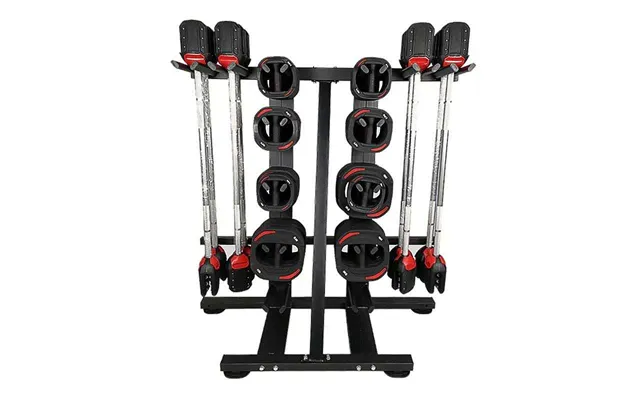
The reference data includes a “Wholesale Fitness Custom Gym Sport Adjustable Dumbbell Rack Multifunctional Dumbbell Stand Rack” listed at $175 through Alibaba. Unlike the two larger machines, this listing is designed around dumbbell storage rather than a complete lifting station.
A dumbbell rack can make a training area easier to navigate. Instead of leaving weights on the floor, you can place them in one defined location. That simple change can make a small workout space feel less crowded and help you move between exercises more smoothly.
The title describes the rack as adjustable and multifunctional, but the data does not provide its measurements, supported dumbbell sizes, material details, or storage capacity. Those are the questions to ask before ordering. A rack that works for compact dumbbells may not be suitable for a larger collection or heavier equipment.
Make an inventory before buying. Count the dumbbells you already own, note their approximate sizes, and consider whether you plan to add more. Storage is much easier when the rack matches the shape and quantity of your equipment.
You should also think about access. A crowded stand may technically hold your dumbbells but make them difficult to remove. Look for a layout that leaves enough room to grip each handle without knocking nearby weights out of position.
The supplied exercise listings show three different price points: $835 for the Smith machine multifunctional commercial squat rack and power rack system, $399 for the factory Smith machine and cable crossover trainer, and $175 for the adjustable dumbbell rack.
These prices can help you create a starting budget, but they do not tell the entire story. The listings do not provide shipping costs, taxes, installation charges, warranty terms, payment details, or final availability. The actual amount you spend may depend on information not included in the reference data.
The Alibaba descriptions for the two rack listings mention “exclusive perks up to us 500 off.” Because the data does not explain the conditions, dates, eligibility, or exact application of those perks, treat the statement as a listing detail to verify rather than a guaranteed discount. Check the current offer terms before relying on it in your budget.
Price comparison works best when you compare like with like. A full multifunctional rack should not be measured against a dumbbell stand as though they serve the same job. First decide which equipment category you need, then compare products within that category.
You do not need to buy every type of equipment at once. A practical plan can grow in stages. If you already have dumbbells, storage may be the first priority. If your main goal is barbell-based strength work, a rack may matter more. If you want cable exercises and several movement options, a multifunctional system may be the centerpiece.
Start with the exercises you perform most often. Your regular routine is the map; the equipment is the road system. If the machine does not support your main movements, extra features will not make it a better match.
Next, consider how much space you can dedicate to training. A large rack can offer versatility, but it may dominate a small room. A dumbbell stand usually addresses a different need: keeping weights organized and accessible. Combining storage with a larger station can create a more orderly setup, provided your room can accommodate both.
Ask whether the listed price covers the full frame, bars, cables, handles, safety components, storage posts, and any other attachments shown in product images. The reference data gives product titles and prices but does not confirm the contents of each package.
Request the assembled height, width, and depth. Also ask about the space needed around the machine for exercise and access. Without those measurements, it is impossible to confirm whether a rack will fit your room comfortably.
Look for stated load capacities and adjustment ranges. If those specifications are missing, ask the seller for them. Avoid guessing based on the words “commercial,” “power,” or “strength” in a title, since those terms do not replace technical specifications.
Large racks and multifunctional trainers may require assembly, careful positioning, and more than one person during installation. The reference data does not state how assembly works for these listings, so confirm the requirements before ordering.
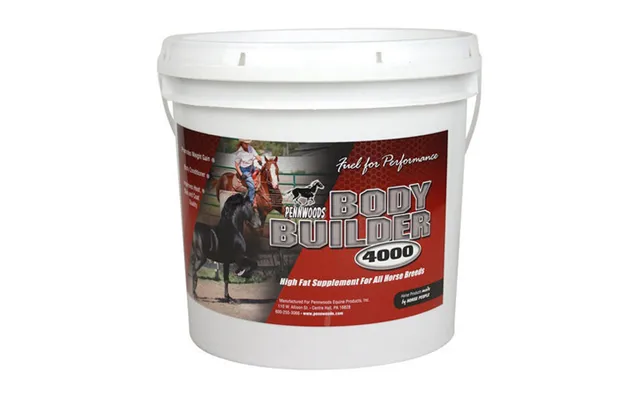
The reference data also contains a Pennwoods product called “Body Builder 4000,” listed at $55 through Peta2z. Its description concerns horse nutrition, including feeding guidance for horses. It is not weight lifting equipment and does not belong in a comparison of gym machines, racks, or dumbbell storage.
For that reason, it should not influence your fitness-equipment buying decision. Keeping unrelated listings separate is one of the benefits of careful product comparison: you can focus on items that genuinely match the category and your goals.
Begin by selecting the equipment type that solves your immediate problem. Choose a multifunctional rack if you need a central training station and have enough room. Consider the $175 dumbbell rack if your priority is organizing dumbbells. Compare the $399 and $835 rack listings only after confirming their specifications and included features.
Then review the practical details: measurements, capacity, components, assembly, and current offer terms. This process may seem slower than clicking on the first impressive title, but it helps prevent an expensive mismatch. A good purchase should feel like a useful tool, not a puzzle you have to solve after it arrives.
Use ZoneOffer as a comparison resource to review the listed products and prices. Since it is not a store, confirm product information and current terms with the relevant listing before making a purchase.
The reference data presents three relevant exercise options: two multifunctional rack systems priced at $835 and $399, plus a $175 adjustable dumbbell rack. Each serves a different role, so the right choice depends on your training goals, available floor space, storage needs, and the specifications you can verify. Compare the details carefully, ask questions about what is included, and choose the setup that supports the workouts you will actually perform.