

Hockey Stick Care price list
Last updated Wednesday, Nov 25, 2026



View 3 Offers

Loading...
Last updated Wednesday, Nov 25, 2026
Your hockey stick is more than a piece of equipment. It is the tool that helps you control the puck, protect possession, pass with confidence, and release shots when every second matters. Yet even a well-made stick can lose its edge when dirt, moisture, worn tape, and poor storage pile up over time.
The good news? Hockey stick care does not need to be complicated. A few simple habits can help you keep the shaft comfortable, the blade protected, and the grip dependable. Think of your stick like a pair of skates: small maintenance steps may make a big difference in how it feels during play.
This guide explains how to clean, tape, store, inspect, and care for a hockey stick. It also looks at three sports tape options listed through ZoneOffer, a comparison site that helps shoppers review available products from participating stores. The products include cloth, non-slip, wear-resistant, waterproof, and high-friction tape options.
Every shift exposes your stick to contact, friction, moisture, and repeated impact. The blade meets the ice, the shaft rests in your gloves, and the tape absorbs much of the handling stress. Without basic care, the tape can loosen, the grip can become inconsistent, and small signs of wear may go unnoticed.
Good care also gives you a chance to understand your equipment. Does the blade feel smooth? Is the handle comfortable? Is the tape peeling near the heel or toe? These questions are easy to answer when you inspect your stick regularly.
Care will not make a damaged stick indestructible, of course. However, it can help you identify problems earlier and maintain a more predictable feel. In hockey, predictability is valuable. You want your hands and stick to work together instead of wondering whether your tape will slip at the wrong moment.
Before cleaning or retaping, take a moment to inspect the entire stick. Run your eyes along the shaft, blade, heel, toe, and butt end. You are looking for visible cracks, deep chips, loose material, separation, or unusual changes in shape.
The shaft should feel solid and comfortable in your hands. Look closely at areas that receive frequent contact, especially the lower shaft and the handle. If the grip tape is torn, heavily compressed, or difficult to hold, replacing it may improve handling comfort.
Do not ignore a crack simply because it appears small. A stick experiences repeated force during passes, shots, battles, and defensive plays. If you notice structural damage, use judgment and consider replacing the stick rather than relying on tape to conceal the problem.
Examine the blade from heel to toe. Small surface marks are common, but deep damage, separation, or a noticeably altered shape deserves attention. The blade is your connection to the puck, so an uneven or damaged surface can affect how the stick feels during control and passing.
Wipe away dirt before making your decision. Sometimes a layer of ice residue or grime makes ordinary wear look worse than it is. A clean blade gives you a clearer view of its condition.
Cleaning is one of the easiest ways to support regular equipment care. After use, gently wipe the stick with a clean, slightly damp cloth. Focus on the shaft and any exposed areas where sweat, ice, or rink residue may collect.
Avoid soaking the stick. Excess moisture can work into damaged areas or remain beneath tape, where it may create an unpleasant, damp surface. Your goal is to remove residue, not give the stick a bath.
After wiping, let the stick air-dry in a well-ventilated place. Keep it away from intense direct heat, such as a heater or hot vent. Rapid heat can be harsh on equipment materials, while gentle air-drying is a more controlled approach.
If the tape is still in good shape, wipe around it carefully rather than saturating it. When tape is already peeling, dirty, or damp, replacing it is often more practical than trying to rescue it.
Before applying fresh tape, make sure the surface is dry and reasonably clean. New tape adheres more consistently to a prepared surface. It is similar to putting a sticker on a dusty wall: even a strong adhesive may struggle when the surface is covered with residue.
Hockey stick tape can influence grip, comfort, protection, and feel. The right choice depends on where you are applying it and what type of response you prefer. Some players focus on a secure handle, while others pay close attention to blade friction and puck control.
The reference listings include several features commonly considered when selecting tape: non-slip performance, wear resistance, strong viscosity, waterproof construction, durability, and increased friction. These descriptions can help you compare options, but the best choice still depends on your personal preferences and how you use your stick.
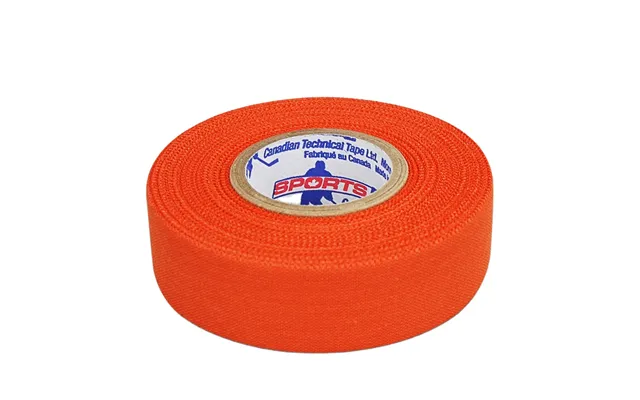
One listed option is titled “Canada 0.08kg 25m X 2.4cm Cloth Non-slip Wear-resistant Athletic Sports Tape For Hockey Stick Unisex.” The listing specifies a weight of about 2.8 ounces, a length of about 82 feet, and a width of about 0.94 inches.
Its title highlights cloth construction, non-slip use, and wear resistance. Those characteristics make this type of tape worth considering when you want a familiar textile feel and a practical option for regular stick maintenance.
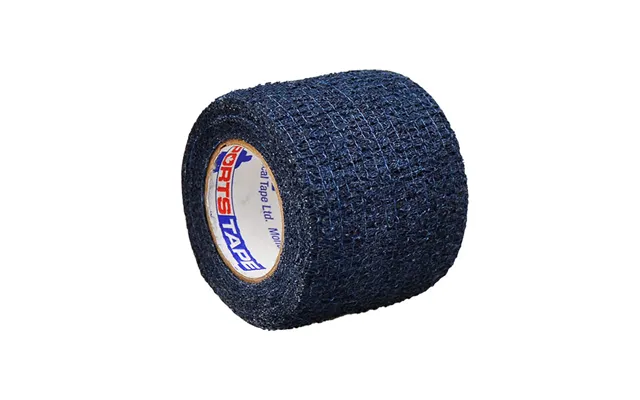
Another listing is titled “Strong Viscosity Sports Tape For Increased Friction No Degumming Non-slip And Wear-resistant Hockey Stick Tape.” The title emphasizes strong adhesion, increased friction, non-slip use, and resistance to loosening.
This kind of description may appeal to players who want their tape to remain firmly positioned during repeated handling. If you frequently adjust your hands, take faceoffs, battle along the boards, or make quick stick movements, a stable grip can feel reassuring.
The third listing is titled “Sports Tape Brand Ice Hockey Stick Cloth Tape Waterproof Durable Non-toxic Increases Friction For Better Grip.” Its title highlights cloth construction, waterproof qualities, durability, non-toxic positioning, and increased friction.
This option may interest players who want tape described with moisture resistance and grip enhancement in mind. As with any equipment choice, compare the listed specifications and consider whether the product suits the areas of your stick you plan to tape.
A comfortable handle begins with a clean, dry surface. Remove old tape slowly instead of ripping it away aggressively. Pulling too quickly can leave adhesive residue or make the surface harder to prepare.
Start at the top of the handle and wrap downward, or begin lower and work upward if that feels more natural. Keep the tape under steady tension. You want it secure, but not stretched so heavily that it becomes uneven or narrow.
Overlap each turn slightly. Consistent overlap creates a smoother grip and reduces the chance of exposed gaps. If you prefer a knob at the top, build it gradually with several controlled wraps instead of creating one oversized lump.
There is no single perfect handle shape for every player. Some prefer a slim, direct feel, while others want a thicker handle that is easier to locate inside the glove. Try to keep your wrapping consistent from one session to the next so you can recognize what feels best.
After taping, hold the stick in both hands and test a few movements. Can you rotate it comfortably? Does the tape feel secure without becoming sticky or restrictive? A short test now can prevent frustration during a game.
Blade taping is often a personal ritual, but it should still follow a few practical principles. First, remove the old tape and clear away loose adhesive. Then check the blade for damage before covering it.
Many players wrap from the heel toward the toe, while others prefer the opposite direction. Whichever method you use, keep the tension even and overlap the strips consistently. Avoid large wrinkles, since uneven tape can change the way the blade feels against the puck.
Cover the section you actually use rather than adding unnecessary layers. Too much tape can add bulk and may create a feel you do not enjoy. A neat, controlled wrap is usually easier to inspect and replace.
Replace blade tape when it becomes loose, torn, saturated, heavily dirty, or worn through in important areas. Waiting until the tape is falling apart can make removal messier and leave the blade less protected during play.
You may also want fresh tape when the puck no longer feels consistent on the blade. Tape is not magic, but its surface condition contributes to the overall feel of stick handling. If your passes or receives suddenly feel different, the tape is one simple thing to check.
Grip and friction are closely connected to confidence. When your hands feel secure, you can concentrate more on reading the play instead of constantly adjusting your hold. The listed products specifically reference non-slip performance, increased friction, or a better grip.
Still, more friction is not automatically better for every player. A very grippy surface may feel excellent to one person and too restrictive to another. Your gloves, hand position, weather, and playing style all influence what feels comfortable.
Use a small amount of tape first if you are testing a new approach. You can always add more, but removing excessive layers takes extra time. Treat the process like tuning an instrument: make one change, test the result, and adjust from there.
Proper storage helps keep your stick ready for the next session. After use, remove visible moisture and avoid leaving the stick buried under wet clothing or equipment. Give it room to dry naturally.
Store the stick where it will not be crushed, bent, or struck by heavier gear. A crowded equipment bag can create unnecessary pressure on the shaft and blade. Even if nothing appears wrong immediately, repeated pressure is not a helpful storage habit.
Keep the stick away from extreme heat and rapid temperature changes when possible. A stable indoor location is generally more sensible than leaving equipment in a hot vehicle for long periods. The aim is simple: dry, supported, and protected.
Keep spare tape, a clean cloth, and basic inspection supplies together. When everything is in one place, you are more likely to perform quick maintenance instead of postponing it.
The three referenced tape listings are available through Alibaba according to the supplied data, with listed prices of $3.85, $3.85, and $3.08 respectively. ZoneOffer is a comparison site, so shoppers should review the current listing information before making a purchase.
Tape can refresh a grip, cover minor surface wear, and help maintain a comfortable handle. It should not be treated as a substitute for repairing serious structural damage. If the shaft or blade has a significant crack, separation, or dangerous weakness, continued use may not be sensible.
Small cosmetic marks are not always a reason to discard equipment. The important question is whether the stick remains structurally sound and performs in a predictable way. Inspect it regularly, especially after hard contact or an unusual impact.
If you are unsure about a serious defect, ask a knowledgeable coach, equipment specialist, or experienced player to look at it. A second opinion can help you distinguish ordinary wear from a safety concern.
A useful routine does not need to take long. Before play, check the tape and look for fresh damage. After play, wipe away moisture and dirt. Every so often, remove old tape, inspect the surfaces, and apply fresh tape where needed.
You can also note how the stick feels. Is the handle slipping? Does the blade feel rough? Has the tape started to lift? These observations create a simple maintenance history and help you replace tape before a small issue becomes a game-day distraction.
Choose products based on the job. A cloth tape listing may suit someone looking for a traditional wrap, while a listing emphasizing strong viscosity or increased friction may attract a player focused on grip stability. A waterproof, durable tape description may be appealing when moisture resistance is part of your priorities.
The first listed product is a cloth, non-slip, wear-resistant athletic sports tape option. It is shown with a listed price of $3.85 and includes dimensions in the title equivalent to about 82 feet long and 0.94 inches wide.
The second product is described in its title as a strong-viscosity sports tape designed around increased friction, non-slip use, resistance to loosening, and wear resistance. Its listed price is $3.85.
The third product is described as sports tape for an ice hockey stick, with cloth construction, waterproof and durable qualities, and increased friction for grip. Its listed price is $3.08.
All three listings identify Alibaba as the store in the supplied data. Because prices and listing details can change, compare the current information on ZoneOffer before deciding which option fits your equipment-care routine.
Hockey stick care is a small investment of time that can make your equipment feel more dependable. Clean the stick gently, inspect it often, replace worn tape, store it away from moisture and heat, and take structural damage seriously. When you compare tape options, consider the features that matter most to you, including cloth construction, friction, non-slip performance, wear resistance, durability, and waterproof qualities. With a simple routine and the right tape for your preferences, you can keep your stick ready for the next shift.