


Office Rubber Stamps price list
Last updated Friday, Nov 6, 2026
| Office Rubber Stamps | Price |
|---|---|
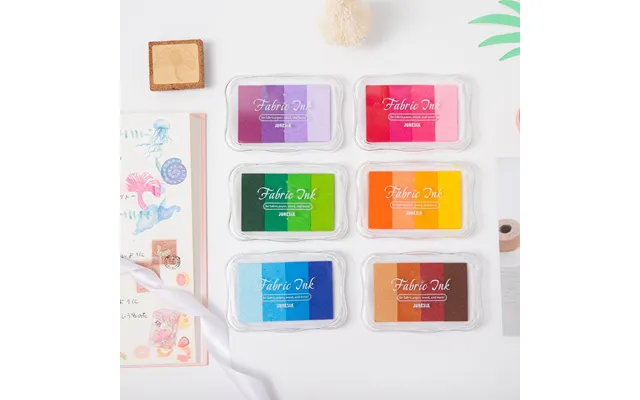
| Permanent Fabric Ink Stamp Pad Crisp Washable Impressions On Cotton & Linen | $1.43 |
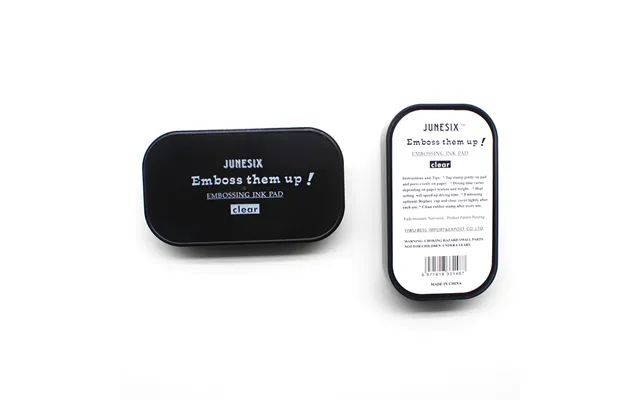
| Best Selling Diy Embossing Ink Pad | $1.58 |




View 5 Offers
Loading...
Last updated Friday, Nov 6, 2026
| Office Rubber Stamps | Price |
|---|---|
| Permanent Fabric Ink Stamp Pad Crisp Washable Impressions On Cotton & Linen | $1.43 |
| Best Selling Diy Embossing Ink Pad | $1.58 |
Office rubber stamps may look like small tools, but they can make everyday work feel much more organized. A quick press can mark a document, personalize stationery, decorate packaging, or add a consistent finish to a creative project. Whether you need a dependable ink pad for paperwork or a customized stamp for special designs, choosing the right format matters.
The reference listings include several useful options, from water-based ink pads and permanent fabric pads to embossing ink, metallic pigment ink, and a customized wooden-handle wax sealing stamp. ZoneOffer is a comparison site, so it does not sell these products directly. Instead, it helps shoppers compare available listings and consider which type best fits their needs.
Digital tools are everywhere, yet physical stamps remain useful because they turn repetitive actions into one quick movement. Think of a stamp as a shortcut: instead of writing the same note repeatedly, you create a consistent impression in seconds.
In an office, stamp pads can support document organization, labeling, and paper-based workflows. Outside the traditional workplace, they can help with crafts, fabric projects, invitations, cards, packaging, and decorative details. The best choice depends on the surface, ink formula, appearance, and level of customization you want.
Handwritten markings can vary from one page to another. A stamp creates a more uniform result, which is helpful when you want repeated designs or labels to look alike. A suitable ink pad can also make the process smoother by delivering even coverage across the stamp surface.
Not every stamp-related product is designed only for office documents. The listed permanent fabric ink pad is described for cotton and linen, while the customized wax sealing stamp is positioned as an art and decorative office-supply item. These examples show how stamping can move from filing cabinets to craft tables.
The reference data highlights five listings with different purposes. Comparing them side by side is useful because “ink pad” is not one single category. Ink type, color range, surface compatibility, and stamp style can change the result considerably.
The Best Selling DIY Embossing Ink Pad is listed at 1.58. Its title makes it suitable for embossing-oriented projects, where the goal is often to create a raised or decorative effect with additional crafting materials. This type of pad may appeal to shoppers who want more than a basic flat impression.
Before choosing it, consider the kind of project you plan to complete. Embossing work usually rewards careful placement, clean impressions, and a suitable surface. If you enjoy handmade cards, decorative paper, or personalized craft pieces, an embossing-focused pad could be worth comparing with standard options.
The Permanent Fabric Ink Stamp Pad is listed at 1.43 and is described as providing crisp, washable impressions on cotton and linen. That makes it a notable option for fabric projects rather than ordinary paper-only stamping.
When working with fabric, the material is part of the equation. Cotton and linen can absorb ink differently from smooth paper, so testing the stamp on a spare piece of the same material is a sensible step. A test impression can help you judge clarity, placement, and the overall appearance before working on the final item.
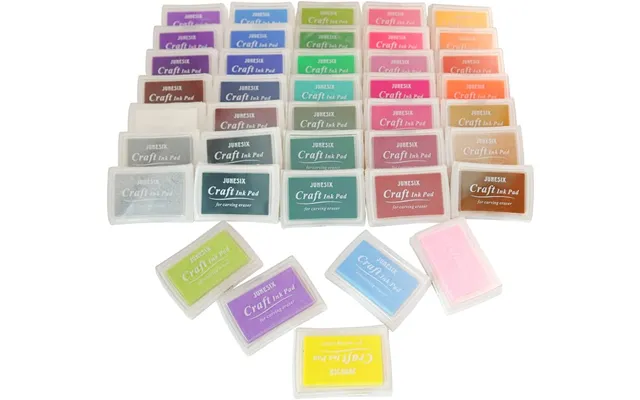
The New Water-based Ink Stamp Pad With Thicker Sponge is listed at 0.28. The listing describes a 40-color large package craft ink stamp pad set, giving shoppers a broad palette for creative work.
A larger color selection can be helpful when you want to separate categories visually or create colorful designs. The thicker sponge described in the listing may also be appealing to users who want a substantial ink surface for craft stamping. Since the listing identifies the ink as water-based, shoppers should consider the intended surface and project before purchasing.
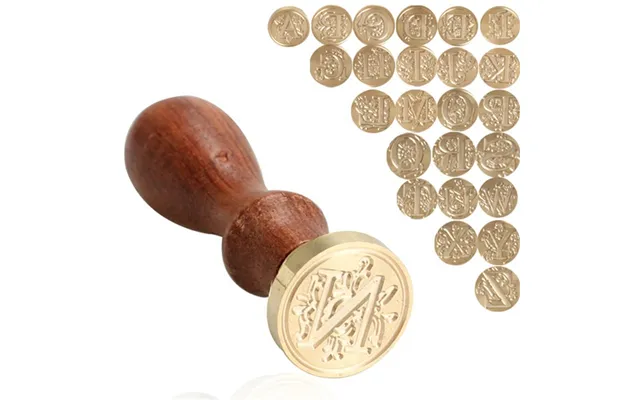
The Customized Wooden Handle Wax Sealing Stamp is listed at 2.59. It is described as an art office-supply item with a gold copper fountain pen and as suitable for wedding DIY gift decoration.
This product stands apart from ordinary office stamp pads because customization and presentation are central to its appeal. A wooden handle can add a traditional, tactile feel, while wax sealing is often chosen for decorative details on invitations, gift packaging, or special paper projects.
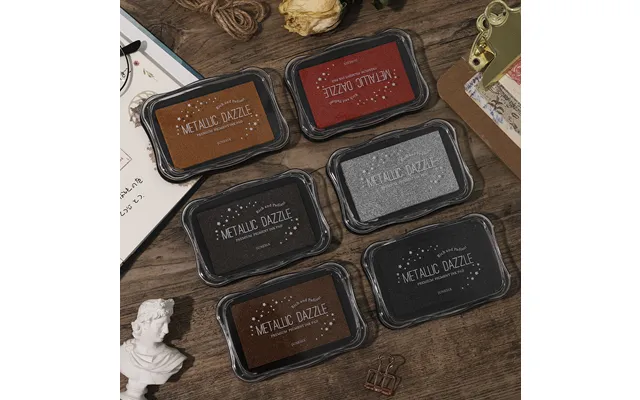
The New 6-color Flash Stamp Ink Pad is listed at 1.13. The listing describes it as non-toxic, fresh metallic pigment, and made with plastic material. The six-color format may suit shoppers who want several metallic tones without selecting each color separately.
Metallic pigment ink can add visual contrast to cards, labels, or decorative paper. Because the listing identifies the ink as non-toxic, it may attract craft users who are paying close attention to product descriptions and material information. As with any ink, matching the pad to the stamp and surface remains important.
Choosing an ink pad is a little like choosing a pen. You would not use a marker for every task, and the same logic applies here. Start with the project, then select the ink type, color, and format that support it.
Paper, fabric, and decorative materials can produce different results. The reference data specifically identifies one pad for cotton and linen, while other listings focus on embossing, water-based craft ink, or metallic pigment. Use the product description as your first guide, and avoid assuming that every pad works equally well on every material.
Do you want a simple, flat mark, a raised decorative effect, a washable fabric impression, or a metallic accent? Your desired finish can quickly narrow the choices. The embossing pad is oriented toward decorative DIY work, the fabric pad toward cotton and linen, and the metallic six-color pad toward a more reflective appearance.
A single-color pad may be enough for routine marking and minimalist designs. A multi-color set can offer more flexibility for crafts, color coding, and seasonal projects. The reference listings include both a 40-color water-based set and a six-color metallic pigment option, so shoppers can compare variety with a specialized finish.
Personalization can turn an ordinary piece of paper into something memorable. A customized wax sealing stamp, for example, may help create a recognizable design for wedding DIY projects, gift decoration, or stationery. It can serve as a visual signature without requiring elaborate equipment.
You can also combine stamp styles. A water-based pad may provide colorful impressions for general craft projects, while a metallic pigment pad can add highlights. An embossing pad may be useful when you want texture or a raised effect. Why settle for one look when your project can have layers?
The customized wooden-handle wax sealing stamp is specifically described in connection with wedding DIY gifts and decoration. That makes it relevant for invitations, gift wrapping details, keepsake cards, and other projects where presentation matters.
For a polished result, plan the design before stamping. Mark the intended position lightly, keep the surface steady, and make one deliberate impression rather than repeatedly pressing in different places. A little preparation can make the final design look much more intentional.
The permanent fabric pad described for cotton and linen opens the door to textile-focused projects. Depending on your design, you might explore fabric labels, decorative panels, or personalized cloth items. Always test first, especially when the material is valuable or difficult to replace.
A good stamp pad helps, but technique matters too. Start with a clean stamp surface. Old ink, dust, or loose fibers can blur the design and create uneven edges.
Apply ink evenly across the stamp rather than soaking only one area. Place the stamp straight down, use balanced pressure, and lift it vertically. Rocking the stamp from side to side can cause smearing, particularly on smooth paper.
A test impression is one of the easiest ways to prevent mistakes. Try the stamp on scrap paper or an extra piece of the intended fabric. This lets you check the ink coverage, color, scale, and clarity before beginning the final project.
Different ink types can behave differently after stamping. Let the impression settle before stacking pages or touching the design. This is especially sensible when working with decorative or pigment-style inks, where a clean finish is part of the appeal.
Proper care can help keep stamping tools ready for the next project. After use, inspect the stamp for leftover ink and clean it according to the material and ink type. Avoid mixing colors carelessly, since residue from one pad can affect another.
Store pads closed when they are not in use. Keeping the ink surface covered helps protect it from dust and unnecessary exposure. If you have several colors, organizing them by type or color family can save time when you need a particular shade.
It is practical to keep fabric, embossing, water-based, and metallic pigment pads separate. Their intended uses differ, and clear organization reduces the chance of reaching for the wrong pad. Labels or small storage groups can make a craft area feel much less chaotic.
The reference listings show prices ranging from 0.28 to 2.59. The lowest listed price belongs to the New Water-based Ink Stamp Pad With Thicker Sponge 40 Color Large Package Craft Ink Stamp Pads Set at 0.28. The Permanent Fabric Ink Stamp Pad is listed at 1.43, while the six-color metallic pigment pad is listed at 1.13.
The Best Selling DIY Embossing Ink Pad is listed at 1.58, and the customized wooden-handle wax sealing stamp is listed at 2.59. These figures provide a starting point for comparison, but shoppers should review the full listing details before making a decision. A low listed price is only one part of value; intended use, color range, customization, and surface compatibility matter too.
The cheapest option may be attractive, but it is not automatically the best match. A 40-color set could offer variety, while a fabric-specific pad could be more suitable for textile work. Likewise, a customized wax sealing stamp may be chosen for its design and purpose rather than for routine office marking.
ZoneOffer is a comparison site, not a store. Its role is to help shoppers review product options and identify details that deserve closer attention. When comparing office rubber stamps, use the available information to ask practical questions about the surface, ink type, colors, customization, and intended project.
The reference offers are associated with Alibaba. The provided data does not include brand names for these listings, and regular prices are shown as 0.00. Because the reference does not confirm additional product details, shoppers should rely on the individual listing information for the most current specifications.
Before choosing, write down the surface you will stamp, the finish you want, the number of colors you need, and whether customization matters. This simple checklist works like a compass: it keeps you focused when several attractive options appear at once.
One common mistake is assuming that all ink pads are interchangeable. The listings themselves show otherwise, with options focused on fabric, embossing, water-based craft ink, metallic pigment, and wax sealing.
Another mistake is skipping the test impression. Even when a product sounds suitable, your specific stamp and surface may produce a different appearance than expected. Testing takes only a moment and can protect the final project from an unwanted mark.
Finally, avoid choosing only by color or price. A beautiful shade is not useful if it does not suit the material, and a low listed price does not replace the need to check the product’s intended purpose.
Office rubber stamps can support practical paperwork and imaginative projects alike. The reference options include an embossing ink pad listed at 1.58, a permanent fabric pad at 1.43, a 40-color water-based set at 0.28, a customized wooden-handle wax sealing stamp at 2.59, and a six-color metallic pigment pad at 1.13. By matching the ink and stamp style to your surface and desired finish, you can make a more confident choice. Compare the listings through ZoneOffer, test your impression first, and treat the right stamp pad like a reliable tool in your creative or office toolkit.