


Office Shredders price list
Last updated Thursday, Nov 5, 2026
| Office Shredders | Price |
|---|---|
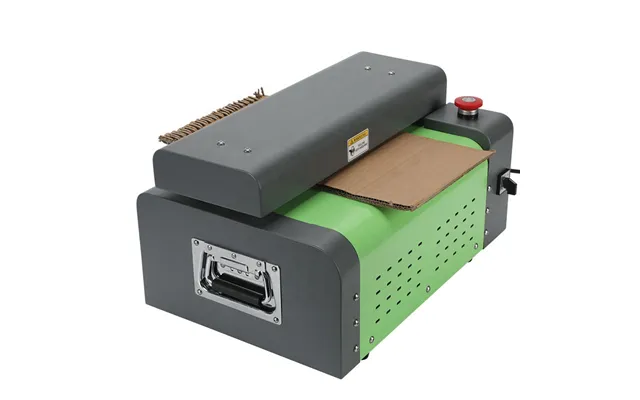
| Carton Box Shredder Reuse Corrugated Cardboard Recyclable Waste Boxes Cutting Waste Board Carton Cutting Machine | $468.00 |





Loading...
Last updated Thursday, Nov 5, 2026
| Office Shredders | Price |
|---|---|
| Carton Box Shredder Reuse Corrugated Cardboard Recyclable Waste Boxes Cutting Waste Board Carton Cutting Machine | $468.00 |
Office shredders are often associated with paper, confidential documents, and routine data protection. However, some workplaces also need equipment for a different challenge: reducing used cardboard boxes and corrugated packaging waste. When boxes begin to pile up, a dedicated cardboard cutting machine may help turn bulky waste into a more manageable material for reuse or recycling.
The product currently featured in the reference data is the Carton Box Shredder Reuse Corrugated Cardboard Recyclable Waste Boxes Cutting Waste Board Carton Cutting Machine. It is listed through Alibaba at a price of $468. The offer description also mentions exclusive perks of up to US $500 off, although shoppers should review the listing carefully to determine how those perks apply.
ZoneOffer is a comparison site, not a store. Its role is to help shoppers review product information and compare opportunities. Before making a purchase decision, you should verify the current listing details, seller information, applicable terms, and final cost directly through the referenced offer.
A carton box shredder is designed for processing corrugated cardboard and other box materials. Rather than leaving empty cartons folded in a corner, a business can consider equipment that cuts or shreds them into smaller pieces. Those pieces may then be used for recycling or, depending on the machine’s intended design and the user’s process, as packaging material.
Think of the machine as a paper shredder’s larger, tougher cousin. The purpose is similar—reduce a bulky material into smaller sections—but the material being handled is cardboard rather than ordinary office paper. That difference makes it important to pay close attention to the product description, intended use, and operating requirements.
The featured listing specifically describes a machine for reuse, corrugated cardboard, recyclable waste boxes, and cutting waste board. Those terms suggest that the product is aimed at workplaces dealing with packaging waste, shipping cartons, or similar materials. The available reference data does not provide additional specifications, such as cutting capacity, motor details, dimensions, noise level, or power requirements.
Cardboard can take up surprising amounts of room. A single empty box may look harmless, but a steady stream of shipping cartons can quickly fill storage areas, loading zones, and recycling containers. Reducing the size of that material can make a workspace feel less crowded and easier to organize.
For businesses that receive frequent deliveries, cardboard processing may also support a more structured waste routine. Employees can separate boxes from other materials, prepare them according to internal procedures, and decide whether the resulting material is suitable for reuse or recycling. The machine becomes one part of a broader workflow rather than a complete waste-management solution by itself.
There is also a practical reason to compare equipment before buying. A low-cost option may look attractive, but the best fit depends on the type and volume of cardboard your workplace handles. A small office with occasional boxes has different needs from a warehouse, shipping department, retail operation, or production facility.
The featured product title includes the word “reuse,” which is relevant for businesses trying to get more value from their packaging materials. Depending on the equipment’s actual performance and the user’s process, cut cardboard may be considered for protective packing, void fill, or other internal applications.
That does not mean every piece of processed cardboard will automatically be suitable for every reuse purpose. The final material may vary according to the box type, inserts, tape, labels, moisture, and other contaminants. A careful workplace should establish its own handling standards before using processed cardboard around products.
When comparing cardboard shredders or cutting machines, start with the material you want to process. Are you handling thin shipping cartons, thick corrugated boxes, layered board, or mixed packaging? The answer can affect which machine design makes sense for your operation.
Next, consider the amount of cardboard your team handles during a normal workday. Occasional use may call for a different approach than continuous processing. Ask yourself how often employees would feed the machine, where it would be placed, and how the resulting material would be collected.
It is also wise to review the listing for information about operation, maintenance, safety features, and compatible material. The reference data does not state these details for the featured machine, so they should be confirmed before purchase rather than assumed.
Capacity is more than a number on a product page. It affects the rhythm of your workplace. If a machine processes material slowly, employees may need to stage boxes and return to the task several times. If it is designed for a higher workload, the workflow may look different—but only the actual manufacturer or seller documentation can confirm that capability.
Consider the path from delivery to finished material. Where will employees flatten or prepare cartons? Where will they place the cut output? Can the equipment sit near the receiving area, or would that create congestion? A machine can be useful, but its location should support the work rather than become another obstacle.
Any cutting or shredding equipment deserves careful handling. Employees should understand what materials may be inserted, how to operate the controls, and what steps to follow if material becomes stuck. The listing should be reviewed for its stated safety instructions and operating guidance.
Workplaces should also establish clear procedures before the machine is used. Keep loose clothing, hands, and unsuitable materials away from active cutting components, and ensure that only trained personnel operate the equipment. The exact safety features of the featured machine are not included in the reference data, so do not rely on assumptions.
The reference data identifies the seller platform as Alibaba and lists the product price as $468. No brand name is provided. The title identifies the equipment as a carton box shredder and corrugated cardboard cutting machine, with an emphasis on recyclable waste and reuse.
The offer description states “1M new products” and mentions exclusive perks of up to “US 500 off.” Because that wording does not explain the exact conditions, shoppers should treat it as promotional listing language rather than a guaranteed saving. Check whether any offer applies to the specific item, order quantity, location, or purchase conditions.
The reference data does not confirm shipping charges, taxes, delivery timing, stock status, warranty coverage, seller ratings, voltage, machine dimensions, or technical specifications. Those details matter, especially for equipment intended for a business. Comparing the listed price is a useful first step, but it should not be the only step.
A listed price of $468 provides a starting point for comparison. To understand the overall value, think beyond the headline number. You may want to examine the equipment’s intended material, operating requirements, maintenance needs, installation considerations, and suitability for your daily workflow.
For example, a machine that matches your cardboard type and workload may be more useful than a cheaper option that does not fit your process. On the other hand, a feature-heavy machine may not be worthwhile for a workplace that processes only a few boxes each week. The right question is not simply, “Is this inexpensive?” but “Does this support the work we actually do?”
Because the reference data supplies only one offer, it cannot establish whether $468 is the lowest available price or the best overall value in the market. ZoneOffer can help present comparison information, but shoppers should review current listings and verify details before committing funds.
Before purchasing, look for information about power requirements, accessories, maintenance parts, setup, and any other expenses connected with operation. These details are not provided in the reference data for the featured product, so they should be confirmed through the listing or seller documentation.
You should also consider where the processed cardboard will go. If the material is reused, your team may need a storage area. If it is recycled, your existing recycling process may determine how it must be sorted or prepared. The machine’s usefulness depends partly on what happens after the cardboard leaves the cutting area.
Although the words “shredder” and “cutting machine” may sound familiar, cardboard equipment should not be treated as interchangeable with an ordinary office paper shredder. Paper shredders are generally associated with documents, while the featured product is specifically described for carton boxes, corrugated cardboard, recyclable waste boxes, and waste board.
This distinction matters because feeding unsuitable material into equipment can create operational problems or safety risks. Always follow the product’s stated material guidelines. If your workplace needs both document destruction and cardboard processing, compare those as separate equipment categories.
For confidential papers, select equipment intended for document shredding. For corrugated boxes, investigate machinery designed for cardboard. One tool may support information security, while the other may support packaging waste reduction. They solve different problems, even if both reduce material into smaller pieces.
A machine works best when paired with a simple routine. Start by separating cardboard from plastic wrap, foam, metal, and other packaging materials. Remove items that the machine is not designed to process, and keep the work area clear.
Next, create a collection point for empty cartons. Employees can place boxes there after unpacking deliveries instead of leaving them scattered around the workspace. A clear process makes it easier to decide when material should be processed and where the finished output should be stored.
Finally, assign responsibility for basic checks and housekeeping. The reference data does not describe maintenance requirements for the listed machine, but every workplace should consult the relevant instructions and keep its operating area orderly. A clean process is like a well-marked road: it helps people move safely and consistently.
The featured carton box shredder may attract businesses that regularly handle corrugated packaging and want to explore reuse or recycling options. Potential users could include offices with frequent deliveries, shipping operations, retailers, warehouses, and other workplaces that manage a steady flow of cartons.
That does not mean it is automatically suitable for every organization. A workplace with very little cardboard may not need dedicated equipment. A business with heavy industrial packaging may require specifications that are not available in the reference data. The best match depends on the material, workload, space, staff, and internal waste process.
If you are unsure, begin by recording how many boxes your workplace handles over a typical week. Note the box sizes, board types, storage limitations, and current recycling routine. This simple information can help you compare products more intelligently and avoid buying equipment based only on a catchy title.
Before viewing the $468 listing as a final choice, read the complete product page and confirm the specifications that matter to you. Check what the seller says about intended materials, operating instructions, electrical requirements, included components, and safety guidance.
Also review the final order total rather than focusing only on the listed item price. The reference data does not provide shipping, taxes, or other possible charges, so those amounts cannot be stated here. Confirm them before placing an order.
Promotional wording deserves the same careful attention. The listing mentions perks of up to US $500 off, but the available data does not explain eligibility or terms. Treat the phrase as something to investigate, not as a guaranteed discount on the $468 price.
The featured Carton Box Shredder Reuse Corrugated Cardboard Recyclable Waste Boxes Cutting Waste Board Carton Cutting Machine offers a product option for workplaces exploring cardboard reuse and recycling. It is listed on Alibaba at $468, with promotional wording that mentions perks of up to US $500 off. Since detailed specifications and purchase conditions are not included in the reference data, compare the listing carefully and verify every important detail before buying. By matching the machine to your cardboard type, workload, space, and waste process, you can make a more confident equipment decision.