


Mortars & Pestles price list
Last updated Saturday, Nov 28, 2026


Loading...
Last updated Saturday, Nov 28, 2026
A mortar and pestle may look simple, but this classic kitchen tool can transform the way you prepare food. Instead of relying only on electric appliances, you can crush, grind, and blend ingredients by hand while controlling the texture and intensity yourself. From fragrant spices to fresh herbs and garlic, a mortar and pestle puts more direct control in your hands.
In the ZoneOffer comparison listings, you can explore two distinct options: a Beech Wood Mortar And Pestle from Tagliapasta and a stainless steel mortar and pestle listed through Alibaba. These products offer different approaches to everyday food preparation. One emphasizes the warm, traditional feel of wood, while the other focuses on the sleek, sturdy character associated with stainless steel.
Which one belongs in your kitchen? That depends on how you cook, what ingredients you use most often, and whether you prefer a lightweight traditional tool or a more modern-looking grinder. This guide will help you compare the two options and understand what to consider before choosing.
A mortar and pestle works like a hands-on flavor workshop. The bowl holds your ingredients, while the pestle lets you crush and grind them with pressure and circular motion. You decide whether the result stays coarse and textured or becomes a smoother paste.
This control can be useful when preparing spice blends, crushed herbs, garlic mixtures, and other ingredients that benefit from being broken down gradually. Rather than pressing a button and accepting one automatic texture, you can stop whenever the consistency looks right.
There is also something satisfying about the process. The rhythmic movement is simple, familiar, and surprisingly engaging. If you enjoy cooking with fresh ingredients, a mortar and pestle can turn a routine task into part of the recipe itself.
When you grind by hand, you can adjust pressure as you work. A light crush can preserve texture, while repeated grinding can create a finer mixture. This makes the tool adaptable for different cooking tasks.
Think of it as a manual volume dial for ingredients. You can keep flavors bold and distinct, or combine them into a unified paste. That flexibility is one of the main reasons mortars and pestles remain useful in modern kitchens.
The Beech Wood Mortar And Pestle listed on ZoneOffer is available from tagliapasta at a listed price of $12.05. The reference data identifies the material as beech wood, making this option a natural fit for cooks who enjoy the traditional appearance of wooden kitchen tools.
Wood brings a warm, classic character to a kitchen. A beech wood mortar and pestle can look more organic than a metal alternative, and its appearance may suit kitchens that favor natural materials. It can also feel comfortable and familiar during light grinding and crushing tasks.
Because the reference data does not provide detailed specifications, dimensions, weight, or care instructions, you should review the product listing for those points before making a purchase decision. The listed information confirms the product name, material, store, and price, but it does not establish additional performance claims.
This product may appeal to you if you like the look of wood and want a straightforward mortar and pestle for general kitchen use. It is especially worth considering when visual style matters as much as function.
Wood can also suit cooks who prefer tools that feel less industrial. If your kitchen has wooden utensils, cutting boards, or other natural accents, a beech wood mortar and pestle may blend into the setting naturally.
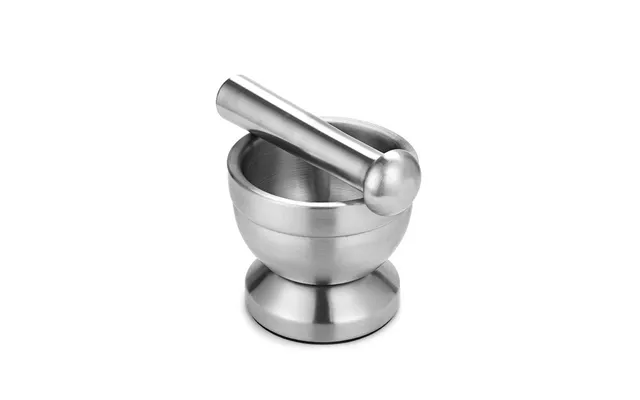
The second listing is a stainless steel mortar and pestle described as a garlic pounder, spice mill, pharmacy herbs bowl, crusher, grinder, and cooking gadget tool. It is listed through alibaba at $3.79. The reference data also includes the phrase “1M new products” and mentions exclusive perks of up to US $500 off, though shoppers should verify the exact terms and applicability on the listing.
Stainless steel offers a distinctly modern appearance. Its clean, metallic look may appeal to cooks who prefer contemporary kitchen tools. The listing’s wording also presents this product as suitable for several tasks, including working with garlic, spices, and herbs.
However, the reference data does not provide a detailed description of the product’s construction, capacity, dimensions, weight, or maintenance requirements. Those details can make a major difference in daily use, so it is sensible to check the full listing before comparing it directly with the beech wood option.
This option may suit you if you want a modern-looking tool and are interested in a product described for garlic, spices, and herbs. It may also attract shoppers who are comparing budget-friendly kitchen gadgets.
At the listed price of $3.79, it appears lower-priced than the beech wood listing, but price alone does not determine which tool will work better for your cooking habits. Consider the size, grip, bowl shape, and care requirements shown in the product information before deciding.
Choosing between wood and stainless steel is a little like choosing between a classic wooden spoon and a sleek metal utensil. Both can have a place in the kitchen, but each creates a different experience.
The beech wood option offers a traditional visual style and a natural material. The stainless steel option offers a more contemporary appearance and is presented in the listing as a multipurpose garlic, spice, herb, and grinding tool.
Neither listing includes enough technical information to declare one universally better. Instead, think about your priorities. Do you want the warmth of wood? Do you prefer a metal finish? Are you mainly crushing garlic and herbs, or do you want to experiment with a wider range of ingredients?
Before buying, look for the product’s bowl capacity, overall size, pestle shape, and weight. A larger bowl can be useful for working with more ingredients, while a smaller design may be easier to store. The shape of the pestle can affect how comfortably you apply pressure.
You should also examine the care information. Different materials may have different cleaning recommendations, and the right routine can help preserve the tool’s appearance. Since the supplied data does not include care instructions for either product, confirm them in the relevant listing.
Mortars and pestles are commonly associated with spices, herbs, and garlic, and the stainless steel listing specifically references those uses. You can use the tool to crush whole spices into a rough blend or grind them more finely for seasoning mixes.
Fresh herbs can also be gently bruised to release aroma. Garlic can be crushed into a paste, especially when combined with other ingredients. The process lets you decide whether you want visible pieces or a more cohesive mixture.
Start with small amounts until you understand how the bowl and pestle handle your ingredients. A mortar and pestle is not a race. Slow, controlled pressure often gives you more consistent results than forcing the motion.
One useful approach is to add ingredients gradually. Begin with the firmest ingredient, then add softer ingredients as the mixture develops. This can help you control texture and prevent the bowl from becoming overcrowded.
For example, you might first crush dry spices, then add herbs, and finally work in garlic or another softer ingredient. The exact order depends on your recipe, but the principle is simple: give each ingredient enough room to break down.
Place the mortar on a stable surface before you begin. Add a modest amount of ingredients, then use the pestle with steady downward pressure and short circular movements. If pieces move around too much, pause and scrape them back toward the center.
For crushing, use firm presses rather than aggressive pounding. For grinding, combine pressure with a slow circular motion. You can alternate between the two techniques depending on whether you want a chunky mixture, coarse powder, or smooth paste.
Pay attention to sound and texture. Dry ingredients usually become quieter as they break down, while pastes become more uniform and resistant to movement. These signals can help you judge when the mixture is ready.
Good technique does not require excessive force. If you find yourself straining, reduce the amount of ingredients and work in smaller batches. A comfortable grip and stable work surface can make the task easier and more controlled.
Remember, the goal is not simply to crush ingredients as quickly as possible. The goal is to create the texture your recipe needs. Let the tool do the work gradually, much like turning a rough stone into a polished surface.
The two reference products differ in material, listed price, product wording, and seller. The beech wood model is listed at $12.05 through tagliapasta, while the stainless steel model is listed at $3.79 through alibaba. These are the prices shown in the supplied data and should be checked against the current listing before purchase.
Next, look beyond the headline. Confirm whether the product includes both the mortar and pestle, and check the listed dimensions and capacity. These details are not provided in the reference data, but they are important for judging whether the tool suits your kitchen.
It is also wise to consider where you will store it. A mortar and pestle can sit on a countertop as a practical tool or remain in a cabinet between uses. If counter space is limited, compare the product’s dimensions with the space you have available.
If you prepare garlic, herbs, or spices often, convenience may be your top priority. If you care about a traditional kitchen aesthetic, the beech wood option may stand out. If you are comparing lower listed prices, the stainless steel option may deserve closer attention.
There is no need to choose based on appearance alone. Imagine using the tool during a busy meal. Would you rather have a natural wooden design in your hand, or a modern stainless steel tool? Your answer may reveal which product fits your habits best.
ZoneOffer is a comparison site that helps shoppers review product options and listed offer information. It is not a store, and it does not replace the seller’s product page. When you find an item that interests you, use the available listing information to continue your research with the relevant seller.
For the products in this category, compare the material, listed price, product description, and seller name. Also check the listing for details that are not included in the supplied data, such as product dimensions, care guidance, and any current purchasing conditions.
Comparison shopping works best when you treat the first price as a starting point rather than the whole story. A tool that fits your cooking style can be more useful than one chosen only because it appears inexpensive.
The Beech Wood Mortar And Pestle and the stainless steel mortar and pestle offer two different directions. The beech wood model, listed at $12.05 from tagliapasta, emphasizes a natural material and traditional feel. The stainless steel model, listed at $3.79 through alibaba, is described around garlic, spices, herbs, crushing, and grinding.
Choose the beech wood option if its material and classic appearance match what you want from a kitchen tool. Consider the stainless steel option if its modern finish, listed uses, and lower listed price better match your priorities. In either case, verify the full product details before ordering because the reference data does not include every specification.
A good mortar and pestle should feel like an extension of your cooking style. Whether you are crushing a small amount of garlic or building a fragrant spice blend, the right tool gives you control, texture, and a more hands-on connection to your ingredients. Compare carefully, choose thoughtfully, and let your kitchen routine guide the decision.