

Cooking Timers price list
Last updated Wednesday, Oct 14, 2026





View 5 Offers
Loading...
Last updated Wednesday, Oct 14, 2026
Good cooking often comes down to timing. A few extra minutes can turn crisp vegetables soft, leave pasta overdone, or change the texture of a baked dish. The right cooking timer acts like a quiet kitchen partner, helping you focus on preparation while keeping an eye on the clock. Whether you prefer the simplicity of sand, the visibility of a digital display, or a timer that can handle moisture, the products in this comparison offer practical ways to manage short cooking intervals.
ZoneOffer is a comparison site that helps you explore products from different listings. It is not a store, and the information below is based on the supplied offers. Prices and product details can vary by listing, so use the information as a starting point when comparing your options.
Cooking timers are useful because they separate food preparation from constant clock-watching. You can stir a sauce, chop ingredients, wash dishes, or prepare the next step without repeatedly checking the time. That small convenience can make the entire cooking process feel smoother.
A timer can also add consistency. If a recipe calls for five minutes, setting a dedicated timer gives you a clear signal when that interval ends. Instead of relying on memory or guessing, you create a simple routine that is easy to repeat.
Short timers are especially handy for kitchen tasks that happen quickly. They can help with boiling, resting, steeping, soaking, warming, and other preparation steps where a small delay may affect the result. Think of a timer as a guardrail: it does not cook the food for you, but it helps keep the process on track.
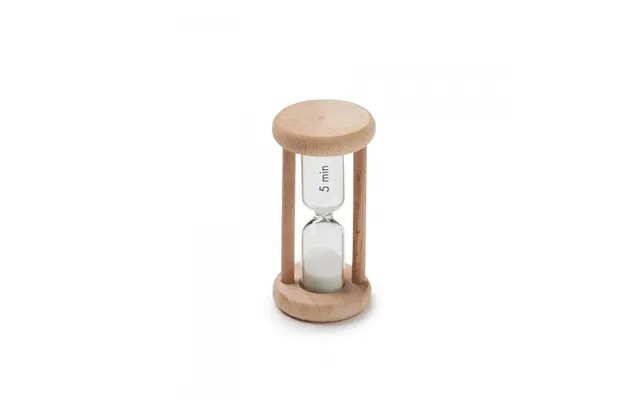
The Wooden Egg Timer - One Size from ecoLiving uses a traditional sand-timer design. It combines beech wood and glass, with grains of sand measuring approximately five minutes. Its straightforward design makes it easy to understand: turn it over, start the interval, and wait for the sand to run through.
This type of timer can suit anyone who enjoys a low-tech approach. There are no buttons, screens, or settings to navigate. You simply use the visual movement of the sand as your guide. That makes it appealing for quick tasks where a five-minute interval is enough.
The timer is described as a handy size for a kitchen shelf when it is not in use. Its listed size is approximately 3.9 inches, making it compact enough to keep near other kitchen tools without taking up much room.
The combination of wood and glass gives it a classic appearance that can blend into a kitchen setting. It may be a good fit if you want a timer that feels more like a countertop accessory than an electronic gadget. The product is also described as plastic-free and made in Europe, details that may matter to shoppers who prefer a more traditional material profile.
The Wooden Egg Timer should be hand-washed only. Since it contains glass and sand, careful handling is sensible. Keep it on a stable, dry surface, and turn it gently rather than treating it like a disposable kitchen item.
Its approximately five-minute interval may be useful for many food preparation situations. It is not designed as a flexible timer with multiple settings, so it works best when your task matches that interval. If you prefer a timer that can count up, count down, or display changing durations, a digital option may be more suitable.
Digital timers offer a different experience from a sand timer. Instead of watching grains move, you use an alarm and, depending on the design, a display or control button. Digital models can be especially convenient when you want a direct signal at the end of an interval.
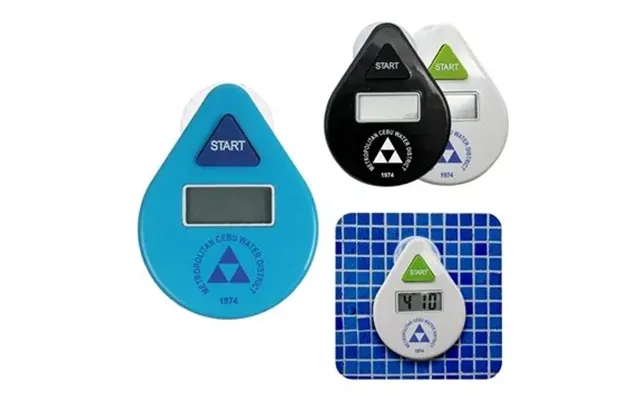
The reference data includes the 100 Custom Water Saver - Digital Timer & Waterproof. This product is described as a waterproof digital timer with a suction cup. It is designed to attach to a mirror, shower, or bathroom wall, but its five-minute alarm function may also be relevant to shoppers comparing compact timing tools for short intervals.
The waterproof description gives this timer a practical advantage in damp environments. The included suction cup is intended to help secure it to a smooth surface. That attachment style may appeal to people who prefer keeping a timer visible and within reach rather than placing it flat on a counter.
The product description states that you press the start button and an alarm sounds after five minutes. A battery is included and inserted, with a pull tab, using one AG10 battery. These details make the operation sound intentionally simple: start the timer, continue with your task, and listen for the alert.
Although the listing is described as a water saver and custom kitchenware item, the supplied information does not provide a broader list of kitchen functions. For that reason, it is best to view it specifically as a five-minute digital timer with waterproof positioning features rather than assume it has additional timing modes.
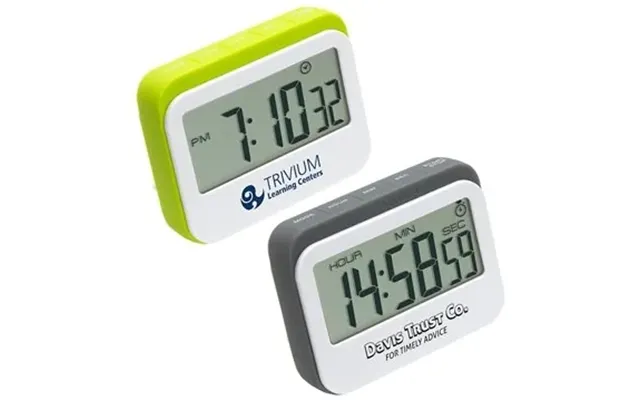
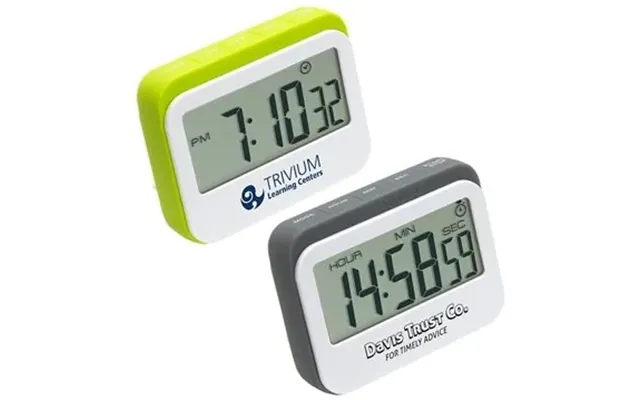
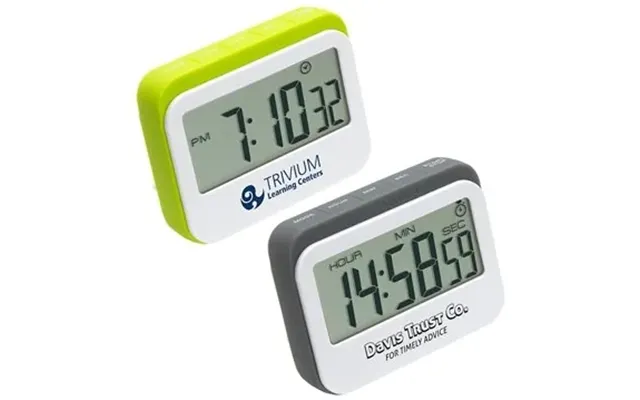
For cooks who want to see the remaining time at a glance, a large display can be helpful. The reference data includes two listings for the 30 Custom Soft Touch Widescreen Kitchen Timer Clock - Magnetic &. Both describe a magnetic, battery-powered timer with an extra-large display screen.
The timer includes countdown and count-up features, giving you more flexibility than a fixed-interval sand timer. Countdown mode can help when you know how long a task should take. Count-up mode can help you track elapsed time when you want to observe how long a process takes without setting a final limit.
This kitchen timer clock is described as having a magnet on the back and a pop-out easel stand. Those two placement options can make it easier to position the timer where you can see it. You might attach it to a suitable metal surface or use the stand on a counter.
Placement matters more than many people expect. A timer hidden behind a mixing bowl is easy to forget, while one positioned at eye level can become part of your cooking rhythm. The magnetic back and easel stand give you more than one way to keep the display visible.
The timer is powered by one AAA battery, which the listing says is inserted. A battery-powered design avoids the need for a power cord, leaving the timer free to move around the kitchen. That can be useful when you prepare food in different areas of the room.
Because the product has countdown and count-up functions, it may suit users who want more control than a single five-minute interval. You can use a countdown for a planned cooking step or count up to measure elapsed time during preparation. The extra-large display is also designed around quick visual checking, so you do not have to lean in close to read it.
Each product type in the reference data solves a slightly different timing problem. The Wooden Egg Timer focuses on simplicity and a fixed interval. The Digital Timer & Waterproof focuses on a five-minute alarm and moisture-friendly placement. The Widescreen Kitchen Timer Clock focuses on display visibility, countdown and count-up functions, and flexible positioning.
Which one fits you best? If you enjoy an analog object with no battery, the wooden timer may feel natural. If you want a quick alarm and a suction cup, the waterproof digital model may be worth examining. If you want to monitor time visually and switch between countdown and count-up modes, the widescreen timer offers the broadest set of stated timing features.
A fixed five-minute timer is easy to use because there is almost nothing to configure. That simplicity can be valuable when you repeat the same short task often. However, you may find it limiting if your recipes require several different intervals.
A countdown timer provides greater flexibility because you can select the duration needed for a particular step. A count-up function adds another layer by showing how much time has passed. Before choosing, consider your habits: do you usually repeat one short interval, or do you prepare dishes with many different timing requirements?
Start by thinking about visibility. If you cook while moving around the kitchen, a large display or a timer placed on a wall may be easier to monitor than a small object on the counter. The widescreen kitchen timer clock is specifically described with an extra-large display, while the waterproof digital timer uses a suction cup for surface placement.
Next, consider how you want to receive the alert. A sand timer gives you a visual endpoint when the grains finish moving. The digital options use an alarm. Some cooks prefer the quiet visual approach, while others want an audible reminder that they can hear while chopping or cleaning.
Then consider the surface where the timer will live. A magnetic back can be useful on a compatible metal surface. An easel stand can keep a timer upright on a counter. A suction cup is intended for smooth surfaces such as a mirror, shower, or bathroom wall, according to the listing.
The Wooden Egg Timer may appeal to shoppers who value beech wood, glass, and a plastic-free design. Its care requirement is clear: hand wash only. This means it deserves a little more attention than a product you might rinse casually.
The digital timers focus more on function and placement. One is described as waterproof, while the widescreen model is designed for magnetic or stand-supported positioning. Always match the product’s stated features to your intended use rather than assuming every kitchen timer has the same resistance, display, or care requirements.
The reference data shows several offers from different listings. The Wooden Egg Timer is listed with the ecoLiving brand and a price of $5.50 through Cerqular. The digital waterproof timer is listed through AmberPromos at $336.44, and its title begins with “100 Custom,” indicating that the listing is presented as a custom quantity offer.
The two widescreen kitchen timer clock entries are also listed through amberpromos. Both titles begin with “30 Custom,” and the supplied prices are $340.21 and $318.68. The descriptions identify the same model code, WKA-KT16, while the listed per-item figures shown in the descriptions are different.
Because these listings include custom quantities and offer-specific pricing, compare the title, description, quantity wording, and displayed price together. Do not assume that a listed total represents the price of one individual timer. The reference data presents the offers as supplied, so checking the complete listing is important before making a decision.
A timer can support more than one recipe step. Use a five-minute interval as a reminder to check a preparation task, monitor a short resting period, or return to an ingredient that needs attention. The important habit is to connect the alarm with a clear action: stir, inspect, remove, or begin the next stage.
For a countdown model, write down the task mentally before starting. For example, decide that the alarm means “check the pan” rather than simply “time is over.” This small mental link turns the timer into part of your workflow instead of a noise you dismiss automatically.
With a count-up feature, you can learn your own kitchen patterns. How long does a preparation step actually take? How much time passes before you return to a dish? Tracking elapsed time can help you build more reliable routines without depending entirely on memory.
The best cooking timer is the one that matches the way you work. The ecoLiving Wooden Egg Timer offers a compact, approximately five-minute sand interval with beech wood and glass construction. The 100 Custom Water Saver - Digital Timer & Waterproof offers a five-minute alarm, suction-cup placement, and an included AG10 battery. The 30 Custom Soft Touch Widescreen Kitchen Timer Clock listings add an extra-large display, countdown and count-up modes, a magnetic back, an easel stand, and AAA battery operation. By comparing the timing method, visibility, placement, care needs, and offer details, you can choose a tool that keeps your kitchen routine moving with less guesswork.