

Vacuum Sealers price list
Last updated Thursday, Oct 15, 2026




View 3 Offers
Loading...
Last updated Thursday, Oct 15, 2026
Keeping food fresher can feel like a daily puzzle. You buy ingredients, open a package, use part of it, and then wonder how to protect the rest. A vacuum sealer offers a simple way to package food by removing air before sealing the bag. Whether you want a compact appliance for occasional kitchen use or a more versatile machine for different food types, choosing the right design matters.
This guide explores three vacuum sealer offers listed on ZoneOffer, a comparison site that helps shoppers review available options. The selection includes the Yangzi Household Vacuum Sealer, a dry-and-wet dual-use sealing machine, and a portable household automatic sealer. Each product has a different emphasis, so the best choice depends on how you plan to preserve food and what features matter most in your kitchen.
A vacuum sealer is a kitchen appliance that packages food inside a suitable bag or pouch. The machine draws air from the package and then seals the opening. Think of it as creating a protective envelope around your food: less exposed air can help you organize stored ingredients and keep packages closed more securely than a simple fold or clip.
Vacuum sealing can be useful for a variety of household routines. You might package leftovers, divide ingredients into portions, or prepare food for storage. The appliance can also help reduce the bulk of loosely wrapped packages. However, a vacuum sealer is not a substitute for safe food handling. You should still follow appropriate storage practices for the food you are packaging.
One major benefit is organization. Once food is sealed in a neat package, your refrigerator, freezer, or pantry may feel less cluttered. Instead of balancing open bags and partially closed wrappers, you can create cleaner portions that are easier to stack or label.
Vacuum sealing may also make meal preparation more convenient. You can package ingredients in advance and have them ready when you need them. That can turn a busy evening into a simpler routine: open a prepared package, follow your normal cooking process, and spend less time dealing with loose packaging.
Another reason shoppers consider these appliances is flexibility. Some models focus on straightforward household sealing, while others are designed for both dry and wet foods. Your ideal machine is not necessarily the one with the longest feature list. It is the one that fits your actual habits.
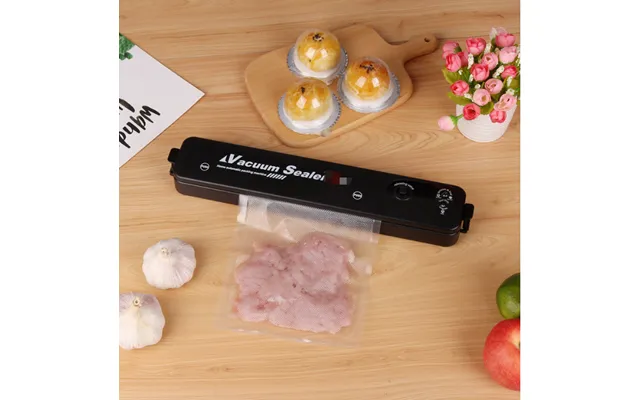
The Yangzi Household Vacuum Sealer is described in the reference data as a fully automatic food preservation and small plastic packaging machine. Its focus is clear: household food preservation in a compact packaging format.
This model may appeal to shoppers who want an automatic appliance for everyday kitchen tasks. At the listed price of $28.64, it is one of the options in this selection. The offer is listed through Voghion, and the reference data identifies the brand as Voghion.
When considering this machine, think about the kind of packaging routine you want to build. Do you need a tool for occasional leftovers, or are you planning to seal ingredients regularly? A fully automatic design may be attractive if you prefer a process that requires less manual effort.
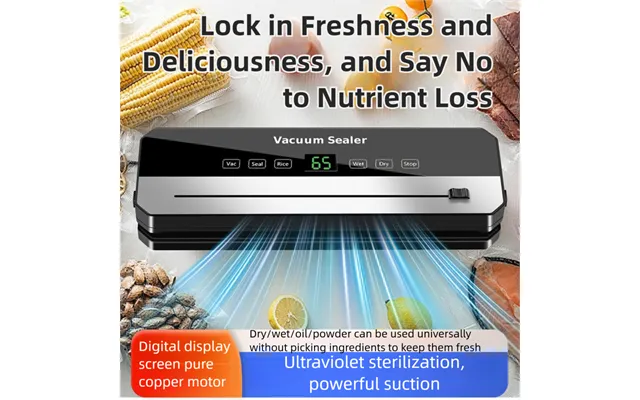
The second option is described as an integrated vacuum dry-and-wet dual-use food preservation household sterilization sealing machine. The key detail is its stated dry-and-wet functionality, which gives it a broader product description than a machine intended only for dry items.
This offer is listed at $40.87 through Voghion. Because the reference data specifically describes it as a dual-use machine, it may be worth considering if your kitchen routine includes different types of food and you want one appliance for more than one packaging situation.
Before choosing any dry-and-wet model, consider how often you package foods with moisture. A broader operating description can be useful, but your decision should still be based on your own needs, available storage space, and preferred workflow. The most versatile tool is only valuable when you will actually use that versatility.
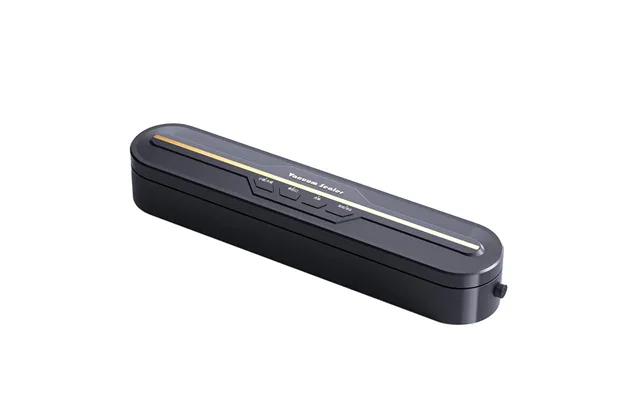
The third product is the Household Automatic Sealer, described as a portable kitchen preservation food vacuum packaging machine. Portability is the central idea in its description, making it a possible fit for shoppers who prefer a smaller or easier-to-move appliance.
This model is listed at $23.20 through Voghion. It is the lowest-priced option among the three offers in the reference data, although price alone does not determine which appliance is best for every kitchen.
A portable design can be appealing when counter space is limited or when you do not want an appliance permanently occupying your work surface. Ask yourself a practical question: will you store the sealer in a cabinet and bring it out when needed? If so, portability may be more important to you than additional functions.
Comparing vacuum sealers becomes easier when you separate the decision into a few simple categories. Start with the product’s stated purpose, then consider your food habits, storage arrangements, and budget. Rather than chasing every possible feature, picture the appliance in your kitchen on an ordinary day.
The Yangzi model emphasizes fully automatic household food preservation. The second machine highlights dry-and-wet use. The third emphasizes portability and automatic vacuum packaging. These descriptions offer useful starting points because they point to different priorities.
If you want a general household food preservation appliance, the Yangzi model may be the natural product to examine first. If you want a machine described for both dry and wet foods, the dual-use option stands out. If you expect to move or store the appliance frequently, the portable sealer deserves attention.
The three listed prices are $23.20 for the Household Automatic Sealer, $28.64 for the Yangzi Household Vacuum Sealer, and $40.87 for the dry-and-wet dual-use machine. These are the prices provided in the reference data, and they allow you to see the difference between the options at a glance.
The lowest listed price does not automatically make one model the best value. Value is more like a puzzle: price is one piece, while intended use and convenience are other pieces. If a particular function matches your routine, paying more may make sense. If you need only basic household packaging, a simpler option may be enough.
All three offers are described with automatic or fully automatic language, but their product descriptions emphasize different forms of convenience. The Yangzi model focuses on fully automatic preservation. The portable model focuses on easy placement and movement. The dual-use product focuses on handling dry and wet applications.
Try imagining your normal packaging session. Where will you use the machine? What foods will you package? Where will you store it afterward? These questions can reveal which description aligns most closely with your lifestyle.
Food texture and moisture can influence the kind of vacuum sealer you want to investigate. Dry foods are generally easier to package because loose moisture is not part of the sealing challenge. Foods with liquid or significant moisture may require a machine specifically described for wet use.
The dual-use offer is the only product in this selection explicitly described as suitable for both dry and wet food preservation. That makes its product description especially relevant for shoppers who want broader use. The other two offers are described more generally as household food preservation or vacuum packaging machines.
Even when a product description sounds versatile, it is wise to read the full listing before purchase. Check the product information for instructions about compatible bags, food preparation, and operation. The reference data does not provide detailed operating specifications, so those details should be confirmed in the individual listing.
Your available counter and cabinet space can shape your choice just as much as the machine’s purpose. A vacuum sealer should be easy enough to access that you will actually use it. An appliance hidden behind several other items may become more of a storage problem than a helpful kitchen tool.
The Household Automatic Sealer is described as portable, which may suit a kitchen where appliances need to be moved after use. The other offers are described as household machines, but the reference data does not provide their dimensions or weight. For that reason, you should not assume that one model will fit a particular cabinet or counter without checking its listing.
A practical workflow also matters. Keep appropriate bags nearby, leave room to prepare the package opening, and make sure the sealing area is clear. Small habits like these can make the process feel smooth instead of awkward.
Good packaging begins before the machine starts. Separate food into useful portions and remove anything that could interfere with the seal. If you are packaging leftovers, allow them to reach a suitable temperature for your intended storage method and follow safe food-handling guidance.
Portioning is particularly useful because it lets you open only what you need. Instead of sealing one large package and reopening it repeatedly, you can create several smaller packages. That approach can make meal planning easier and help keep the remaining portions closed.
A clean sealing area supports a more orderly routine. Food residue or moisture near the opening can make packaging more difficult, so take a moment to prepare the bag carefully. This is one of those small details that acts like oil in a machine: it helps the overall process run more smoothly.
Follow the instructions supplied with the chosen product. Since the reference data gives product descriptions but not complete operating manuals, specific techniques should be confirmed in the product listing or included instructions.
Once food is sealed, labeling can help you remember what is inside and when you packaged it. A clear label is especially useful when several packages look similar. It can turn a stack of mystery parcels into an organized food plan.
Labels also support better kitchen planning. You can quickly identify ingredients, choose the right package for a meal, and avoid opening several sealed items just to find one particular food.
One common mistake is choosing an appliance based only on its price. The $23.20 Household Automatic Sealer may be attractive for budget-conscious shoppers, but someone who specifically wants dry-and-wet functionality may prefer to investigate the $40.87 dual-use machine instead.
Another mistake is assuming that every vacuum sealer performs the same tasks in the same way. The three offers have different descriptions, and those differences are worth taking seriously. “Portable,” “fully automatic,” and “dry-and-wet dual-use” each suggest a different shopping priority.
It is also easy to overlook storage. Before buying, decide where the appliance will live and how often you expect to use it. A product that fits your routine is more valuable than one that sounds impressive but stays packed away.
The Yangzi Household Vacuum Sealer may be worth considering if your priority is a fully automatic household food preservation machine. Its listed price is $28.64, and its description centers on small plastic packaging and food preservation.
The dry-and-wet dual-use machine may suit shoppers who want the broadest stated application among these three products. Its listed price is $40.87, and its description specifically mentions both dry and wet food preservation.
The Household Automatic Sealer may be a practical starting point for shoppers who value portability and a lower listed price. It is priced at $23.20 in the reference data and is described as a portable kitchen food vacuum packaging machine.
Remember that these are comparison points, not a universal ranking. Your best choice depends on your own food habits, space, and preferred features. ZoneOffer lets you compare the listed options, while the final product details should be reviewed on the relevant offer page.
Comparison shopping helps you slow down and match a product to a real need. Instead of selecting the first appliance you see, you can review the product description, listed price, and main use side by side. That simple pause may help you avoid buying a machine that does not fit your routine.
In this selection, the prices range from $23.20 to $40.87, while the descriptions highlight automatic operation, portability, and dry-and-wet use. Those differences give you a useful framework for making a more informed decision.
ZoneOffer is a comparison site, not a store. Its role is to help you discover and compare offers. Product availability and other listing details can change, so review the current offer information before making a purchase decision.
Vacuum sealers can bring more order to food storage by creating closed packages for household preservation. The three featured options offer different starting points: the Yangzi Household Vacuum Sealer emphasizes fully automatic packaging, the dry-and-wet machine emphasizes broader food applications, and the Household Automatic Sealer emphasizes portability. With listed prices of $28.64, $40.87, and $23.20 respectively, you can compare their apparent priorities against your own kitchen routine. Choose the machine that fits the way you actually prepare, store, and organize food.