

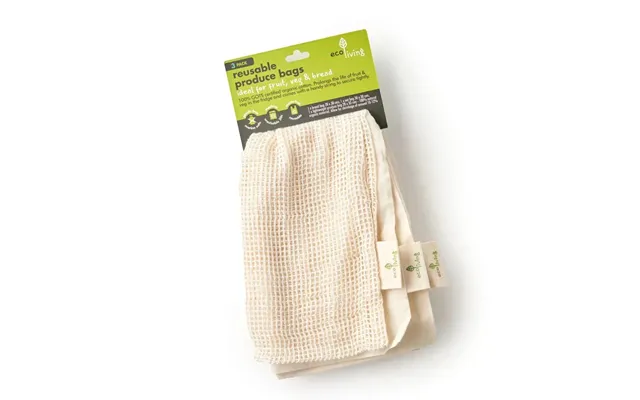
Bread Boxes & Bags price list
Last updated Wednesday, Oct 14, 2026
| Bread Boxes & Bags | Price |
|---|---|
| Organic Produce Bags & Bread Bag - 3 Pack | $7.00 |




Loading...
Last updated Wednesday, Oct 14, 2026
| Bread Boxes & Bags | Price |
|---|---|
| Organic Produce Bags & Bread Bag - 3 Pack | $7.00 |
Fresh bread has a short window of perfection. One day, the loaf is soft and fragrant; the next, it may feel dry, stale, or oddly chewy. The right bread storage solution can help you protect that texture while keeping your kitchen more organized. From reusable bread bags to traditional bread boxes and freezer-friendly habits, a few simple changes can make a noticeable difference.
This guide focuses on practical bread storage ideas for everyday US kitchens. It also takes a closer look at the Organic Produce Bags & Bread Bag - 3 Pack from ecoLiving, available through Cerqular and listed on ZoneOffer, a comparison site. Whether you bake at home, buy sliced bread, or simply want to waste less food, let’s explore how to store bread more thoughtfully.
Bread is sensitive to its surroundings. Too much air can dry it out, while excess moisture can leave the surface unpleasantly soft. Think of a loaf as a small sponge: it responds to humidity, temperature, and exposure. The goal is to create a stable environment that protects the inside without trapping too much moisture around the crust.
Good storage also helps you enjoy bread at its best instead of rushing to finish it. When a loaf remains pleasant for longer, you may be less likely to discard it simply because the texture has changed. That makes a suitable storage method useful for both daily convenience and more mindful food use.
The best storage approach depends on the type of bread and how quickly you plan to eat it. A crusty loaf usually benefits from some airflow, while soft sandwich bread often needs protection from drying. A reusable bread bag can offer a practical middle ground by keeping bread contained without treating it like a sealed container.
There is no single perfect method for every loaf. Your storage choice should match your bread’s texture, your kitchen conditions, and your eating routine. Do you finish a loaf in two days, or does it sit for a week? That question can guide your decision more than any one-size-fits-all rule.
Reusable bread bags are designed to give loaves a dedicated place in the kitchen. They can be especially helpful when you want something lighter and less bulky than a bread box. A bag may also be easier to store when it is not in use, since it does not take up the same counter space as a rigid container.
The Organic Produce Bags & Bread Bag - 3 Pack is a versatile option because the set includes one organic bread bag, one net bag, and one lightweight fruit and vegetable bag. The products are described as suitable for bread, fruit, and vegetables, giving the set more than one possible use in a kitchen routine.
The listed set contains three bags. One is identified as an organic bread bag, while the other two are a net bag and a lightweight fruit and vegetable bag. This arrangement may appeal to shoppers who prefer multipurpose kitchen accessories instead of buying separate storage products for every task.
The brand listed for the set is ecoLiving, and the store shown in the reference data is cerqular. The price provided is $7.00. ZoneOffer presents this information for comparison, so it is useful to review the listing details before making a purchase decision.
A bread bag works best when you use it as part of a simple routine. Allow bread to cool before placing it inside if you have baked it yourself. Warm bread releases moisture, and placing it in storage too soon can affect its texture. Once the loaf has cooled, put it into the bag and keep it in a dry area away from direct heat.
Try to avoid repeatedly opening and closing the bag without a reason. Every opening exposes the loaf to the surrounding air. That may not matter much during a quick breakfast, but frequent handling can gradually affect freshness. A small habit, such as taking out only the amount you plan to eat, can help reduce unnecessary exposure.
Where you keep the bag matters. A countertop spot away from the stove, oven, sink, and strong sunlight is generally more suitable than a warm or damp corner. Heat can change the texture of bread, while moisture may make the surface less appealing.
If your kitchen is crowded, choose a consistent storage location so everyone knows where the bread belongs. A dedicated place reduces the chance that the loaf will be left uncovered on a counter. It also makes a reusable bag easier to include in your normal routine rather than treating it as a special accessory.
Bread boxes and bread bags solve a similar problem, but they do it in different ways. A bread box is a rigid container that can create a defined storage area on the counter. A bread bag is flexible, lightweight, and often easier to move or put away. Which one feels right depends on your kitchen space and the kinds of bread you usually buy.
A bread box may suit households that keep several loaves or want a visible storage station. A bag may be more practical for a smaller kitchen or for shoppers who prefer compact items. Neither option automatically guarantees perfect freshness. The way you handle, position, and use the storage solution still matters.
Ask yourself a few simple questions. Do you have enough counter space for a box? Do you carry bread between rooms or take it to work? Do you want a storage product that can serve another purpose? The answers can help you choose without overcomplicating the decision.
The ecoLiving 3-pack may be appealing if flexibility matters to you. Alongside the bread bag, the set includes bags intended for fruit and vegetables. That means one purchase can support several everyday kitchen tasks rather than focusing on bread alone.
If you know you will not eat a loaf soon, freezing can be a useful way to preserve it for later. Before freezing, divide the bread into portions that match your usual needs. That way, you can remove only what you plan to use instead of repeatedly exposing the entire loaf to changes in temperature.
Use packaging that limits exposure to air and keep the loaf arranged neatly in the freezer. Labeling the package with the type of bread and the date can also make your freezer easier to manage. A little organization prevents the familiar mystery package from taking over the back of the freezer.
When you are ready to use frozen bread, allow the portion to thaw before serving or warming it. The exact experience can vary depending on the bread’s ingredients, thickness, and original texture. If the result is not quite what you expected, try adjusting the portion size or warming method the next time.
Freezing is most helpful when paired with a realistic eating plan. If you regularly buy more bread than your household can finish, freeze part of it early rather than waiting until it is already stale. The earlier you protect the loaf, the more useful the result is likely to be.
Reusable bags can help simplify a kitchen because they are easy to assign to different jobs. The Organic Produce Bags & Bread Bag - 3 Pack is described as suitable for bread, fruit, and vegetables, so you can build a straightforward system around the three pieces. For example, you might keep the bread bag in a pantry area and use the other bags during grocery preparation.
Keeping storage accessories clean and dry is important for any reusable kitchen product. Follow the care guidance provided with the product listing or packaging. Before using a bag again, make sure it is ready for the next item you plan to store. A clean storage routine is as important as the storage material itself.
Reusable products can be attractive to people who want to reduce their reliance on single-use storage items. Instead of reaching for a new disposable bag every time, you have a dedicated option for regular kitchen tasks. This can make your routine feel more intentional without requiring a complete kitchen makeover.
Still, the best reusable product is the one you actually use. Choose a location that makes the bags visible and convenient. If they are buried in a drawer behind rarely used items, they may never become part of your normal routine. Convenience is the bridge between a good idea and a lasting habit.
Different breads respond differently to storage. Soft sliced bread usually needs protection from drying, while crusty loaves often benefit from a storage method that does not trap excessive moisture. Dense breads may be easier to portion and freeze, especially if your household eats them slowly.
Pay attention to the signs your bread gives you. If the crust becomes too soft, the storage environment may be holding in more moisture than you want. If the interior dries quickly, the bread may need better protection from open air. Use those clues to adjust the bag, placement, or timing of your storage routine.
Freshly baked bread needs time to cool before storage. Cutting into it immediately can also affect the interior because the crumb may still be settling. Once the loaf has cooled, store it in a way that suits its crust and the time you expect it to remain in the kitchen.
If you bake more than your household can eat, consider dividing the loaf after cooling. Keep the portion you plan to eat soon in a bread bag or another suitable storage method, and prepare the rest for longer-term storage. This approach lets you enjoy fresh bread now while protecting the extra portion for later.
When comparing bread storage products, look beyond appearance. Consider the product’s intended use, the amount of bread you usually store, and whether you want one-purpose or multipurpose equipment. A compact reusable bag may be enough for one loaf, while a larger household may prefer a more structured storage setup.
It is also wise to review the listing information carefully. For the ecoLiving set, the reference data identifies the product as a three-pack and specifies the included bag types. It also lists cerqular as the store, a $7.00 price, and ecoLiving as the brand. These details give you a clear starting point for comparison.
Comparison shopping helps you understand what a product includes and whether it matches your needs. ZoneOffer is a comparison site, not a store, so it helps shoppers review available product information rather than selling the product directly. That distinction matters when you are checking details and deciding where to continue your shopping journey.
For a small kitchen accessory, the right choice is often the one that fits naturally into your life. A product can look useful on a screen, but its real value comes from how easily you can use it day after day. Think of storage as a habit, not just an object.
One common mistake is leaving bread exposed on the counter for long periods. Another is storing it near a heat source or in a place with frequent temperature changes. These habits can shorten the time bread remains enjoyable, even when the loaf was fresh to begin with.
People also sometimes store warm bread too soon. Trapped moisture can affect the outside and inside of the loaf. Give homemade bread time to cool, then choose a storage method that matches the bread rather than automatically sealing it in the tightest container available.
You do not need an elaborate system to improve bread storage. Start with one dedicated bag or container, choose a dry location, and create a simple habit for closing and putting away the loaf. If the bread still changes texture too quickly, adjust one factor at a time so you can see what helps.
Could moving the bread away from the stove solve the problem? Would storing smaller portions make your mornings easier? Asking practical questions like these turns bread storage into a manageable experiment rather than a frustrating guessing game.
Keeping bread fresh is mostly about matching the storage method to your routine. Reusable bread bags offer a flexible option, while bread boxes provide a more permanent countertop solution and freezing can help with longer-term planning. The Organic Produce Bags & Bread Bag - 3 Pack from ecoLiving includes one organic bread bag, one net bag, and one lightweight fruit and vegetable bag, with the listed price of $7.00 through cerqular. By comparing details on ZoneOffer and choosing a system you will actually use, you can make bread storage simpler, tidier, and more practical.