All categories
Business & Offices
Electronics & Media
Fashion & Accessories
Groceries & Essentials
Health & Personal Care
Home & Living
Kids & Family
Sports & Outdoors
Search in ZoneOffer

Loading...
If you've ever opened your fridge and found a sad container of limp greens or mystery leftovers, you know the pain of poor storage. Food storage accessories aren't just about pretty matching lids — they're tools that keep food fresher, cut down on waste, and save you money over time. Think of them as the small investments that pay off day after day: better-tasting meals, fewer trips to the store, and a refrigerator that actually looks inviting.
In this guide I’ll walk you through the essential items to consider, the practical differences between materials, and smart buying tips so you can find the best deals. Whether you’re a meal-prepping pro, a busy parent, or someone trying to reduce food waste, you’ll find accessible, real-world advice here to make your kitchen work for you.
Good food storage does three big things: it preserves freshness, reduces waste, and improves safety. When food is sealed properly, it resists bacteria, moisture, and freezer burn — meaning your leftovers actually taste like leftovers, not science experiments. The payoff is tangible: fewer spoiled groceries, fewer takeout meals, and more predictable meal planning.
Vacuum sealers remove air from bags or pouches, dramatically extending shelf life. For meats and bulk buys, vacuum sealing can add weeks in the fridge and months in the freezer. If you buy in bulk or like to freeze portions of meals, a compact countertop vacuum sealer is worth considering. Look for machines that work with both bags and rolls and offer moist/dry settings for versatility.
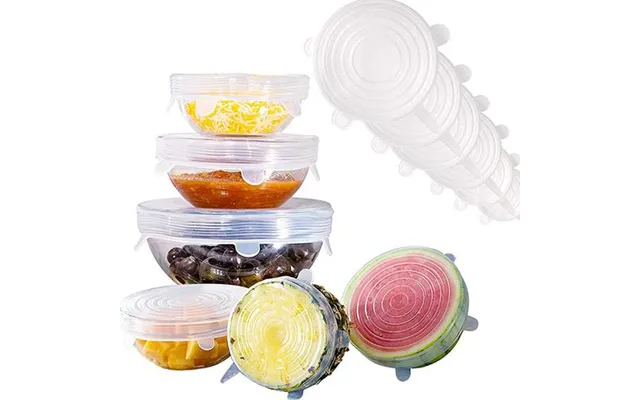
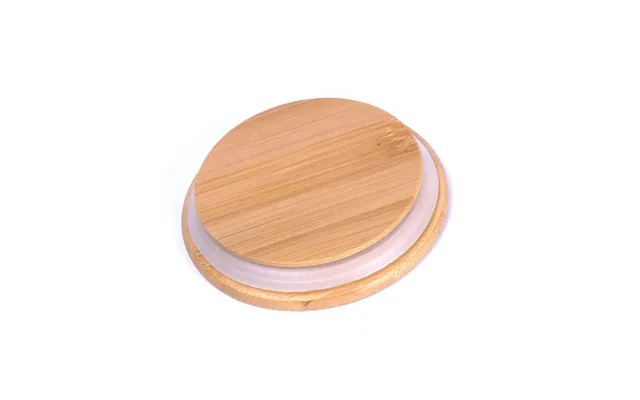
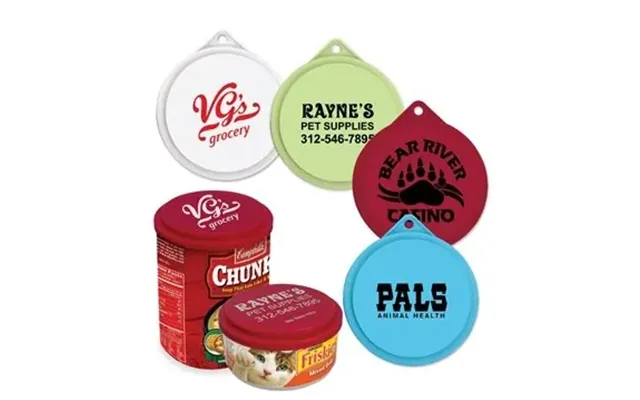
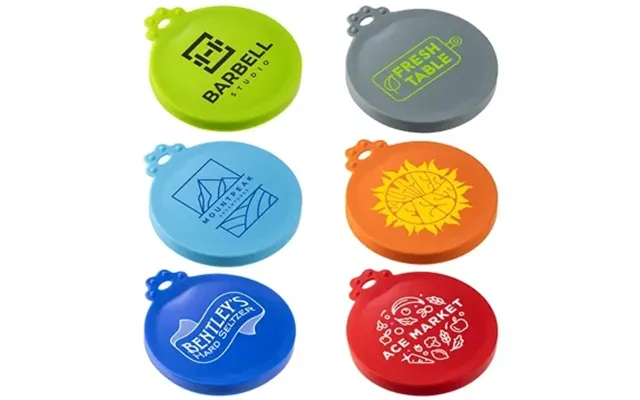
Silicone stretch lids are flexible covers that fit over bowls, cups, and odd-shaped containers — a lifesaver when you have half an onion or a sauce jar to preserve. They come in sets with multiple diameters and form an airtight seal that holds up in the fridge. They’re dishwasher-safe and often heat-resistant, so you can use them on a bowl in the microwave without a plastic film.
Glass containers are the gold standard for storing leftovers, meal prep, and pantry staples. They don’t stain, they don’t absorb odors, and they’re safe for reheating. Look for tempered borosilicate glass containers with airtight silicone seals — sizes that hold 1 to 8 cups are the most versatile. Glass might be heavier than plastic, but it’s durable and keeps food tasting true.
When weight and cost matter, high-quality BPA-free plastic containers are practical. Choose containers labeled microwave-safe and dishwasher-safe if you plan to reheat and clean them frequently. Snap-lock lids with silicone gaskets give a good seal; look for stackable designs that save shelf and fridge space.
Pantry bins, stackable tubs, and pull-out organizers convert chaotic shelves into neat, accessible zones. Use a couple of clear, labeled bins for snacks, another for baking supplies, and a shallow bin for single-serve items. Clear bins make it easier to see inventory, which helps prevent duplicate purchases and wasted food.
Heavy-duty freezer bags are a must for soups, stocks, and portioned meats. Choose thick, high-density bags that seal fully and are rated for freezer use to fend off freezer burn. Flat-freeze by laying bags flat in a single layer until solid, then stack to save space — this trick turns bulky bags into slim bricks you can store upright or in bins.
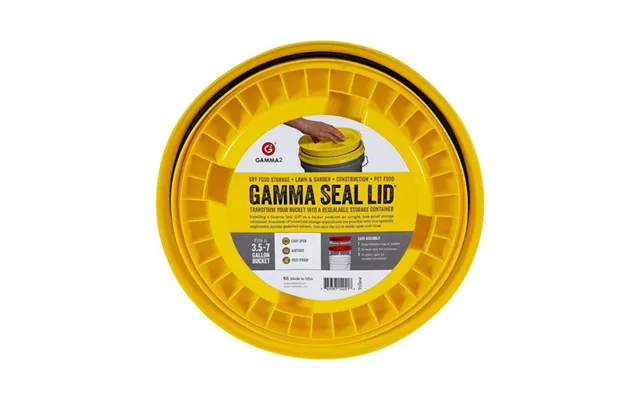
Mason jars are versatile for dry goods, salad dressings, pickles, and even final plating of layered salads. Wide-mouth jars are easier to fill and clean. For pantry staples like rice, beans, and flour, airtight canisters with lockable lids help keep pests out and moisture away, maintaining peak freshness for weeks to months.
Produce savers—containers or trays designed to keep humidity balanced—can double the life of berries, greens, and herbs. Ethylene absorbers or small pads that sit in a produce drawer can slow ripening for ethylene-sensitive items like avocados and apples. These simple accessories are especially helpful if you shop weekly and want to stretch produce life.
If you're into meal prepping, look for modular container sets that hold 1 to 3 cups per compartment so portions are predictable and microwave-friendly. Bento-style containers with dividers are great for balanced meals, while stackable 2- to 4-cup containers work well for full dinners or batch cooking.
Labeling is a small habit with big returns. A roll of waterproof labels and a fine-tip permanent marker help you date leftovers and track what’s in your freezer. For pantry rotation, use a clipboard or whiteboard on the inside of the pantry door with an inventory list — it’s the simplest hack for avoiding duplicate purchases.
Start by thinking about how you cook and shop. Buy in bulk? Prioritize vacuum sealers and heavy-duty freezer bags. Meal-prep fan? Invest in stackable glass containers with airtight lids in 2- to 4-cup sizes. Live alone? A set of small 1-cup containers and silicone lids will probably serve you well.
Pay attention to material specs: glass for longevity and flavor neutrality, silicone for flexibility and heat resistance, and BPA-free plastic for lightweight convenience. Check for freezer-safe ratings and microwave-safe labels — for example, choose containers rated to withstand common freezer temps down to 0°F or lower if you plan long-term freezing.
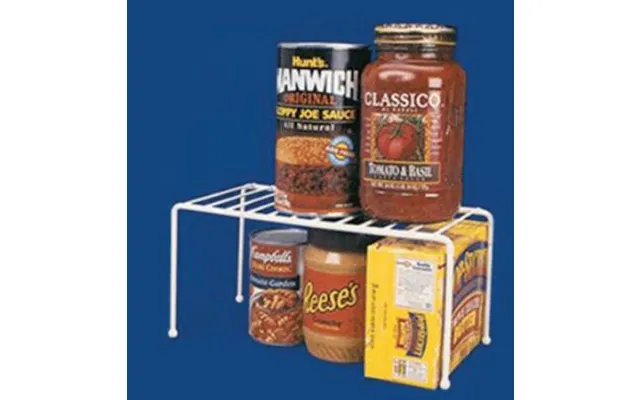
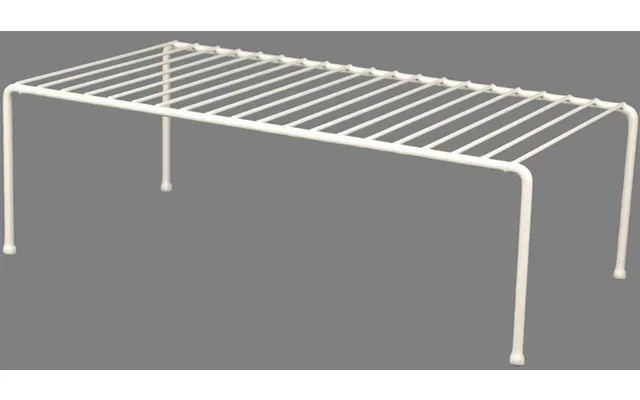
Think vertically: stackable containers and clear bins let you use all available space. Store lids separately in a lid organizer or a thin basket so they don’t clog up shelf space. Use risers inside cabinets to create double shelving for plates and shallow containers. For the freezer, freeze flat in zipper bags, then store upright like files to maximize space and visibility.
Group like with like: keep baking supplies together, snacks in one bin, and bulk meats in another. When everything has a home, you’re less likely to leave food to fester in the back of a shelf. Rotating a “first in, first out” system is as easy as labeling with dates and placing newer items behind older ones.
Proper cleaning extends the life of storage accessories. Glass and high-quality silicone are dishwasher-safe and tend to hold up well; plastic can warp if exposed to very high heat. For stubborn stains or odors, soak glass or silicone in warm water with a bit of baking soda. For plastic, a mixture of baking soda and water or a diluted vinegar soak helps lift smells.
Inspect seals and gaskets regularly. Broken or misshapen gaskets compromise airtightness and are often the reason containers fail. Replacing lids or gaskets is usually cheaper than tossing entire sets. Store containers dry and with lids off if you won’t use them for a while to prevent trapped moisture and mildew.
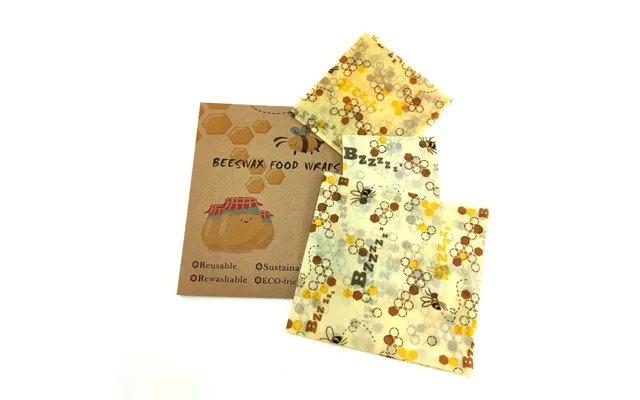
Reusable options like silicone lids, glass containers, and cloth produce bags reduce single-use waste and often pay for themselves over time. Buying bulk with a vacuum sealer or portioning items into reusable containers avoids frequent repurchase and trims grocery costs. Consider secondhand options for pantry organizers or mason jars — they’re durable and often available at a discount.
Also think long-term: higher-quality containers may cost more up front, but they’re less likely to warp, stain, or break, and they often have warranties that cover defects. When you factor in the money saved by avoiding wasted food and disposable wraps, the smarter buys start to look downright economical.
Deal-hunting is half the fun. Look for bundle packs that include a range of sizes, seasonal sales around major shopping holidays, and clearance sections for last-season items. Comparison sites and price-tracking tools let you monitor multiple retailers at once, so you can jump on a deep discount pronto.
When comparing offers, watch for shipping costs, return flexibility, and whether accessories like gasket replacements are sold separately. Product reviews and Q&A sections are invaluable — they tell you whether lids truly seal, whether the glass is thick enough to withstand drops, and whether the vacuum sealer performs well on raw meat versus dry goods.
A lean kit for one includes a set of 1- and 2-cup glass containers, a few silicone lids, a dozen heavy-duty freezer bags, and a small set of stackable pantry bins. This covers leftovers, snacks, and a little bulk without taking over the fridge.
For a family, scale up: 4- to 8-cup glass containers for family dinners, a medium vacuum sealer, multiple quart and gallon freezer bags, and several large airtight canisters for staples. Add stackable pantry bins and a label system to keep everyone on the same page.
Meal preppers should prioritize modular containers that stack neatly and fit in lunch bags or the fridge shelves. Portion-specific containers in 1- to 3-cup sizes, an efficient vacuum sealer for bulk meats, and a reliable set of silicone lids for mixing bowls will streamline a weekly prep routine.
Bakers need airtight canisters for flour and sugar, labeled mason jars for minor ingredients, and sizable glass containers for pre-measured doughs. If you buy large quantities, a heavy-duty vacuum sealer and a couple of large canisters with locking lids protect freshness and free up shelf space.
Before you buy, run through a quick checklist: is the container dishwasher- and microwave-safe, does it seal tightly, is it stackable, and does the size match how you cook and store? Also check reviews for long-term performance — a tiny upcharge for a well-reviewed set can save you headaches down the line.
Food storage accessories are simple tools with outsized benefits: they keep food fresh, cut waste, and make your kitchen more efficient. Prioritize airtight containers, versatile materials like glass and silicone, and space-saving organizers that match your cooking habits. With a few strategic buys and a little labeling discipline, you can transform a cluttered fridge into an orderly system that saves time, money, and stress. Ready to tidy up your kitchen and keep food fresher for longer? Start small, pick one or two items from this guide, and you’ll notice the difference right away.
| $ 36,85 |
| 12 Pack Reynolds Wrap Heavy Duty Aluminum Foil 18 Inch Width 75 Square Feet | $ 63,65 |