

Shoe Treatments & Dyes price list
Last updated Wednesday, Oct 14, 2026
| Shoe Treatments & Dyes | Price |
|---|---|
| Farnam - Leather New Deep Conditioner | $11.67 |
| 250 Custom Portofino Softy Gel - Rubberized Finish | $269.10 |




Loading...
Last updated Wednesday, Oct 14, 2026
| Shoe Treatments & Dyes | Price |
|---|---|
| Farnam - Leather New Deep Conditioner | $11.67 |
| 250 Custom Portofino Softy Gel - Rubberized Finish | $269.10 |
Well-loved shoes often tell a story. Scuffs, dryness, faded color, and stiff leather can appear after regular use, but that does not always mean it is time to replace your footwear. The right shoe treatment can help you clean, condition, refresh, or personalize different materials. In this guide, we’ll explore the shoe-care options shown in the reference data and explain how to think about treatments and dyes before choosing one.
Shoes face plenty of daily challenges. Walking, bending, moisture, dirt, and storage can gradually change the way footwear looks and feels. Leather may become dry or hard, while other materials may lose their original finish. A suitable treatment works a little like moisturizer for dry skin: it helps restore a more flexible feel while supporting the material’s appearance.
However, not every treatment is designed for every shoe. Leather, suede, canvas, rubber, and synthetic materials have different surfaces and care needs. Before applying anything, identify the shoe material and read the product directions carefully. A few minutes of preparation can help you avoid an uneven finish or an unwanted change in texture.
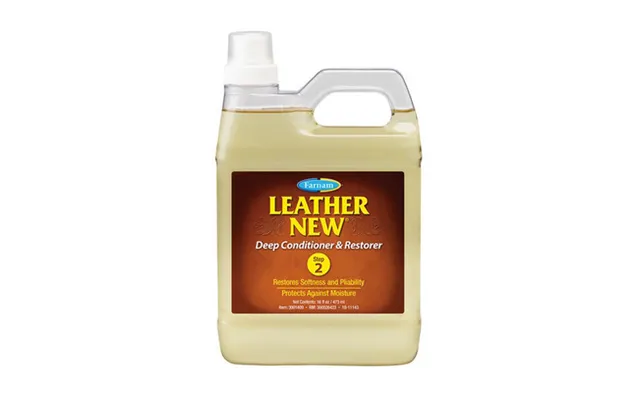
The Farnam Leather New Deep Conditioner is listed as a 16-ounce leather-conditioning product from Farnam. Its description says it is made with a blend of natural and synthetic oils intended to deep condition, soften, and restore old, dry, or hard leather.
This type of product may be useful when leather footwear feels stiff or lacks suppleness. Rather than simply sitting on the surface, the conditioner is described as absorbing into the leather fibers. The goal is to help the material regain a softer and more flexible feel while preserving its strength and usefulness.
The listing also states that the conditioner can be used on new leather to support faster break-in. That can be helpful when a new pair feels firm and needs time to become more comfortable. Still, every leather item can react differently, so testing a small, hidden area first is a sensible step.
The product description highlights several characteristics. It is intended to make leather soft and pliable, and it is described as leaving no greasy residue that could attract dirt. The listing also says it resists and inhibits mold and mildew, will not harm stitching, and will not rub off on clothing.
According to the provided information, the conditioner is non-irritating, non-toxic, and non-flammable. These details come from the product listing and should be considered alongside the label directions and any applicable safety information before use.
Deep conditioning may be worth considering when leather looks dull, feels dry, or has become less flexible. It can also be useful for older leather that needs help regaining a more comfortable texture. Think of dry leather like a worn wooden board: a suitable conditioner can help it feel less rigid, but it cannot erase every mark or repair serious structural damage.
Conditioning is also different from dyeing. A conditioner focuses mainly on feel, flexibility, and the condition of the leather. Dye is used to change or refresh color. If your shoes have both dryness and fading, you may need to consider each concern separately and follow a careful order of care.
The Farnam listing recommends using Leather New foam or Leather New saddle soap first. This indicates that cleaning should come before conditioning. Dirt and surface residue can interfere with even absorption, so applying conditioner to clean leather is an important part of the process.
After cleaning, the directions say to let the leather dry thoroughly. Avoid rushing this step. Applying a product while the surface is still damp may make it harder to judge how evenly the conditioner is being absorbed.
Once the leather is clean and dry, apply the conditioner according to the product directions. The listing explains that the leather will absorb what it needs to restore suppleness. Afterward, remove excess product rather than leaving a heavy layer on the surface.
Use a light, controlled application instead of soaking the footwear. A thin layer makes it easier to observe how the material responds. If more conditioning is needed, you can evaluate the result after the first application rather than applying too much at once.
Allow the footwear to rest after treatment. Keep it in a suitable place while the product settles, and avoid wearing it immediately if the surface still feels wet or overly coated. The exact drying time is not provided in the reference data, so follow the product label rather than guessing.
Good shoe care is less about using a large amount of product and more about using the right product at the right time. Start with clean footwear, apply treatment evenly, and remove excess. This approach can help you maintain a neat appearance without creating a heavy or sticky surface.
Pay attention to areas that bend frequently, such as the vamp and toe box. These parts may show dryness or creasing sooner than less-used sections. Even so, do not ignore the rest of the shoe. Uneven treatment can create differences in sheen or texture.
Conditioning should also be part of a broader care routine. Store shoes in a clean, dry environment, keep them away from unnecessary heat, and remove dirt before it becomes deeply embedded. Small habits can act like regular maintenance on a vehicle: they may help reduce the need for major restoration later.
Shoe dyes are generally used to refresh an existing color or create a new appearance. They are different from conditioners because they focus on pigmentation rather than softness. Before selecting a dye, consider the original color, the desired result, and the shoe’s material.
Leather dye may behave differently from a product intended for fabric or synthetic surfaces. Suede and nubuck also have distinctive textures that can change if the wrong product is applied. Always check that the dye is suitable for the specific material and follow the instructions supplied with the product.
Preparation is one of the most important parts of any dye project. Shoes should generally be clean and free from surface buildup before coloring. Existing polish, dirt, grease, or conditioner may prevent the dye from taking evenly.
Use a hidden test area whenever possible. A small test can show whether the color develops as expected and whether the material reacts in an undesirable way. This is especially useful when working with valuable, delicate, or sentimental footwear.
Protect the surrounding work area and use careful, even application. Dyeing can be less forgiving than conditioning because uneven coverage may be visible once the color dries. Take your time, and allow each layer to develop before deciding whether another is needed.
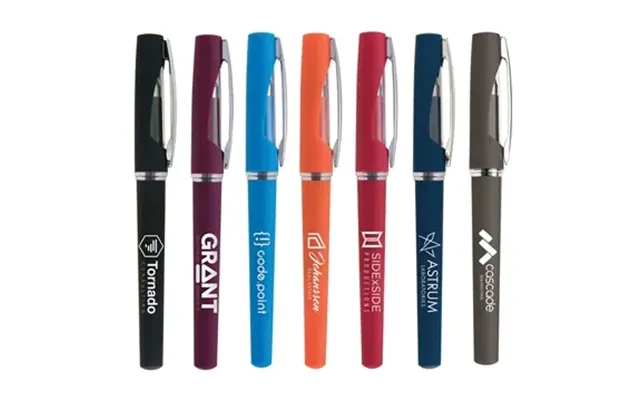
The reference data also includes a listing titled “250 Custom Portofino Softy Gel - Rubberized Finish.” Its description identifies it as a plastic gel ink pen with a rubberized soft-touch finish, a cap with a partial-view clear plastic window, chrome ring accents, and matching cap and barrel colors available in vibrant hues.
Although this item appears in the supplied category data, the description presents it as a pen rather than a shoe treatment or dye. It should therefore not be treated as footwear-care equipment. This is a useful reminder to review product details carefully instead of assuming that every item displayed alongside a category is suitable for the same purpose.
The Farnam Leather New Deep Conditioner is the clearly relevant shoe-care option in the supplied data. It is listed under the Farnam brand, offered in a 16-ounce size, and shown at $10.59 from Peta2z. Its stated purpose is leather conditioning and restoration.
The Portofino Softy Gel listing is shown at $269.10 from AmberPromos and describes a quantity of 250 pens. Because its description concerns writing instruments, it does not serve as a direct alternative to the leather conditioner. Comparing products by their intended use is just as important as comparing price or packaging.
ZoneOffer is a comparison site, not a store. Product details, pricing, and listings can change, so use the information shown for comparison and review the current listing before making a purchase decision. The reference data does not provide a regular price for either listed item, so no discount comparison can be confirmed.
Start by asking what your footwear actually needs. Is the leather dry and stiff? A conditioner may be the more relevant choice. Is the color faded or no longer appealing? A suitable dye may be worth researching. Are you dealing with suede, synthetic material, or a coated finish? Look for care guidance made for that specific surface.
It also helps to consider the condition of the shoe. A treatment can improve appearance and feel, but it is not a substitute for repairing a broken sole, damaged stitching, or severe material deterioration. If the shoe has structural problems, cosmetic care alone may not solve the underlying issue.
Before choosing a product, check its intended material, size, instructions, and safety information. Confirm whether it is meant for footwear and whether it is designed for the finish on your shoes. For the Farnam conditioner, the supplied description specifically discusses leather, including old, dry, hard leather and new leather.
It is also wise to consider how often you expect to use the product. A 16-ounce container may suit someone caring for multiple leather items, while another person may prefer a smaller amount. The reference data confirms the listed size but does not state how many pairs it will treat, so usage will depend on application habits and the condition of the leather.
One common mistake is applying conditioner over heavy dirt. Cleaning first can help the treatment reach the leather more evenly. Another is using too much product. Excess conditioner may leave an unwanted surface feel, even when the product itself is designed not to leave a greasy residue.
Skipping a test area is another avoidable error. Materials can vary, and an attractive result on one pair may not look the same on another. Testing helps you make a smaller, safer decision before treating the entire shoe.
Finally, do not confuse every soft-touch or colored product with a shoe-care product. The Portofino listing demonstrates why reading the complete description matters. Product names can sound appealing, but the intended use is the deciding factor.
A simple routine can keep footwear looking more presentable. Remove surface dirt regularly, clean materials with appropriate products, and condition leather when it begins to feel dry or stiff. If color needs attention, research a compatible dye and prepare the surface carefully before applying it.
Take a patient approach. Shoe care is more like gardening than quick cleaning: steady attention usually produces better results than one rushed effort. Give treatments time to absorb or dry, inspect the finish under good light, and make adjustments gradually.
The supplied listings show why matching a product to its intended purpose matters. Farnam Leather New Deep Conditioner is presented as a 16-ounce treatment for softening, conditioning, and restoring leather, with directions that emphasize cleaning first, drying thoroughly, applying the conditioner, and removing excess. The Portofino Softy Gel listing describes pens rather than shoe-care supplies, so it should not be considered a footwear treatment. By identifying your shoe material, defining the problem, and checking product instructions carefully, you can make a more informed comparison through ZoneOffer.