

Humidifier Filters price list
Last updated Saturday, Nov 28, 2026



View 9 Offers
Loading...
Last updated Saturday, Nov 28, 2026
Choosing the right humidifier filter can feel like matching the right key to a lock. The filter may look simple, but compatibility, material, cleaning needs, and intended use all matter. A good match can help your equipment operate as intended, while the wrong one may not fit or provide the filtration your device requires.
This guide explores the humidifier filters and related respiratory accessories listed in the reference data. The selection includes reusable foam filters, pollen filters, heat moisture exchangers, replacement filter packs, and specialized HME products. Because these items are designed for different machines and applications, the smartest approach is to compare the product details with your equipment before buying.
Filters act as a protective barrier between airborne particles and the equipment or airflow system. In the listed products, foam and pollen filters are associated with devices such as DreamStation, Remstar, IntelliPAP, and other CPAP systems. Some are reusable, allowing you to clean and use them again rather than replacing them after one use.
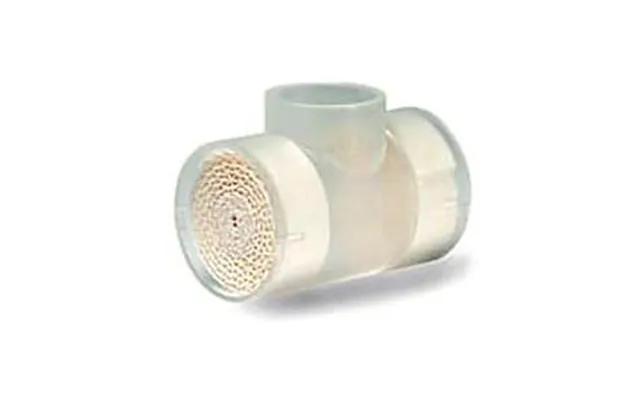
Other products in the selection are heat moisture exchangers, often called HMEs. These devices are designed to help heat and moisturize inhaled air. The Provox XtraHME description explains that an HME can act somewhat like an artificial nose by capturing heat and moisture during exhalation. That function is different from a basic machine filter, so shoppers should not treat every item in this category as interchangeable.
Think of a filter as a screen and an HME as a climate-control layer. Both influence airflow, but they solve different problems. Identifying which role you need is the first step toward a sensible purchase.
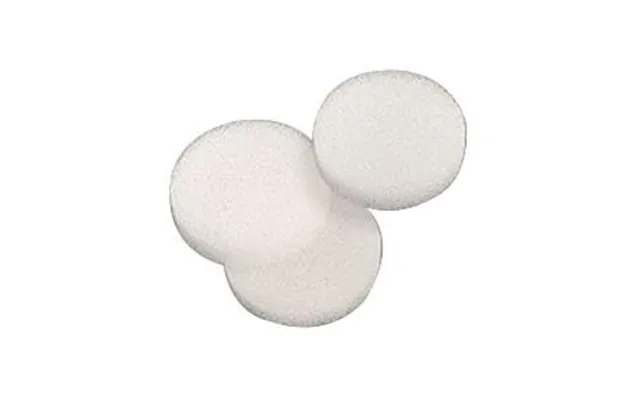
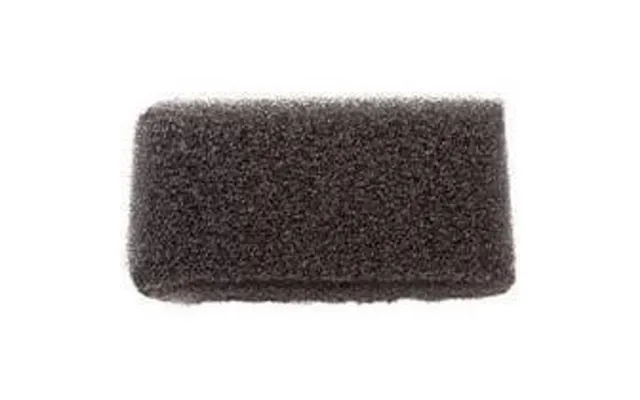
Reusable foam filters appear frequently in the product selection. Examples include the Reusable Foam Filter for PR System One RemStar, the Roscoe DreamStation Reusable Filter, and the Sunset DreamStation Foam CPAP Filter. These products are intended for specific equipment families, so the model name is an important part of the buying decision.
The Sunset DreamStation foam filter is described as dark blue, reusable, and compatible with DreamStation equipment. The Spirit Medical pollen filter for Respironics DreamStation CPAP is also reusable. Its description states that the filter should be cleaned every two weeks and replaced every six months or as needed. Those care instructions apply to that listed product and should not automatically be applied to every reusable filter.
Reusable foam filters can be appealing when you want a product designed for repeated use. However, repeated use does not mean unlimited use. Foam can collect dust and particles, and a visibly worn or damaged filter should not be treated as serviceable simply because it is washable.
The reference data includes several options connected with DreamStation equipment. Alongside the Sunset reusable foam filter, there is a DreamStation Reusable Pollen Filter listed at $7.83, with a regular price of $8.48. The Spirit Medical DreamStation pollen filter is listed at $1.17, compared with a regular price of $1.84.
These products may look similar at a glance, but product descriptions and model references can differ. Before comparing prices, check whether the filter is foam, whether it is reusable, and whether the listed compatibility matches your particular DreamStation setup.
For RemStar and PR System One equipment, the selection includes several reusable foam and pollen filters. The Reusable Foam Filter for PR System One RemStar is listed at $3.94. The Spirit Medical PR System One M Series Reusable Pollen Filter is listed at $0.34, while the Spirit Medical RemStar Reusable Foam Filter is also listed at $0.34.
There is also an Ag Industries RemStar M Foam Filter listed at $0.37 and a Foam Filter for RemStar Pro M Series priced at $0.59. These products demonstrate why model information matters. “RemStar” alone may not be enough to determine the correct fit, especially when the listing includes a series or model designation.
Shoppers with Devilbiss IntelliPAP equipment can compare the Reusable Foam Filter measuring 1 3/16 by 1 5/8 inches. Its listing specifically identifies compatibility with Devilbiss IntelliPAP and shows a price of $1.17. That model reference is more useful than appearance alone because filters from different devices may have similar shapes but different dimensions.
The Spirit Medical IntelliPAP Ultra Fine Filter is another option. It is described as a gray, reusable IntelliPAP foam pollen filter and is listed at $0.26. If you are comparing these two products, look closely at the wording, size, and intended device rather than assuming that every IntelliPAP filter offers the same fit.
A small price difference may be less important than avoiding an incorrect purchase. A filter that does not sit securely may not perform as intended, and returning to the compatibility question can save time and frustration.
Heat moisture exchangers are a distinct group within the selection. The listed HME products include the Provox XtraFlow HME, Provox XtraMoist HME, Provox Micron HME, TracheoLife Filter HME, and several HME products with foam or paper filters.
The Provox XtraFlow HME is described for use after a total laryngectomy, when breathing takes place through a stoma. Its description says the product helps heat and moisturize inhaled air and may support easier breathing, less coughing, and reduced mucus production. The Provox XtraMoist HME is also listed at $258.20, with a regular price of $286.29.
These are specialized respiratory products rather than ordinary household humidifier accessories. If you are considering an HME, the intended application and device compatibility should take priority over price or general appearance.
The Provox Micron HME is listed at $146.69. Its description identifies it as an HME combined with an electrostatic bacterial and viral filter. It is designed to be worn in front of the tracheostoma and is described as compatible with the Provox system, including certain Provox attachment devices.
The same description highlights features such as airflow from the side, an oval outer shape, and an occlusion function for voicing. These details may matter to users who already use a Provox system and are comparing specialized HME formats.
Because the Provox products serve a specific respiratory application, shoppers should confirm suitability with their established care plan or equipment instructions. A general CPAP filter should not be substituted for a specialized HME.
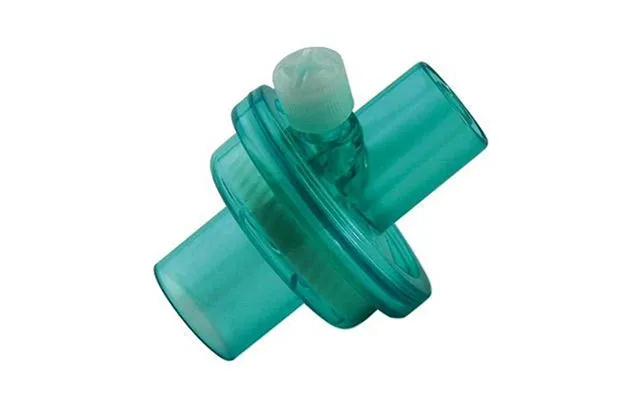
The selection includes a Heat Moisture Exchanger with Paper Filter and O2 Port for $2.42, as well as a Heat Moisture Exchanger with Foam Filter and O2 Port for the same price. There is also a TracheoLife Filter HME with a built-in oxygen port listed at $5.25 per case.
The difference between paper and foam filtration may be important depending on the intended system. However, the reference data does not provide a universal performance comparison between these materials. Treat the filter type and oxygen-port design as product-selection details to verify against your equipment requirements.
Filter material can help you understand what a product is designed to do. Foam filters appear throughout the listings and are often described as reusable. Pollen filters are intended to help address larger airborne irritants, with one DreamStation description specifically mentioning dust, pollen, and tobacco smoke particles.
The Heat Moisture Exchanger with Paper Filter and O2 Port uses paper as its named filter material. The Provox Micron HME uses an electrostatic filter, and its description discusses charged particles, including bacteria, viruses, dust, and pollen. These descriptions belong to the individual products and should not be generalized to every filter made from the same material.
Material is only one piece of the puzzle. Fit, device compatibility, maintenance instructions, and whether the filter is reusable or disposable all deserve equal attention. It is a little like choosing a window screen: the mesh matters, but the frame must fit too.
Not every product in the selection is reusable. The Replacement Proximal Ventilator Inline Filter for HT50 is identified as disposable and listed at $7.72 each. Disposable products are designed for replacement rather than routine washing and reuse, so their care approach differs from reusable foam filters.
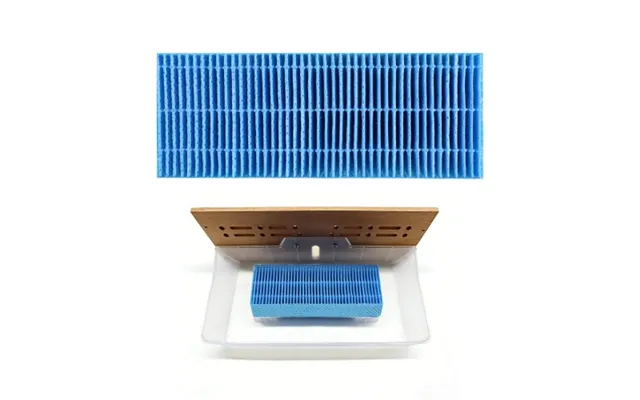
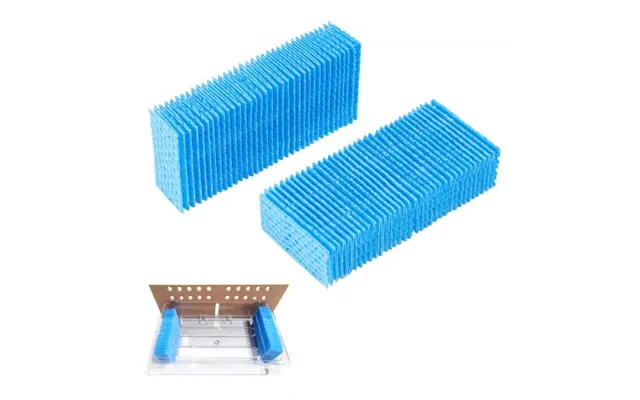
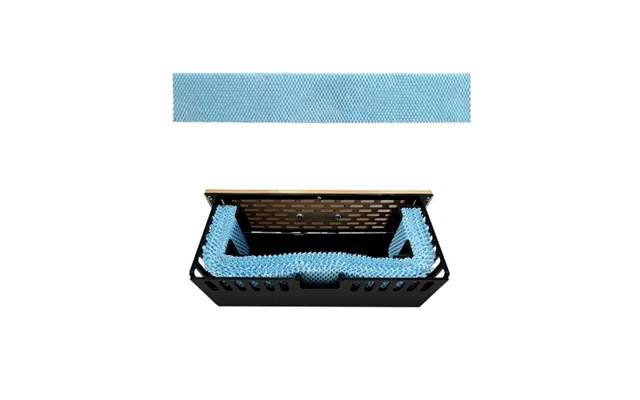
The InHealth Tech ATSV II Humidifilter Replacement Foam Filter is listed as a pack of 30 for $28.41. Its description states that the replacement foam filters fit only with the ATSV II Humidifilter cap. That compatibility limitation is especially important because the larger package could otherwise seem attractive to shoppers looking for general replacement foam.
Pack quantity can change how you evaluate value. A single filter may have a lower upfront cost, while a multipack may make sense if the product is used regularly and the equipment specifically requires it. Always confirm that the package format matches your actual need.
The listed prices range from $0.26 for the Spirit Medical IntelliPAP Ultra Fine Filter to $258.20 for both the Provox XtraFlow HME and Provox XtraMoist HME. This broad range reflects different product categories, designs, and intended uses rather than a simple quality ranking.
Several basic reusable filters are listed below $2, including the Spirit Medical filters for IntelliPAP, PR System One M Series, and RemStar. Other filters include the Air Inlet Foam Filter at $0.56, the Reusable Foam Filter for Devilbiss IntelliPAP at $1.17, and the Sunset DreamStation Foam CPAP Filter at $1.51.
The Provox Micron HME is listed at $146.69, while the two Provox products priced at $258.20 also show a regular price of $286.29. The DreamStation Reusable Pollen Filter is listed at $7.83 against a regular price of $8.48, and the Spirit Medical DreamStation filter is listed at $1.17 against a regular price of $1.84.
ZoneOffer is a comparison site, not a store. The listed offers are associated with Alldiabetic, and shoppers should review the current listing details before making a decision. Prices and offer information can change, so use the comparison as a starting point rather than assuming that every detail remains permanent.
Start with the equipment name and model. Search the listing for terms such as DreamStation, RemStar, PR System One, M Series, IntelliPAP, ATSV II, or HT50. If the product description identifies a specific machine, do not assume compatibility with a similar-looking device.
Next, identify the filter style. Do you need a reusable foam filter, a pollen filter, a disposable inline filter, or an HME? These terms describe different product types and maintenance expectations.
Then check the package format. Most entries are listed as “Each,” but the InHealth replacement filters are sold as a package of 30, and the TracheoLife product is listed as a case. A package label can affect both the practical value and the amount of storage you need.
Finally, compare the product description with your equipment instructions. If oxygen ports, tracheostoma use, or a specialized HME system are involved, compatibility becomes even more important. When in doubt, rely on the device manufacturer’s instructions or qualified medical guidance rather than guessing.
Reusable filters require regular attention. The Spirit Medical DreamStation listing specifically says the filter should be cleaned every two weeks and replaced every six months or as needed. That schedule should be understood as guidance for that product, not a universal rule for every reusable filter.
Inspect a reusable filter for visible damage, deformation, or heavy buildup. A filter that no longer looks intact may not be suitable for continued use. Avoid treating a washable product as permanent equipment; reusable means it can be used again under the stated care conditions, not that it lasts forever.
Keep replacement filters organized by device. If you own more than one machine, storing filters in labeled containers can prevent an easy mix-up. It is a small habit, but it works like putting the right tool back in the right drawer.
One common mistake is buying by price alone. A $0.26 filter may look like the obvious bargain, but it may be intended for IntelliPAP equipment rather than your device. The cheapest option is useful only when it is the correct option.
Another mistake is confusing an HME with a standard CPAP or humidifier filter. The products serve different purposes and may be designed for different respiratory systems. Read the complete product name and description before comparing them side by side.
Shoppers also sometimes overlook measurements. The reusable Devilbiss IntelliPAP filter is identified by dimensions of 1 3/16 by 1 5/8 inches, while the Sunset M Series pollen filter is listed as 1 5/8 by 7/8 inches. Even small differences can matter when a filter must fit a particular housing.
The best humidifier filter or respiratory accessory is not necessarily the most expensive or the cheapest. It is the one that matches your equipment, filter type, maintenance expectations, and intended use. The reference selection includes affordable reusable foam filters, DreamStation and RemStar options, specialized IntelliPAP products, disposable ventilator filters, multipacks, and advanced Provox HMEs.
Use the device name as your anchor, confirm the format and dimensions, and read the product description carefully. By comparing those details through ZoneOffer, you can narrow a wide selection into a more manageable shortlist. When the match is right, choosing a filter becomes less like guesswork and more like following a clear map.