


Heating Radiator Accessories - Other price list
Last updated Thursday, Nov 12, 2026
View 12 Offers
Loading...
Last updated Thursday, Nov 12, 2026
A comfortable home is not only about turning the heat higher. The right radiator accessories can help you manage room temperature, coordinate heating zones, and make everyday heating easier to control. From smart thermostatic radiator valves to floor-heating thermostats and electric actuators, the products in this comparison offer several ways to improve a heating setup.
ZoneOffer is a comparison site, so it does not sell these products directly. Instead, it helps you review listed options from the supplied data, including products available through Alibaba. Prices shown here are the listed prices in the reference data and may change. Think of this guide as a map: it can help you understand the landscape before you decide which type of accessory fits your system.
A radiator or underfloor heating system can provide warmth, but control is what makes that warmth practical. Without suitable controls, a room may become too hot, too cold, or difficult to adjust. Accessories such as thermostatic valves and room thermostats act like the steering wheel of a heating system.
They can help you set a preferred temperature, schedule heating periods, or manage different parts of a property. That matters in bedrooms, offices, hotels, apartments, and shared spaces where every room may not need the same level of warmth.
Some accessories are designed for direct temperature control, while others help connect multiple heating components. Before choosing one, consider whether you need a radiator valve, a room thermostat, a wiring hub, or an actuator for underfloor heating.
Smart thermostatic radiator valves are designed to give more precise control over individual radiators. Instead of treating the entire property as one large space, a valve can help you manage heating room by room. This approach may be useful when a living room, bedroom, and home office all have different comfort preferences.
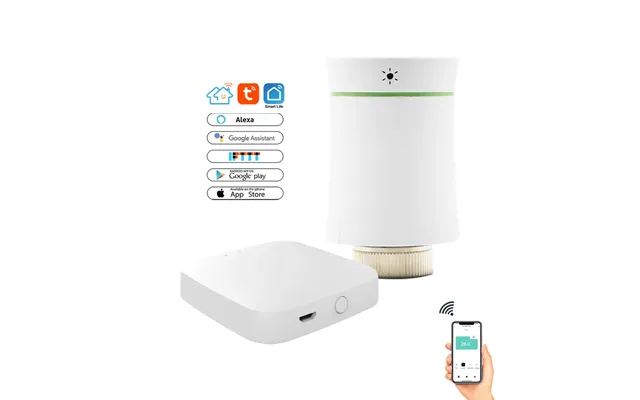
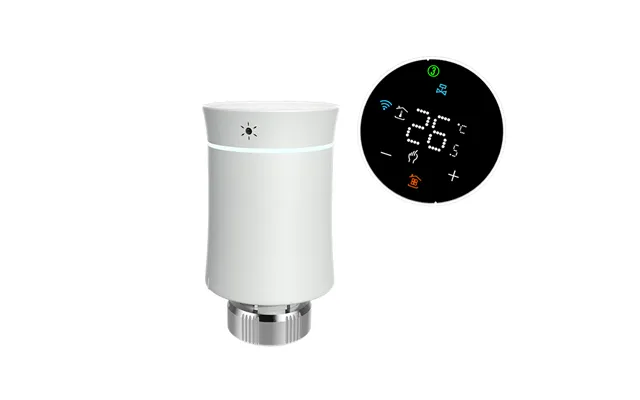
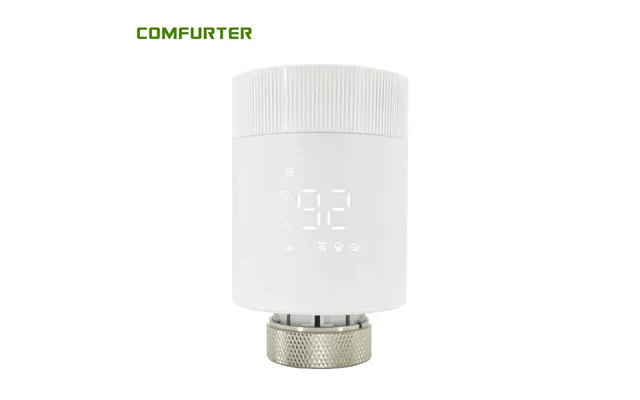
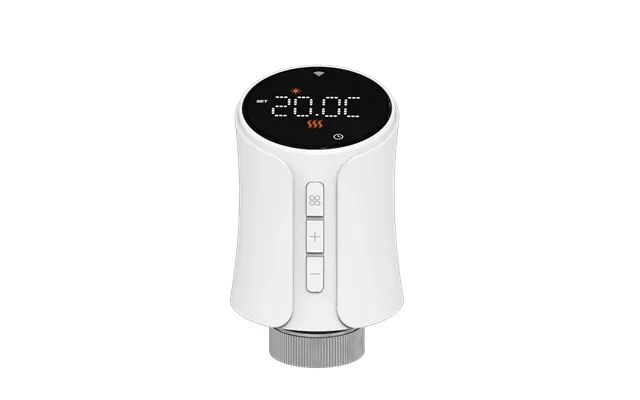
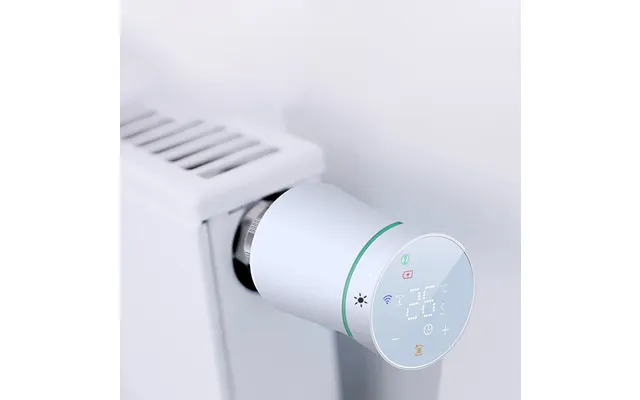
The Beca BRT-100 Tuya Zigbee smart TRV is listed as a programmable automatic heating thermostat with a modern design and hotel-use positioning. Its listed price is $37.00. Because the product references Tuya Zigbee technology, shoppers interested in connected-home equipment may want to explore whether it fits their existing smart-home setup before purchasing.
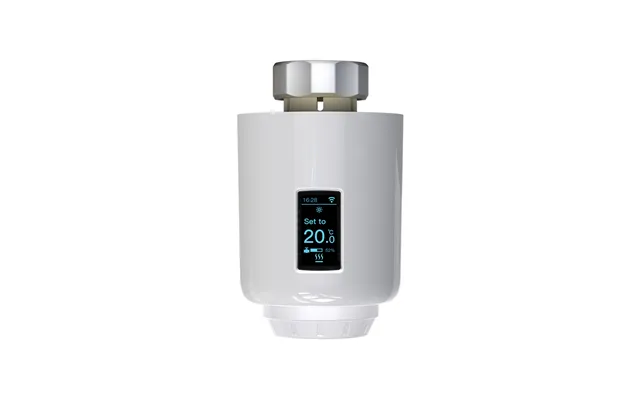
Another option is the smart thermostatic radiator valve with an ultra-low-power OLED screen. The listing describes it as weekly programmable and compatible with Tuya Bluetooth. Its listed price is $16.20. The screen may be useful for people who prefer to see settings directly on the device rather than rely entirely on another controller.
A smart valve may be worth considering if you want heating control at the radiator itself. Weekly programming can be helpful when your routine follows a pattern, such as warming a room in the morning and evening while reducing heat during sleeping hours.
Connected control can also appeal to apartment occupants, hotel operators, or households with several separately used rooms. However, compatibility is important. Check the valve connection, control platform, heating system, and installation requirements before treating a smart feature as a guaranteed benefit.
Room thermostats monitor the temperature in a space and control heating according to the selected setting. They can be especially relevant to electric heating and warm-floor systems, where a central control point may be more practical than adjusting each heating element separately.
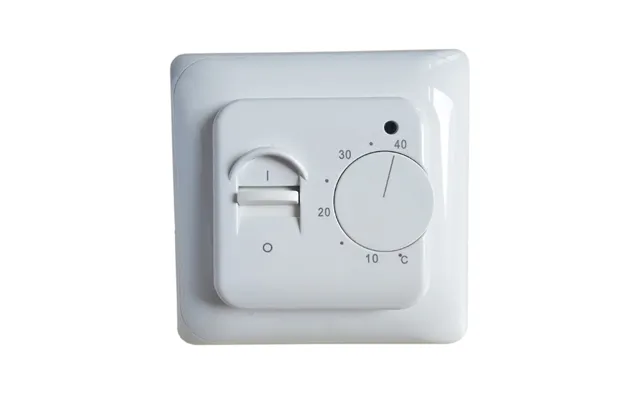
The 220-volt, 16-amp manual electric floor-heating room thermostat is listed as a warm-floor temperature controller. Its listed price is $1.99, making it the lowest-priced option in the supplied data. The listing presents it as a manual controller, so it may suit shoppers who want straightforward operation rather than connected scheduling.
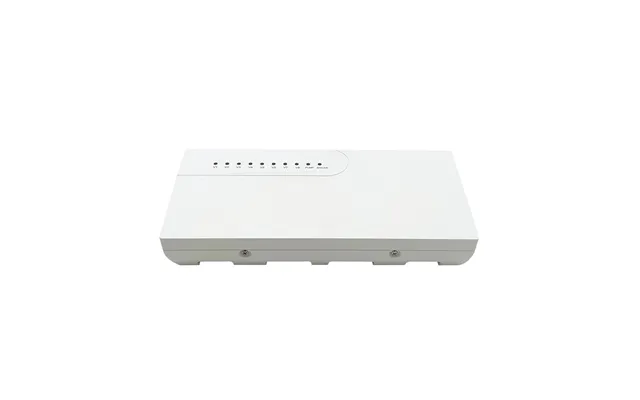
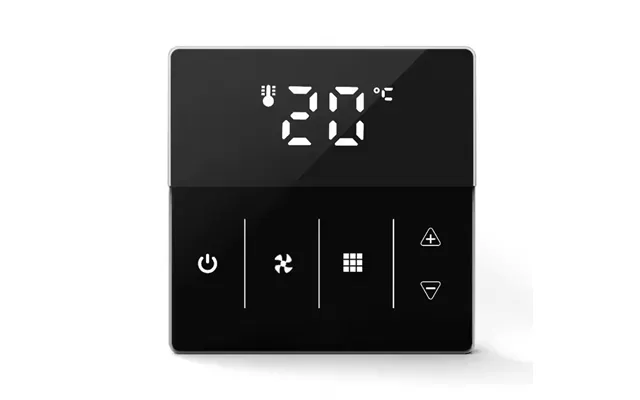
The HY525 water floor-heating system smart Wi-Fi thermostat is described as a central-heating wiring-centre hub controller for actuators. Its listed price is $8.44. This type of product is more focused on coordinating components in a floor-heating system than simply adjusting a single radiator.
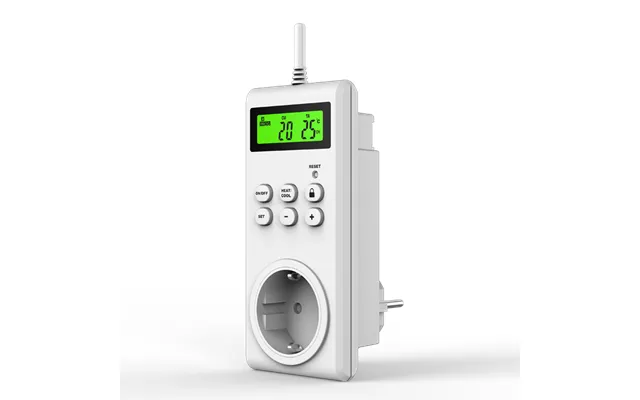
There is also a digital room thermostat described as a temperature controller for a home electric heater. The listing highlights electricity-bill savings, and the listed price is $8.30. While the description suggests an efficiency-focused purpose, actual results depend on the heating system, settings, insulation, and how the thermostat is installed.
Choosing between manual, digital, and smart control is a little like choosing between a simple watch, a digital alarm clock, and a connected wearable. Each can tell you the time, but the controls and extra functions differ.
A manual thermostat may be suitable when you want simple adjustments. A digital thermostat can make temperature settings easier to read. A smart thermostat may add programmable or connected functions. The best choice depends on your comfort preferences, existing equipment, and willingness to configure a more advanced system.
Underfloor heating often involves more than one component. A system may include thermostats, actuators, heating loops, and a wiring centre that helps coordinate the controls. This is why selecting an accessory based only on appearance or price can lead to compatibility problems.
The HY525 smart Wi-Fi thermostat listing specifically refers to a central-heating wiring-centre hub controller and actuators for a water floor-heating system. That makes it a potentially relevant option for shoppers looking at coordinated water-based floor heating rather than a standalone radiator accessory.
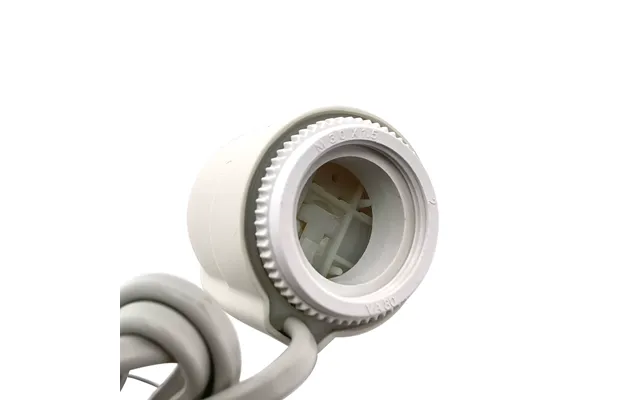
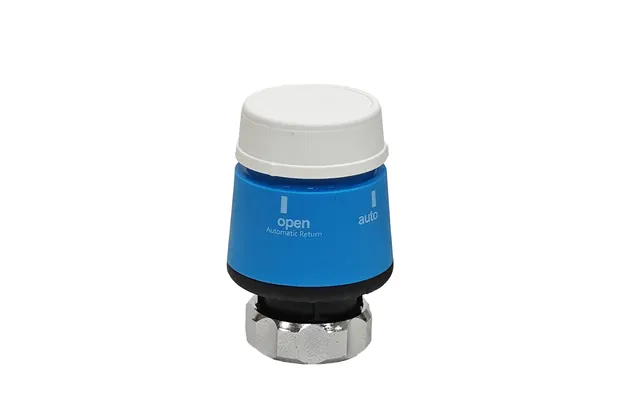
The Minco white thermal actuator, model HY316, is listed for radiator and underfloor-heating use. It is described as an electric normally closed or normally open valve actuator with a modern design. The listed price is $3.60. Since the listing refers to both normally closed and normally open configurations, buyers should confirm the exact version and system requirements before ordering.
An actuator is a working part that opens or closes a valve in response to a control signal. You can think of it as a small gatekeeper: when the system calls for heat, it helps manage whether water can move through the relevant heating circuit.
Actuators are not universal simply because they look similar. The system’s electrical requirements, valve type, control method, and installation design all matter. If you are replacing an existing actuator, compare its specifications carefully with the new product listing.
The six products in the reference data cover several heating-control categories. Two are smart thermostatic radiator valves, two are room thermostats, one is a floor-heating wiring-centre controller, and one is a thermal actuator.
For a connected radiator setup, the Beca BRT-100 Tuya Zigbee smart TRV and the Tuya Bluetooth OLED-screen smart valve are the most directly relevant options. The Beca model is listed at $37.00, while the OLED-screen model is listed at $16.20.
For simpler room-level control, the manual electric floor-heating thermostat is listed at $1.99. The digital electric-heater thermostat is listed at $8.30. These products may appeal to shoppers who prefer a more direct control method.
For coordinated floor-heating equipment, the HY525 thermostat and wiring-centre controller is listed at $8.44. The Minco HY316 thermal actuator is listed at $3.60 and is described for radiator and underfloor-heating applications.
These prices should be treated as comparison figures from the supplied data, not as permanent quotes. The reference data does not provide regular prices, confirmed discounts, shipping costs, stock details, or delivery timeframes for the individual products.
Start with the heating system you already have. Is it a standard radiator, electric floor heating, water floor heating, or a mixed setup? The answer narrows your choices quickly. A radiator valve is not automatically suitable for a floor-heating manifold, and a room thermostat may not replace a wiring hub or actuator.
Next, decide how much control you want. If you simply want to adjust temperature by hand, a manual thermostat may be enough. If you want a clearer display, consider a digital option. If you want scheduling or connected functions, examine the smart products and their stated Tuya Zigbee or Tuya Bluetooth compatibility.
Then consider installation. Electrical heating accessories require attention to their electrical ratings and wiring. Valve actuators must match the relevant valve and control system. When in doubt, consult a qualified heating or electrical professional rather than guessing from a product photograph.
Will the accessory fit the existing valve or heating control? Does it use the same connection or control platform? Is it intended for a radiator, electric floor heating, or water floor heating? Does the system need a normally open or normally closed actuator?
You should also ask whether you need a standalone device or a component within a larger setup. A thermostat may work well as a room controller, but a floor-heating system may still require a wiring centre and actuators. Matching the whole system is more important than choosing the cheapest individual part.
Smart heating controls can make routines easier to manage. A programmable valve or thermostat may allow heating to follow a weekly schedule instead of relying on repeated manual adjustments. That can be useful when your household follows consistent patterns.
The Beca BRT-100 listing mentions Tuya Zigbee, while the OLED-screen valve listing mentions Tuya Bluetooth. These are different connectivity references, so shoppers should not assume that one automatically works with every smart-home hub or application. Confirm compatibility with your intended setup first.
A visible OLED screen can also improve day-to-day usability. When you can see the setting at a glance, making a quick adjustment may feel more natural. On the other hand, a connected feature may add setup steps, so think about whether you value remote or scheduled control enough to justify that additional complexity.
Heating efficiency is not created by the accessory alone. The way you use the control matters just as much. Setting a reasonable schedule, reducing unnecessary heating, and managing rooms according to use can all support more sensible energy use.
A thermostat described as supporting electricity-bill savings may help you avoid running an electric heater continuously, but no product can guarantee a specific reduction. Results vary according to insulation, room size, outdoor conditions, heating habits, and equipment performance.
Room-by-room control can be useful because it avoids treating every space as if it needs identical heating. A frequently used room may need comfort at one time, while an unused room may need a different setting. The right accessory gives you more control over that distinction.
Heating accessories can look small, but they often connect to systems involving electricity, hot water, valves, or multiple control circuits. That makes compatibility a central consideration. Before installation, compare the product description with your current equipment and confirm the relevant technical details.
The reference data includes products with electrical ratings and control references, but it does not provide complete installation instructions for every item. Do not rely on the listed price or product title alone to decide whether a device is safe or suitable for your property.
If a product will be connected to household wiring or a heating manifold, professional installation may be the sensible route. A qualified installer can help verify wiring, valve compatibility, placement, and system operation. It is better to spend time checking than to turn a small accessory into a large heating problem.
Price is useful for narrowing a shortlist, but it should not be the only deciding factor. The products range from $1.99 for the manual electric floor-heating thermostat to $37.00 for the Beca smart TRV. That difference reflects different product categories and features, not necessarily a simple ranking from worst to best.
A low-cost manual controller may be ideal for a basic application. A higher-priced smart valve may be more appropriate when programming or connected control matters. Likewise, an inexpensive actuator may be valuable only if it matches the valve and wiring arrangement already installed.
Use ZoneOffer as a comparison starting point. Review the product type, listed features, price, and intended application, then verify the complete specifications with the relevant seller before making a purchase decision. Comparison is most useful when it helps you ask better questions.
The heating accessories in this comparison offer several routes to better temperature control, from smart radiator valves and digital thermostats to floor-heating hubs and thermal actuators. The best option depends on your heating system, desired level of control, and compatibility needs. Compare the listed products carefully, treat the displayed prices as reference figures, and confirm technical details before installation. With the right accessory, heating control can become less like guesswork and more like tuning an instrument to the comfort level you want.