


Sanding Blocks price list
Last updated Wednesday, Nov 4, 2026





View 3 Offers
Loading...
Last updated Wednesday, Nov 4, 2026
A smooth finish rarely happens by accident. Whether you are refining wood, polishing a painted surface, shaping a curved edge, or preparing a project for its final coating, the right sanding block can make the work feel more controlled and predictable. A sanding block supports the abrasive material, helps distribute pressure, and gives your hand a steadier path across the surface.
The reference selection includes three useful options for different kinds of sanding work: the Atpro Japanese hand sanding paper block, the GANWEI adjustable manual sanding holder, and the ETOPOO 14-piece rubber sanding block set. Each one takes a different approach. One focuses on compact surface treatment, another on adjustable paper holding, and the third on contours and angles.
ZoneOffer is a comparison site, so it does not sell these tools directly. Instead, it helps you compare listed products and prices from external stores. Let’s look at what each option offers and how you might choose the best fit for your project.
Sandpaper alone can be difficult to control. When wrapped around your fingers, it may follow every dip and pressure point in your hand. That can lead to uneven sanding, rounded edges, or visible patches where too much material has been removed.
A sanding block acts like a small steering wheel for your abrasive. It creates a broader contact area, helping you apply more consistent pressure. On flat surfaces, that support can help maintain a more even finish. On shaped surfaces, a contour-friendly block can follow the form without forcing you to fold and constantly reposition the paper.
The right block can also make longer sanding sessions less tiring. Instead of gripping loose paper tightly, you can work with a tool designed to hold or support the abrasive. That difference may seem minor at first, but it becomes more noticeable as the project grows.
Before choosing, ask yourself three simple questions: Are you sanding a flat or curved surface? Do you need one compact tool or several shapes? Will you be changing abrasive paper often?
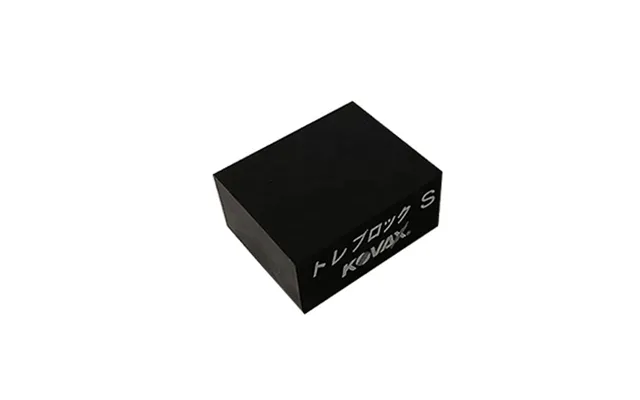
The Atpro hand sanding paper block is a compact choice for car paint surface defect treatment and polishing work. Its listed size is approximately 1.30 by 1.06 inches, and it is paired with 800-grit abrasive material. That makes it a focused option for fine surface work where a small tool may be easier to guide.
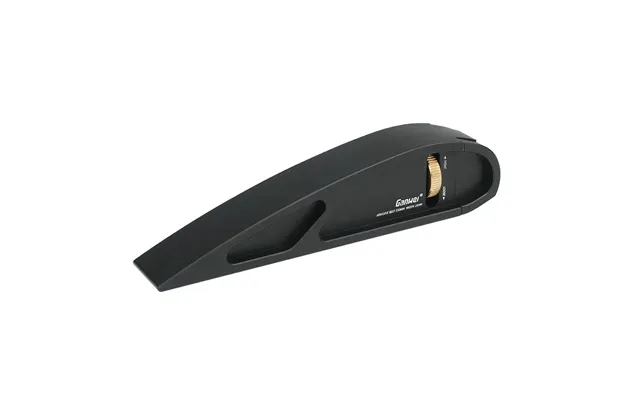
The GANWEI holder is designed around adjustable manual sanding. It is listed as being made from 6061 aluminum alloy and accepts abrasive paper with a circumference of about 12.99 inches and a width of less than 0.98 inches. Its holder size is approximately 5.91 by 0.98 by 1.38 inches. The product is intended for sanding and polishing tasks, including curved work.
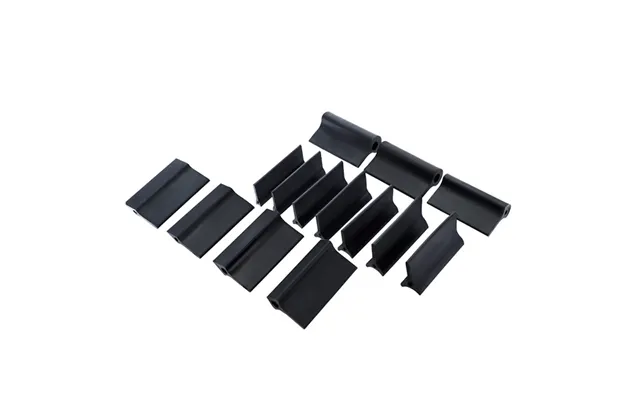
The ETOPOO set includes 14 rubber sanding blocks and is designed for contours and angles. The listing highlights three unique shapes and multiple sizes, making it the broadest choice when your work includes detailed profiles, corners, or irregular forms.
The Atpro block is a compact sanding and polishing tool listed for car paint surface defect treatment. Its small format may be useful when you need to focus on a particular area instead of working across a large panel with a full-size sanding tool.
It is listed with 800-grit abrasive material, which places it in the fine-grit range commonly associated with delicate finishing work. In practical terms, this type of abrasive is better suited to refining a surface than aggressively removing large amounts of material. If your goal is careful polishing or localized defect treatment, a fine abrasive can offer the control you need.
Consider this option when precision is more important than speed. Its compact dimensions can make it easier to maneuver around a small imperfection or a specific painted area. Think of it like using a detail brush instead of a wide paint roller: it covers less territory, but it can give you more control over the exact spot you are treating.
The listed price is $4.00 on Alibaba. The reference description also mentions “exclusive perks up to us 500 off,” but it does not provide enough detail to confirm the exact terms or conditions of that statement. For current offer information, review the listing shown through the comparison results.
The GANWEI sanding holder takes a more structured approach. Instead of treating the abrasive as a loose sheet, it is designed to hold a sanding belt or strip with a circumference of approximately 12.99 inches and a width of less than 0.98 inches.
The listed material is 6061 aluminum alloy. The product description emphasizes a firm grip, a hand-screw design, and easier replacement and fixation of the sandpaper. These features are aimed at keeping the abrasive secure without sticking, wrinkling, or falling away during use.
That design may appeal to woodworkers, makers, and anyone who prefers a dedicated holder rather than folding sandpaper around their hand. The holder is also described as suitable for different grinding scenarios, so it may be useful when your projects vary from one surface to the next.
The listing presents several package choices. One option is the sanding holder by itself. Another includes the holder with two pieces of 320-grit sandpaper. A further option includes the holder with five pieces of 320-grit sandpaper. The final listed option includes the holder with five pieces in 120, 320, and 600 grit.
Those grit combinations can be useful if you want more than one level of abrasion. A lower grit such as 120 is generally used for more substantial material removal, while 320 and 600 are progressively finer choices for smoothing and refinement. The reference data identifies these grits in the available package descriptions, but it does not specify the exact price for each configuration.
The listed price for the GANWEI product is $29.99 on Banggood.com. Because the data shows multiple configurations, check the selected package carefully before making a comparison. The holder-only option and a package containing several abrasives may not provide the same contents.
The ETOPOO set is designed for people who need flexibility across different shapes and sanding positions. It includes 14 rubber sanding blocks, with the listing describing three unique shapes and numerous sizes.
That variety can be especially useful for woodworking, wood carving, lathe work, and finishing jobs where a standard rectangular block cannot comfortably reach every area. Curves, grooves, angled edges, and small profiles each place different demands on a sanding tool. Having several forms available is like having different keys for different locks: one shape may fit a surface that another cannot.
The product description highlights imported rubber, strength, durability, and lasting service. It also presents the set as a way to make sanding more efficient and reduce effort during projects. Since the reference data does not provide independent testing or a rating, these points should be understood as listing claims rather than verified performance results.
A multi-piece set can help you avoid forcing one block into every situation. A flat or broad block may work well on an open surface, while a smaller or differently shaped piece may be more comfortable around a narrow edge. The ability to change tools can also help you maintain better contact with the abrasive.
This kind of selection may suit detailed craftsmanship as well as larger woodworking jobs. If your projects change regularly, the extra shapes may provide more long-term flexibility than a single-purpose block.
The ETOPOO set is listed at $25.99 on Banggood.com. The reference data does not provide individual dimensions for the blocks or identify the exact shape of every piece, so review the product listing for the package details that matter most to your work.
Grit describes the coarseness or fineness of an abrasive. Lower numbers generally indicate a more aggressive abrasive, while higher numbers usually indicate a finer surface treatment. Choosing the wrong grit can make a simple task frustrating: a coarse abrasive may leave marks when you need refinement, while a fine abrasive may take too long when substantial shaping is required.
The featured products include 120, 320, 600, and 800 grit. The GANWEI package options include 120, 320, and 600 grit combinations, while the Atpro tool is listed with 800 grit. The ETOPOO set is described as a set of rubber sanding blocks, but the supplied data does not specify the grit included with it.
For heavier shaping or removal, a lower grit may be the logical starting point. Once the surface has the general form you want, moving to a finer grit can help reduce the appearance of sanding marks. Fine grits such as 600 or 800 may be more appropriate when the work moves toward final refinement, depending on the material and finish.
A useful approach is to begin with the least aggressive abrasive that can reasonably complete the task. Why remove more material than necessary? Working gradually gives you more control and can reduce the chance of damaging an edge or creating a low spot.
Surface shape should play a major role in your decision. A flat panel may benefit from a broad, stable sanding face. A curved edge or carved detail calls for a tool that can follow the form without bridging over the area or creating uneven pressure.
The GANWEI holder is described as an adjustable manual curve sanding tool, while the ETOPOO set specifically focuses on contours and angles. The Atpro block is smaller and listed for car paint defect treatment, making it a more focused option for localized work.
Imagine trying to smooth a curved wooden handle with a rigid plank. It might touch the high spots while missing the low ones. A contour-friendly tool is more like a flexible guide that works with the shape instead of fighting it.
Good sanding is not only about the abrasive. It is also about how comfortably and consistently you can hold the tool. A holder that keeps paper secure may help you spend less time adjusting the abrasive and more time working the surface.
The GANWEI description specifically mentions a comfortable, firm grip and reduced hand fatigue during long working periods. The ETOPOO listing emphasizes simple operation and reduced effort. These are useful considerations, although your experience will depend on the material, pressure, sanding duration, and technique.
Use smooth, controlled movements rather than pressing as hard as possible. Excessive pressure can wear the abrasive unevenly and may make the surface less consistent. Let the grit do the cutting while you guide the tool with steady passes.
The three listed products occupy different price points. The Atpro block is shown at $4.00 on Alibaba. The ETOPOO 14-piece set is listed at $25.99 on Banggood.com. The GANWEI adjustable holder is listed at $29.99 on Banggood.com.
Price alone does not tell the whole story. The Atpro option is a compact, fine-grit tool for a focused task. The ETOPOO product offers 14 rubber blocks in multiple shapes and sizes. The GANWEI option centers on an adjustable holder and offers package choices with different sandpaper contents.
When comparing value, consider how often you sand, what shapes you work on, and whether you already own compatible abrasive paper. A lower-priced tool may be enough for occasional detail work, while a multi-piece set or adjustable holder may be more practical for repeated projects.
Choose the Atpro block if your main goal is localized polishing or car paint surface defect treatment and you prefer a compact tool with 800-grit abrasive. Its small size may make it easier to guide in tight areas.
Choose the GANWEI holder if you want a dedicated sanding tool with an adjustable design, a screw-based paper fastening system, and the option to select different abrasive packages. It may be a strong fit for users who value secure paper holding and repeatable handling.
Choose the ETOPOO set if your work includes several contours, angles, sizes, or detailed woodworking tasks. The range of shapes may reduce the need to improvise with a single block.
Still unsure? Start with the surface, not the product name. A painted detail, a curved woodworking project, and a broad flat board each ask different questions. Once you identify the shape and finish you need, the choice becomes much clearer.
Clean the work area before sanding so loose debris does not create unexpected scratches. Secure the material whenever possible, especially when working on small parts. A stable workpiece lets you guide the sanding block instead of chasing the material around the bench.
Use even strokes and check your progress regularly. It is easy to keep sanding simply because the motion feels productive, but frequent inspection helps prevent overworking one area. If you are moving between grits, remove loose dust before continuing so larger particles do not interfere with the finer stage.
Match the block to the surface. Use a flat approach for broad flat areas, a contour shape for curved details, and a compact tool when the task requires close control. The sanding block should support your technique, not force you to fight the material.
The featured sanding tools cover three distinct needs. The Atpro Japanese hand sanding paper block offers a compact 800-grit option for car paint surface defect treatment and polishing. The GANWEI adjustable manual holder provides an aluminum-alloy design, a screw-based fastening system, and several abrasive package choices. The ETOPOO 14-piece rubber set offers multiple shapes and sizes for contours, angles, woodworking, carving, and finishing tasks.
Compare the listed contents, grit options, dimensions, and prices before choosing. The best sanding block is not necessarily the largest set or the lowest-priced tool; it is the one that matches your surface, your level of control, and the kind of finish you want to achieve. With the right support under the abrasive, sanding becomes less like guesswork and more like guiding a tool toward a clean result.