


Sandpaper & Sanding Sponges price list
Last updated Wednesday, Nov 4, 2026





View 13 Offers
Loading...
Last updated Wednesday, Nov 4, 2026
The right sandpaper can transform a rough board, scratched panel, or uneven repair into a smooth, professional-looking surface. But with so many formats, grit levels, backing materials, and attachment styles available, choosing the best option can feel like sorting through a toolbox with no labels.
This guide explores the sandpaper and sanding sponge products featured in the reference listings. You’ll find coarse sheets for aggressive material removal, fine abrasive discs for finishing, flexible sponge products for curved surfaces, and useful accessories that can make hand sanding more comfortable. ZoneOffer is a comparison site, so the listed products and prices are provided to help you compare options rather than to represent products sold directly by ZoneOffer.
Grit is one of the first details to check when choosing an abrasive. Think of grit like the teeth on a saw: coarse grit removes material quickly, while fine grit works more gently and leaves a smoother surface.
The listings include products ranging from very coarse 36-grit material to ultra-fine options described at 2000 and even 4000 mesh. Coarse products can help with shaping filler or stripping paint, while finer abrasives are better suited to smoothing, polishing, and refining an already prepared surface.
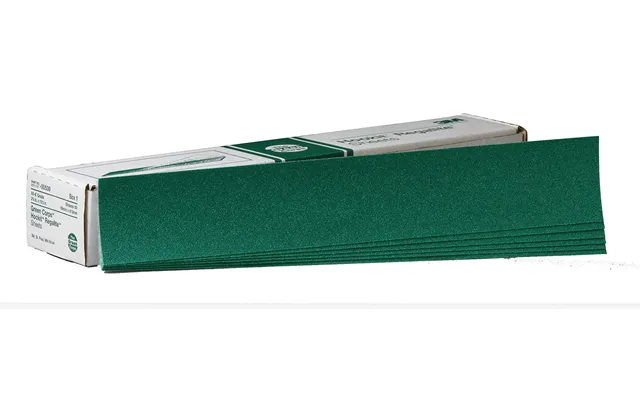
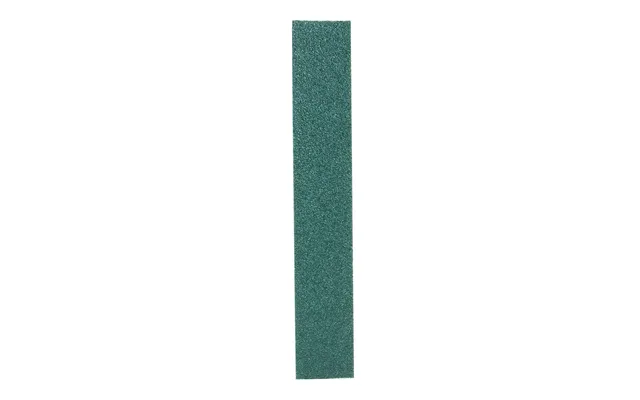
The 3M 00543 part is listed as a 36-grit green ceramic aluminum oxide abrasive. Its description identifies it for shaping filler and stripping paint to metal. This makes it the most aggressive option among the clearly specified products in the listings.
Coarse abrasives are useful when the surface has old coatings, heavy imperfections, or excess filler. However, they can leave deep scratches if used too forcefully or followed by an unsuitable grit. A sensible approach is to begin with the coarse abrasive only when necessary, then move gradually toward medium and fine grits.
The listings include 80-grit and 120-grit options, which sit in the practical middle ground between heavy removal and final finishing. The 3M 00539 Green Corps Sheet is listed as 80 grit, while the Ganwei sandpaper holder can be paired with 120-, 320-, or 600-grit sandpaper depending on the package type selected.
Medium abrasives are often useful when a surface needs leveling after the roughest work is complete. They can also help prepare a surface before a final fine-sanding stage. Ask yourself: does the surface still have obvious ridges, or does it only need a light refinement? Your answer will guide the grit choice.
For finishing work, the reference data includes products described as 500- to 4000-mesh red fine ground sponge sandpaper and a 2000 ultrafine polished soft-film sandpaper. These products are positioned toward polishing, fine grinding, paint finishing, and surface refinement.
Fine abrasives remove less material, so they are not the best starting point for deep scratches or thick coatings. Instead, they act like the final brushstroke in a painting: they help smooth the surface after heavier sanding has already done the difficult work.
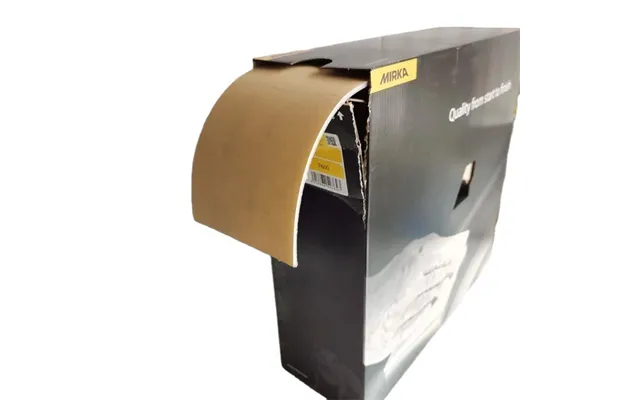
Sheet sandpaper is a familiar choice for hand sanding, especially on flat surfaces and areas that do not require a powered tool. The 3M 00539 Green Corps Sheet is listed in an 80-grit format measuring 2-3/4 inches by 16-1/2 inches, with 50 sheets per carton.
A larger sheet format gives you room to grip, fold, or position the abrasive according to the job. The listed 3M 00543 product also uses a paper backing and measures 16-1/2 inches by 2-3/4 inches. Its description specifies a hook-and-loop attachment style and dry-use sanding.
Before choosing a sheet, consider the surface shape and your sanding method. A sheet is easy to control by hand, but it may be less convenient than a disc when you are working with a compatible sander. For broad, flat areas, however, sheets remain straightforward and adaptable.
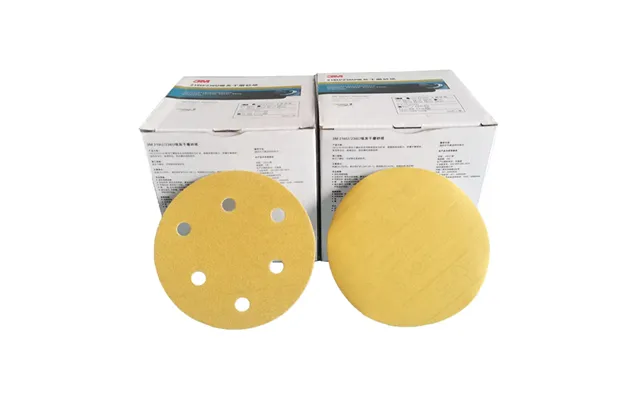
Sanding discs are designed for circular sanding equipment and can make repetitive work faster. The reference listings include a 5-inch, 125-grit abrasive disc product described as a 100-piece box, as well as a 5-inch, 6-hole dry sanding paper with a self-adhesive flocking back.
The 5-inch 125-grit listing is priced at $8.50 in the supplied data, while the 5-inch 6-hole listing is also shown at $8.50. These prices are comparison-listing details and may depend on the specific seller or listing conditions shown by the source.
Disc compatibility matters. Check the disc diameter, hole pattern, attachment method, and tool requirements before choosing. A disc that looks suitable may not fit your sander if its backing or hole layout differs from the tool’s design.
Backing systems affect how quickly you can change abrasives. The 3M 00543 product is described as hook-and-loop type, while the 3M 236U listing is described as having a self-adhesive flocking back. These systems serve a similar practical purpose—holding the abrasive in place—but they are not interchangeable in every tool or holder.
Hook-and-loop attachments are typically convenient when you expect to change discs or sheets frequently. Self-adhesive products may provide a direct bond to a compatible backing surface. Always match the abrasive to the equipment rather than relying on size alone.
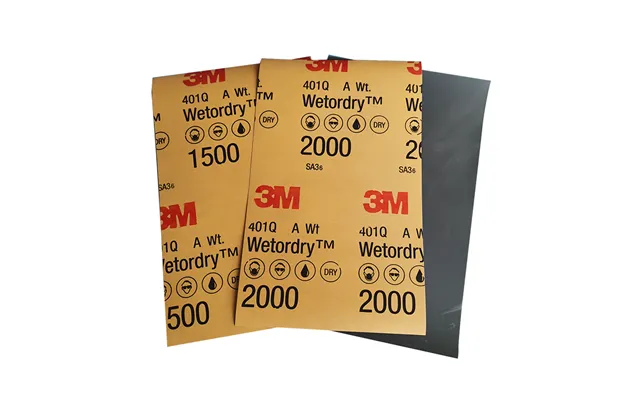
The reference data includes a product titled 3M Water Sanding Paper Real Gum Sanding Paper Durable, listed at $14.00. The title indicates a water-sanding application, which is different from ordinary dry sanding.
Wet sanding can be useful when a smoother finish is the priority and when the material and coating are suitable for moisture. Water may help carry away sanding residue, but you should follow the product and project requirements carefully. Not every surface, tool, or backing system is designed for wet use.
By contrast, the 3M 00543 product is specifically described as dry use only. That distinction is important. Using an abrasive outside its intended method can affect its performance and may create unnecessary mess or surface damage.
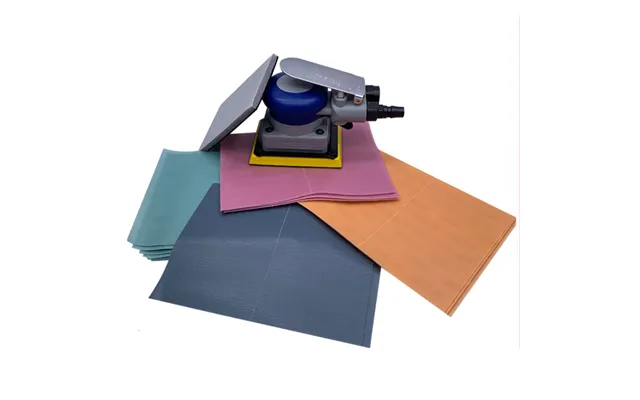
Sanding sponges are valuable when a rigid sheet or disc struggles to follow the shape of the workpiece. The reference listings include an OEM and OBM customizable square hand-tear sponge sandpaper product for automobile, hardware polishing, and beauty-care applications. It is listed at $55.00.
The sponge format can conform more easily to rounded edges, curved panels, and detailed surfaces. It also gives your hand a thicker, more cushioned grip than a thin sheet. That can make a noticeable difference during longer hand-sanding sessions.
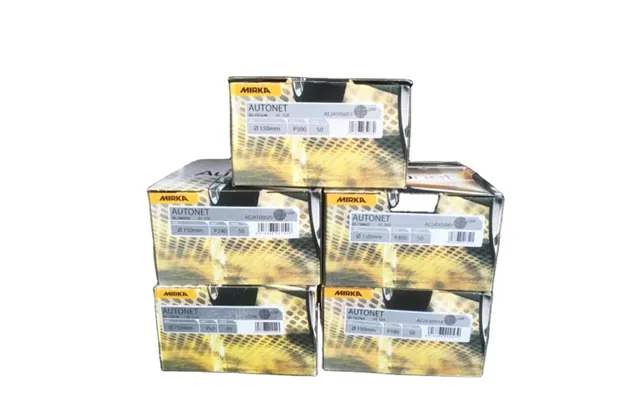
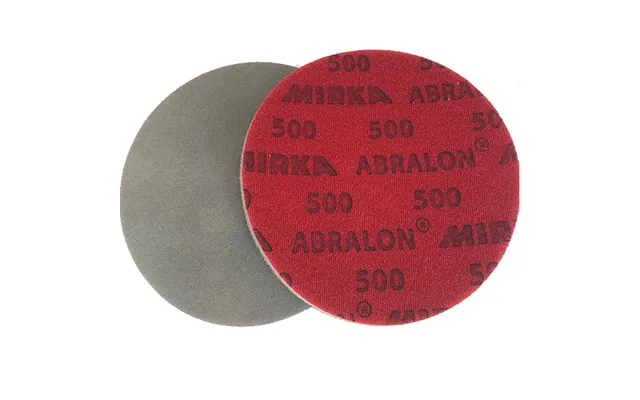
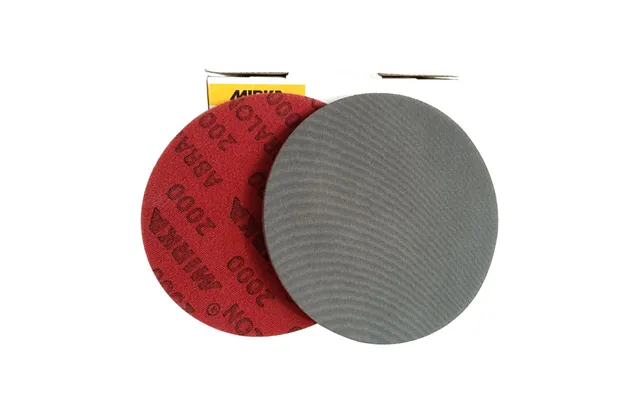
Another listing is the Mirka 6-inch sponge sandpaper pneumatic polishing abrasive, described with a 150-millimeter diameter in the source data. Because this guide uses imperial units, the product is referred to here by its listed 6-inch size. It is priced at $2.00 in the reference data.
The Mirka red fine ground sponge sandpaper is also listed as a 6-inch product and is described as ranging from 500 to 4000 mesh. It is shown at $2.00. This option may appeal to users who need a flexible abrasive for fine polishing or finishing work.
Several products in the listings are suited to automotive-style preparation and polishing. The 3M 00543 abrasive is described for shaping filler and stripping paint to metal, while the OEM and OBM square sponge sandpaper is presented for automobile polishing and beauty care.
The Atpro automotive film backing sanding disc is listed at $24.00 and is described as a soft waterproof sandpaper disk. Its title highlights a 130-millimeter and 85-millimeter format in the source listing; because only imperial units are used here, the product is discussed primarily by its automotive and waterproof description rather than repeating those metric measurements.
Automotive surfaces often include curves, edges, filler, paint layers, and delicate finish areas. That is why a single grit or format rarely handles the entire job. A coarse abrasive may prepare the surface, a medium grit may smooth the repair, and a fine sponge or polishing abrasive may refine the final appearance.
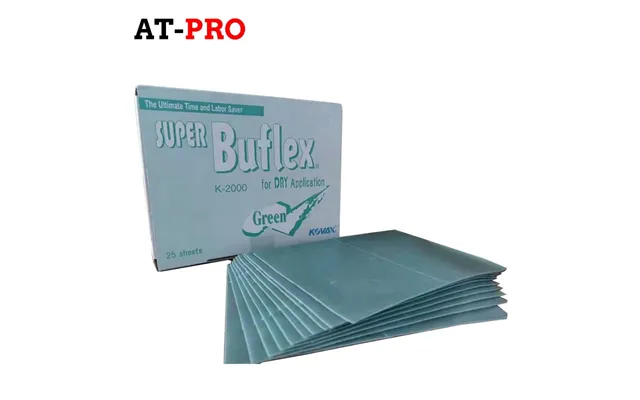
The listings include several specialty products aimed at polishing and paint-related finishing. The Original Double Eagle square dry mill sandpaper is described as 2000 ultrafine polished soft film sandpaper for paint beauty and orange-peel work. It is listed at $25.00.
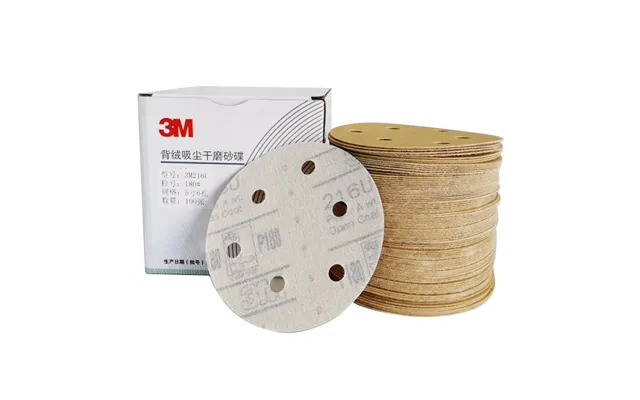
There is also a 3M 3M236U dry sanding paper listing in a 5-inch, 6-hole disc format. The 3M 216U product is shown as a 5-inch, 125-grit, 100-piece box of abrasive discs at $8.50. These products may be worth comparing when you want a disc format for repeated sanding tasks.
For specialized polishing, the Finland 6-inch high-hardness circular reticulate sandpaper is listed at $18.00. The term “reticulate” suggests a mesh-style or networked abrasive construction in the product title, though the reference data does not provide additional technical specifications. When comparing specialty products, focus on the stated grit, size, backing, and intended application rather than assuming features that are not listed.
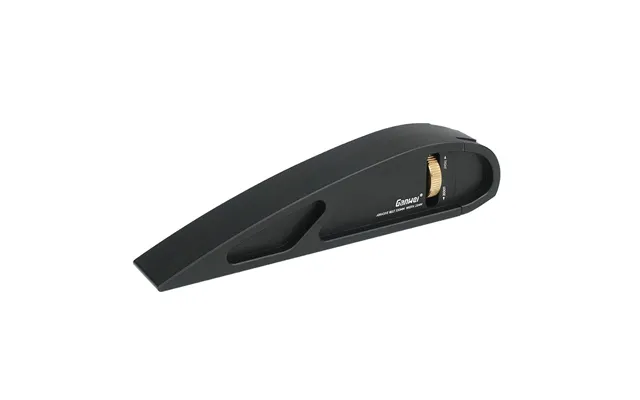
Hand sanding can become tiring, particularly when you apply pressure with your fingertips for a long period. The Ganwei sandpaper holder is designed to provide a more controlled grip. The listing describes a 6061 aluminum alloy construction, an ergonomic grip, and a hand screw for replacing and securing sandpaper.
The holder is listed with a 150-millimeter by 25-millimeter holder size, which corresponds to approximately 5.9 inches by 1 inch. Its compatible sandpaper is described as 330 millimeters by 25 millimeters, or approximately 13 inches by 1 inch. The listing also states that it is designed for sandpaper with a circumference of 330 millimeters and a width of less than 25 millimeters.
Available package types include combinations with 120-, 320-, and 600-grit sandpapers. The product price shown in the reference data is $15.99. Since the packages vary, check the selected option carefully before comparing value. One package may include a holder and a small number of sheets, while another may include multiple sheets in one or more grit levels.
A holder spreads pressure across a broader area, which can help reduce finger marks and uneven sanding. It can also keep the abrasive flatter against the workpiece. Imagine trying to smooth a tabletop with just your fingertips; a sanding block gives you a wider, steadier bridge across the surface.
The Ganwei listing specifically emphasizes secure fixation without sticking, wrinkling, or falling off. That can be useful when you need consistent movement and do not want to stop repeatedly to reposition the abrasive.
If you need aggressive material removal, the 3M 00543 36-grit paper stands out because its description specifically mentions shaping filler and stripping paint to metal. Its listed price is $144.12, and the product is offered through The Twister Group listing with the 3M brand.
For a larger quantity of 80-grit sheet material, the 3M 00539 Green Corps Sheet is listed at $102.12 through the Twister Group. The listing identifies 50 sheets per carton, making the quantity an important comparison point.
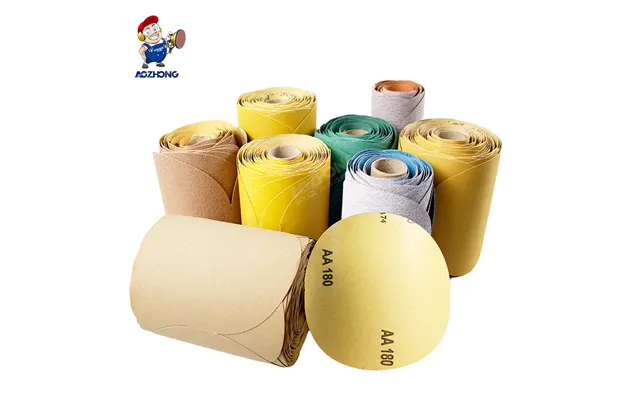
For disc users, the 5-inch 125-grit product is listed at $8.50, while the 5-inch 6-hole dry sanding disc is also listed at $8.50. The Top Selling Premium Gold Sticky Back Sandpaper Link Roll is shown at $19.66 and is described as a 6, 80-grit, 100-count abrasive sanding disc roll for a sander. Because product wording can be condensed or imperfect in marketplace listings, confirm the exact pack contents before making a decision.
For flexible finishing, the Mirka 6-inch sponge products are each listed at $2.00, while the Original Double Eagle 2000 ultrafine product is listed at $25.00. For a hand-sanding setup, the Ganwei holder is listed at $15.99 and includes package options with different grit combinations.
A good sanding sequence usually moves from rougher abrasion to finer abrasion. Start with the least aggressive grit that can handle the problem. If you begin too coarse, you may create scratches that require extra work later.
For a surface with paint, filler, or pronounced unevenness, a coarse option such as the listed 36-grit 3M product may be appropriate based on its stated use. Once the shape is established, move toward an 80- or 120-grit option to refine the surface.
After the major scratches and ridges are gone, a 320- or 600-grit product may help prepare the surface for finer work. The Ganwei package options include these grit levels, making the holder a convenient way to compare a staged hand-sanding setup.
For polishing or highly refined paint finishing, the listed 2000 ultrafine paper or the Mirka 500- to 4000-mesh sponge product may be worth considering. The exact best choice depends on the material, coating, tool, and finish you want.
Use steady pressure instead of forcing the abrasive into the surface. Excess pressure can wear the abrasive quickly and create uneven marks. Let the grit do the cutting while you guide the tool or sheet with controlled movements.
Keep track of the grit you are using. Accidentally returning to a coarse abrasive after a fine-sanding stage can undo much of your progress. It is helpful to separate abrasives by grit and keep used sheets away from clean finishing materials.
Choose the format that fits the shape. Flat sheets are practical for broad surfaces, discs suit compatible sanders, and sponge abrasives can follow curves. A holder can improve control when hand sanding with narrow strips.
Finally, inspect the surface under suitable lighting as you work. A finish may look smooth from one angle while still showing scratches from an earlier grit. Sanding is less like flipping a switch and more like polishing a stone layer by layer.
The sandpaper and sanding sponge listings cover a wide range of projects, from aggressive filler shaping and paint removal to automotive preparation, hand sanding, disc sanding, and fine polishing. The 3M 00539 and 00543 products offer clearly specified sheet formats and grit levels, while the Mirka sponge abrasives, specialty polishing papers, Atpro disc, and Ganwei holder provide alternatives for curved surfaces, finishing work, and improved hand control. Compare grit, size, backing, quantity, intended use, and listed price before choosing, and always match the abrasive to your surface and sanding method.