

In-Line Water Filters price list
Last updated Saturday, Oct 17, 2026





View 16 Offers

Loading...
Last updated Saturday, Oct 17, 2026
Clean, pleasant-tasting water starts with the right filtration setup. Whether you want to reduce visible sediment, protect a pump, improve water at the main line, or prepare a boat’s raw-water intake, an in-line filter can become an important part of your plumbing system. The challenge is choosing a product that matches your water source, pipe size, maintenance preferences, and installation point.
ZoneOffer is a comparison site that helps you review available products from different sellers. It is not a store, and the listed prices and product details come from the supplied offers. In this guide, we’ll focus on the household, whole-house, marine, and general water-filtration products shown in the comparison data. We’ll also explain why some listed filters are designed for medical equipment rather than domestic plumbing.
An in-line water filter is installed directly within a water pathway. Instead of filling a countertop jug or replacing a faucet attachment, you place the filter inside the existing line so water passes through it as it moves toward a tap, appliance, pump, or other destination.
Think of it as a gatekeeper in your plumbing. Water flows through the filter, while the filter element or screen captures selected particles. The exact result depends on the design. A sediment filter may target grit and suspended debris, while a strainer may protect a pump from larger particles. A pre-filter may serve as the first stage before additional treatment equipment.
Not every in-line filter improves drinking-water taste or removes the same substances. That distinction matters. The offers include whole-house sediment systems, raw-water strainers, pump strainers, liquid filters, and medical-device filters. These products may all use the word “filter,” but they are not interchangeable.
Many homeowners use an in-line filter as an initial defense against sediment. Sand, rust particles, and other visible debris can enter water lines and create trouble for fixtures, valves, pumps, and appliances. A pre-filter can catch some of that material before it travels deeper into the system.
Filtration can also support maintenance. A clear bowl or transparent housing makes it easier to see accumulated debris, while a reusable screen can be cleaned instead of immediately replaced. Several products in the reference data emphasize manual cleaning, backwashing, scraping, or reusable construction.
There is another practical benefit: targeted protection. A filter located near a pump can help shield the pump from damaging particles. A whole-house pre-filter can treat water near the main entry point. A marine strainer can protect equipment using raw water. The best position depends on what you want to protect—not simply where installation appears easiest.
Whole-house sediment filters are designed to sit near the point where water enters a property. Their goal is usually to reduce sediment before water reaches multiple outlets. This can make them a useful starting point for homes supplied by a private well, borehole, outdoor line, or another source where suspended particles may be a concern.
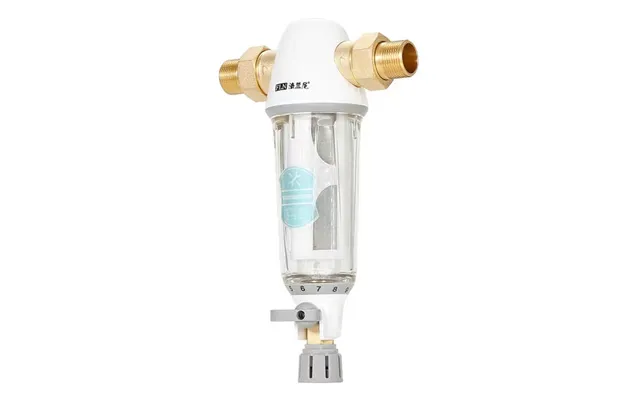
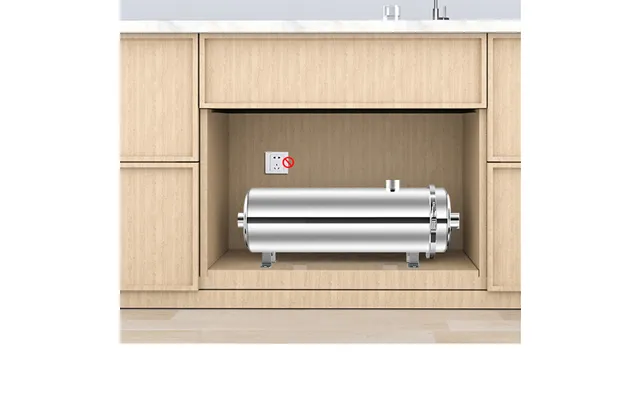
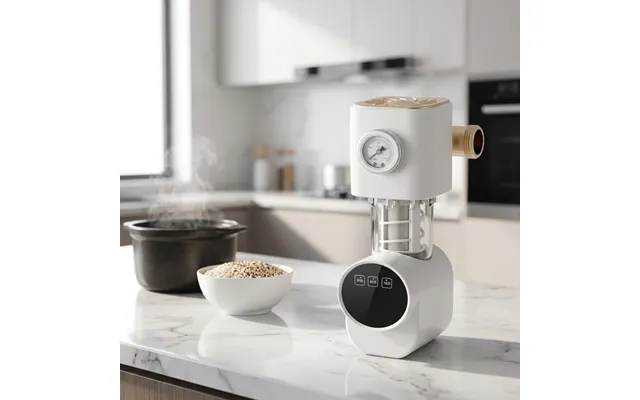
The reference data includes several Alibaba listings in this category. Options include a high-quality whole-house sediment stainless steel filtration product priced at $23.00, a brass sediment whole-house purification pre-filter priced at $18.50, and a whole-house outdoor manual pre-filter with a 40-micron stainless steel element priced at $8.50.
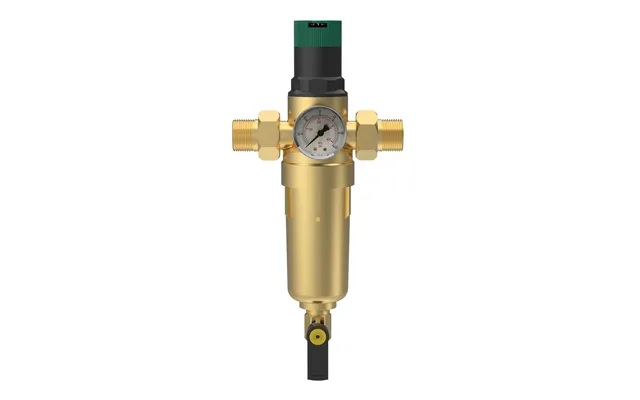
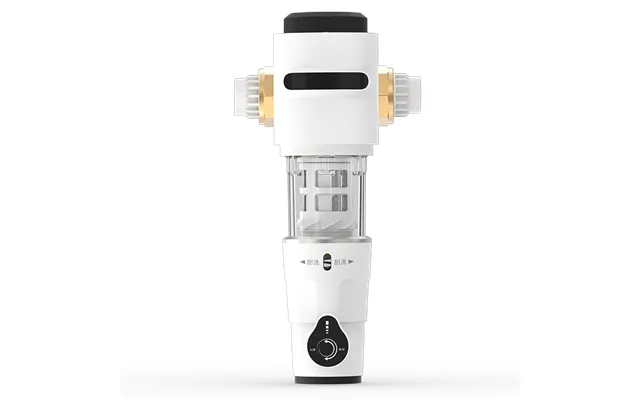
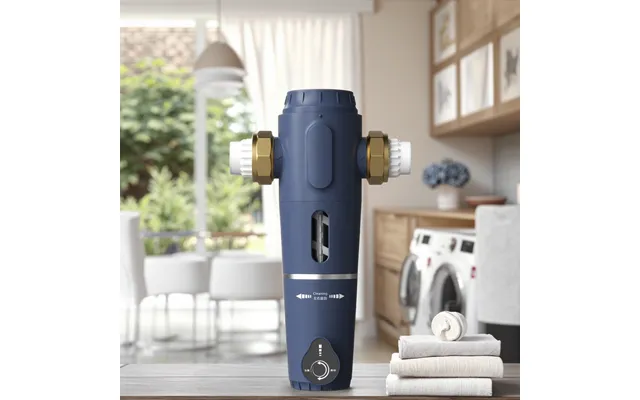
Other listings combine filtration with additional features. The brass whole-house backwash spin-down system includes a 40-micron mesh filter and water pressure regulator, with a listed price of $31.00. A multi-function universal brass pipe pre-filter offers automatic backwash, pressure monitoring, and a listed price of $56.86. Another brass pre-filter provides automatic flushing with a stainless steel mesh and is listed at $32.00.
A manual filter can be straightforward and affordable, but you need to remember to inspect and clean it. This is similar to sweeping a porch: the task is simple, but it only works when you actually do it. A system with backwash or automatic flushing may reduce hands-on maintenance, although the product should still be checked regularly.
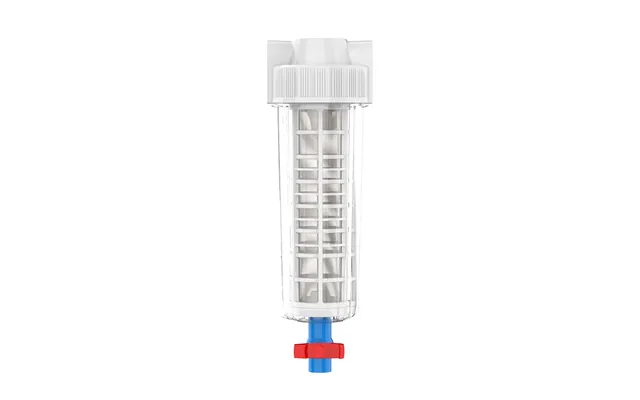
The 40-micron spindown sediment filter in the comparison data is listed at $45.00 and is described as reusable, with a built-in scraper. That type of design may appeal to homeowners who want to monitor and clean the filter without constantly buying replacement elements.
When comparing these options, consider where the filter will be installed, how easy it is to reach, and whether your water contains occasional debris or a steady load of sediment. A filter that is difficult to access can turn routine maintenance into an unwanted chore.
A micron rating describes the size of particles a filter is designed to address. The reference data specifically identifies several products with 40-micron filtration. This gives shoppers a useful comparison point, but it does not automatically mean every product with that rating performs identically.
Micron ratings should be viewed alongside the filter’s construction, flow design, and intended use. A whole-house pre-filter, a pump strainer, and a specialized medical filter may have completely different operating requirements even if their descriptions mention filtration.
It is also important not to assume that a sediment filter removes dissolved substances, odors, or microorganisms unless the product information specifically supports that claim. The listed whole-house products are described mainly as sediment or pre-filtration systems. They should be evaluated according to those stated purposes.
Strainers are especially useful when the main concern is protecting equipment from larger debris. They are common in pump and marine applications, where leaves, grit, or other particles can interfere with operation.
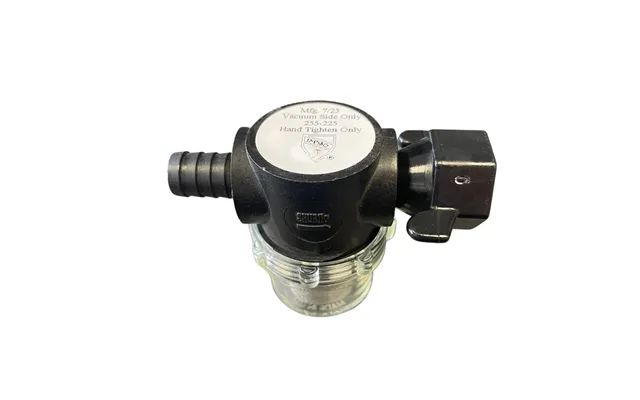
The Shurflo Strainer with Hose Tail 255-225 is listed at $7.63 from Butler Technik. Its description identifies a 50-mesh stainless steel screen, a clear bowl, direct installation onto the pump head, and a design intended for industrial and marine applications. The transparent bowl is a practical touch because it lets you see when cleaning may be needed.
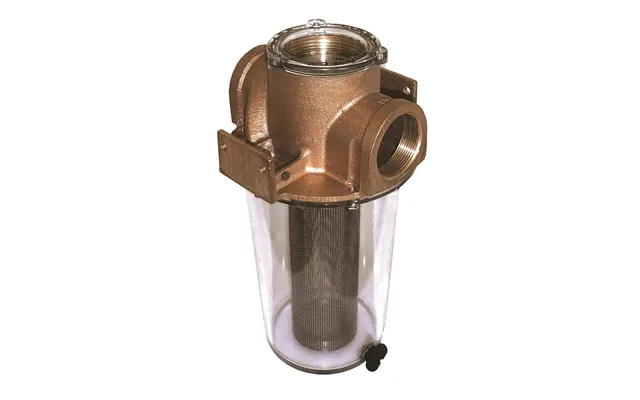
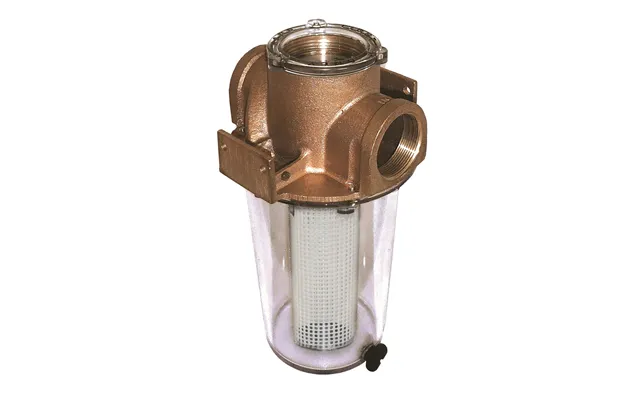
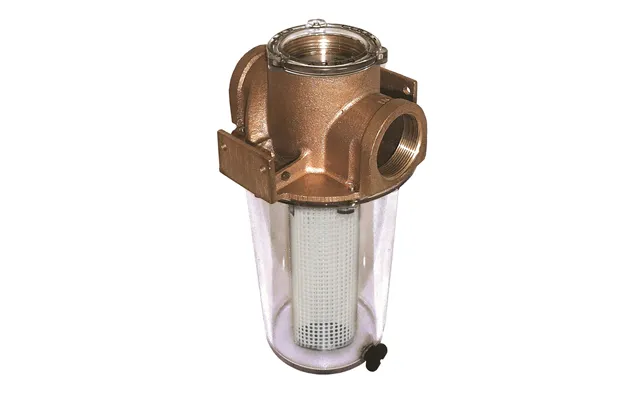
For larger raw-water systems, the comparison includes several GROCO products from The Twister Group. The GROCO ARG-500-S is a 1/2-inch raw-water strainer with a stainless steel basket and is listed at $231.12. The GROCO ARG-750-P is a 3/4-inch model with a non-metallic plastic basket and is listed at $233.12. The GROCO ARG-2000-P is a 2-inch model with a non-metallic plastic basket and is listed at $532.12.
Connection size is not a detail to overlook. A filter or strainer must fit the line, fittings, and available space. The GROCO products are identified by specific pipe sizes, while the Shurflo model is described as attaching directly to a compatible pump head.
Before choosing, measure the existing connection and check the equipment manufacturer’s requirements. A product that looks powerful on paper may be the wrong choice if it cannot connect properly or restricts the intended flow. In plumbing, compatibility is the bridge between a good product and a successful installation.
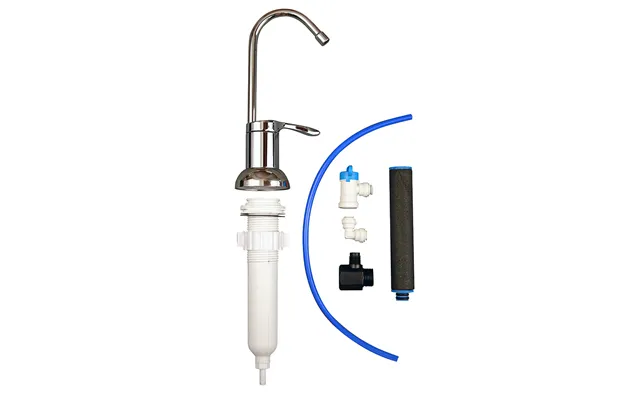
Marine systems often need filtration that can handle raw water and protect onboard equipment. The Forespar 770295 Purewater all-in-one water filtration system complete starter kit is listed at $114.12 from The Twister Group. The product description identifies it as a complete starter kit, which may make it relevant for shoppers seeking a packaged solution rather than a single replacement component.
The GROCO raw-water strainers offer another route for marine or equipment-focused applications. Their listed sizes range from 1/2 inch to 2 inches, giving shoppers several scale options within the supplied data.
When comparing marine products, focus on the role of the component. Is it intended to strain raw water before a pump? Is it a complete filtration system? Does it use a stainless steel basket or a non-metallic basket? These questions help you compare like with like instead of judging products only by price.
The Liquid Filter from Giraffe Tools is listed at $24.99. Its description says the filtration technology is designed to enhance filtration efficiency and help protect the internal mechanics of a vacuum, extending its lifespan. This makes it an equipment-protection product rather than a typical household drinking-water filter.
That distinction is worth remembering when browsing comparison results. A liquid filter may be highly useful for the equipment it was designed to support, but it should not automatically be installed in a home’s drinking-water line. Always follow the intended application described for the product.
Likewise, the Compressor Intake Filter from Alldiabetic is listed at $25.84, but the supplied data only identifies it as a compressor intake filter. It should be treated as an equipment component, not as a general household water filter.
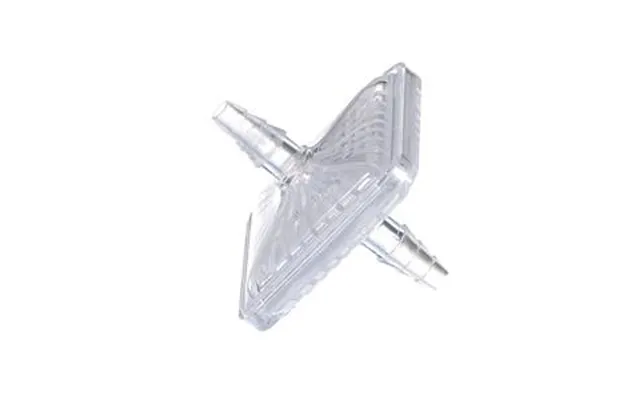
Several offers are designed for medical or respiratory equipment. These include the Water Trap - Adult, described for use with a nebulizer and listed at $3.53; the Reusable Collection Canister for a 7310P-RD unit, listed at $31.53; and several suction bacteria filters.
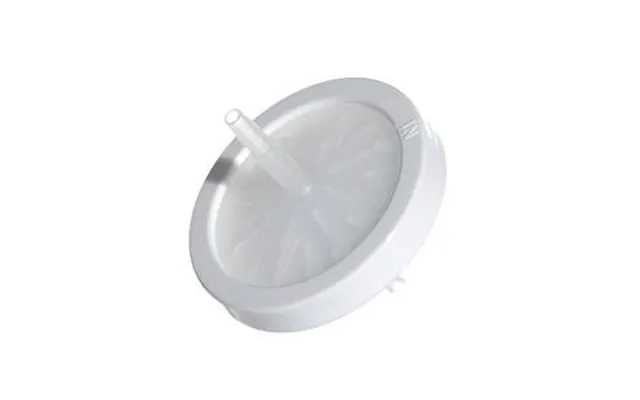
The data also includes an inlet HEPA filter for Respironics concentrators at $5.87, a disposable suction bacteria filter at $4.56, and a Teleflex Iso-Guard HEPA Light Filter listed at $6.86. These products may be valuable for their intended devices, but they are not household plumbing filters.
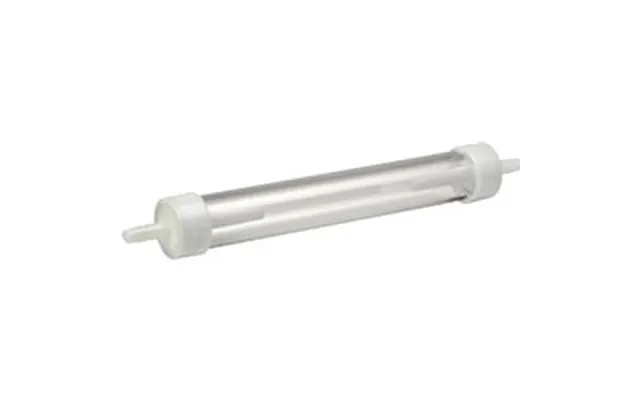
The Allied Healthcare in-line water and humidity trap is described for small-bore tubing and downstream installation. Its description says it can be cleaned in detergent or a vinegar bath, then thoroughly rinsed and dried. Again, the intended application is specialized equipment—not a domestic water main.
Using the wrong filter can be like putting a coffee strainer on a garden hose: the item may be called a filter, but the operating conditions and purpose do not match. Medical, compressor, vacuum, and plumbing systems can use different materials, connectors, pressure ranges, and cleaning procedures.
Before buying, read the product title and description carefully. Look for terms such as whole house, sediment, pre-filter, pump strainer, raw water, or water purification system when shopping for plumbing. Terms such as nebulizer, suction, concentrator, compressor intake, or Respironics point to specialized equipment instead.
The supplied offers cover a wide range of prices. Entry-level household pre-filters include listings at $8.50, $18.50, $23.00, $31.00, $32.00, $45.00, and $56.86. Marine and larger raw-water strainers are listed at higher prices, including $114.12 for the Forespar starter kit and $231.12 to $532.12 for the GROCO products.
Price alone does not tell the full story. A low-cost filter may be suitable for a simple pre-filtration task, while a larger strainer may be priced for a more demanding installation. Compare the filtration method, connection size, cleaning approach, basket or mesh material, and whether the product is a complete system or a replacement component.
Some offers show regular prices alongside current listed prices. For example, the reusable collection canister is listed at $31.53 with a regular price of $38.97. The suction bacteria filter 1/4 to 3/8 is listed at $3.26 with a regular price of $5.06, while the BF400 version is listed at $4.35 with a regular price of $5.07. These figures are part of the supplied comparison data and may change, so check the current listing before making a decision.
Installation depends on the product and the system. Some strainers are designed to screw directly onto a pump head. Some whole-house systems connect to the main line. Others require compatible tubing or specialized equipment. Do not assume that a product described as “in-line” will fit every plumbing configuration.
Placement matters too. A sediment pre-filter is commonly considered near the point of entry, while a pump strainer belongs where it can protect the pump. A downstream humidity trap has a completely different placement requirement. The right filter in the wrong position is still the wrong setup.
Maintenance may include inspecting a clear bowl, cleaning a mesh, replacing a disposable element, or following a specific cleaning process. The Allied Healthcare humidity trap description specifically mentions cleaning in detergent or vinegar and then rinsing and drying thoroughly. For household and marine products, follow the instructions supplied with the selected model.
If your priority is whole-house sediment control, compare the stainless steel and brass pre-filter options, especially those with 40-micron descriptions. If you want pump protection, the Shurflo strainer may be more relevant. If you need raw-water filtration for a marine installation, review the Forespar and GROCO products.
If you are replacing a component for a medical device, use the specialized products only with the equipment identified in their descriptions. The same principle applies to vacuum and compressor filters. Matching the product to the system is more important than choosing the cheapest listing.
ZoneOffer makes it easier to compare the available offers in one place, but the final choice should be based on the product’s intended use and your installation requirements. Check the listing details, connector size, filter type, maintenance method, and current price before purchasing.
In-line water filters can help manage sediment, protect pumps, support marine systems, and improve the way water moves through a home or equipment setup. The reference data includes affordable whole-house pre-filters, reusable and backwashing options, pump strainers, marine filtration products, and specialized medical filters. Start with your water source and equipment, identify the particles or protection goal, then compare compatible products rather than relying on the word “filter” alone. With the right match, your filtration system can work like a quiet shield—doing its job in the background while helping protect the plumbing and equipment that depend on it.