


Fence Panels price list
Last updated Thursday, Nov 12, 2026

View 10 Offers
Loading...
Last updated Thursday, Nov 12, 2026
The right fence can do much more than mark a property line. It can help protect a chicken coop, support a garden project, create a barrier around a patio, or add structure to an outdoor space. When you are comparing fence panels and mesh rolls, the key is matching the material, mesh opening, height, and roll length to the job.
This guide focuses on the fence and mesh products listed in the reference data, including Quictent hardware cloth, Garden Zone welded utility fence, and a Jindi fire-resistant screen roll. ZoneOffer is a comparison site, so the prices shown here are comparison information rather than a direct sale from ZoneOffer. Product details and prices may vary, so check the listing carefully before making a decision.
A fence panel acts like a line of defense between what you want to protect and the problems you want to keep out. Depending on its design, it may help contain animals, discourage pests, protect plants, or create a defined outdoor area. Mesh fencing is especially flexible because it can often be cut, shaped, and attached to posts or frames.
However, not every fence is designed for the same purpose. A small mesh opening may be useful around poultry or gardens, while a larger welded opening may suit general utility fencing. Height matters too. A 36-inch panel will serve a different purpose from a 72-inch roll, just as a short garden border is different from a tall property barrier.
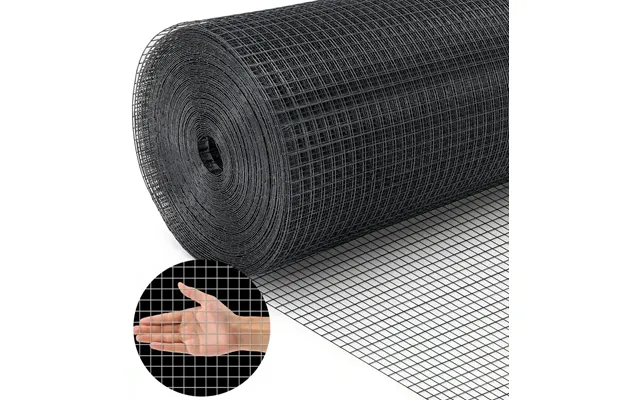
The Quictent 48 Inch 100ft Black Vinyl Coated Hardware Cloth measures 48 inches high by 100 feet long and uses a 1/2-inch by 1/2-inch mesh. It is made from iron wire with a black vinyl coating, while the construction is described as welded and galvanized.
The black finish gives this roll a more subdued appearance than bright metal mesh. That can make it a practical choice for garden areas, animal enclosures, and do-it-yourself projects where you want the barrier to blend into the surroundings. The listing also describes the material as resistant to corrosion, rust, fading, and deformation.
This hardware cloth is listed for securing chickens, ducks, rabbits, and other small animals. It may also help create barriers against snakes, raccoons, rodents, and other intruders. In a garden, you can use the mesh to protect fruits, vegetables, flowers, and plants.
Because it comes as a 100-foot roll, it may be convenient for covering a larger project or several smaller areas. You can cut it to custom sizes, although careful measuring is essential. Think of the roll as a sheet of outdoor fabric made from wire: flexible enough to adapt, but strong enough to hold its shape when properly supported.
The listed price for the Quictent black vinyl-coated hardware cloth is $199.99. The reference data does not provide a regular price or confirmed discount, so the displayed amount should be treated as the comparison price shown in the listing.
The product information recommends burying the fencing 2 to 3 feet underground after digging a shallow trench to improve protection. This approach may help discourage animals from digging beneath the barrier. Since the roll is described as heavy, use care while handling it during installation and review the dimensions before purchasing.
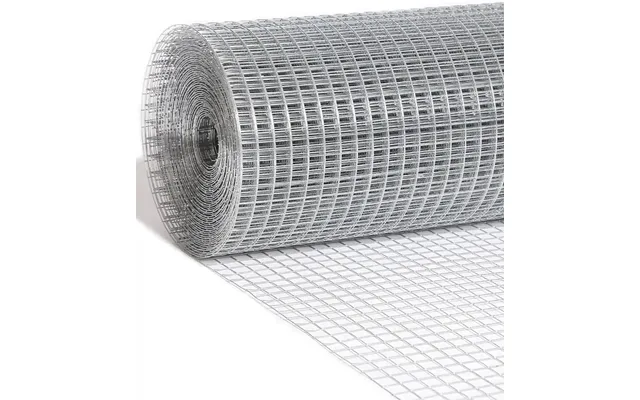
The second Quictent option is described as hardware cloth for a chicken coop run. It measures 48 inches by 50 feet and uses a 1/2-inch by 1/2-inch mesh. The material is galvanized annealed steel wire, and the listing states that it is double-galvanized after welding.
That finish is intended to improve resistance to rust and corrosion. The product description also highlights a larger weld area and higher pure zinc coverage compared with standard alternatives. These details may appeal to anyone planning an outdoor project where the fencing will face moisture and changing weather.
Although the product title emphasizes chicken coops, the listing presents several possible uses. These include rodent control, animal pens, critter barriers, stucco reinforcement, raised garden beds, gopher and snake fencing, soil screening, and tree or bark protection.
The 1/2-inch mesh is a useful size to consider when smaller openings are important. For example, a tight mesh can help create a more controlled boundary around poultry or plants. Still, your results will depend on how the cloth is framed, fastened, and joined at corners and gates.
The description says each roll is manually inspected several times and packed in a sturdy carton to help protect the edges. It also describes the wire as suitable for burial underground and long-term outdoor exposure.
The listed price is $199.99 for the Quictent chicken coop run hardware cloth. Before ordering, compare the 50-foot roll length with the size of your project. A shorter roll may be easier to handle, while a longer roll may reduce the number of joins on a larger installation.
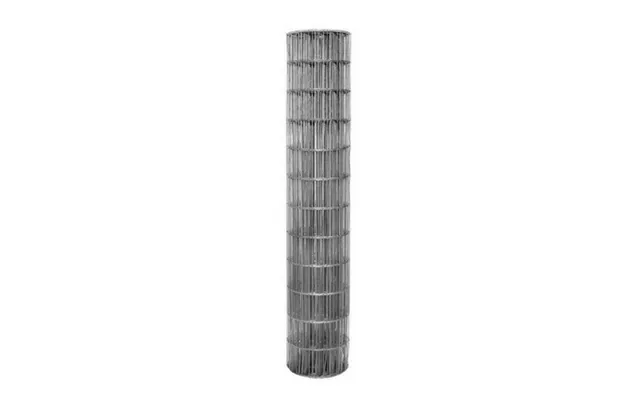
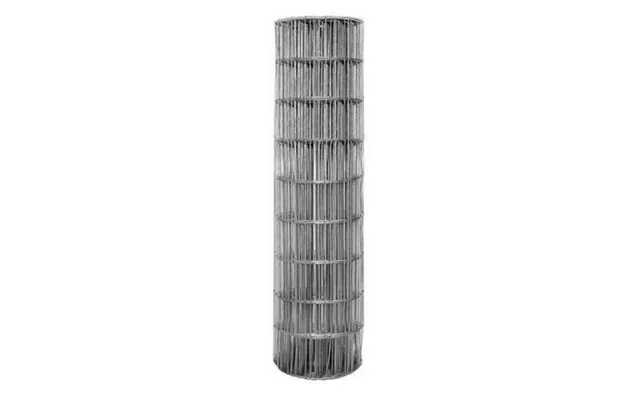
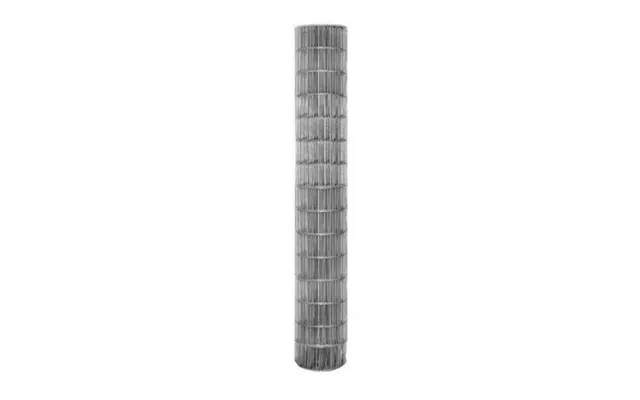
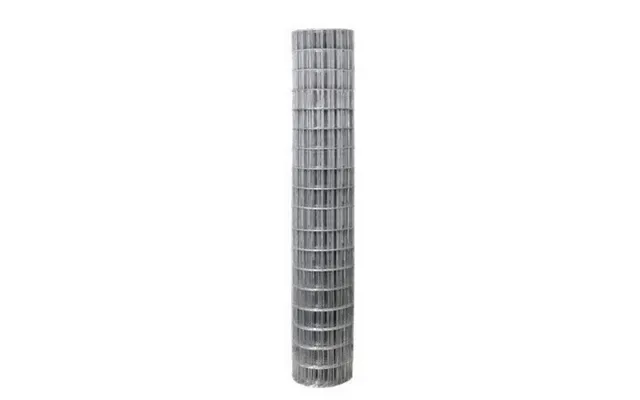
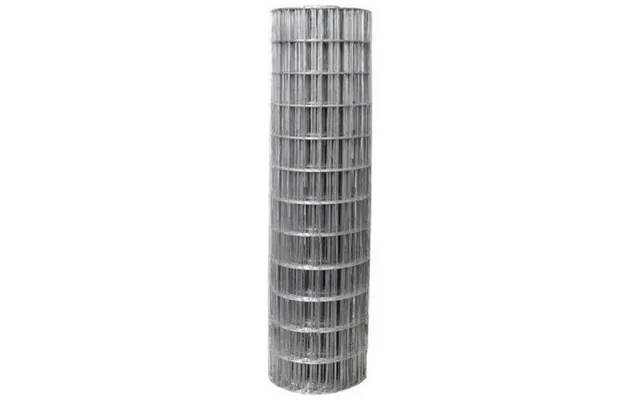
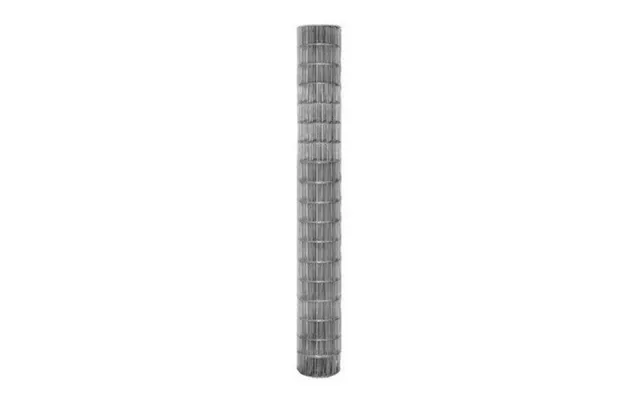
Garden Zone offers several versions of its 14-gauge welded utility fence. The listings use a 2-inch by 4-inch mesh and provide different heights and roll lengths. This makes the range useful for comparing a compact fence project with a taller or more extensive installation.
Unlike the Quictent hardware cloth options, the Garden Zone listings have a larger mesh opening. That difference can affect what the fence is best suited for. A 2-inch by 4-inch opening may work well for general utility purposes, garden boundaries, and larger containment tasks, but it may not be the first choice when you need a very tight barrier against small animals.
The 36-inch by 50-foot Garden Zone welded utility fence is listed at $84.10. Its lower height can be useful for defining garden edges, separating areas, or creating a modest barrier where a taller fence is unnecessary.
This size may also be easier to manage during installation because it is shorter than the taller versions. As with any roll fencing, measure the full perimeter first. A quick sketch of the project can help you estimate how many feet you need and where you will need posts, corners, or overlaps.
The 48-inch by 50-foot Garden Zone fence is listed at $106.89. At 48 inches high, it offers more vertical coverage than the 36-inch version while keeping the same 50-foot roll length.
This can be a balanced option for general garden and utility projects. It may suit you if you want additional height without moving to a 60-inch or 72-inch roll. Remember to account for any portion that may be placed below ground or folded around a frame.
The 60-inch by 50-foot Garden Zone welded utility fence is listed at $139.38. Its increased height may be appropriate when you want a more substantial boundary around a garden, yard section, or utility area.
Higher fencing can require stronger support, especially when exposed to wind or when the mesh is pulled tightly. Plan the post spacing and anchoring before installation rather than treating those details as an afterthought. A fence is only as dependable as the structure holding it in place.
The 72-inch by 50-foot Garden Zone option is listed at $150.23. This is the tallest Garden Zone version offered in a 50-foot roll in the reference data.
The extra height may help when a taller barrier is part of your plan. It can also be useful for projects where you want more coverage above ground. Because taller mesh can catch more wind, make sure your chosen posts, fasteners, and support system are appropriate for the installation.
The 48-inch by 100-foot Garden Zone roll is listed at $212.70. It provides the same listed height as the 48-inch by 50-foot version but doubles the roll length.
This size may be worth comparing when your project covers a larger perimeter or when you prefer fewer separate rolls. Fewer joins can simplify the layout, although a longer roll may be heavier and more difficult to position. If you are working alone, divide the installation into manageable sections.
The 72-inch by 100-foot Garden Zone welded utility fence is listed at $303.00. It combines the tallest listed height with the longest listed roll length in the Garden Zone selection.
This option is designed for projects that need substantial coverage. Before selecting it, confirm that you have enough space for storage, enough support for the taller fence, and a clear plan for handling the roll safely. Larger fencing is not automatically better; it is better only when its size matches the job.
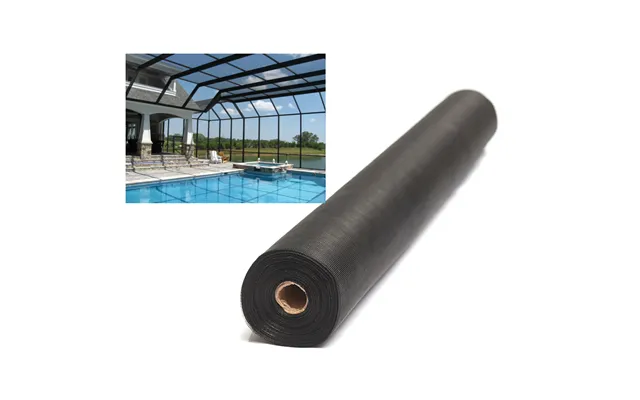
The Jindi listing describes a modern, fire-resistant home delivery screen roll measuring 72 inches by 100 feet with an 18-by-14 mesh. It is identified as a black charcoal pool and patio screen for enclosure use, and the listed price is $32.40.
This product differs from the hardware cloth and welded utility fence options because it is presented as a screen for pool and patio enclosures. Its black charcoal color may suit outdoor areas where appearance matters alongside enclosure coverage.
The listing also mentions exclusive perks of up to $500 off, but it does not provide enough detail to confirm how those perks apply. Treat that statement as listing information rather than a guaranteed discount. Compare the product specifications and current offer terms before relying on any promotional amount.
Mesh size is one of the easiest specifications to overlook, yet it can change the entire function of a fence. The Quictent hardware cloth products use a 1/2-inch by 1/2-inch mesh, while the Garden Zone utility fence uses a 2-inch by 4-inch mesh. The Jindi screen lists an 18-by-14 mesh.
Smaller openings generally provide a tighter barrier, which may be useful for small animals and pests. Larger openings allow more visibility and may be suitable for general utility applications. Before choosing, ask yourself what must stay inside, what must stay outside, and how much visibility you want through the fence.
Start with the boundary you need to cover. For a short garden edge, a 36-inch roll may be enough. For a taller enclosure, the 60-inch or 72-inch choices may provide more coverage. If your perimeter is extensive, a 100-foot roll could reduce the number of sections compared with multiple 50-foot rolls.
Do not forget gates, corners, overlaps, and buried sections. If you plan to bury part of the fence, the above-ground height will be lower than the stated roll height. Measure twice, then add a practical allowance for joining and securing the material.
Good preparation is the foundation of a reliable fence. Mark the route, identify corners, clear vegetation, and decide where posts or supports will go. For underground protection, the Quictent listing recommends placing fencing 2 to 3 feet below ground after digging a shallow trench.
Handle wire rolls carefully because the material can be heavy and may spring outward when released. Wear suitable protective equipment, keep the roll controlled, and avoid rushing. Attach the mesh evenly so it does not sag, buckle, or leave easy gaps at the base.
Inspect the fence periodically, especially after severe weather or changes in the ground. Look for loose fasteners, lifted edges, bent wire, rust, or openings beneath the barrier. Early repairs are usually easier than rebuilding an entire section later.
The Quictent listings emphasize corrosion resistance through galvanizing and, in one case, a black vinyl coating. Garden Zone is listed as 14-gauge welded utility fence. These material details can help you compare options, but installation quality remains important. Even a sturdy mesh can fail if posts are weak or connections are loose.
The lowest listed price in the reference data is $32.40 for the Jindi screen roll. Garden Zone options range from $84.10 for the 36-inch by 50-foot roll to $303.00 for the 72-inch by 100-foot roll. The Quictent hardware cloth options are each listed at $199.99.
Price alone does not tell the full story. Compare the total length, height, mesh opening, coating, and intended use. A less expensive roll may not be suitable if it requires additional layers or replacements, while a longer roll may offer better value for a large perimeter. ZoneOffer helps you compare products, but you should confirm the current listing details before purchasing.
Choose the Quictent black vinyl-coated hardware cloth if you want a 1/2-inch mesh in a 48-inch by 100-foot roll and prefer the appearance of a black finish. It is listed for poultry, garden protection, cages, and custom do-it-yourself projects.
Consider the Quictent chicken coop run hardware cloth if you want a 48-inch by 50-foot galvanized option with a 1/2-inch mesh. Its listing highlights applications such as poultry enclosures, rodent control, raised beds, and underground barriers.
Look at Garden Zone when you need a 2-inch by 4-inch welded utility mesh and want to compare several height and length combinations. The available options range from 36 to 72 inches high and from 50 to 100 feet long.
Consider the Jindi screen roll if your project is focused on a black charcoal pool or patio enclosure and the listed 72-inch by 100-foot dimensions fit your plan. Always verify the mesh and material details before choosing it for a specific application.
Fence panels and mesh rolls are practical building blocks for gardens, animal enclosures, patio areas, and general outdoor protection. The Quictent products emphasize tighter 1/2-inch mesh, Garden Zone provides several welded utility fence sizes, and Jindi offers a black charcoal screen roll for pool and patio enclosure use. Compare the mesh opening, height, roll length, material, and listed price as carefully as you compare the appearance. With the right match and careful installation, your fence can become a dependable boundary rather than just another item in the yard.