




View 5 Offers
View 5 Offers
Loading...
Loose charging cords, headphone wires, and electrical cables can quickly turn a neat desk, workshop, or vehicle into a tangled puzzle. Wire and cable sleeves offer a simple way to organize those cables, reduce clutter, and make frequently used cords easier to handle. The right solution can act like a belt for your cables: it keeps everything together without making access difficult.
In the reference selection, you will find several types of cable management products, including silicone wrap organizers, foldable neoprene cord organizers, and a marine-grade electrical wire seal. These products serve different purposes, so choosing between them depends on whether you need everyday cord storage, branded accessories for an event, or a more specialized seal for electrical installation work.
ZoneOffer is a comparison site, not a store. The prices and product details below reflect the supplied comparison data and may help you evaluate the options available from the listed sellers. Use this guide to understand the differences before deciding which type of cable organizer fits your needs.
Wire and cable sleeves are cable management products designed to hold, protect, wrap, or seal wires and cords. Some are soft organizers that keep a single cable coiled. Others are intended for installation environments where a cable needs a more secure opening or seal.
The phrase “cable sleeve” can describe several related products. A flexible organizer may be ideal for a phone charger in a backpack, while a marine-grade electrical wire seal is designed for a different task entirely. That is why the product’s material, construction, and intended use matter more than the general category name.
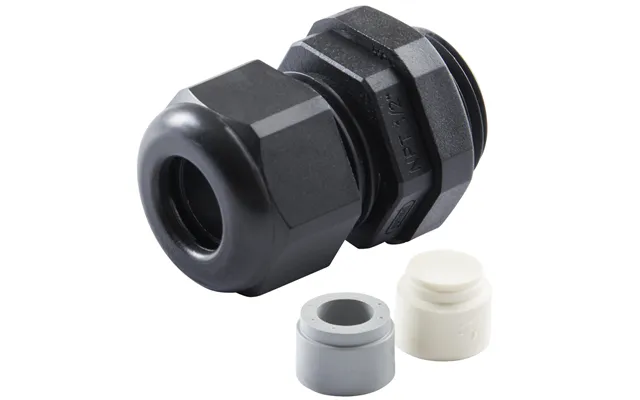
Silicone and neoprene organizers in the reference data are focused on tidiness and portability. They wrap around cords, help prevent tangles, and can make storage more convenient. The ANCOR wire seal, by contrast, is listed for round cable and includes a 1/2-inch NPT specification. It belongs to a more specialized electrical hardware category.
Think of the difference like comparing a reusable strap with a gasket for an installation point. Both can help manage a cable, but they solve different problems and should not automatically be treated as interchangeable.
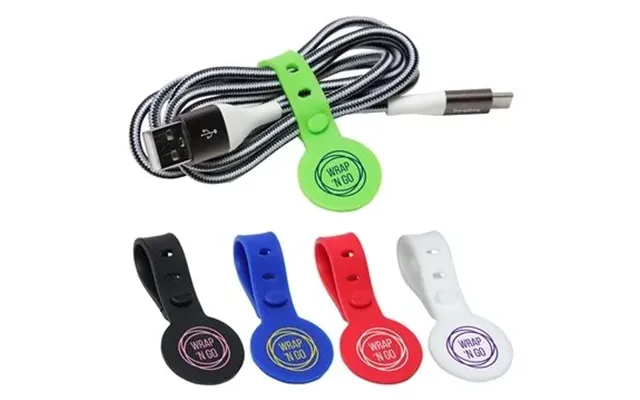
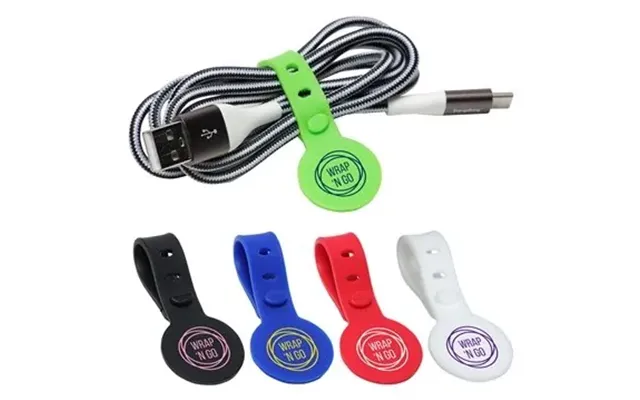
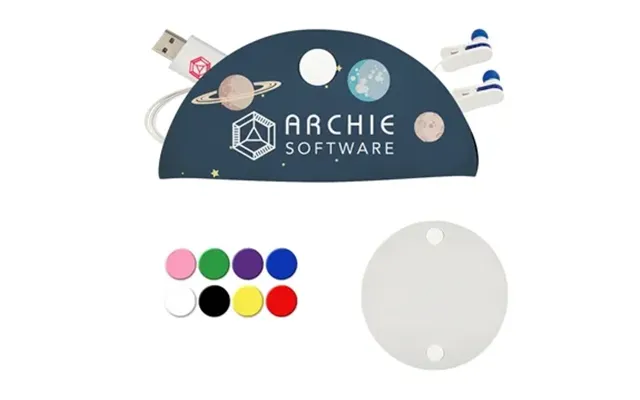
The reference data includes two listings for the 300 Custom Wrap ’n Go Cable Organizer - Silicone. Both are described as adjustable loop cable organizers made from sturdy silicone, with an imprint on a round disc. The listings are associated with AmberPromos.
One listing shows a price of $277.56 for 300 units, while the other shows $261.00 for 300 units. Based on the supplied descriptions, the listed per-unit figures are $0.93 and $0.87 respectively. These are bulk quantities, making the products more relevant for promotional programs, company events, customer giveaways, or organizations that need many matching organizers.
Silicone is a practical material for a flexible cable organizer because it can bend around a cord without requiring a rigid case. The adjustable loop design may be useful when cables vary in thickness or when you want to keep the organizer attached to the cable rather than store it separately.
The round disc also provides an area for an imprint, according to the product description. That feature may appeal to businesses, clubs, schools, and event planners looking for a small branded accessory. Instead of handing someone a loose cable tie that disappears in a drawer, you can use an organizer designed to stay with the cord.
Because the supplied data describes these as custom organizers, buyers should consider whether the bulk quantity matches their project. A 300-unit listing is very different from purchasing one organizer for personal use. Before comparing prices, ask yourself how many units you genuinely need and whether branding is part of the goal.
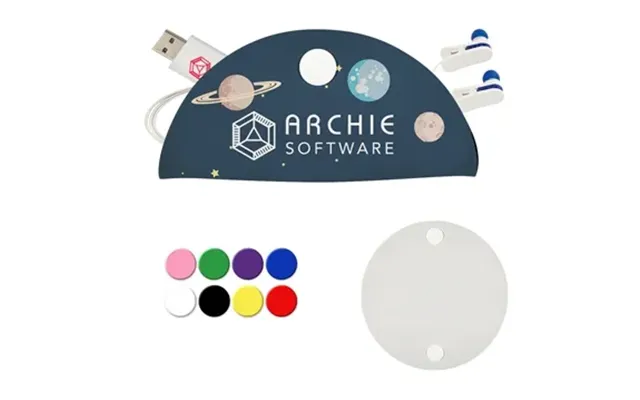
The reference data also includes two listings for the 200 Custom Tech Taco Cord Organizer - Neoprene & Foldable. These products are described as foldable neoprene organizers that stretch to wrap and secure charging cables and headphone cords. They fold flat for storage in a pocket or purse.
One listing is priced at $380.88 for 200 units, with a listed per-unit figure of $1.90. The second is priced at $356.96 for 200 units, with a listed per-unit figure of $1.78. Both listings are associated with AmberPromos.
A foldable organizer is designed with portability in mind. If you carry a phone charger, headphones, or other small cords in a pocket, purse, or travel bag, a flat-folding design can take up less space than a bulky container. It is similar to folding a map instead of carrying a full-size poster.
The neoprene construction and stretchable design described in the data may help the organizer fit around different cords. The product is specifically positioned for charging cables and headphone cords, so it may be a practical choice for personal technology accessories or promotional campaigns aimed at mobile users.
The 200-unit quantity may suit a smaller campaign than the 300-unit silicone option, although the best choice depends on your audience and budget. If you are preparing accessories for a conference, employee welcome kit, or customer promotion, compare both the unit count and the listed per-unit figure rather than looking only at the total price.
The ANCOR 765000 Marine Grade Electrical Wire Seal is a different kind of product from the promotional cord organizers. The reference data identifies the brand as ANCOR and describes the item as a round-cable seal for 10 to 2 AWG cable, with a 1/2-inch NPT specification.
The listing is available through The Twister Group at a listed price of $15.12. Unlike the bulk organizer listings, this offer is presented as a single specialized electrical component rather than a large package of branded accessories.
The description identifies compatibility with cable sizes from 10 to 2 AWG. AWG, or American Wire Gauge, is a standard used to describe electrical conductor sizes. The important point is that this product is not described as a general-purpose wrap for chargers or headphone cords.
If you are considering this seal, match the cable specification carefully with your project. A cable seal should be selected based on the cable type, the installation design, and the relevant equipment requirements. When in doubt, consult a qualified professional rather than treating a specialized seal like an ordinary desk accessory.
The marine-grade wording also signals a more demanding use case than simple cord storage. However, the reference data does not provide additional installation instructions, environmental ratings, or application guarantees. Those details should be verified before use in a specific electrical or marine project.
The easiest way to compare the reference products is to begin with the problem you are trying to solve. Do you need to distribute hundreds of branded cord organizers, keep a few personal cables tidy, or seal a round electrical cable in a specialized installation?
For promotional cable management, the silicone Wrap ’n Go organizer offers an adjustable loop format and a round imprint area. The two listed options cover 300 units and show total prices of $277.56 and $261.00.
For portable technology accessories, the Tech Taco organizer offers a foldable neoprene format. The two listings cover 200 units and show total prices of $380.88 and $356.96.
For a specialized electrical requirement, the ANCOR seal is the only product in the supplied data identified for round cable in the 10 to 2 AWG range and a 1/2-inch NPT application. Its listed price is $15.12 through The Twister Group.
Start by identifying the cable. Is it a phone charger, headphone cord, general accessory cable, or an electrical wire used in an installation? The answer immediately narrows the field.
Next, consider quantity. The silicone organizers are listed in quantities of 300, while the neoprene organizers are listed in quantities of 200. The ANCOR seal is shown as an individual product. Quantity can matter as much as design when you are comparing total spending.
Then, look at portability. The neoprene organizer is specifically described as foldable for pocket or purse storage. The silicone design is described as an adjustable loop organizer. If you want a flat accessory for travel, the neoprene format may be more appealing. If you want a flexible loop that remains with the cable, the silicone design may be worth closer attention.
A cable organizer does more than make a workspace look attractive. It can make it easier to identify the cord you need, reduce the time spent untangling wires, and keep spare cables from spreading across drawers or bags.
Organization also becomes easier when each cable has a consistent storage habit. Wrap the cord, secure it with the organizer, and place it in the same general location each time. Like putting keys in one bowl, the value comes from repeating the system until it becomes automatic.
For shared spaces, organized cords can make equipment easier for other people to use. A branded organizer may also help distinguish one group’s accessories from another’s during an event or workplace program. The supplied data supports the availability of custom imprint areas for the silicone organizer, but it does not specify the imprint process, artwork requirements, or customization timeline.
Silicone and neoprene provide different design experiences. The listed silicone product uses an adjustable loop format, while the listed neoprene product is stretchable and folds flat. Neither option is automatically best for every cable or user.
Choose the silicone style if an adjustable loop and round branded disc fit your project. It may be a practical format for keeping the organizer attached to a cable and for distributing a consistent promotional item in a larger quantity.
Choose the neoprene style if folding flat and carrying the organizer in a pocket or purse are priorities. Its description specifically mentions charging cables and headphone cords, which makes it closely aligned with everyday mobile accessories.
Material alone should not make the decision. Quantity, total budget, intended audience, storage habits, and the type of cord all deserve attention. A good organizer is one you will actually use, not merely one that looks appealing in a product listing.
The listed totals make it useful to compare both package size and per-unit cost. The silicone options show $277.56 for 300 units and $261.00 for 300 units. Their listed per-unit figures are $0.93 and $0.87.
The neoprene options show $380.88 for 200 units and $356.96 for 200 units. Their listed per-unit figures are $1.90 and $1.78.
These figures suggest that the silicone listings have the lower listed unit cost within the supplied comparison. However, price is only one part of the decision. A lower unit cost does not help if the format, quantity, or intended use does not match your project.
The data does not include regular prices, discounts, shipping charges, taxes, or availability details. For that reason, treat the listed amounts as comparison information rather than a final checkout total. Review the current seller information before making a purchase decision.
Group cables by purpose instead of putting every cord in one pile. Keep charging cables together, store headphone cords separately, and identify specialized electrical components by project. This simple sorting method can save time later.
Do not wrap a cable more tightly than necessary. A secure organizer should hold the cord without turning it into a compressed knot. If a cable resists the wrap or appears strained, choose a different storage method.
Use the right product for the right environment. The promotional silicone and neoprene organizers are described for cords and accessories. The ANCOR seal is described as a marine-grade electrical wire seal for a specified round-cable range. Those descriptions point to different roles.
Finally, label storage areas when several people share the same workspace. Even a basic label such as “chargers,” “headphones,” or “installation parts” can act like a signpost in a busy drawer or equipment cabinet.
Review the product name and description carefully. Confirm whether the item is sold as a single piece or in a bulk quantity, and check whether the design is intended for a cord, cable, or electrical installation.
Look at the material and closure style. Silicone may offer a flexible loop format, while neoprene may provide a foldable solution. For specialized seals, pay attention to the cable range and connection specification shown in the listing.
Also consider whether customization is important. The silicone listings mention an imprint on a round disc, but the supplied data does not specify design options or production details. If branding is central to your project, confirm those details with the listed seller.
Most importantly, avoid assuming that a general organizer provides electrical protection. A wrap that keeps a charger tidy is not automatically a substitute for a wire seal, conduit component, or other installation hardware.
The reference products cover three distinct cable management needs: bulk silicone organizers for branded cord control, foldable neoprene organizers for portable charging and headphone cords, and an ANCOR marine-grade electrical wire seal for a specified round-cable application. Compare the intended use first, then consider material, quantity, listed unit cost, and portability. By matching the organizer to the cable and the project, you can turn a tangled collection of wires into a system that is easier to store, carry, and use.